
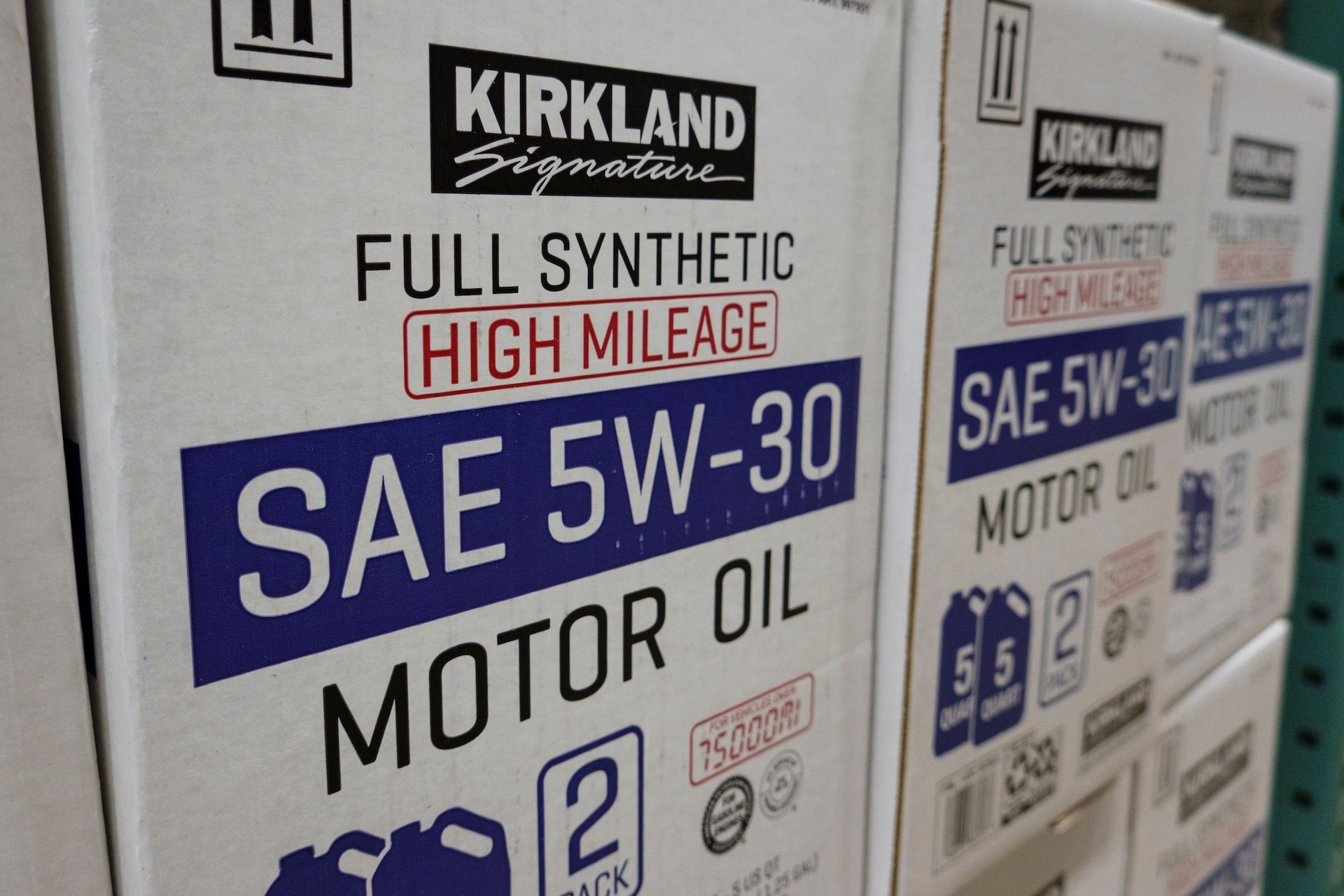
Costco, the wholesale retailer that somehow manages to sell hot dog and soda combos for $1.50 despite insane inflation, is jacking up the price of its in-house oil change due to higher petroleum prices from the Iran war. So are Walmart and your local quick-lube shop, whether it’s independently owned or part of an enormous conglomerate like Valvoline Inc.
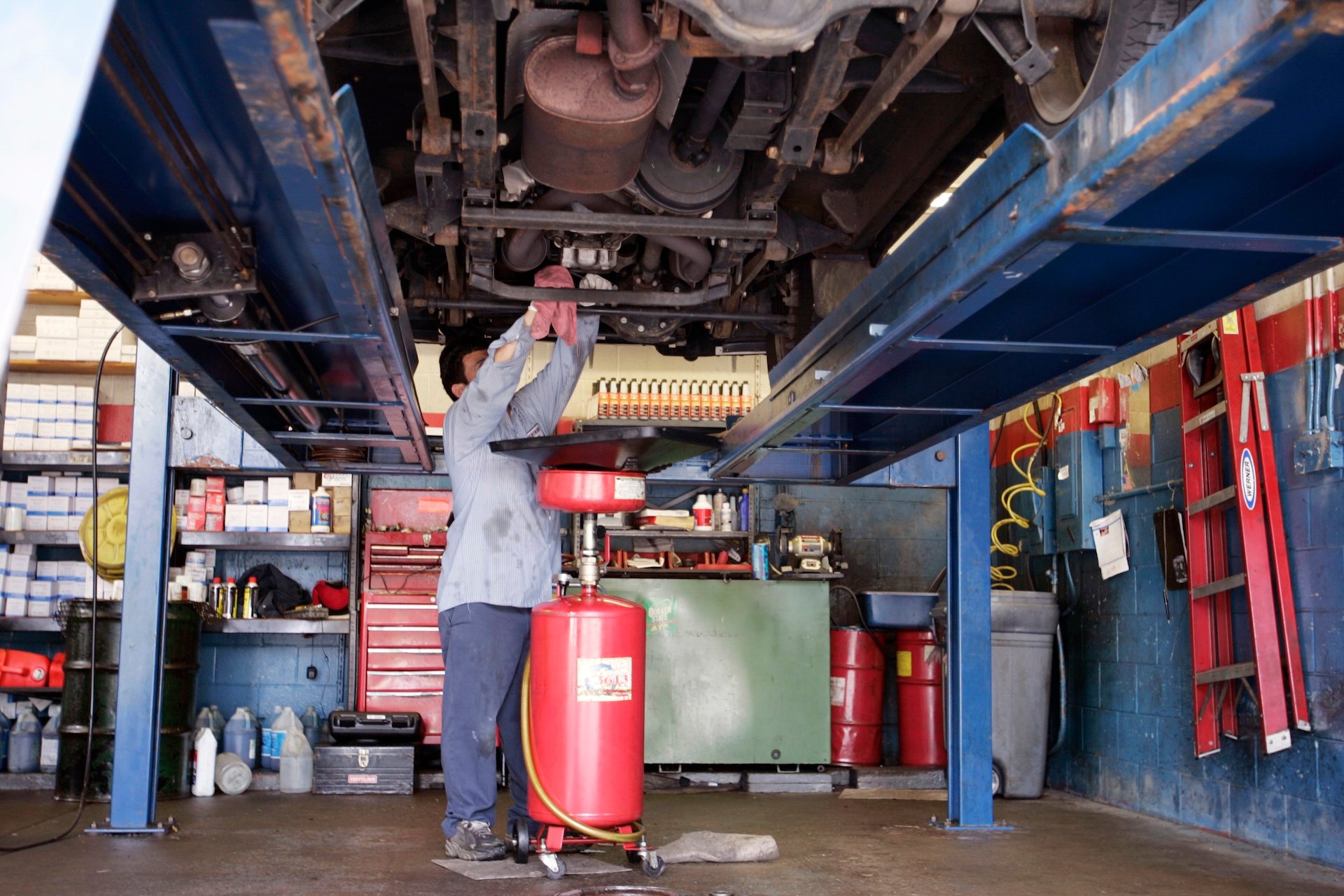
A recent investigation by The Wall Street Journal found that the military conflict isn’t just forcing oil companies to pass price increases on to the middle and little guys; it’s also changing consumer behavior, with many drivers bringing their own oil to local shops to save a few bucks. A Detroit repair-shop owner interviewed by the publication said more and more customers are buying oil in bulk at retailers and paying lube shops only for labor. Well, that won’t last very long.
Per the report, 10 quarts of Costco’s Kirkland motor oil now sells for $58 despite costing just $22 in May at a New Jersey club store. That’s a $36 increase in roughly four months. Walmart also told the WSJ it raised the price of its oil-change services by a few dollars last month.
Valvoline Inc. did not specify how much its consumer-facing prices for synthetic oil have increased, but confirmed that costs have risen roughly $5 to $7 per oil change.
At its core, the issue is tied to the supply of Group III base oils, the ingredients in synthetic lubricants such as oil used for motor vehicles. According to the report, full synthetic and low-viscosity blends like 0W-20, 0W-16, and 0W-8 are most affected because the Persian Gulf’s refining capacity is below normal due to the war. Typically, refiners could bolster or substitute these Group III products with Group II base oils, but even those are also in short supply now because refiners are prioritizing feedstocks. Any way you cut this cake, the end result is the same: supply is down, demand is as strong as ever.
So what consumers are stuck with is higher costs and limited availability. As we explained last week, Costco is rationing motor oil purchases nationwide, limiting them to two per customer per week. And while the average car owner won’t need more than that, it begs the question: what’s next? It’s like the pandemic’s toilet paper shortage all over again.
At the time of writing, the national average price for regular gasoline is approximately $4.48 per gallon, while diesel is at an all-time high of $6.45, per AAA.
Got a tip? Email us at tips@thedrive.com
Loading comments…
Comments couldn’t be loaded. Please refresh the page.