
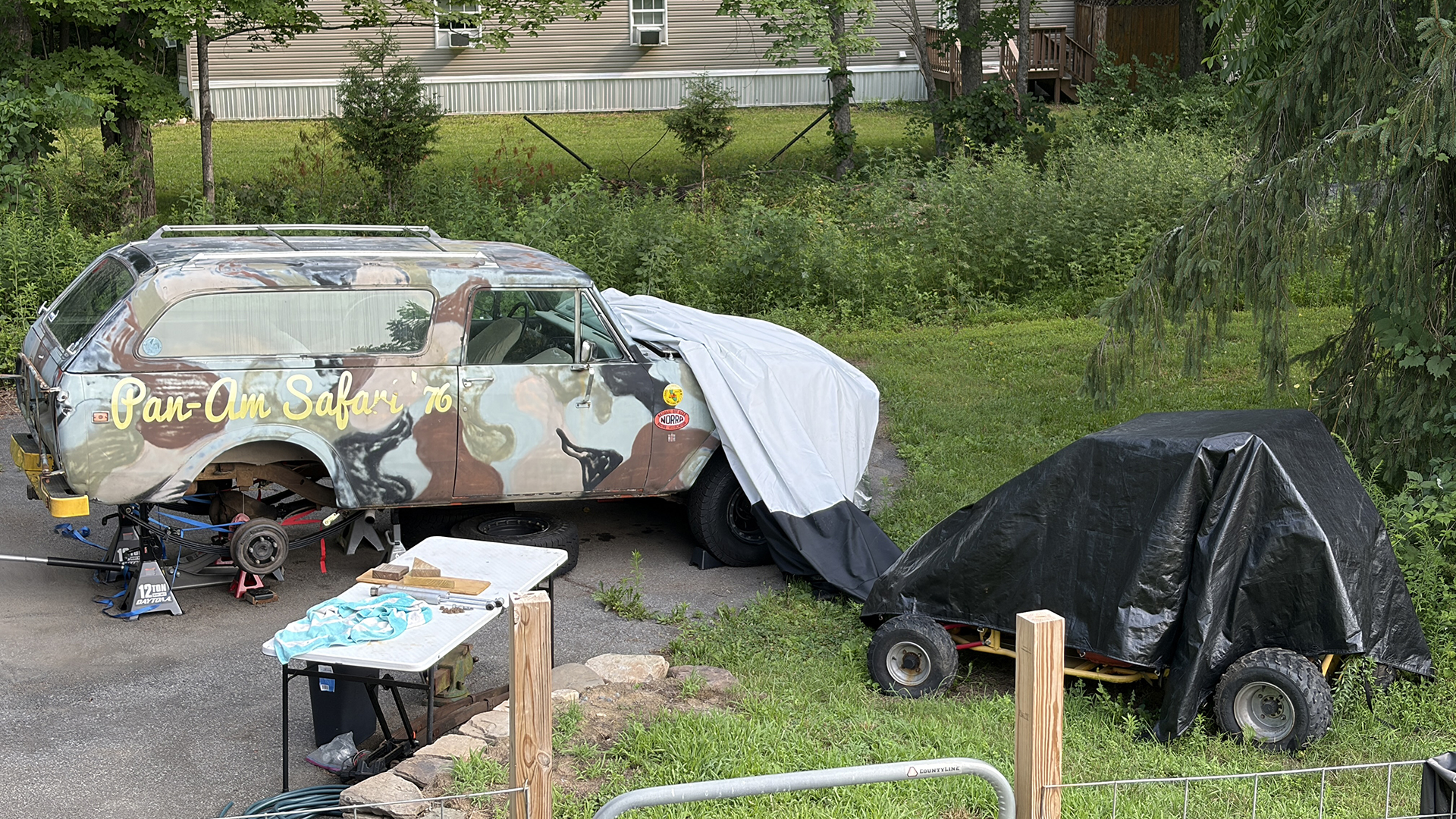
Just a quick PSA for those of you who park outside and put your cars under a cover—the wrong one for your climate can actually be a lot worse than nothing at all. I accidentally turned my old International Scout into a little sauna for a few days—not something I want any of you to experience!
Last winter, I kept my old Scout in a barn under a weighted blanket-style cover from CoverSeal. Its main purpose is to prevent mice from crawling into the vehicle. A heavy skirt around the outside effectively holds the cover to the ground, eliminating the need for straps. It worked great indoors and kept the critters out.
This summer, I’ve been parking the truck next to my house. I’ve been working on changing its real leaf springs (a job that got delayed due to me ordering the wrong parts, oops) so I threw the heavy CoverSeal cover on it before a big rain storm.
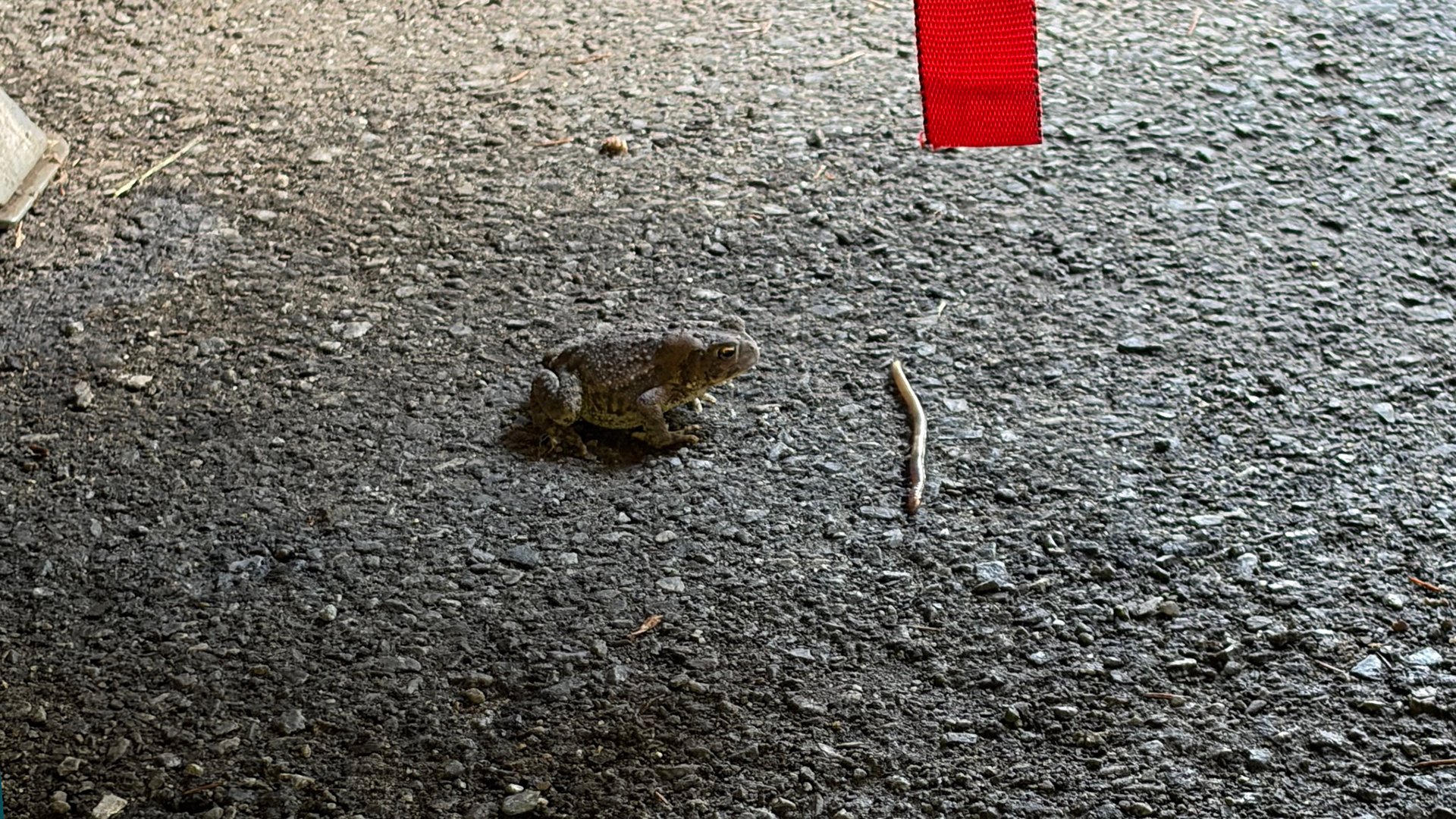
Well, it kept the top of the vehicle dry, but not the bottom. The weighted skirt that seemed to keep mice away couldn’t stop rainwater from sneaking in, causing the area under the truck to turn into a swamp. Quite the opposite of a healthy home for an old, rust-prone truck. Luckily, it hadn’t been sitting like that long, but jeeze, when I saw how mucky the dirt was under the truck, I was distressed to say the least.
I was pretty surprised at how quickly the area under the sealed cover became a swamp. Like, I saw an actual toad hanging out with a worm down there. I guess they’re even more creative than mice when it comes to extreme ingress.
Anyway, this experience is a great illustration of how differently different car covers behave, so I figured I’d share it with the class. This CoverSeal unit was great for indoor storage and rodent mitigation, but clearly does not exhaust moisture anywhere near quickly enough to be working outside in a New York summer.
So when you’re car cover shopping, make sure you take some time to match the product with the environment you’ll be subjecting it to.
Got a story tip? Drop us a line at tips@thedrive.com.
Loading comments…
Comments couldn’t be loaded. Please refresh the page.