
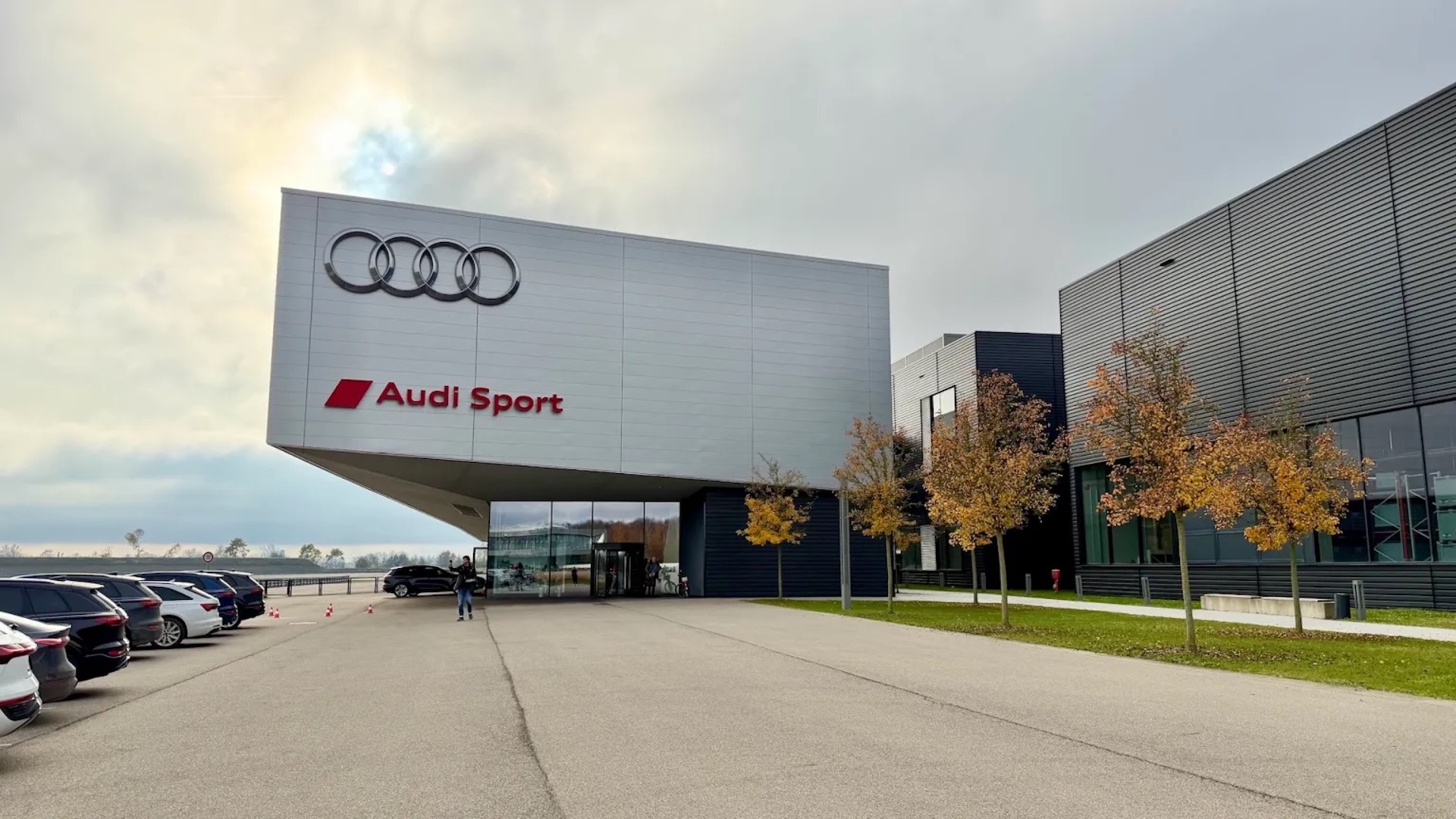
As I walked through the Formula 1 wing of Audi Sport’s state-of-the-art building in Neuburg, Germany, I was led into a room full of machines straight out of Dexter’s Laboratory. The engineer in charge of that particular area explained that the robotic needle next to him could, with just a light tap, inspect any car part for internal cracks thousands of times thinner than a human hair. He pointed at a poster that, according to him, backed up everything he’d said. The poster was in German.
I said, “So this is how a sport that started with cars being wrenched in barns and raced by chainsmokers got so expensive, huh?” He didn’t laugh. To him, in his little corner of a complex that cost hundreds of millions of dollars to build and equip, it’s that very scientific process that makes the difference between a podium and finishing outside of the points; between finishing the race and crashing out in dramatic fashion; between earning Audi a win in the only racing category it hasn’t won in yet and wishing it did. It’s everything.
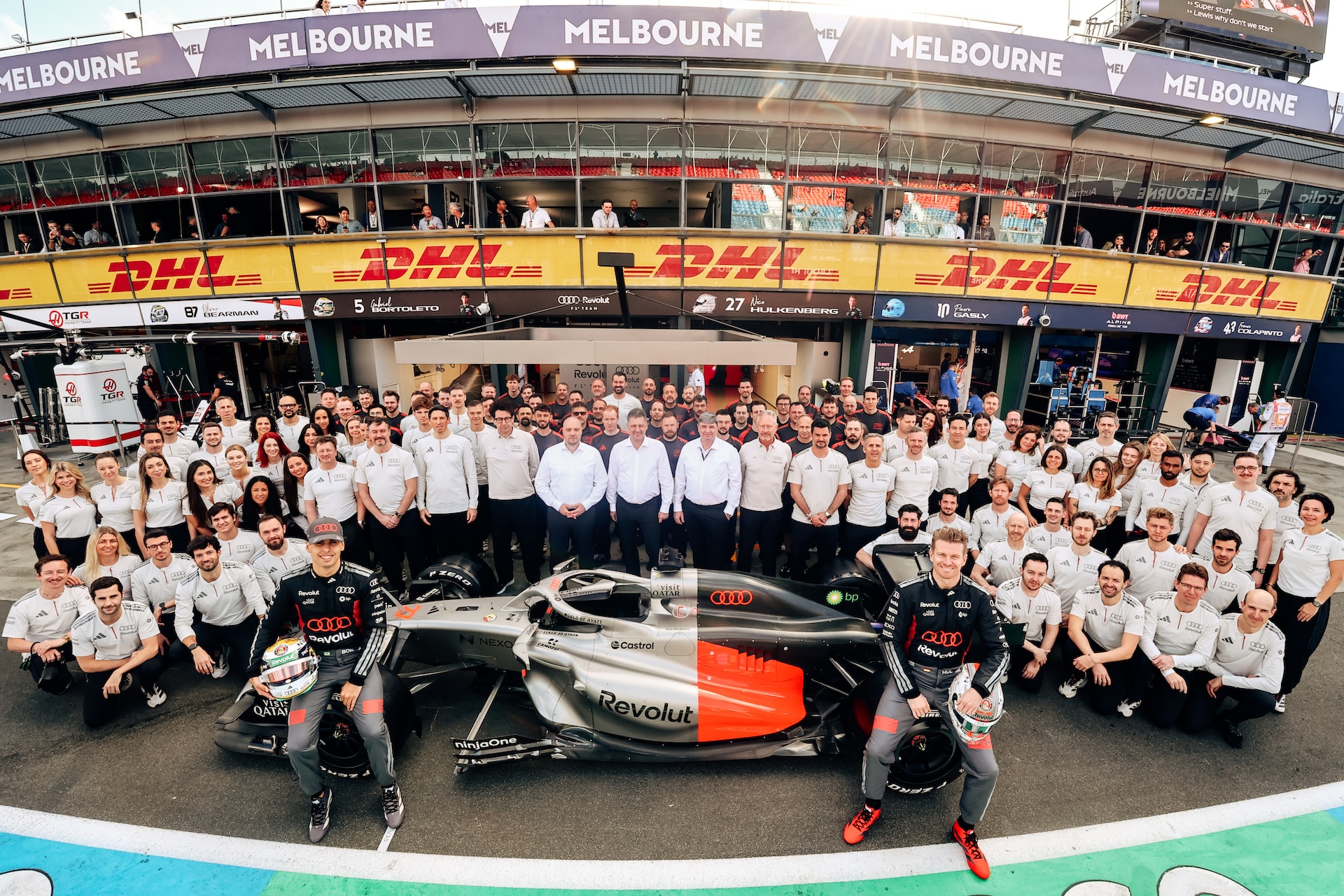
That was last November. Since then, the newly formed Audi Revolut F1 Team—itself a complete overhaul of the Sauber squad based in Hinwil, Switzerland—has enjoyed a wild ride in its maiden season at the pinnacle of motorsport. The journey started on a high in Australia, when it achieved the borderline unthinkable and scored points in its very first F1 race.
China brought a mixed bag, with one DNF in the sprint race and one DNS on Sunday. Then, well, things got really messy. Jonathan Wheatley, the team principal who had become the face of the team with his always-positive outlook on life, suddenly abandoned his role after just two races. No heads-up, no explanation (at least none that was made public by either party). Maybe Netflix will tell us what really happened in the next season of Drive to Survive.
“This is motorsport, you can never be conservative. We push the boundaries. We’re pushing the limits.”
-Allan Mcnish
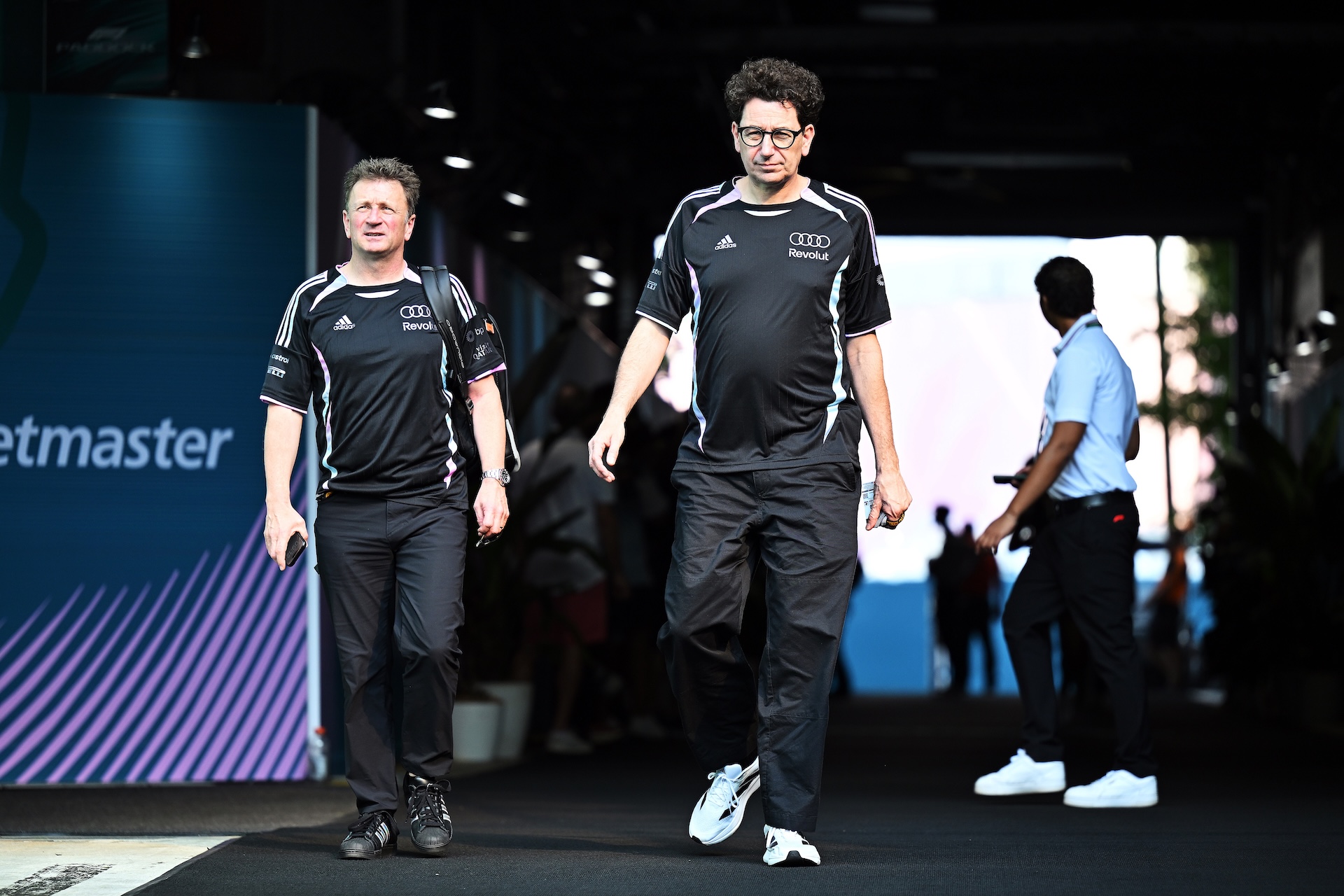
After attending the Japanese, Miami, and Canadian Grand Prix and interacting with the team in various capacities—mostly by becoming a pest greeted with “You again?!” by the drivers—I’ve been privy to the teams’ jam-packed schedules, long workdays, and the emotional roller coaster ride every race weekend brings. From witnessing Mattia Binotto’s first day as Team Principal in Suzuka and Allan McNish’s debut as Racing Director in Miami, to both cars starting and finishing all six track sessions in Canada, it’s already been a long and arduous journey for Audi, but the truth is that things are just getting started.
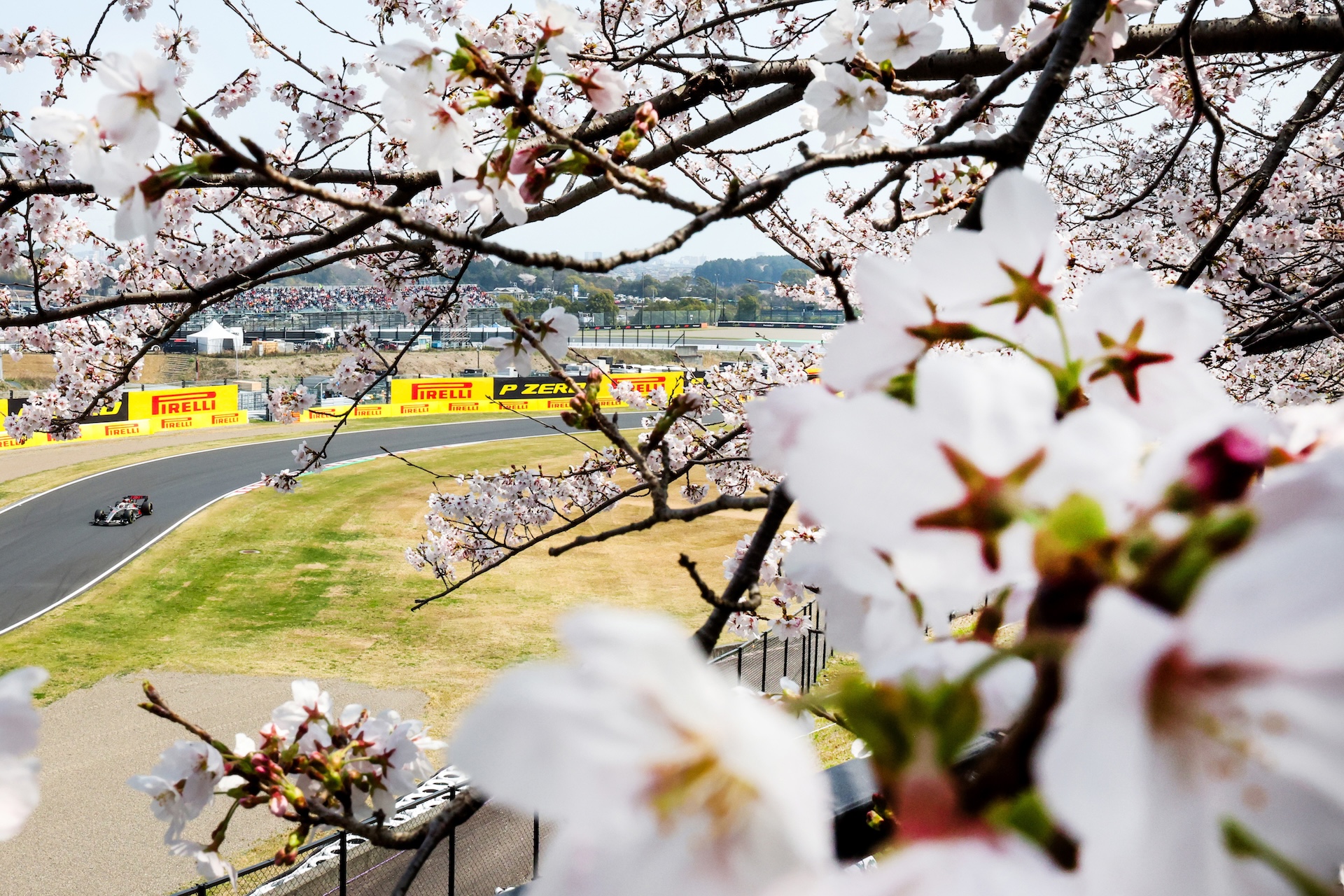
In Japan, things felt dark. The shock of Wheatley’s departure was visible on the faces of every team member. Nico Hulkenberg even said he received the news by phone from his mom after she saw it on TV. However, there were positives. Both cars finished the race on Sunday, and Hulkenberg even set the Suzuka top-speed record at 217 mph, ultimately crossing the line in 11th place, just one spot behind the points-paying 10th position. Gabriel Bortoleto finished 13th. More importantly, Suzuka marked both the end and beginning of a chapter for the young team, which evidently had a lot of work to do before heading to the United States.
Next up: A five-week staycation after both Middle Eastern races were bumped off the calendar.
Time to Regroup
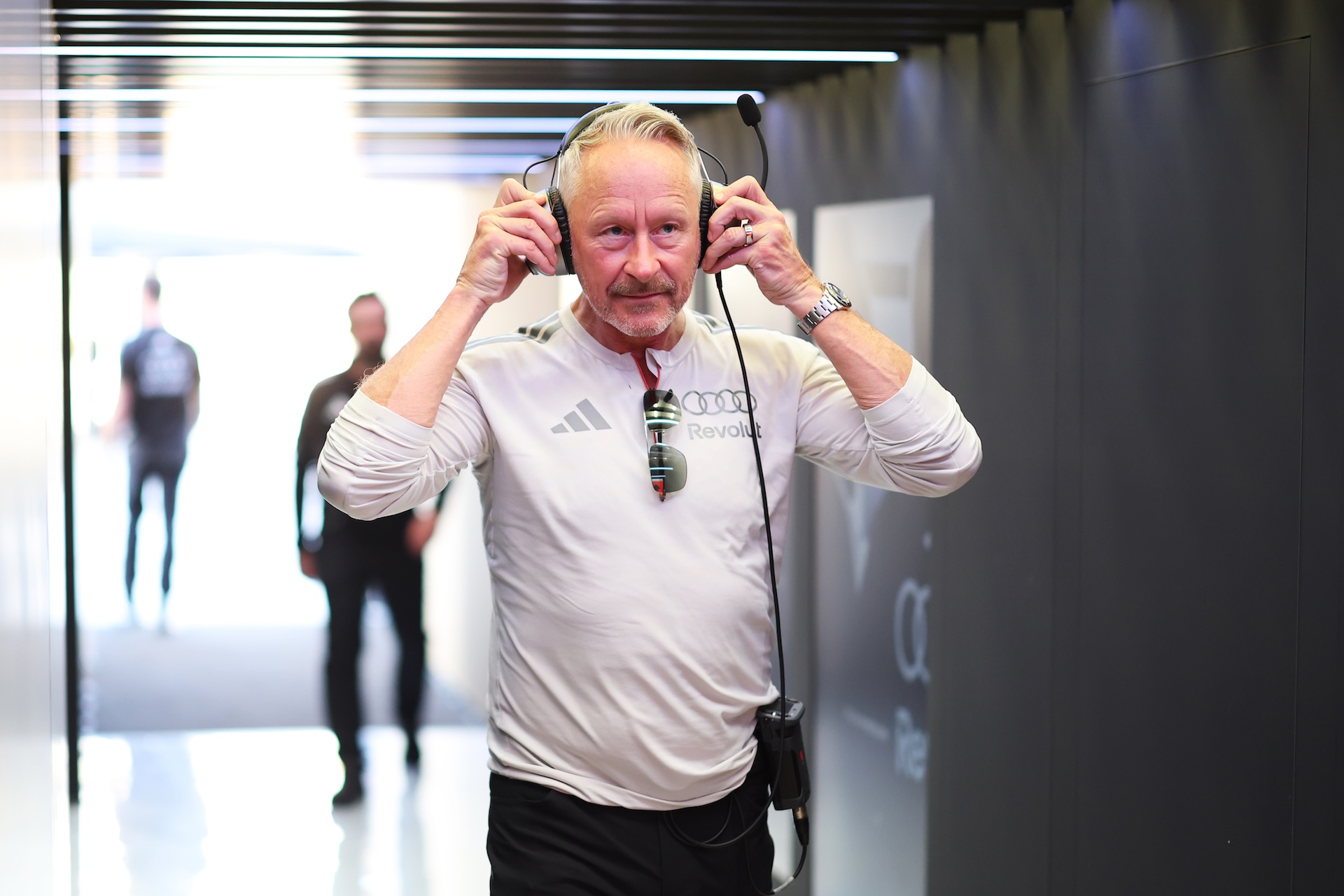
I showed up bright and early Thursday at the Miami International Autodrome (a.k.a. the Hard Rock Stadium parking lot) to a very different vibe from Japan. Within minutes of walking into the team’s hospitality, located on the shiny football turf, I saw Binotto walk in with a big smile. Behind him, the man of the weekend: Allan McNish. The former F1 driver, three-time Le Mans winner, and decorated sports car racer appeared jovial as he mingled with his staff.
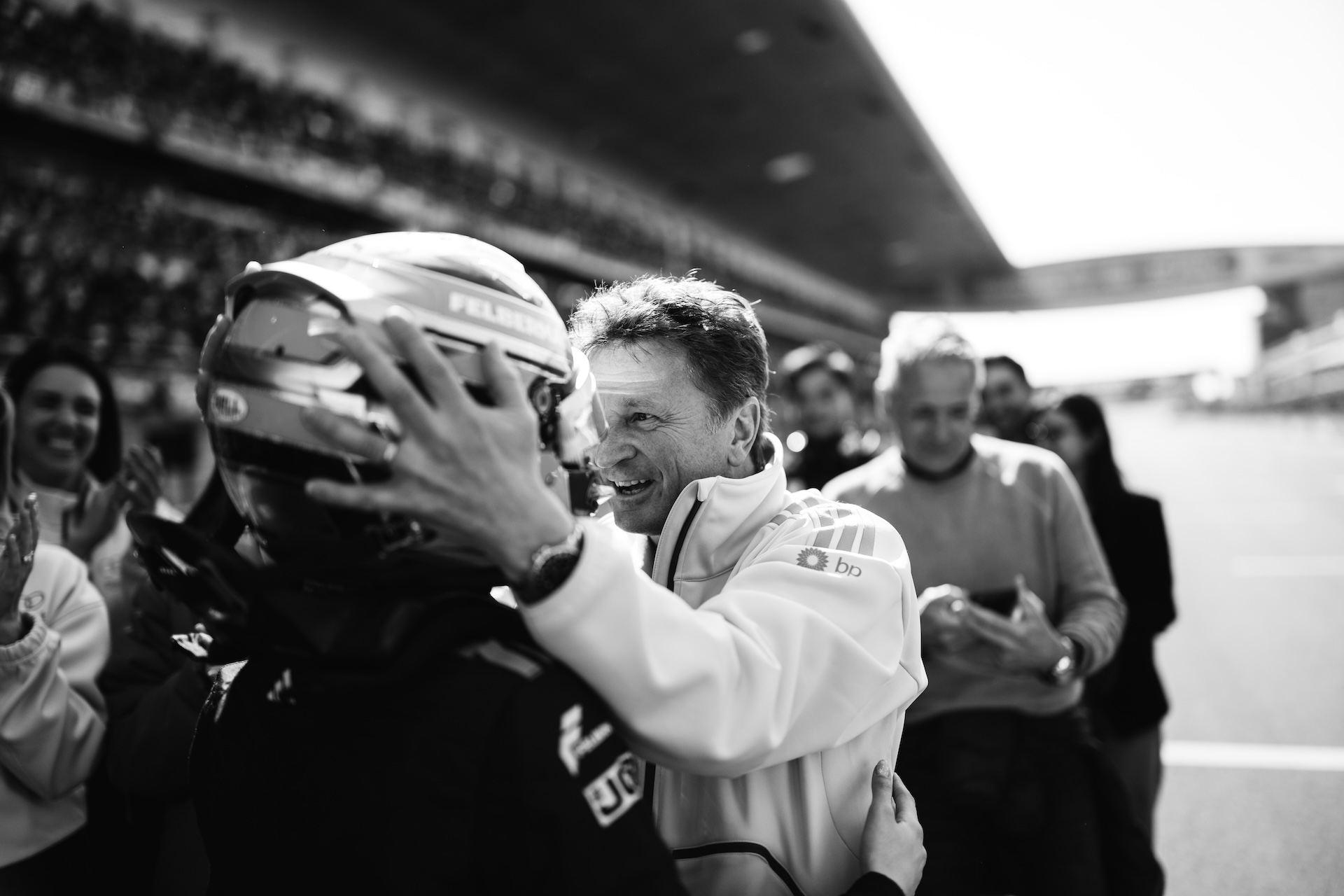
An Audi legend in his own right, the famous Scot was there to do a job, and that job was clear: pick up where Wheatley left off, rally the troops, and build a strong foundation that will continue to execute for seasons to come. I sat down with him on Friday after FP1 to talk about his ascension from director of driver development to racing director.
“You can’t change who you are; you can’t change your DNA or your personality,” McNish told The Drive when asked about how his leadership style would resemble or differ from Wheatley’s. “I’ve got a certain way of working with people. I think I understand Audi very well. I’ve been with them for 25 years, you know. If you cut me in half, you’re going to see the rings somewhere in there.
“At the same time, this is a people game. People build cars; they build the technology, and then drivers execute it. So it is about bringing a team and a group of people with that common vision together. You know, I’m not talking about Jonathan, but just talking about that when I was in Formula E, when I ran the team there, it was a similar thing. The only difference, I would say, is that this team’s much bigger.”
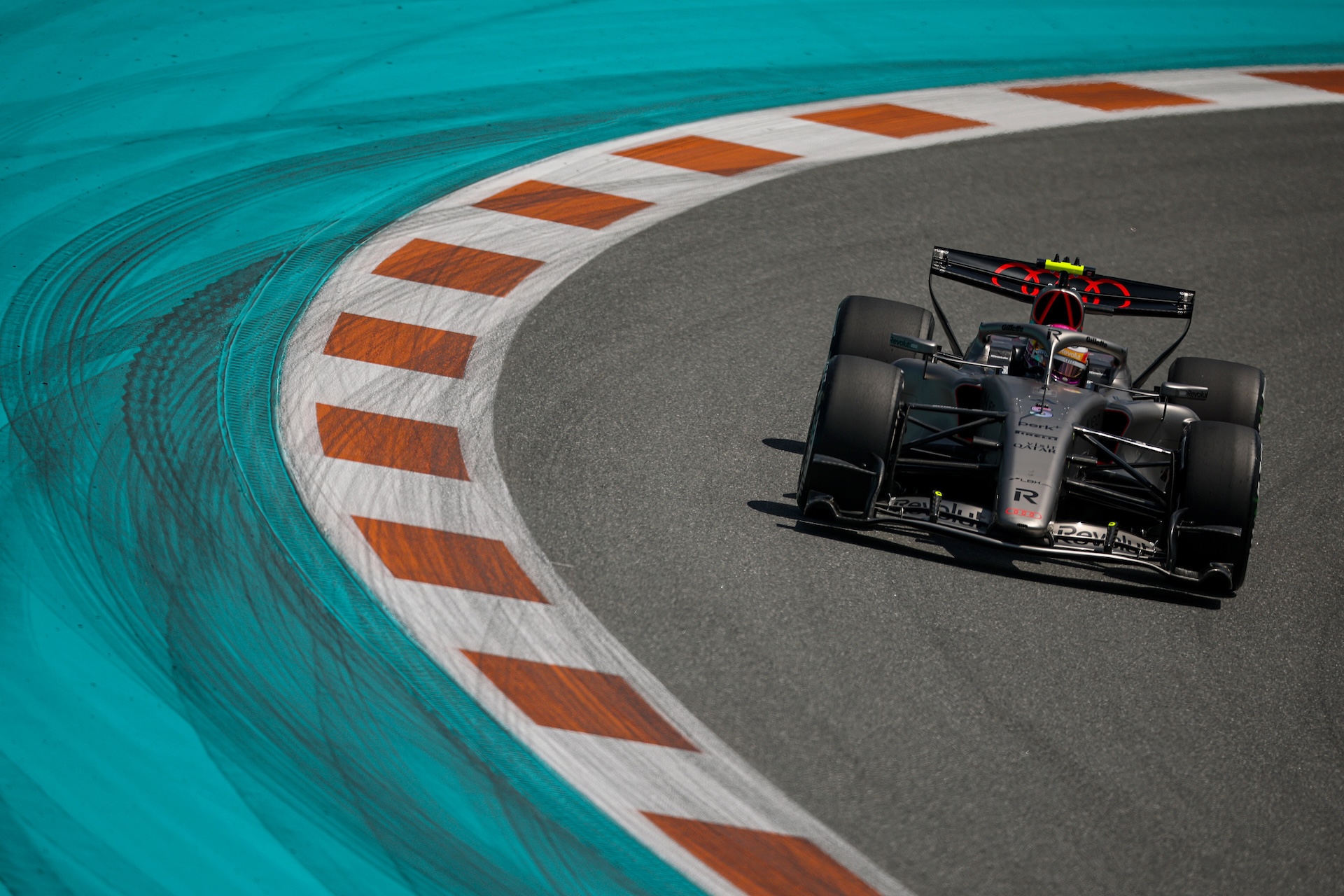
Miami didn’t deliver the results that McNish would’ve loved on his debut. Saturday’s sprint race turned messy when Hulkenberg’s car suffered a mechanical failure on the formation lap, forcing him to abort the session. Bortoleto finished the sprint in 11th place but was later disqualified for exceeding the FIA’s maximum engine intake air pressure limit. The same mixed fortunes continued on Sunday, when the young Brazilian finished 12th, while Hulkenberg retired due to engine overheating.
Despite the ups and downs—or, maybe, because of them—McNish explained that progress was made in Miami. I would agree. It’s worth remembering that, up until this point, this team had competed in just four races under the Audi banner. And as a whole, much of the staff that migrated from Kick Sauber had been revamped through the 2025 season. While there is a lot of experience across the board, it’s understandable that the organization is still working on gelling.
“You’ve got to do your homework in advance,” said McNish about his outlook toward future races. “When you come to the circuit, you execute; you don’t make things up on the fly. That’s gambling, and we’re not in Las Vegas yet.
“I’ll tell you exactly what my father told me: ‘It’s about the 5 Ps. Proper preparation prevents poor performance. Do your homework, son. Do your homework, and you’ll pass the exam. If you don’t, chances are limited.’ So fundamentally, that’s the way that I go about all of the racing I have done since 1981.”
Gabico
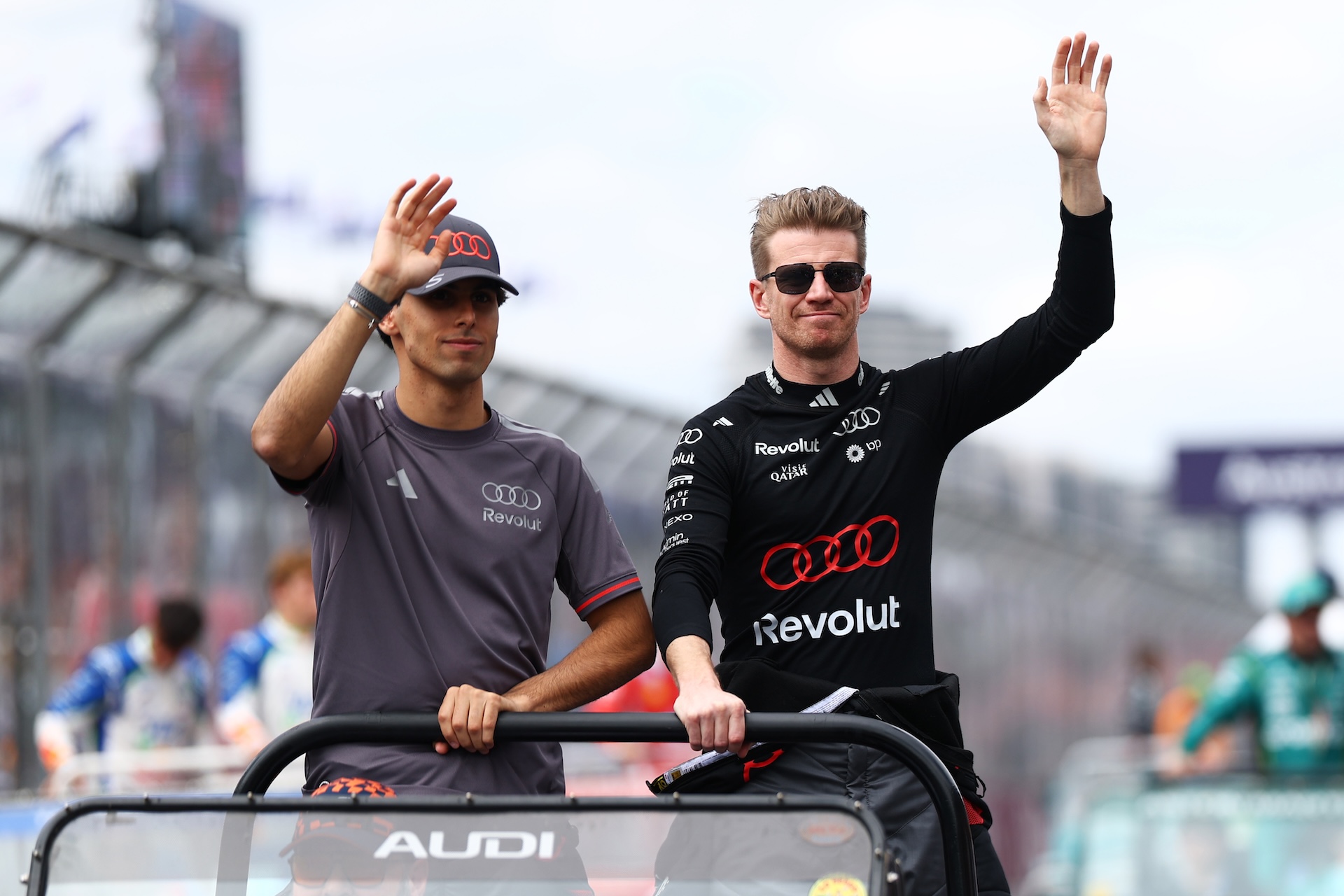
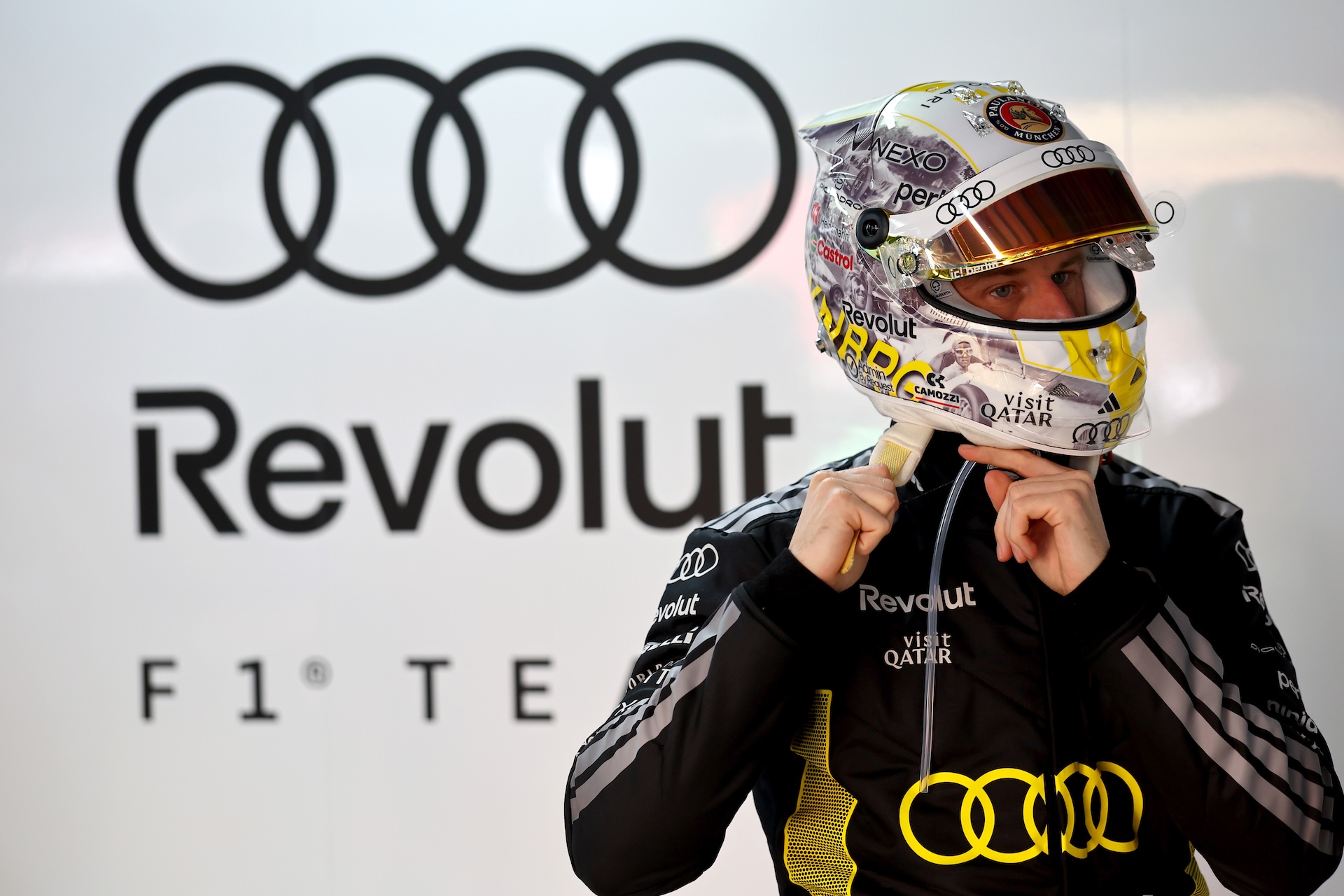
Gabi and Nico, or as the “Audmins” call them on social media: Gabico. You truly couldn’t wish for a better driver line-up than these two. Hulkenberg is as experienced as it gets, and regardless of his statistics, he’s one of the most talented drivers currently on the grid. He’s raced for 10 teams—Williams, Force India (twice), Sauber (twice), Renault, Racing Point, Haas, Audi—throughout his 16-year F1 career. Like Fernando Alonso and once upon a time, Sebastian Vettel, Hulkenberg often extracts more out of the car than anyone would expect. He’s a fighter and a hard worker who knows how to interact with engineers to get what he needs, making him a great role model for young drivers. He remains hungry and dedicated to his craft, but most importantly, he doesn’t sugarcoat things. As he told me in Miami when I asked him about fans’ uproar over the new regulations: “If you don’t like it, you don’t have to watch.”
“There are 22 of us who get to this job in the best sport in the world. If you’re not happy doing it, then I don’t know what to tell you,” Hulkenberg told The Drive during the Miami GP.
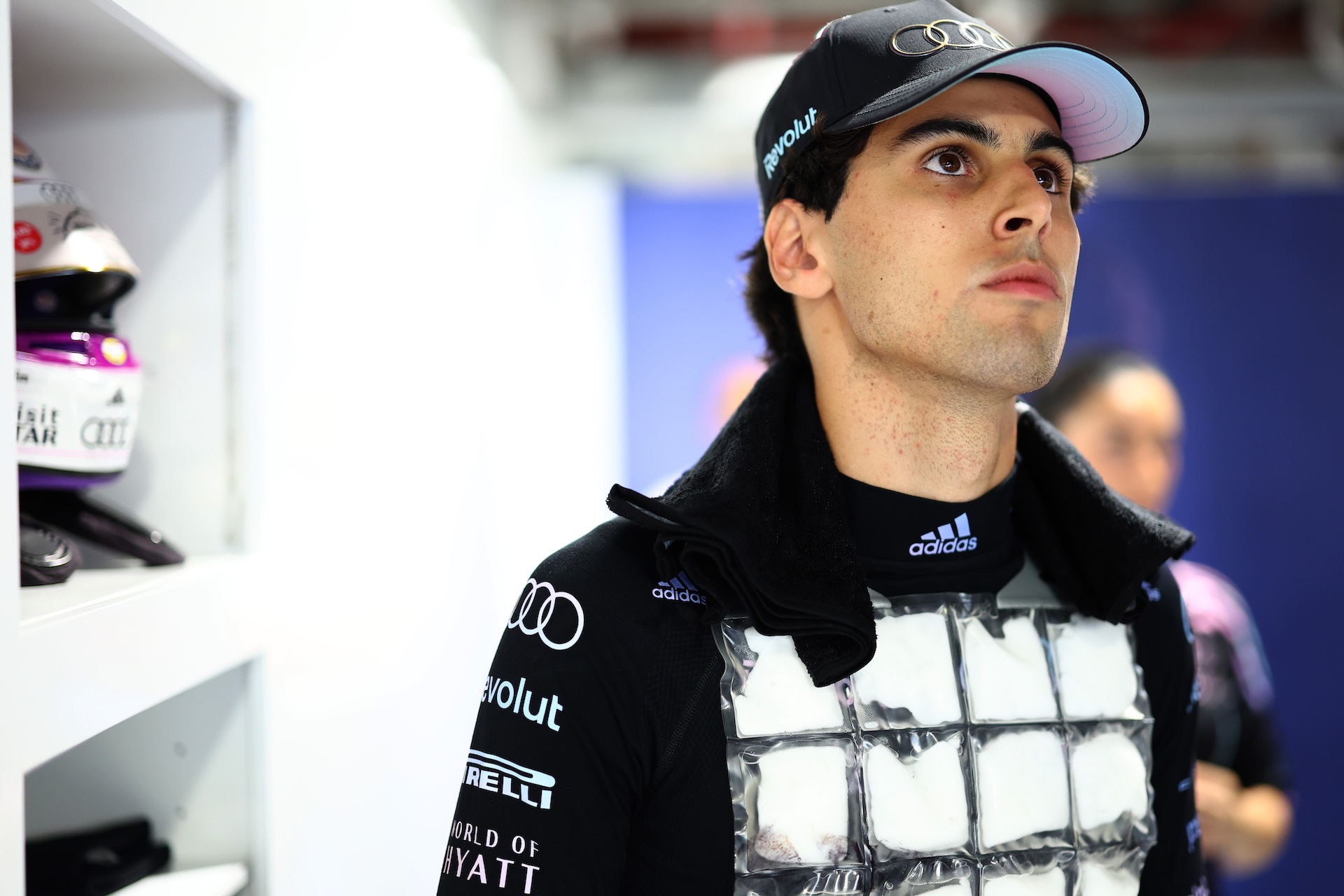
Twenty-one-year-old Bortoleto sits at the other end of the spectrum. The Brazilian is only in his second season in F1, yet has wowed at every step of his career, earning the blessing (and support) of Alonso as he worked his way through the ranks, and later on even Max Verstappen when he ventured into online racing. His dedication and methodical approach to tackling a racing weekend have been described as “second to none” by some of the best in the business, and it’s something Bortoleto himself credits to his father and upbringing. The quotes below were pulled from a sit-down interview I had with Bortoleto in Montreal, which will be published in its entirety in the upcoming weeks.
“I’m a big believer,” Bortoleto told The Drive when asked if there was a time on his way to F1 when he thought his dream had reached the end. “I’m realistic, of course, but I’m a big believer of me. There was never this moment.
“If you’re willing to sacrifice everything in life to be a world champion one day, then nothing is going to stop you. If you are not passionate or dedicated enough to go through the bad moments, then you don’t deserve to achieve greatness,” he added.
“My brother sacrificed and stopped racing because of me, so my father always wanted to see me work hard. If I was lazy, he would give me shit for it, but I never gave him much opportunity to do that.”
-gabriel bortoleto
Rightly so, McNish told me he has full confidence in his lineup and admitted that he doesn’t have to intervene much to keep them focused. He joked that, at most, he just has to keep them from partying too much—which Bortoleto quickly dismissed with a laugh.
“There’s a little bit of guidance at times,” said McNish. “Nico’s been through it, done it all, he knows what he’s doing. Gabi is very early in his career and has huge potential—top-drawer potential—so it’s about bringing it all together with some guidance. I have seen the good of motorsport, the bad of motorsport, and I’ve seen everything in between. Sometimes a [track] session isn’t ideal, but it’s not the end of the weekend. So you’ve got to get it and move on to the next part, and drivers tend to be very good at moving on.”
R26 and Regulations
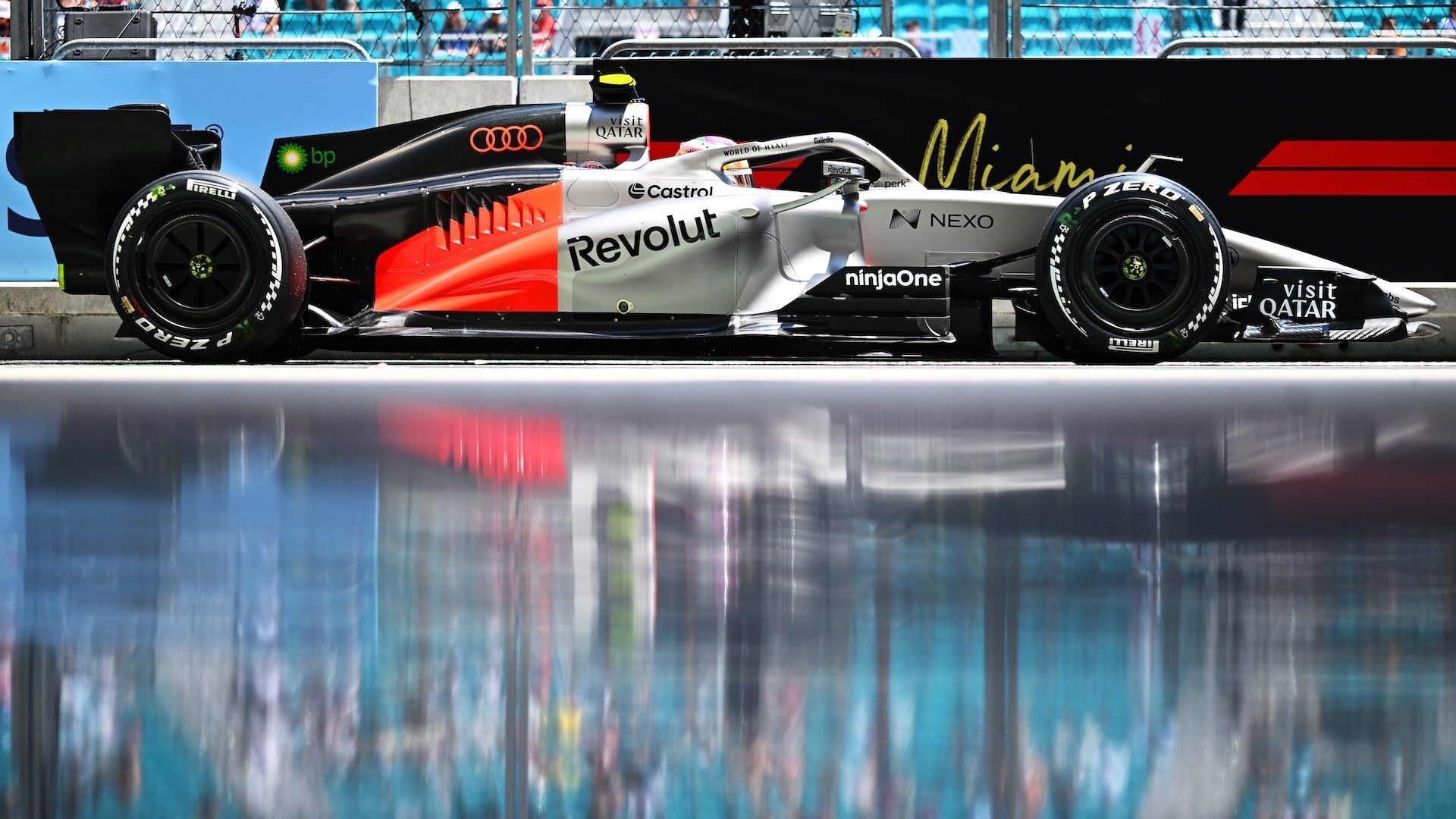
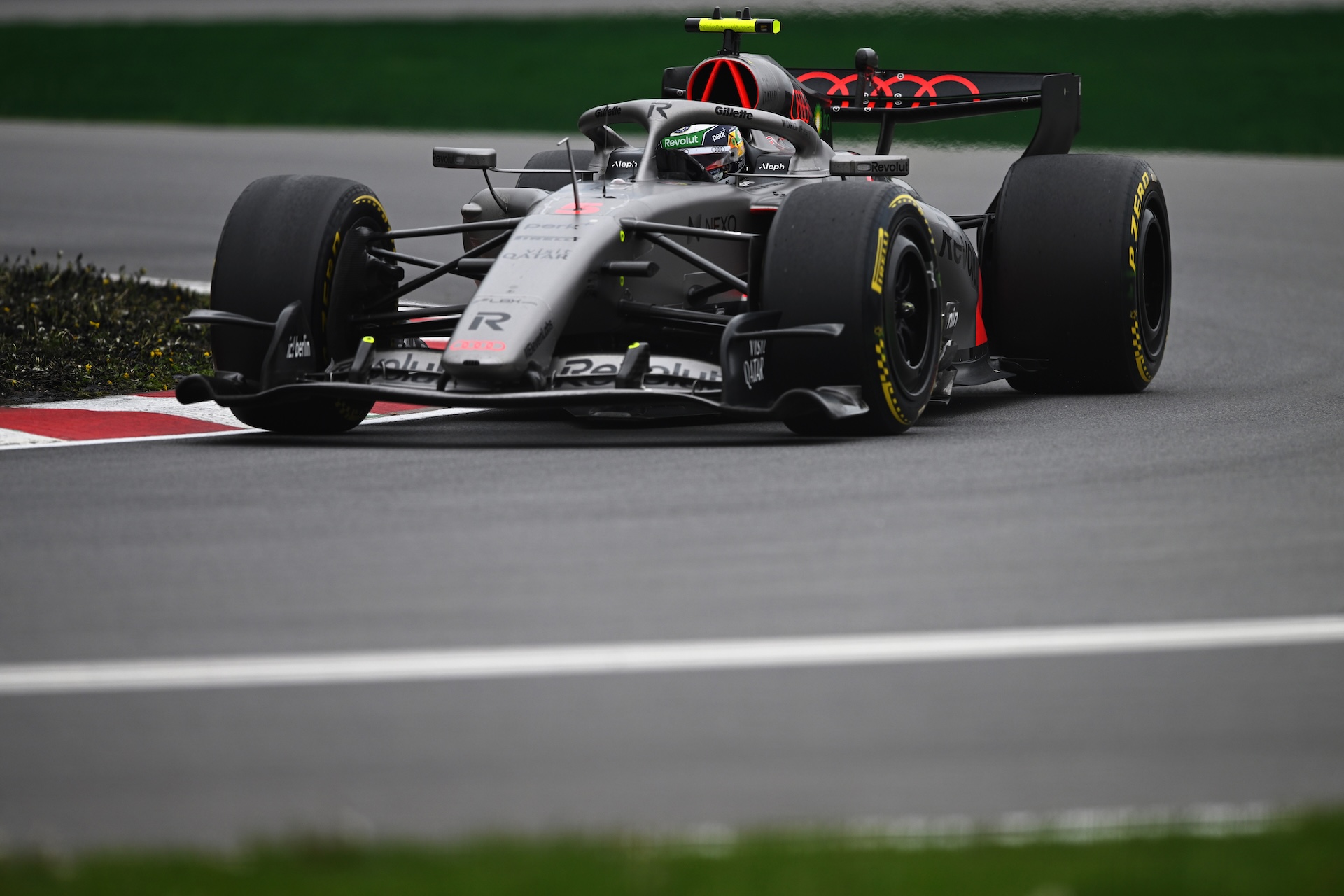
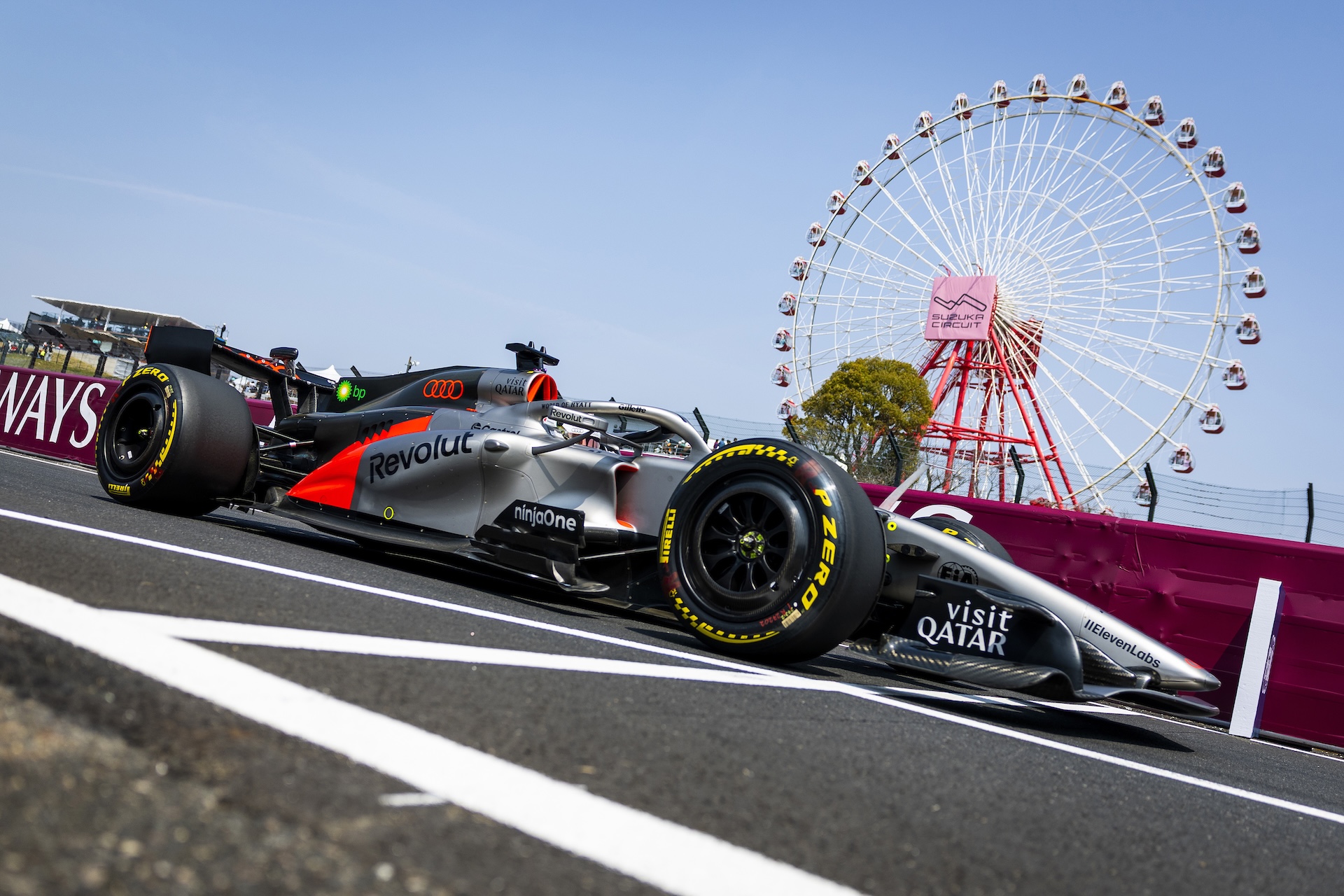
I first laid eyes on the Audi R26 F1 car in Munich, roughly four months before the team’s maiden race. To me, it’s the best-looking car on the grid, sans a couple of one-off liveries from other teams. That said, the yellow-themed Nuvolari livery from Monaco arguably tops them all.
Unfortunately, you don’t win races based on looks. The car has to perform.
It’s evident that the R26 can perform, and perform well, which is truly amazing given that this is the first F1 power unit Audi’s ever developed. This isn’t the hybrid motor in the back of an endurance prototype or a diesel engine designed to run 24 hours nonstop. This is arguably the most complex engine for a four-wheeled vehicle in the world. Despite its reliability woes and the many regulatory hoops the team’s had to hop through since development began, it’s given the team a solid foundation to build upon.
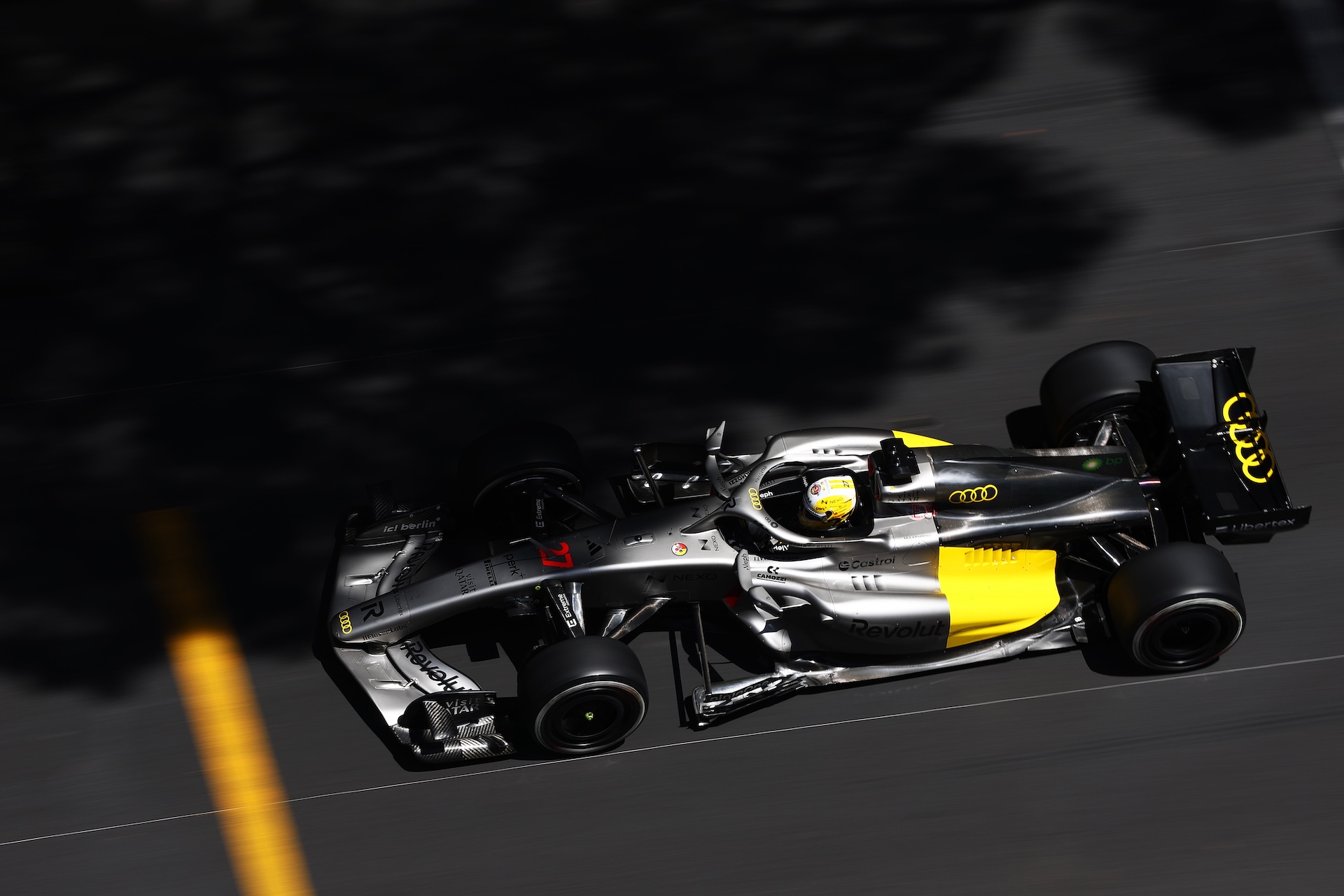
“You can never be conservative. This is motorsport. We push the boundaries. We’re pushing the limits,” McNish told The Drive. “On the other side of it, this is our first season, and with such a change of the regulations, you wouldn’t want to go all-out aggressive on day one. The important thing is how we develop and evolve as a team and as a technical package throughout the season, and how that leads into 2027, ’28, and ’29. Because remember, we’re only on race four [in Miami], but we’re actually looking at where we need to be in 2029, 2030.”
Moreover, the R26 has shown promising pace across a variety of circuits. From the long straights of China to the sweeping corners of Japan and the tight streets of Monaco, Audi’s titanium arrow has proved to be a versatile race car. And while it was the budget cap and 2026 rule set that lured Audi into the sport, the implementation of those rules and the tweaks ahead of Miami (and likely more to come) have also become yet another challenge to keep up with while managing growing pains.
“It’s our debut year, and we have racing experience, but there are a lot of things that are very specific to the Formula 1 power unit, particularly the internal combustion engine,” said McNish. “On the electric side of it, we know very, very well, so we’re developing in the [combustion] area. Also, don’t forget that part of this year’s regulations is fully sustainable fuels, and that’s a massive change. Our partner BP is extremely good at that, but again, it’s developing fuel and the power unit together; you don’t just throw it all in. It’s all part of the learning process, which is why you see some teams that were quick last year aren’t this year.”
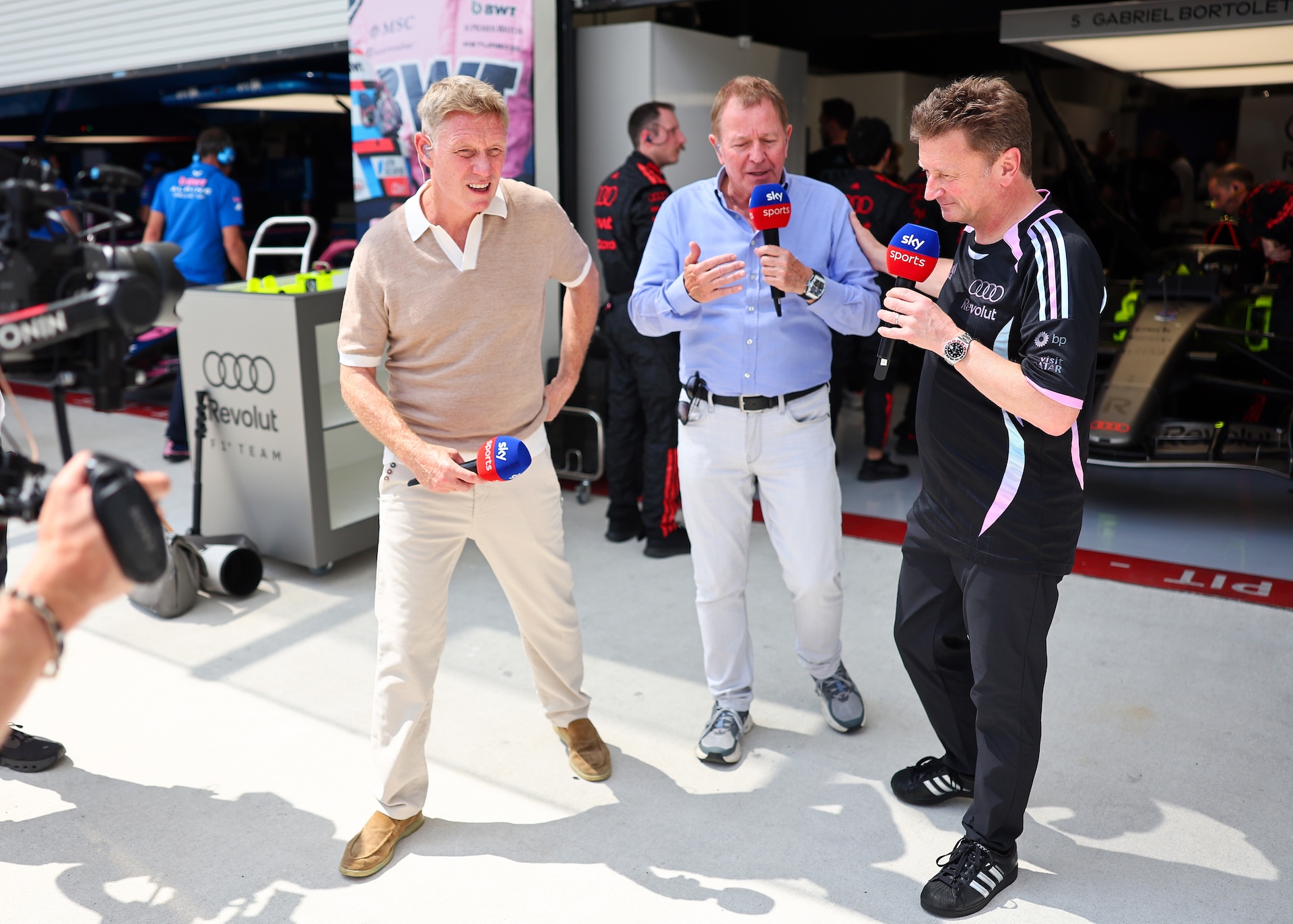
McNish explained after Miami that the regulation tweaks that went into effect for that GP were “supported” by Audi, but “came late.” The team tested the amendments to the hybrid deployment, harvesting rates, and other systems on the dyno ahead of the race, but they weren’t sure how these would apply in the real world until they hit the track.
Montreal was a real breakthrough for the team in terms of reliability, though lap times around Circuit Gilles Villeneuve weren’t quite as competitive as they’d hoped. Still, both cars finished the sprint and were fighting to break into Q3, as they have done multiple times over the season. Likewise, Hulkenberg scored a 12th-place finish Sunday, which was one position down from the unlucky 11th that he’s secured all season long. He’s come in 11th or 12th in China, Japan, and Canada.
“This is our first season. Ferrari has been doing this since god was a boy. We’ve been in other motorsport, and you’re aware of our success, but this is another chapter. We haven’t had the experience to know all the boundaries to push.”
-ALlAN MCNISH
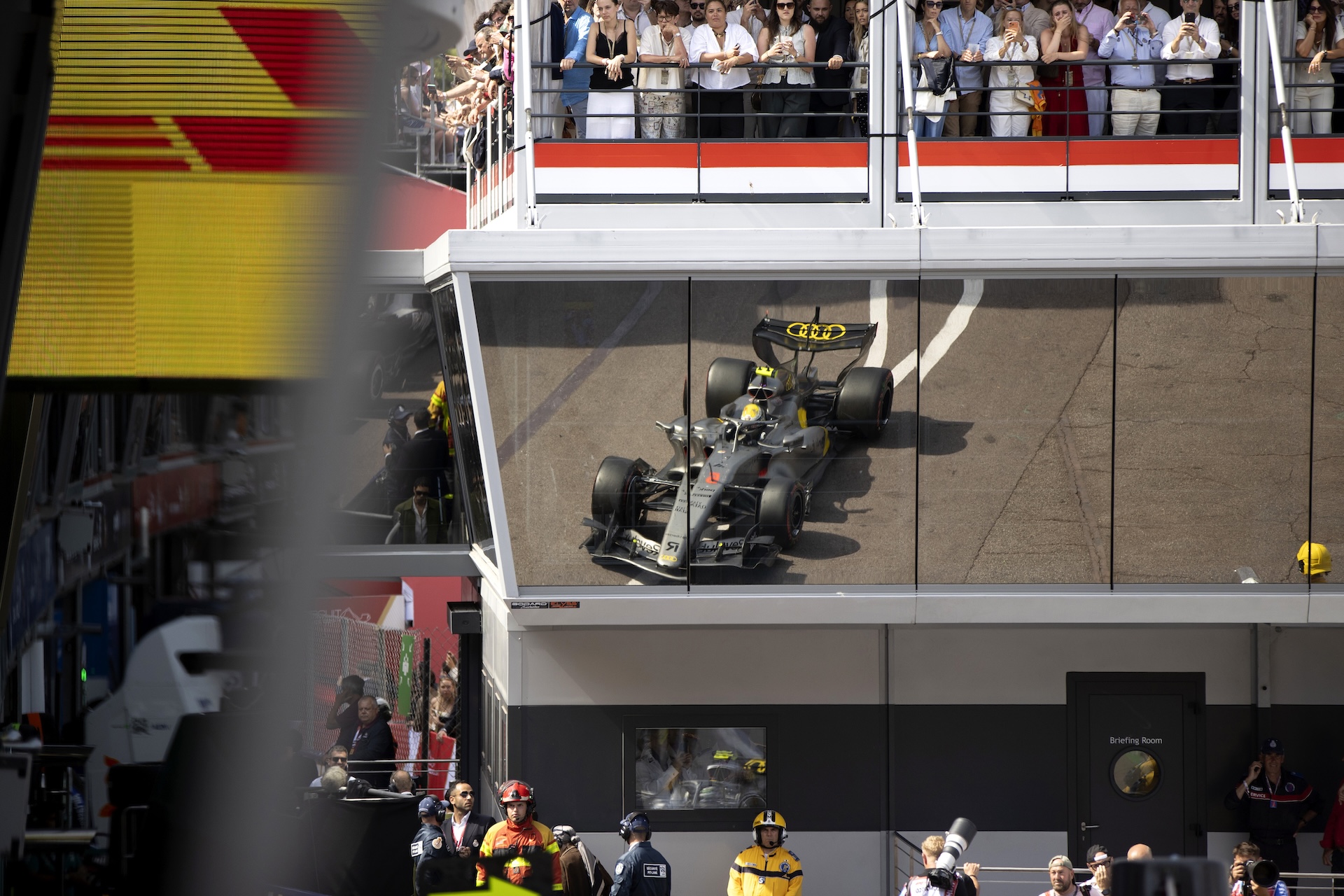
In Monaco, Hulk finished 10th after the Great Reshuffle due to pit-lane-speeding penalties for other drivers, but was later demoted to 13th after being given a time penalty for causing a collision. Bortoleto, who had originally qualified 16th on the grid, was forced to start from the pit lane after his car randomly shut off ahead of lining up on the grid. Still, he pulled off a heroic recovery and finished 12th. A chaotic weekend for sure, but having both cars on the cusp of points-paying positions showed that the team was moving in the right direction.
As a final point in my chat with McNish, we discussed the optics of the 2026 regulations, mostly on how fans have received them so far. He did not mince words.
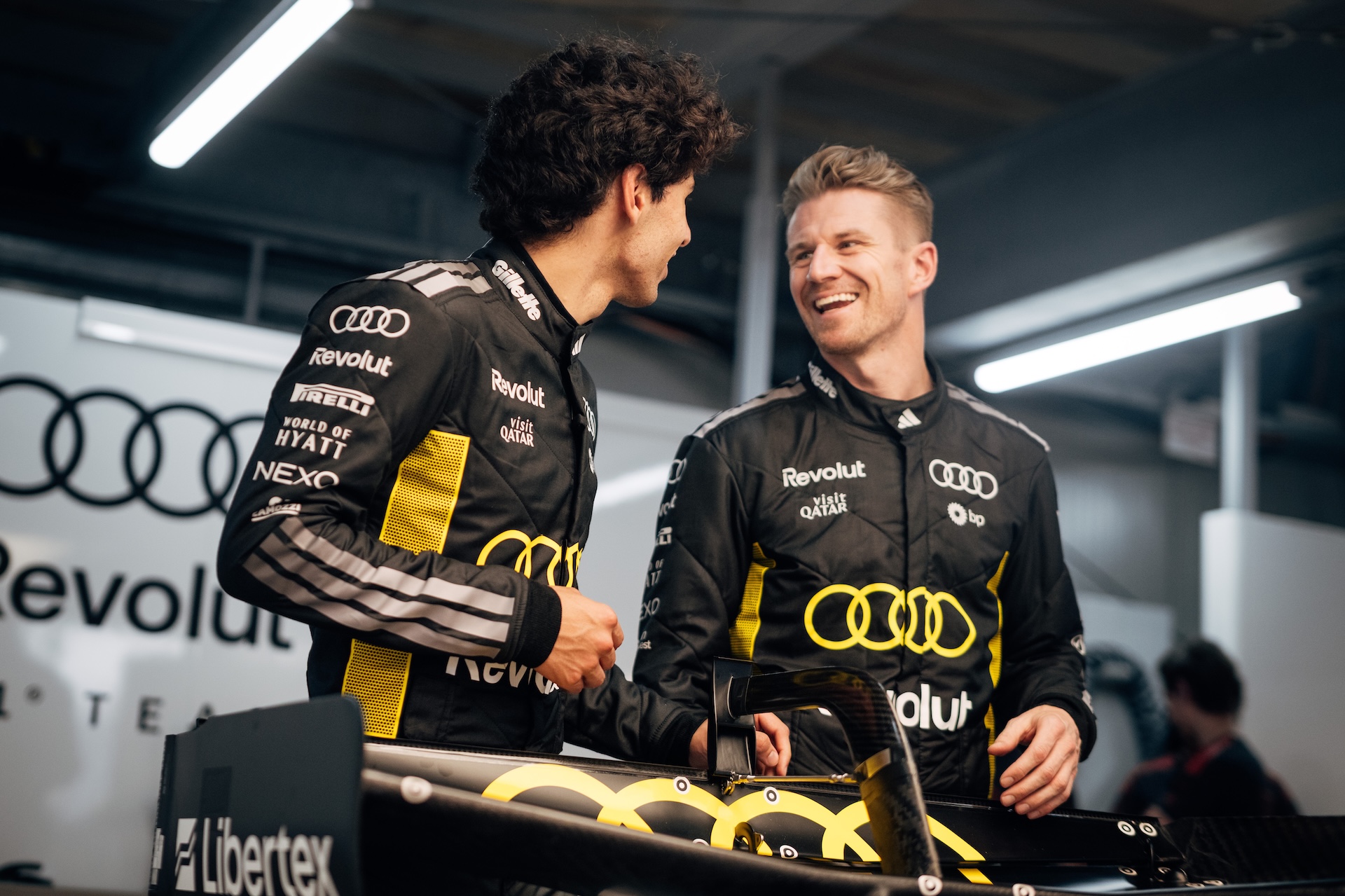
“Racing has always evolved and changed, and so has the technology,” he said. “Now cars have paddle shifters, but when I had my first F1 test, it was an H-pattern, eight-speed gearbox with a foot clutch. When paddle shifters came in, people complained about it not being racing, and the driver not being in control with the new gearbox. We’ve heard all of these things various times throughout the years.”
Six Down, 22 To Go
As of Monaco, Audi sits third from the bottom in the Constructors’ World Championship with just two points—both courtesy of Bortoleto. Aston Martin has one, and Cadillac has zero.
Yet, this ninth place is hardly a fair reflection of the progress the team has made in just six races, and also how, if it hadn’t been for issues they’ve encountered in almost every race so far, Audi would very likely be sandwiched somewhere between Williams and Haas with another 10 points to its name. This is far from a fantasy—it’s a reality given the solid pace of the cars on a trouble-free day.
Unfortunately, just saying “what if,” “what should be,” or “hoping” for trouble-free days won’t fix a damn thing, and Audi knows that. This is a brand that’s won the 24 Hours of Le Mans 13 times in the top category, and many other times in the various GT classes. From rally to sports cars, Audi has dominated in every racing discipline it’s entered. It’s in F1 not just to compete but to win, with the ultimate goal being winning a world championship by 2030, as highlighted in the team’s original “Mission 2030” timeline.
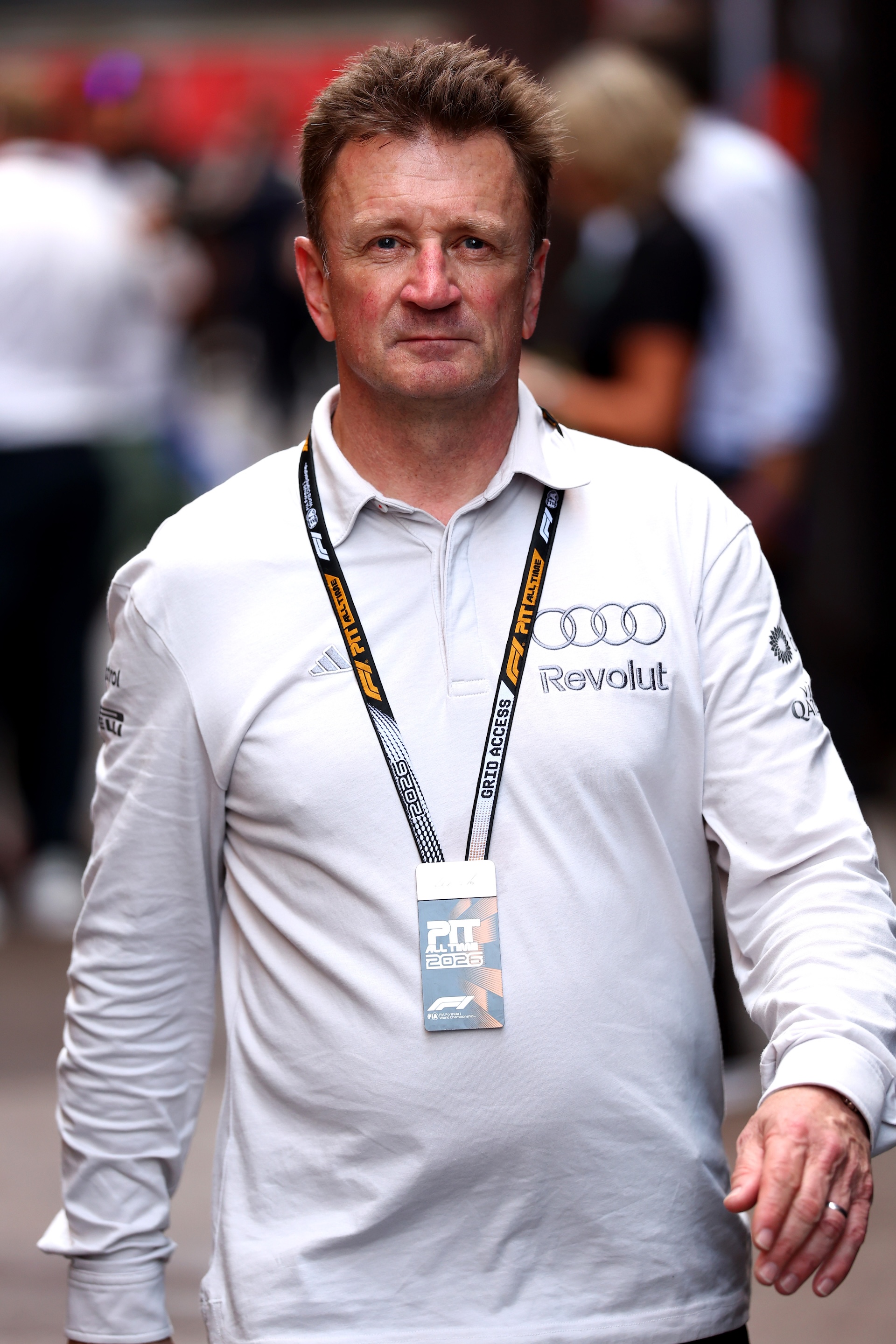
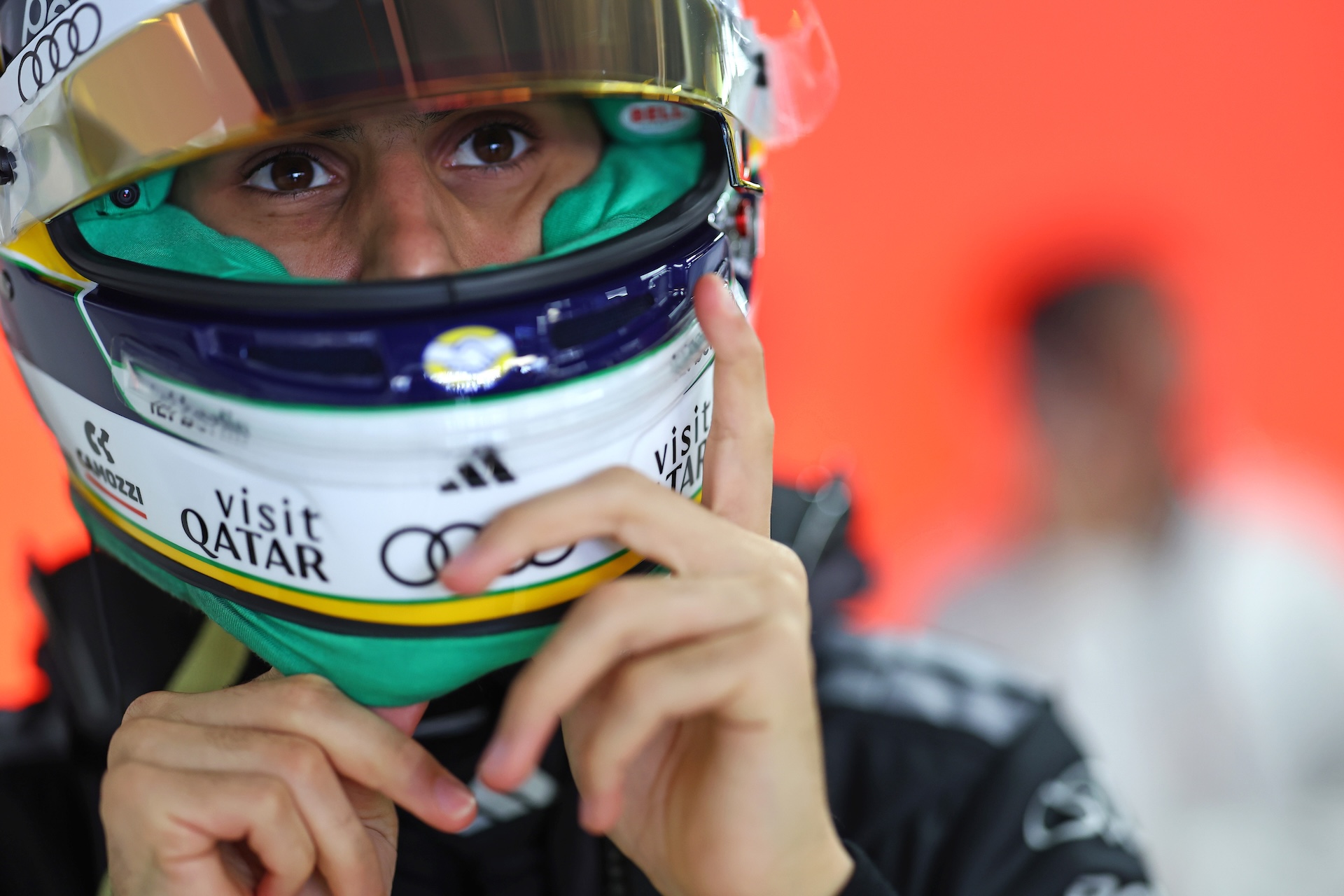
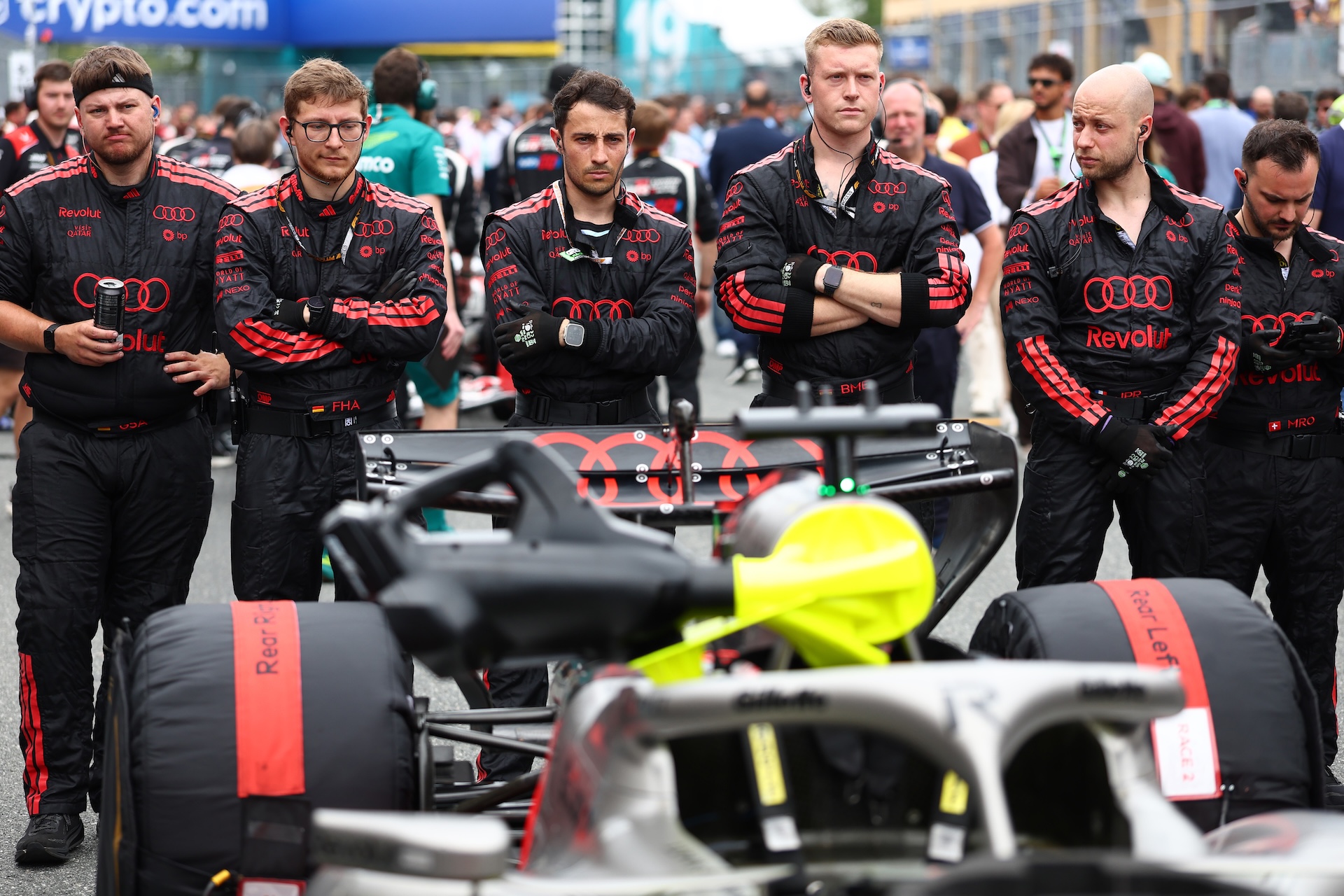
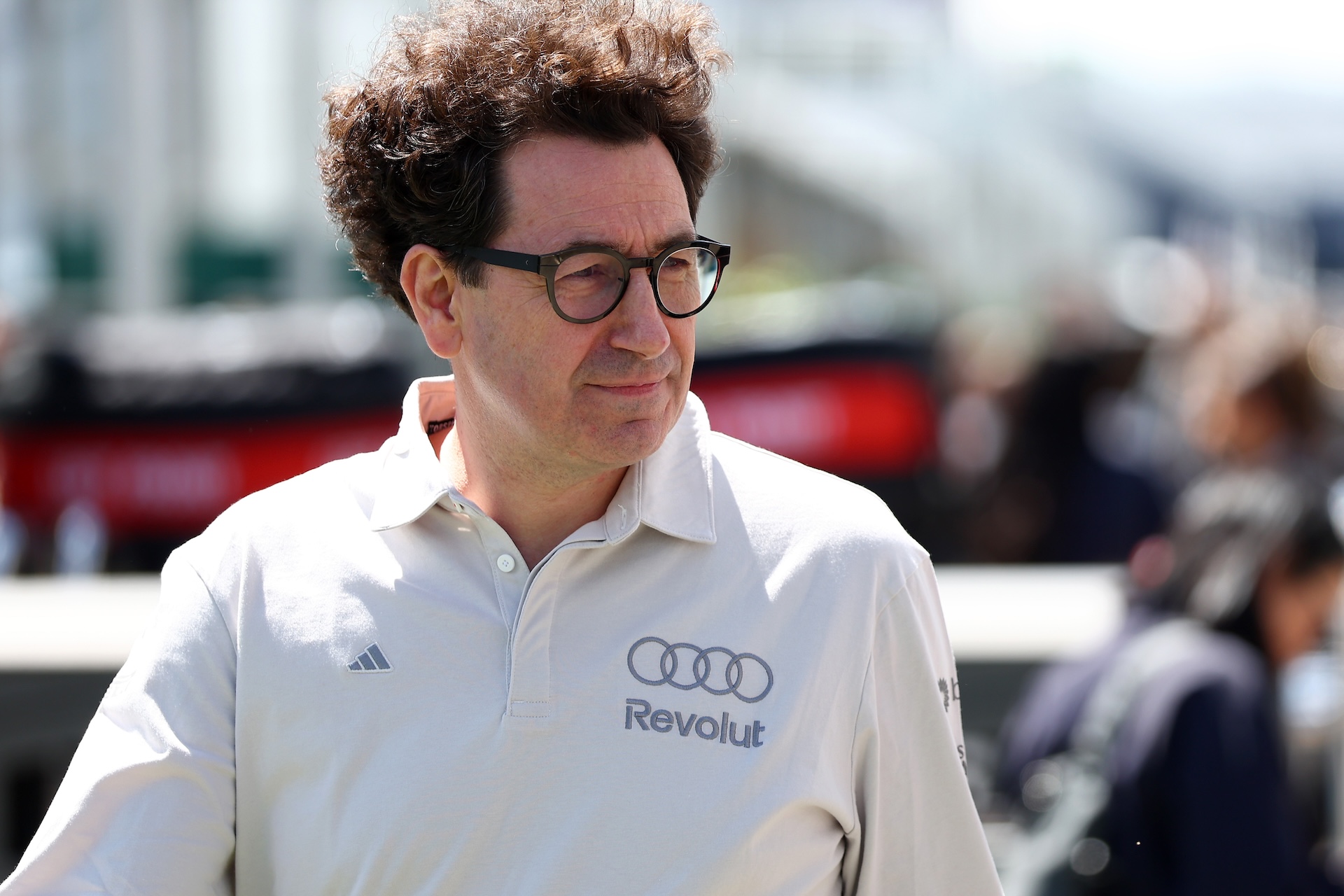
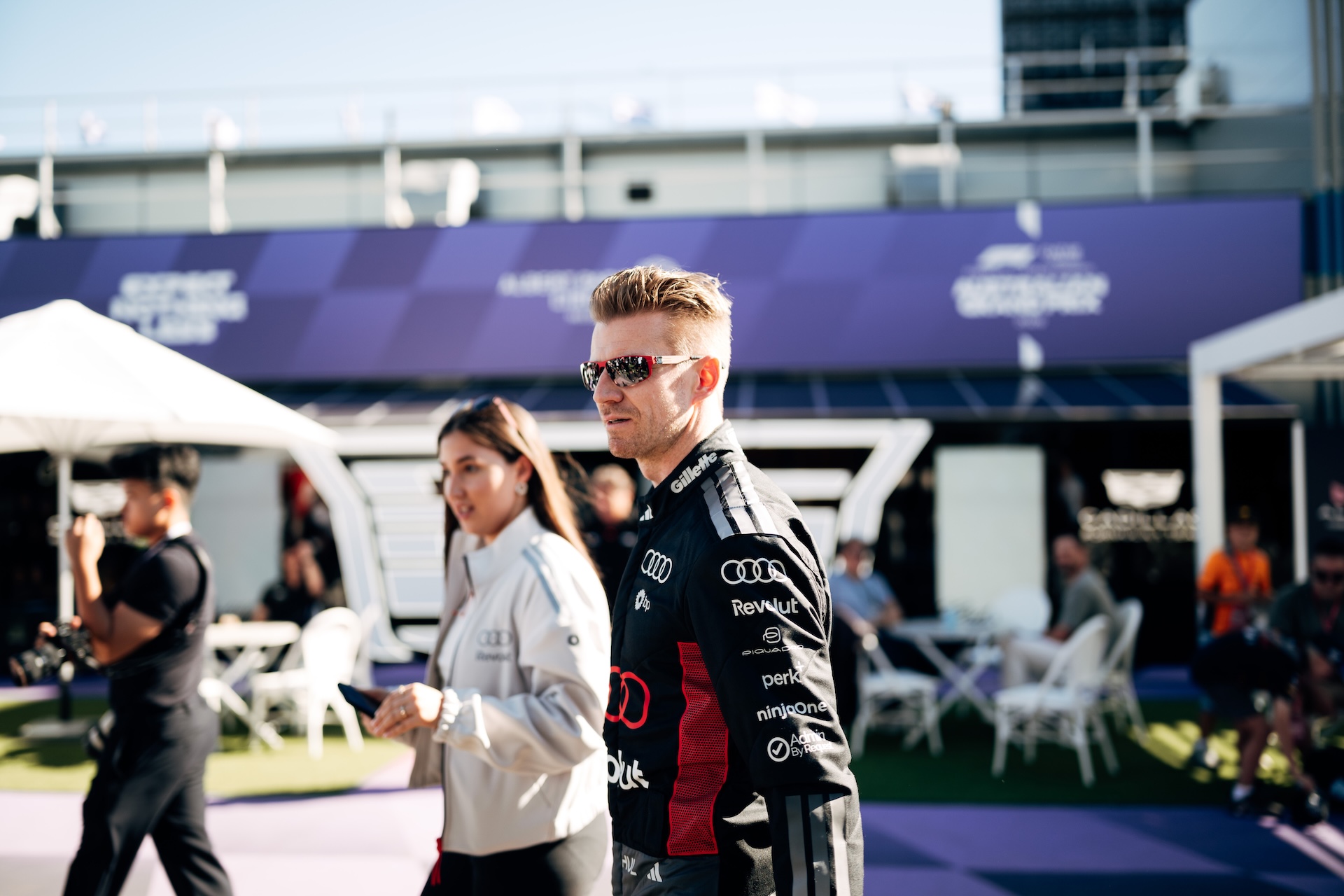
“Foundational Chaos” is the phrase that comes to mind when I try to sum up Audi’s stint in F1 so far. Not because the team is founded on chaos—no, quite the opposite. It’s the chaos itself that’s helping build a strong foundation to build upon. A forged-by-pressure, baptism-by-fire kinda thing.
In Binotto, McNish, Hulkenberg, Bortoleto, F1 Academy’s Emma Felbermayr, and all the hard-working Audi team members I’ve had the incredible opportunity to interact with since last year and across multiple races this season—from the helpful staff who serve food and drinks in the team’s hospitality to the lovely comms team and even the engineer back in Neuburg who didn’t laugh at my joke—the passion for racing and drive to win is palpable. The dedication and hunger to solve problems in one of the world’s most complex technical environments are admirable.
The growing pains will never end; that’s just the nature of the sport. But the learning curve will eventually flatten. And while I don’t know if the team will win its first championship by 2030, I know that it will be winning races long before that.
“You have to give it time, and at the end of the year, we sit down and do a debrief,” concluded McNish. “Not everybody’s going to be happy. Winners are happy. People who are not winning aren’t happy, and we wanna be winners.”
Email the author at jerry@thedrive.com
Loading comments…
Comments couldn’t be loaded. Please refresh the page.