
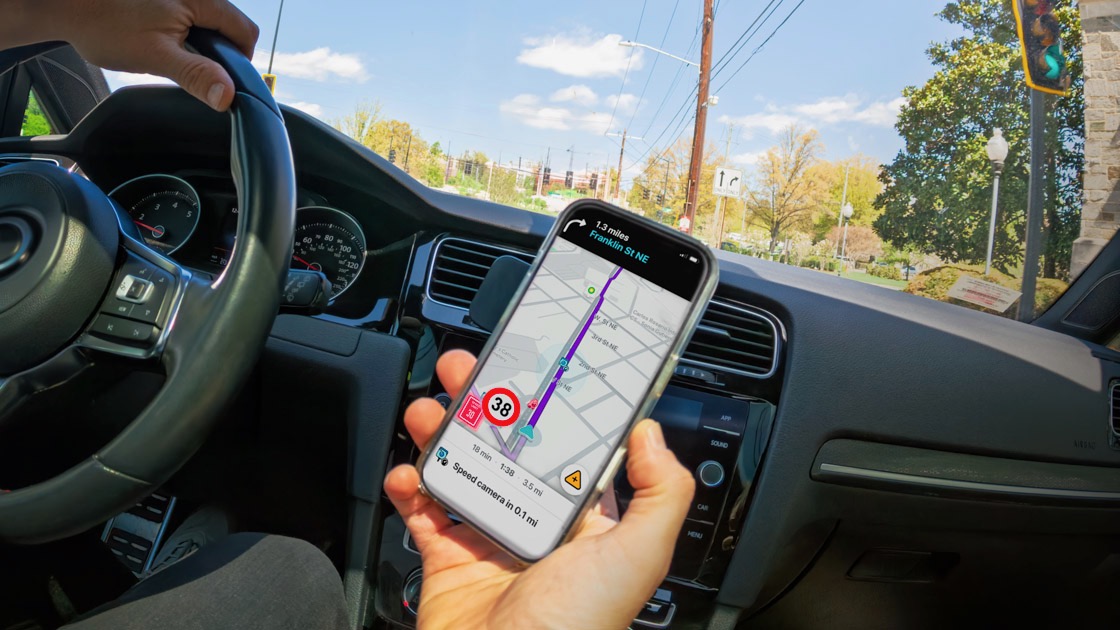
Speeding and phone use while driving are as dangerous as they are mundane. Even if drivers know the rules and the consequences, they’re still likely to engage in both and, according to a new study from the Insurance Institute for Highway Safety (IIHS), often at the same time.
“Until now, safety experts believed drivers used their cellphones most at slower speeds,” IIHS president David Harkey said in a press release introducing the study. “But data from insurance companies’ safe-driving apps show that, in free-flowing traffic, the opposite is true.”
Those insurance apps, which promise cost savings to drivers who opt in and exhibit what the insurer deems safe driving, provided “more nuanced information about driver behavior” than had been available previously, according to the IIHS, which itself is backed by the insurance industry. These apps use a phone’s sensors and GPS to note speed, hard acceleration and braking, and track location and time of day. Phone use was determined based on “significant rotation” registered by the phone’s gyroscope while the screen was unlocked, while speeding was determined by matching GPS data to a speed-limit database.
Researchers analyzed nearly 600,000 trips taken between July and October 2024 in all U.S. states except Alaska, California, Hawaii, and New York. Only trips lasting at least 18 minutes (with at least two minutes on an Interstate highway) were included. Because the focus was on behavior while in free-flowing traffic, periods of time spent driving 5 mph or more below the posted limit weren’t counted.
Using that dataset and methodology, researchers found that phone use rose by 12% for every 5 mph drivers went over the speed limit on limited-access highways. On other roads, phone use rose by a smaller amount—3%—for every 5 mph over the limit. That’s likely because drivers need to take action more often for traffic lights, intersections, and stop signs on these roads, the IIHS noted.
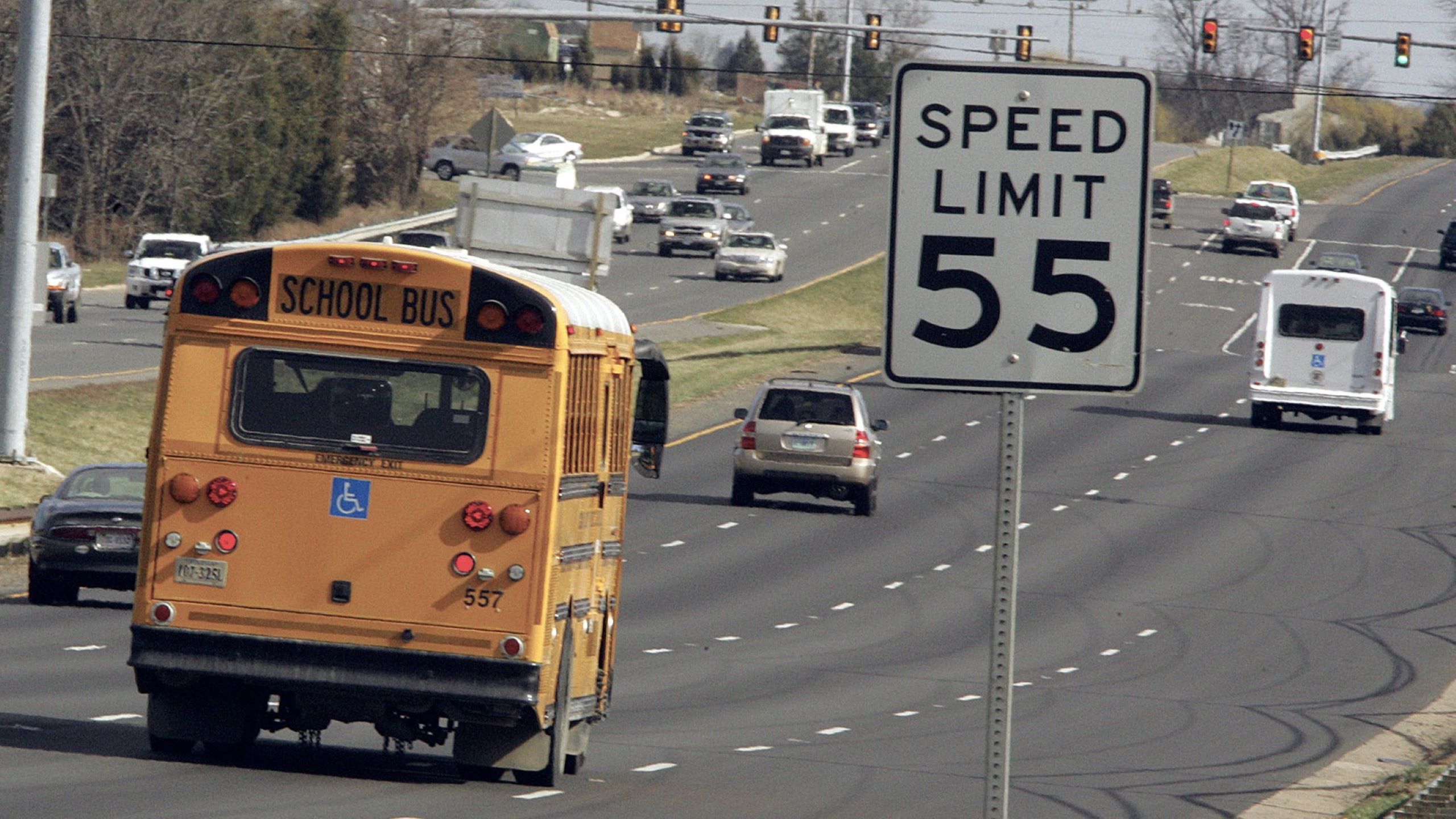
In the trips studied, drivers were also more likely to use their phones on roads with higher speed limits. On limited-access highways with a 70-mph limit, researchers saw a 9% larger increase in phone use per 5 mph over the limit than on similar roads with a 55-mph limit. On other roads, the observed increase in phone use was 3% larger (again, per 5 mph over the posted limit) on roads with a 45-50-mph limit than on roads with a posted limit between 25 and 30 mph, and 7% larger on roads with a 55-mph limit.
A few possible factors might be in play here, according to the IIHS. Drivers who take more risks might not discriminate when it comes to said risky behavior. Stress—which has been linked to both increased phone use and speeding in previous studies—might also be a factor. And drivers might also see lighter traffic and the simpler conditions (no pedestrians, no stoplights) on higher-speed, limited-access roads as an opportunity to reach for their phones. It’s also worth noting that, while many newer cars have smartphone integration like Apple CarPlay and Android Auto, but that doesn’t mean drivers are actually using them.
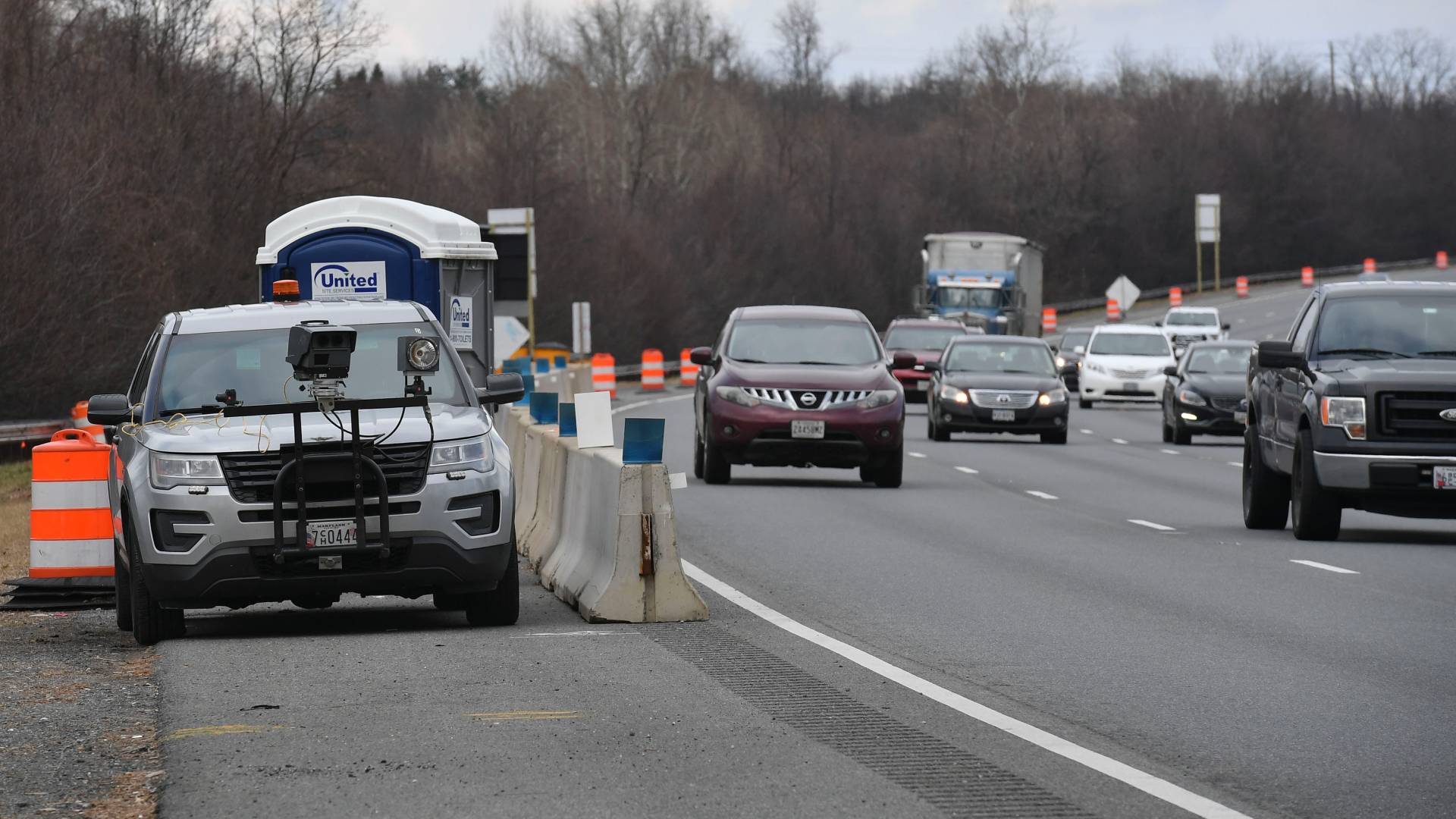
As for how to deal with the problem, the IIHS recommends pairing anti-speeding messaging with warnings about distracted driving to address the correlation between the two. But while speed cameras can be an effective (if controversial) solution to speeding, enforcing anti-phone rules gets even harder on highways, where it’s harder for cops to look into cars and spot phone use. And based on the very dataset used for this study, the insurance-industry apps meant to encourage safer driving with lower premiums don’t seem to work here.
Loading comments…
Comments couldn’t be loaded. Please refresh the page.