
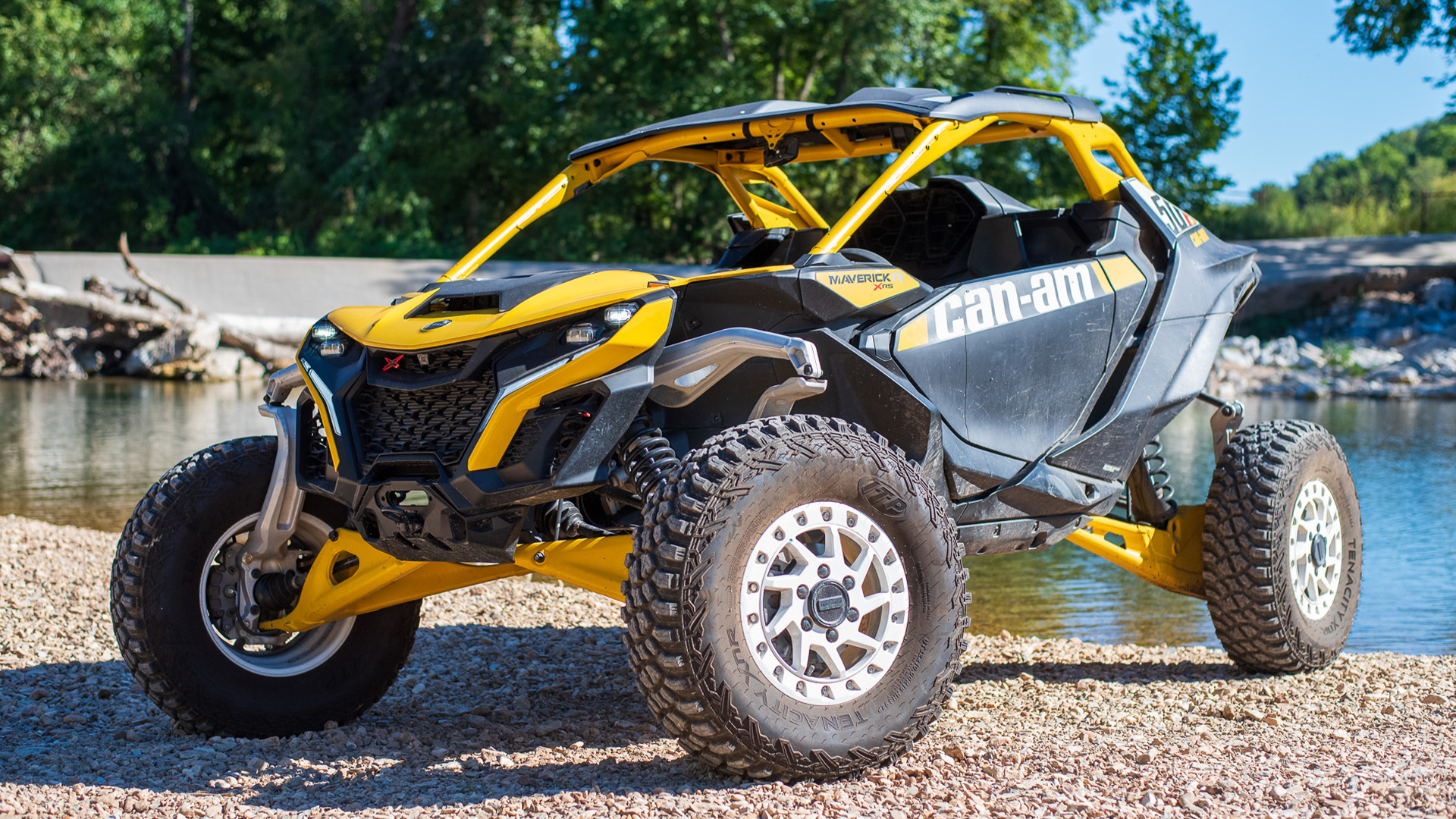
If you’re sick of trailering your UTV from place to place, you might want to move to the Southeast. South Carolina will soon allow side-by-sides on public roads, joining a bloc of neighboring states including Georgia, Kentucky, North Carolina, and Tennessee that have already made UTVs road legal.
Recently signed by Governor Henry McMaster and set to take effect November 22, Bill 222 explicitly legalizes driving UTVs on public roads, and sets up rules and regulations for owners to follow (hat tip to UTV Driver for spotting this). Those rules start with mandatory safety equipment for vehicles operating on public roads, including seat belts, headlights, turn signals, brake lights, and windshields (or approved eye protection to be worn by the driver and passengers).
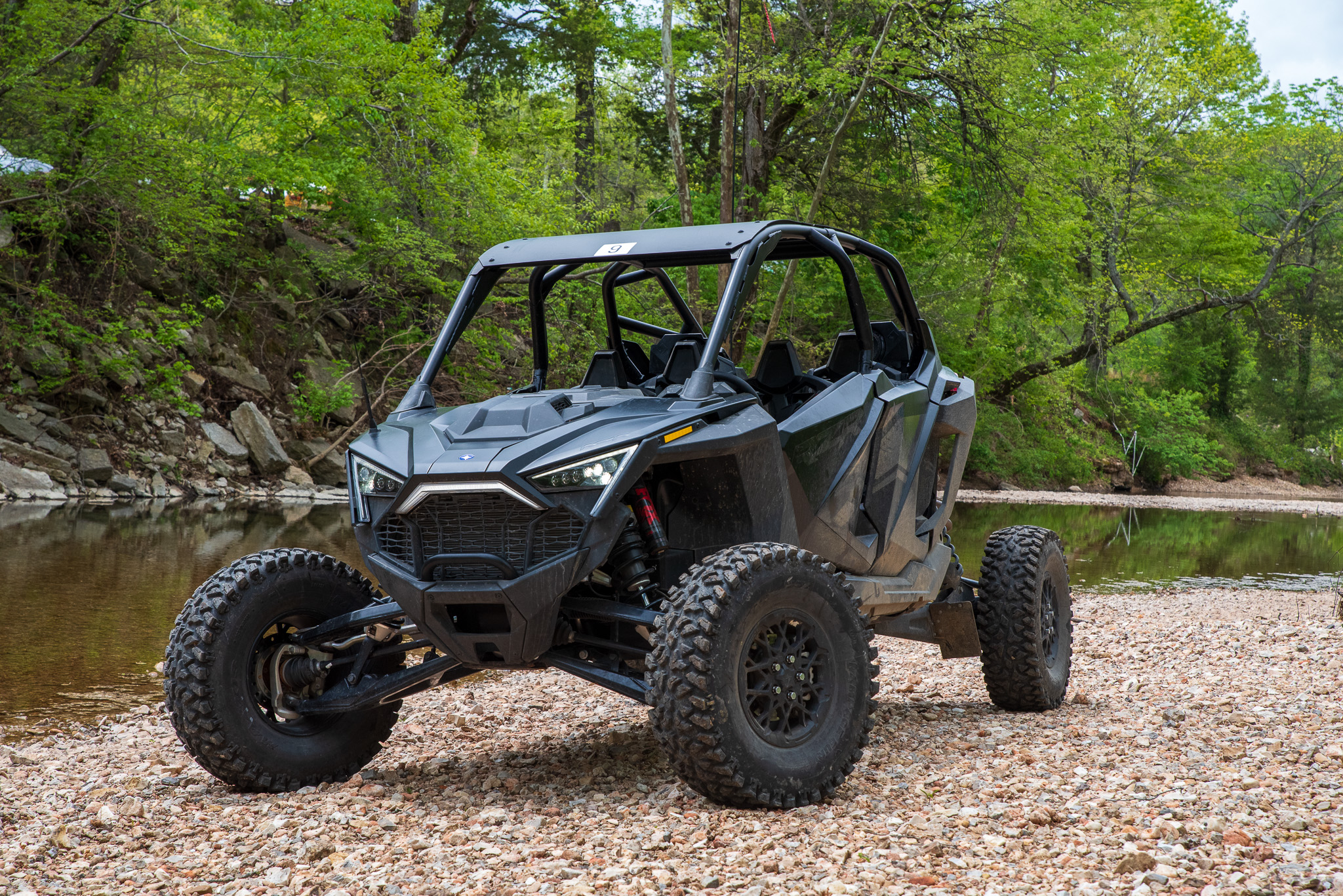
Drivers must also be at least 17 years old, with a valid driver’s license and insurance, and they must register any vehicles being driven on public roads in the state. UTVs also won’t be allowed on interstate highways, and will be limited to 55 mph on any public roads where they are legal to operate. Because in addition to state regulations, the law gives local governments the ability to set rules on where UTVs can be driven, as well as set speed limits, curfews, and noise restrictions.
The South Carolina law is similar to those in the Southern states listed above. All have made UTVs road legal with some restrictions, which is reasonable considering that rules for both drivers and vehicles also apply to passenger cars and anything else using public roads. To date, UTVs are also road legal in Arizona, Idaho, Michigan, Montana, North Dakota, Oklahoma, South Dakota, Utah, and Wyoming.
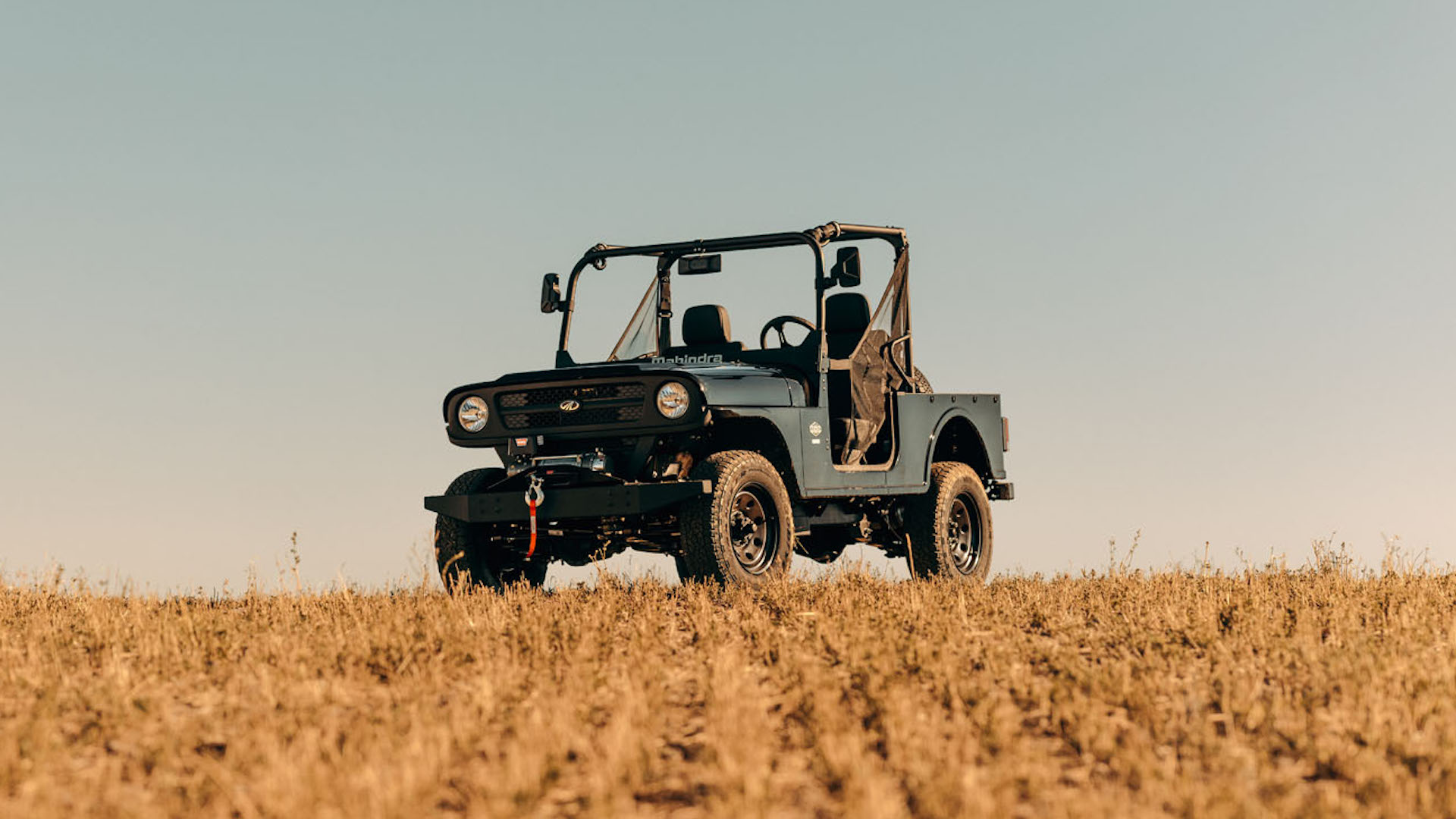
It’s easy to see the thinking here. Modern UTVs are getting close to cars in performance, space, and amenities. In another era, the Mahindra Roxor would have been considered a car. It’s descended from Jeep CJ models license-built in India (hence the protracted legal fight between Mahindra and Jeep) and it’s not even the most capable UTV available. And while we disagree with some automakers’ pitch of UTVs as the future of affordable fun “cars,” it’s clear that, in some localities, there’s a contingent of owners who want to use them as more than just farm tools or off-road toys.
That being said, UTVs are not engineered to the same safety and emissions standards as passenger cars. That can also be said of motorcycles, but it’s less likely that two-wheeled machines will be considered as an alternative to cars. And too many people choosing vehicles that are less safe and pollute more won’t be a good thing.
Loading comments…
Comments couldn’t be loaded. Please refresh the page.