
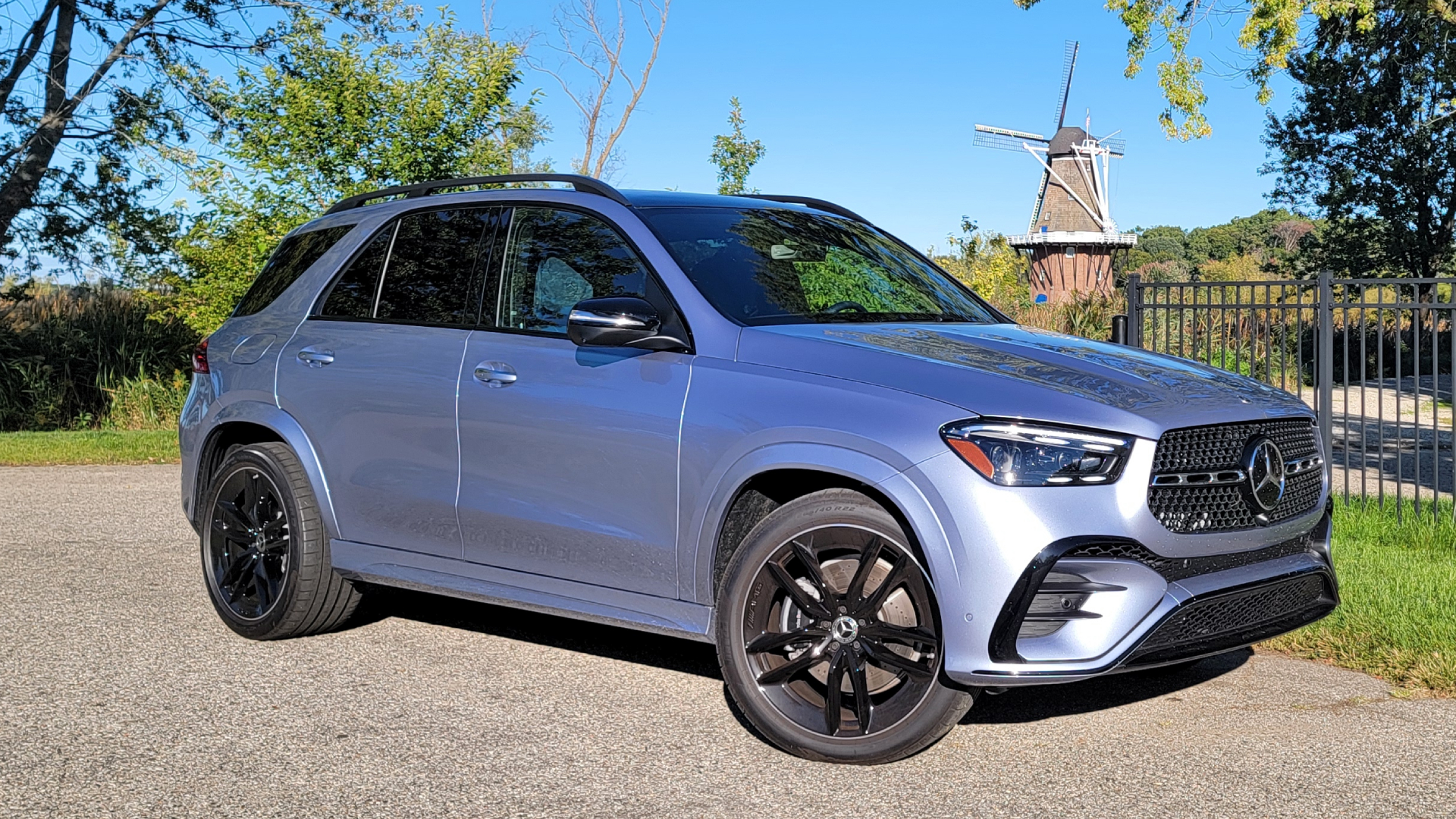
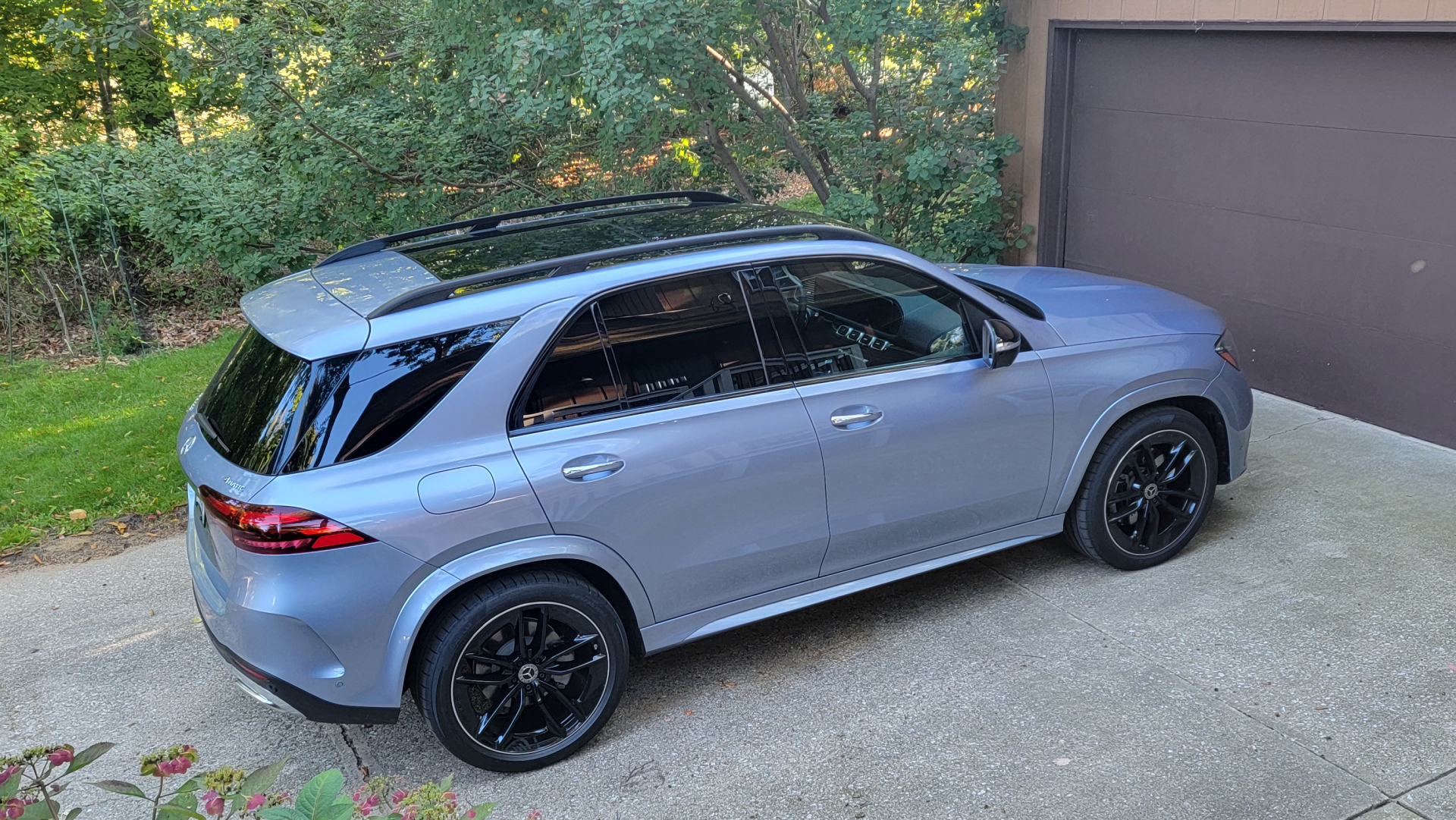
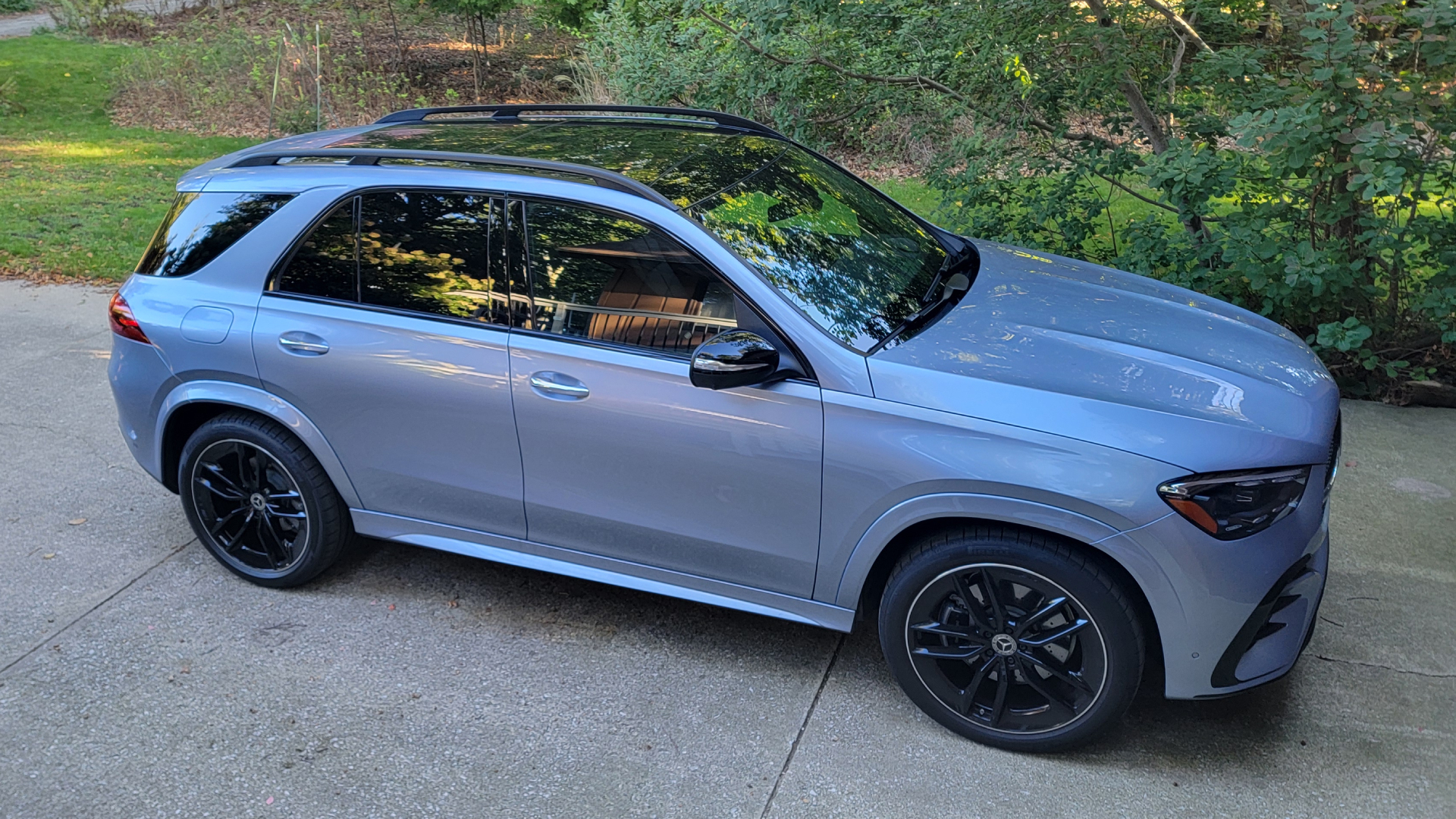
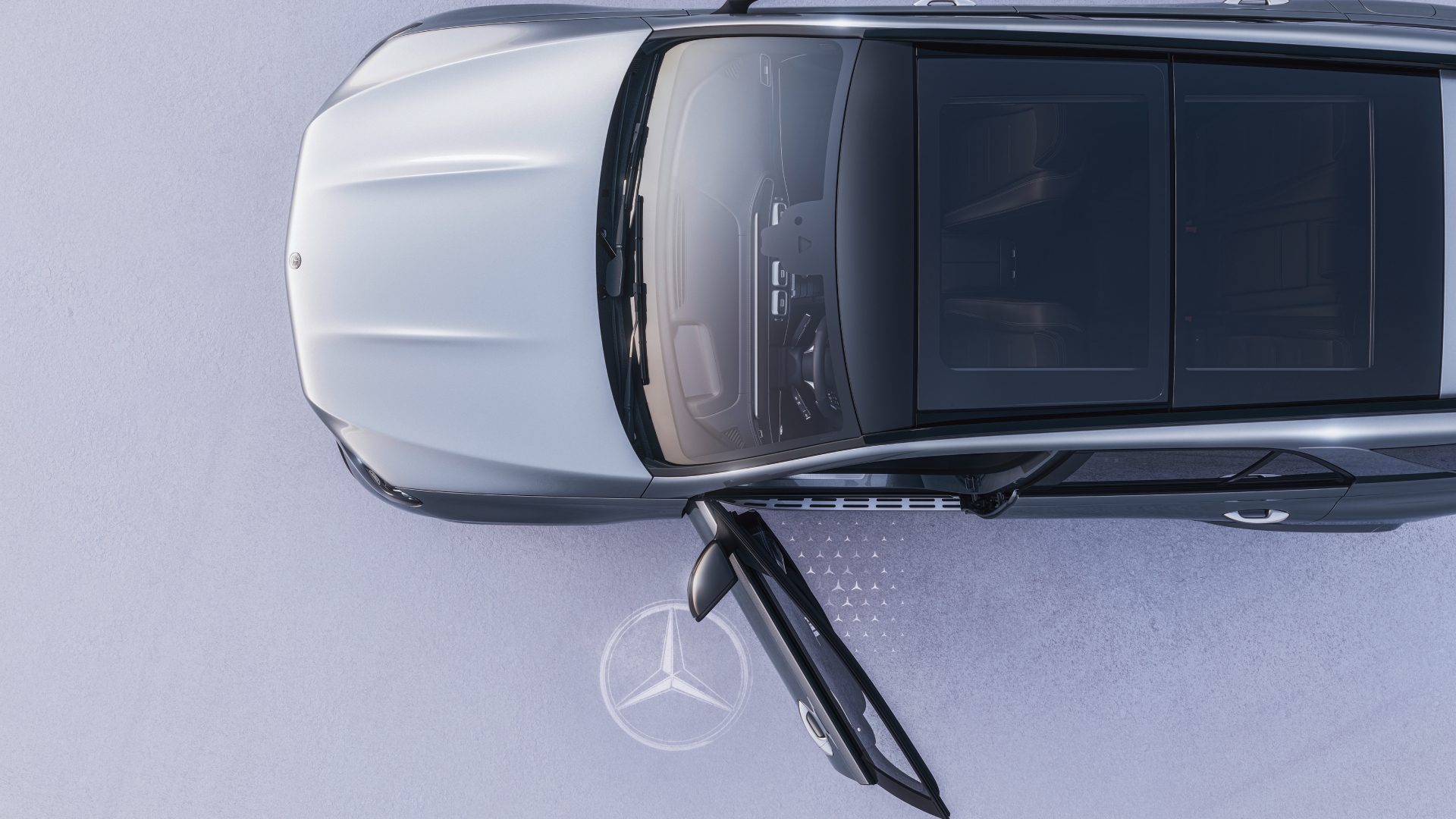
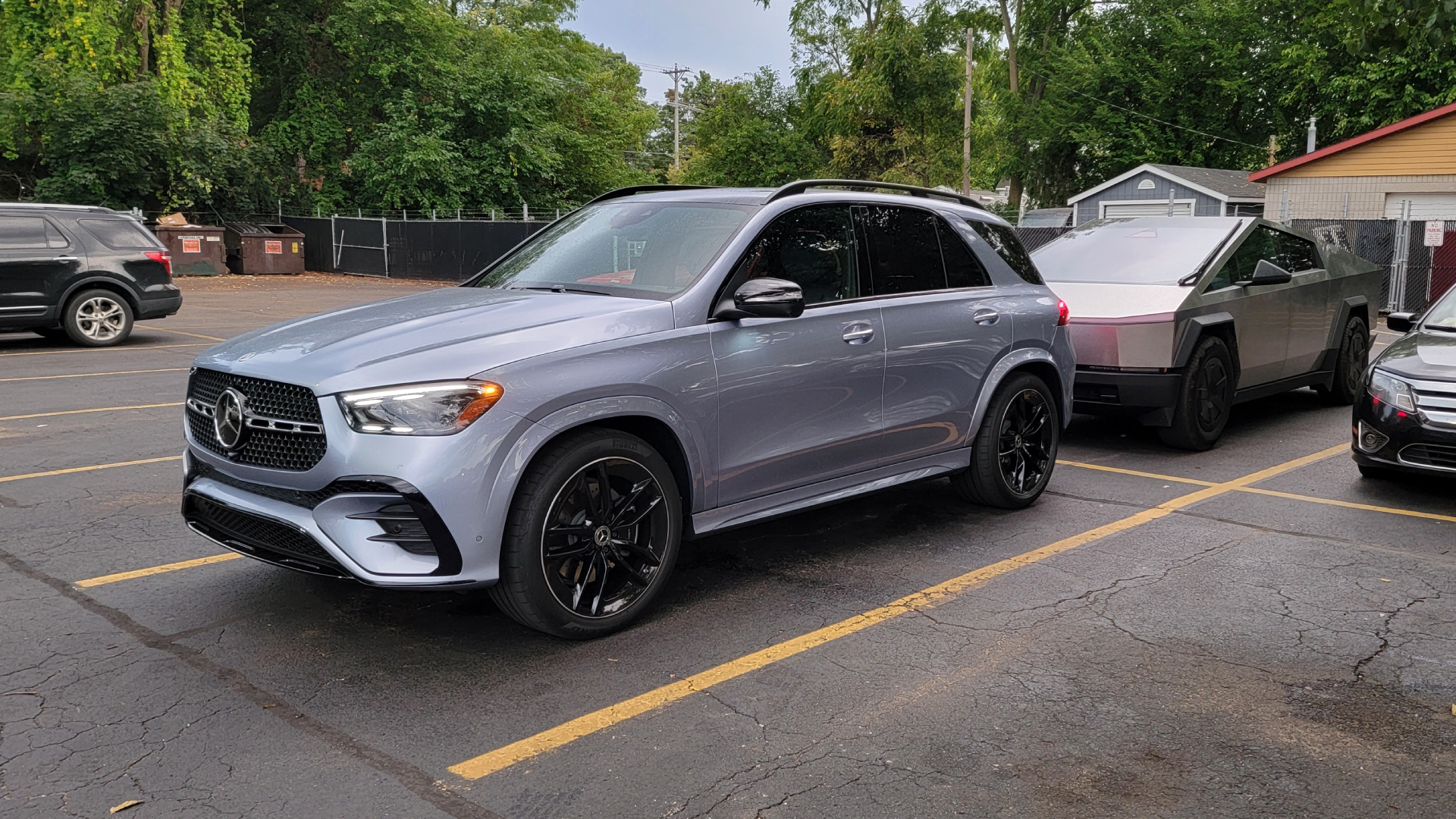
Earlier this fall, I lined up a family sightseeing trip as an excuse to get my folks out to see western Michigan. I had two Mercedes candidates to choose from for said trip: an E-Class wagon or a GLE SUV. My heart said longroof, but my head (contemplating the age and comfort of my baby-boomer passengers) said SUV. A 2026 Mercedes-Benz GLE580 it was.
My father—a former software engineer who was only recently peer-pressured into purchasing a smartphone—used to joke often that he’d choose his retirement home by tying a computer mouse to his truck’s antenna and driving until he encountered somebody who had no clue what it was. Perhaps partly out of rebelliousness, I went the other way, becoming a PC enthusiast and gadget aficionado.
Fortunately (primarily for Mercedes), my father would be spending most of this time in the rear seat, while I’d be stuck managing the GLE’s suite of high-tech tomfoolery. Long hours in close quarters can be hard on the best of people—and, for that matter, the best of machines. This mild-hybrid, luxuriously appointed, $122,000 SUV would be our rolling headquarters for the better part of a week, and I quickly took a shine to it.
Hybrid Highlight
The GLE580 isn’t a hybrid like a Toyota Prius, but a “mild” hybrid, along the lines of the Dodge/Ram “E-Torque” Hemi. The GLE’s 4.4-liter, twin-turbocharged V8 is responsible for 99% of the work involved in moving this luxury SUV down the road. But the other 1% makes a surprisingly outsized difference. That’s where the hybrid system comes in. This 48-volt setup has been around for a couple of model years now, and it bestows the GLE with two subtle tricks that pay big dividends in the driving experience. The secret? It’s torque.
I know what you’re probably thinking: Why on Earth would a V8 need any help in the torque department? Especially one fed by dual turbos. Well, for starters, it’s no insignificant bump—we’re talking about 184 pound-feet in the GLE580— but it’s not the amount that matters so much as when you get it. Turbochargers help engines produce gobs of low-end torque, sure, but even the best ICE engines can’t hold a candle to the responsiveness of an electric motor. The extra little shove of “free” torque from the hybrid helps fill out the GLE’s torque curve until the turbos take over, making it feel even more beastly off the line than its 510 horsepower and 538 lb-ft of torque suggest.
Because the hybrid starter-generator is integrated into GLE’s driveline, it can apply torque even when the engine itself cannot—in the middle of a gear shift, for example. This is its second, and I’d argue most noteworthy strength: Even while the nine-speed transmission hunts for gears, you have a Subaru Impreza’s worth of torque on tap. With one fell swoop, this setup effectively eliminates shift lag as a concept. That may not sound like much, but after spending two weeks crisscrossing the state of Michigan—first in the GLE and then in a Nissan Armada—my appreciation for this simple feature grew a hundredfold.

Punch it!
The Grand Rapids area is home to many beautiful sightseeing spots, but it’s also home to a whole lot of people who either learned to drive in a cornfield (or simply didn’t learn at all). That’s the beauty of Michigan: there’s no way to get anywhere except by car, so it’s both comically easy to maintain a license and too much of a burden to rescind one punitively. The solution? No-fault Insurance. The way I see it, it means nobody cares, and nobody’s accountable. And did I mention it’s also brutally expensive?
The resulting plethora of full-size trucks and SUVs serving as little more than rolling roadblocks would leave a driver from the Mercedes homeland stunned. Still, this autobahn-bred monster eats up passing opportunities like breakfast sausages. My time with the Armada, a week later, really drove this whole thing home. I was on the same roads, surrounded by the same people. And sure, the Armada’s down a bit on power compared to the Mercedes, but it offers more than enough passing grunt to get out of its own way. It wasn’t about whether it could do the job, but how it went about it.
No matter how many times another driver checks up or feints at a lane-change, if you reach for the GLE’s accelerator, you get throttle, period. The Nissan could get caught between gears—or even in the middle of shifting the wrong direction—simply because I got faked out by surrounding traffic. In the Benz, there’s never a flat-footed moment, never an opportunity missed. It’s just always ready, at your command…. waiting patiently for that guy in the left lane to complete his “pass” at nine under the limit. Again.
Capacitive Kerfuffle
All the time spent waiting for those passing windows to open up allowed me to dwell on the one thing about the GLE that drove me absolutely bonkers: the wheel controls.
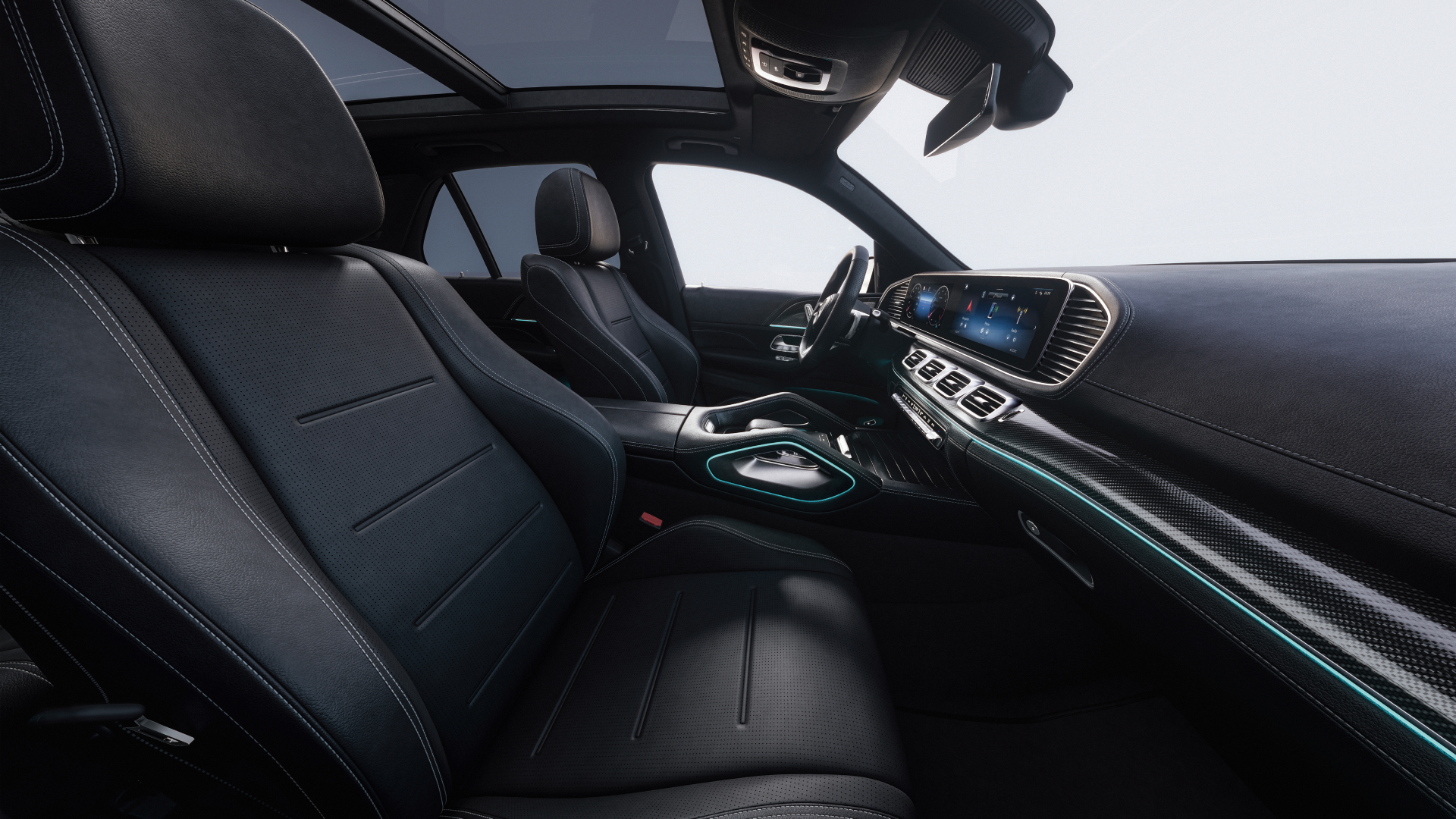
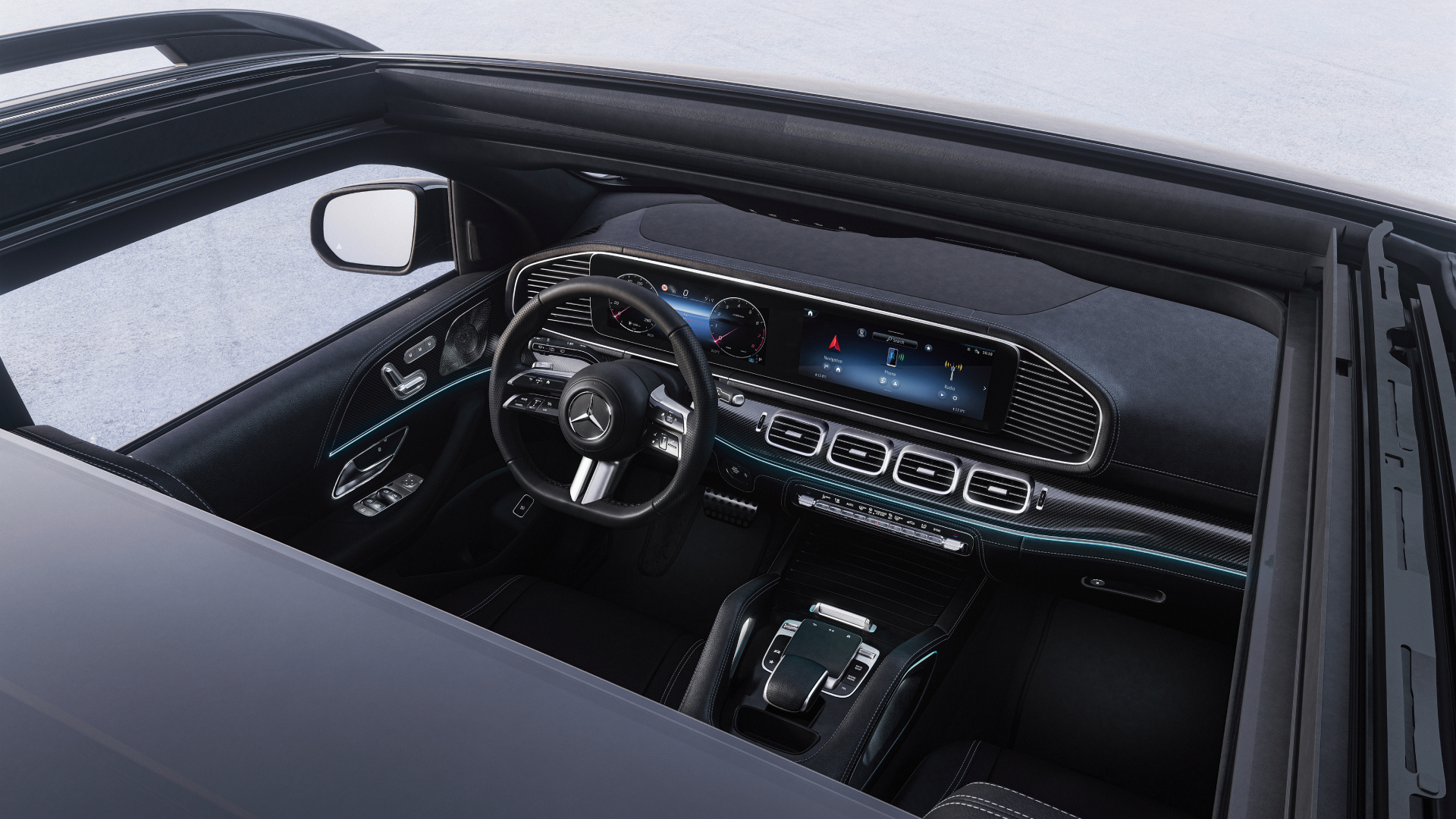
Mercedes still maintains a handful of physical buttons and knobs for critical controls, but the steering wheel is another matter entirely. Here, physical buttons have been augmented with capacitive (touch-but-don’t-press) functions, so each of them is essentially a tiny touchpad in and of itself. Pushing the button down the old-fashioned way does one thing; tapping or stroking it (without depressing it) does something else.
This control scheme is something Mercedes-Benz has been iterating on for a decade; I remember sampling an early version when the current E-Class launched back in 2016. It has always functioned in the strictest sense, but even more than a generation removed from its most basic prototype, it hasn’t gotten past some of its inherent flaws, and the execution of the cruise control is occasionally infuriating. A “press” of either end of the button adjusts your set speed in set, 5-mph increments; a stroke in either direction increases or decreases it in 1-mph increments.
Push It!
As you might expect, if you want nothing more than to go up and down the scale in nice, round jumps, this works just fine. Press the button, and the result happens. Weird, right? But if you’re not inclined to cruise at speeds in multiples of 5, you’re forced to swipe—and from there, good luck. With no gloves and warm, clean hands, my success rate on recognized swipes hovered around 60%. If you’re like me and you tend to adjust your set speed frequently on long drives, this way lies madness. I found my way there more than once.
The thing is, I get it. The level of fine control I expect makes me the weird one, and I suppose I should be thankful that Mercedes offers a way to do it at all. Pretty soon, you’ll say, “Hey, Mercedes, take me to Chicago and drive seven over the limit the whole way,” and the car will do the rest, allowing us more time to browse our phones or watch Netflix—because we’re certainly short on that. For the future buyer still dreaming of that day, this is progress. To somebody who is not only content to do most of the driving but, in fact, happy to remain engaged in the process, it might as well be garbage.
In the meantime, we’re stuck in a weird place where luxury automakers are trying to appeal to customers who want to drive a nice car and those who don’t want to drive at all. And that’s a problem because good rides don’t always make good drives. In fact, that’s the philosophy that helped set Bentley and Rolls-Royce apart. The former was the driver’s luxury conveyance; the latter was the passenger’s. And of course, if you’re being paid to drive the Rolls-Royce, your delight is secondary to your boss’s priorities, whatever they may be.
Little Things
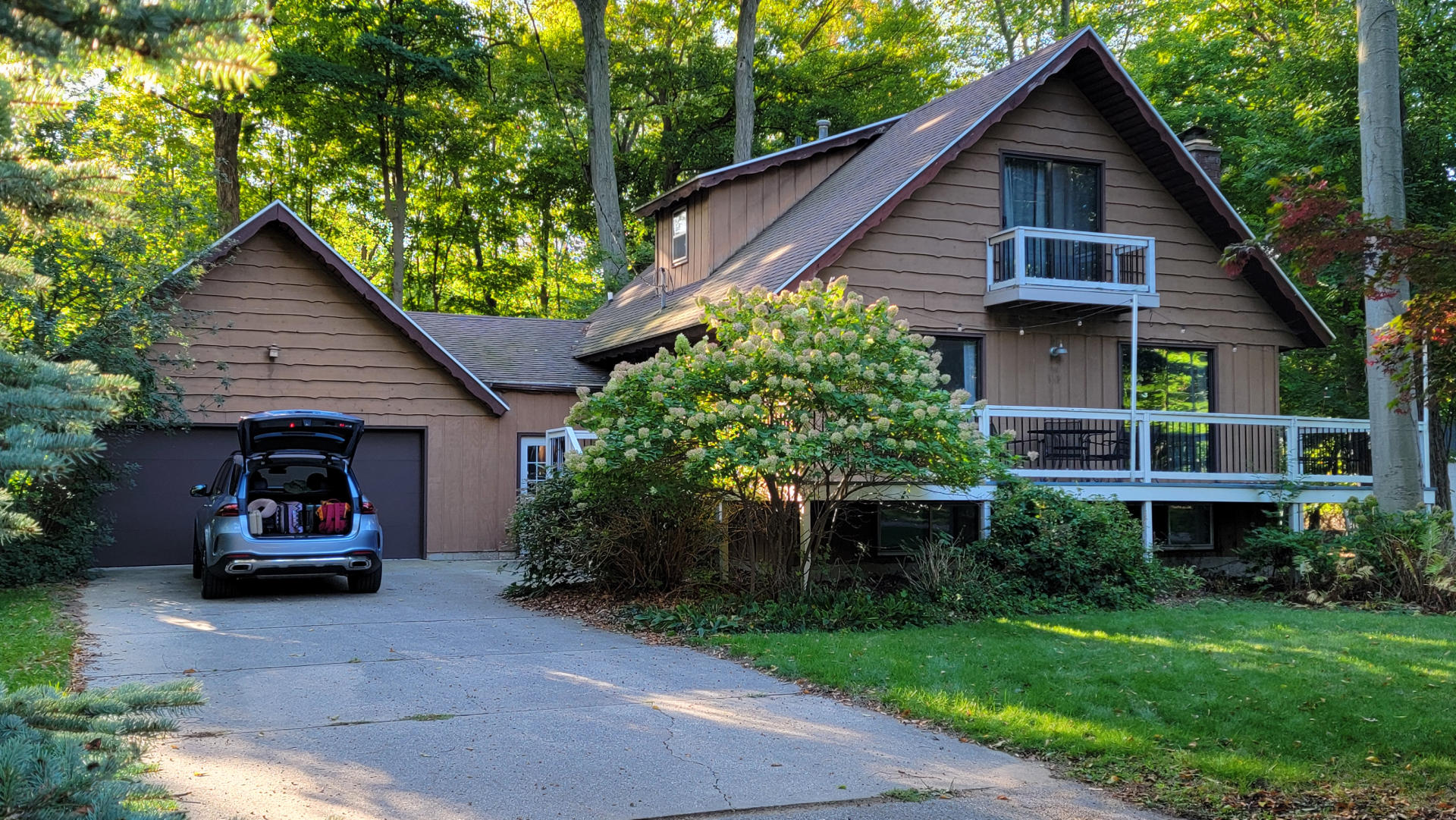
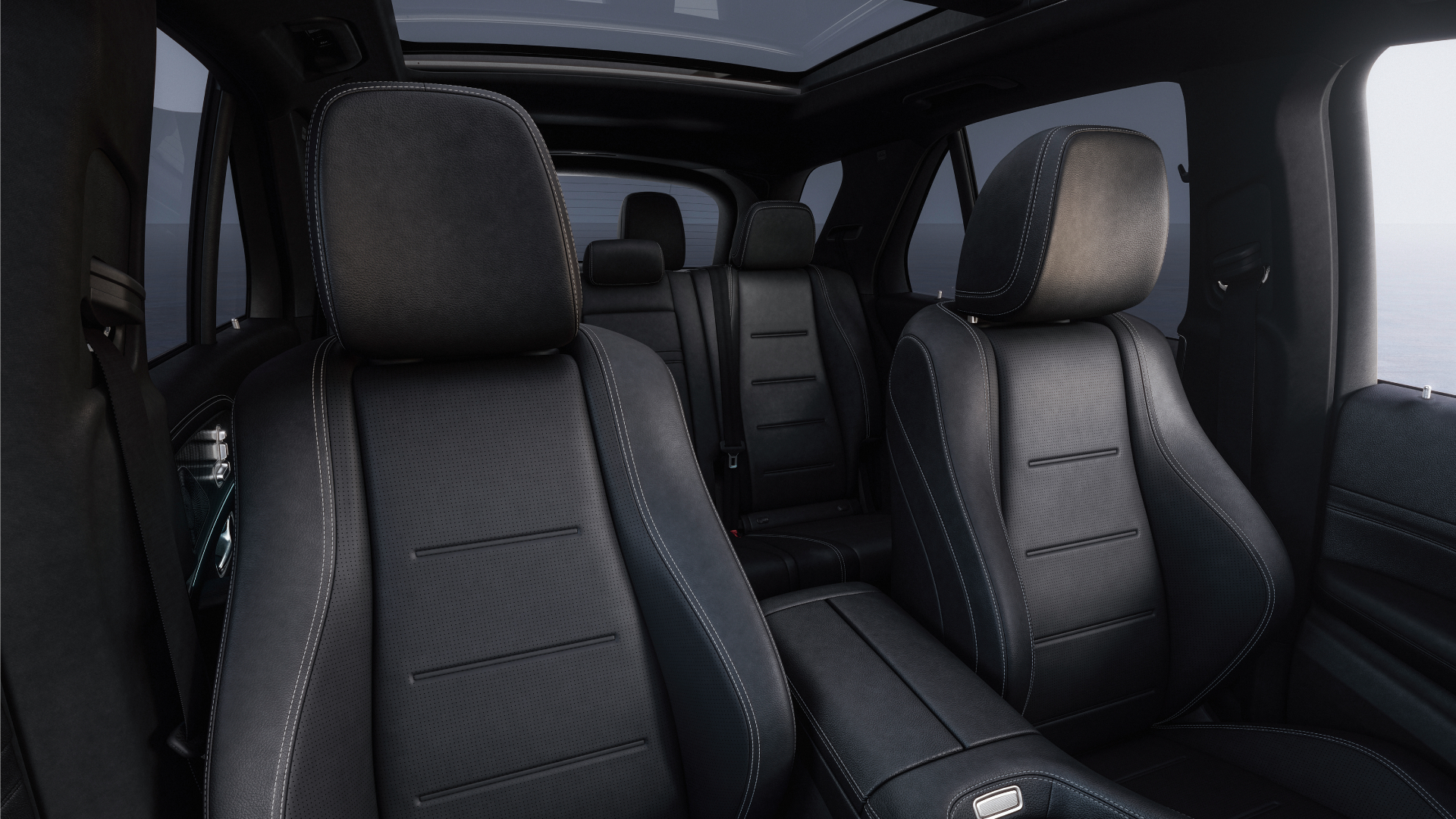
By my count, we’re a thousand words into this review, and I’ve focused entirely on two features that might otherwise be line-items on a window sticker. That speaks to just how good the GLE is. The transmission wasn’t the only thing that behaved flawlessly for our 800-mile journey; the rest of the car followed suit. The rear cargo area comfortably accommodated four pieces of luggage, and the backseat received constant rave reviews from its occupants, who spent many hours enjoying the sights from the well-appointed rear bench.
I feel like I beat up on Nissan a bit in this review; after all, the Armada and GLE don’t compete. That honor (dubious though it may be) goes to the Infiniti QX80, and anyway, this was never meant to be a comparison. I brought it up only to point out that the numbers don’t always tell the whole story, for better or for worse. The main factor driving the GLE’s advantages here is its massively higher cost ceiling. When your customers are prepared to pony up big money, you have more freedom to maneuver—and more flexibility in what you offer. If anything, this shows that the bigger the purchase, the more the little things matter.
| 2026 Mercedes-Benz GLE580 Specs | |
|---|---|
| Base Price (as tested) | $90,350 ($121,335) |
| Powertrain | 4.4-liter twin-turbocharged mild-hybrid V8 | 9-speed automatic transmission | all-wheel drive |
| Horsepower | 510 @ 5,500 rpm |
| Torque | 538 lb-ft @ 2,250-4,500 |
| 0-60 Time | 4.3 seconds (Mercedes est.) |
| Top Speed | 130 mph |
| Seating Capacity | 5 |
| Cargo Volume | 33.3 cubic feet |
| EPA Fuel Economy | 15 mpg city | 21 highway | 18 combined |
| Score | 9.5/10 |
Loading comments…
Comments couldn’t be loaded. Please refresh the page.