
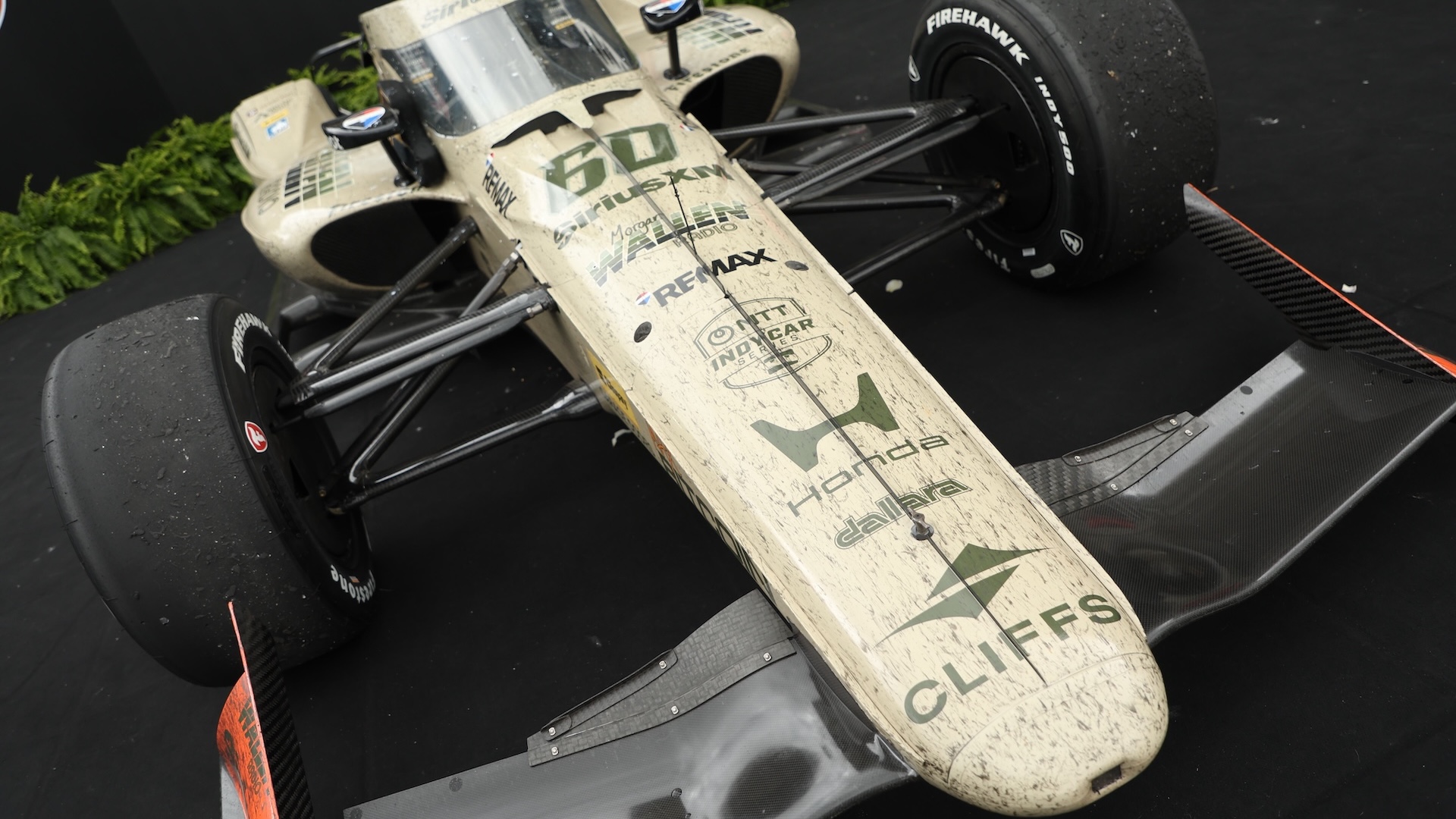
Honda Racing Corporation US President David Salters confirmed to The Drive that the automaker’s ability to contribute to discussions about future IndyCar regulatory sets is “critical” to its continued participation in the American open-wheel series.
In February of this year, Honda and Chevrolet both committed to continue as engine manufacturers in the IndyCar series for “multiple years” as part of a push to secure the sport’s future—particularly after years of rumors that Honda was perhaps looking for an exit strategy (like it recently did in IMSA). Part of the agreement was the requirement that both automakers “be heavily involved in the development of the engine and competition rules to be implemented” in 2028, per IndyCar’s press release at the time.
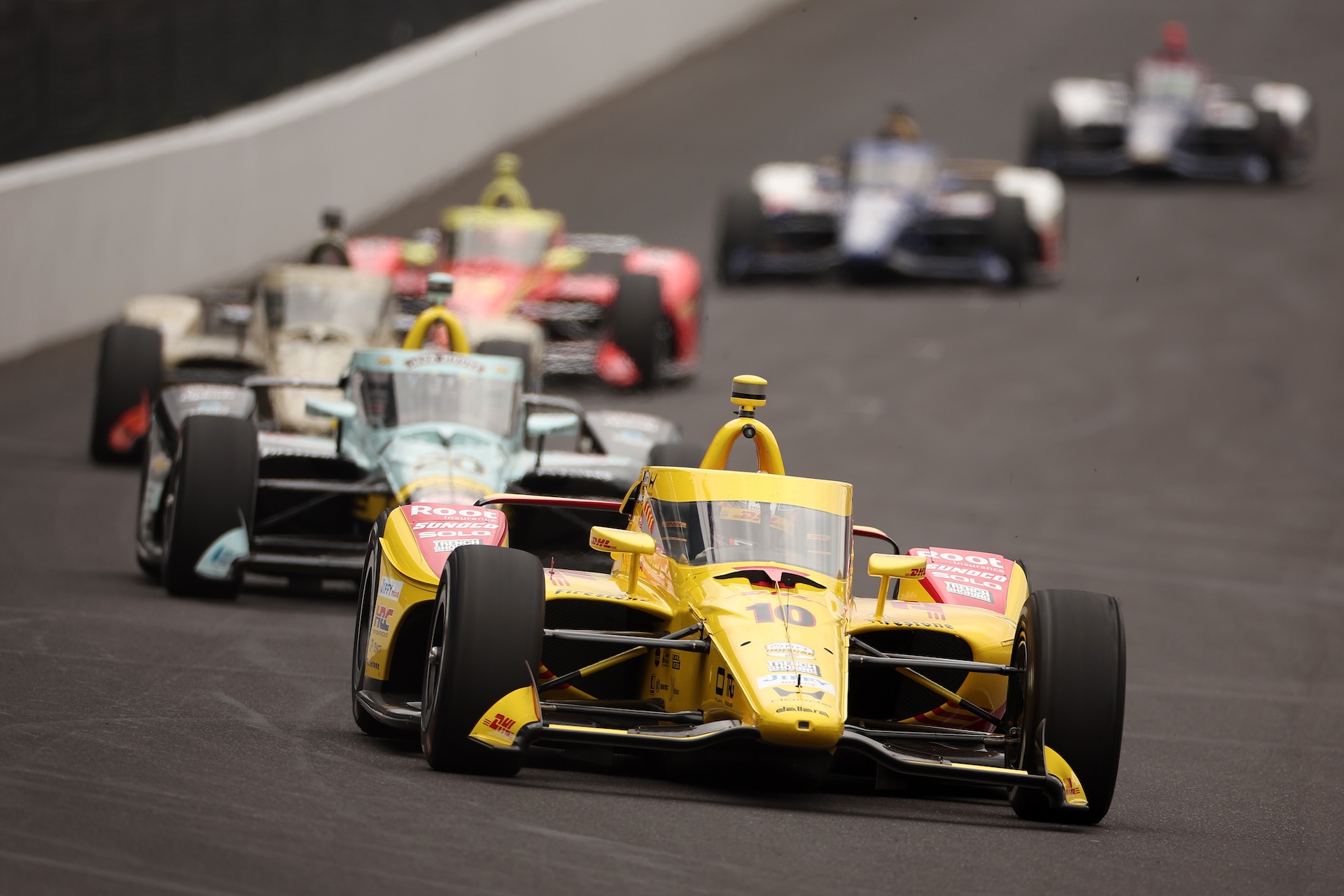
And in response to a question from The Drive regarding the extent to which Honda’s ability to contribute to future IndyCar regulations dictated its decision to continue racing with the series, Salters didn’t mince words: “I think it’s critical.”
“We need to make a framework that makes the series, from a manufacturer’s point of view, sustainable,” he continued. “We need to contribute from: how do we move things a bit forward from a technology point of view?”
But there’s perhaps an even bigger determining factor: According to Salters, Honda needs to ask, “How do we help make this where it’s sustainable for a manufacturer from an economic point of view?
“We all love this sport. Let’s make sure it’s sustainable for the future.”
Sustainability in motorsport isn’t just a matter of eco-friendliness. Salters emphasized time and again that sustainability also involves the ability to afford the sport over the long term, as well as ensuring that tech innovation is reflected in the production car technology that defines Honda. Motorsport is resource-intensive; to genuinely make the most of those resources, the effort poured into motorsport must have applications beyond the track.

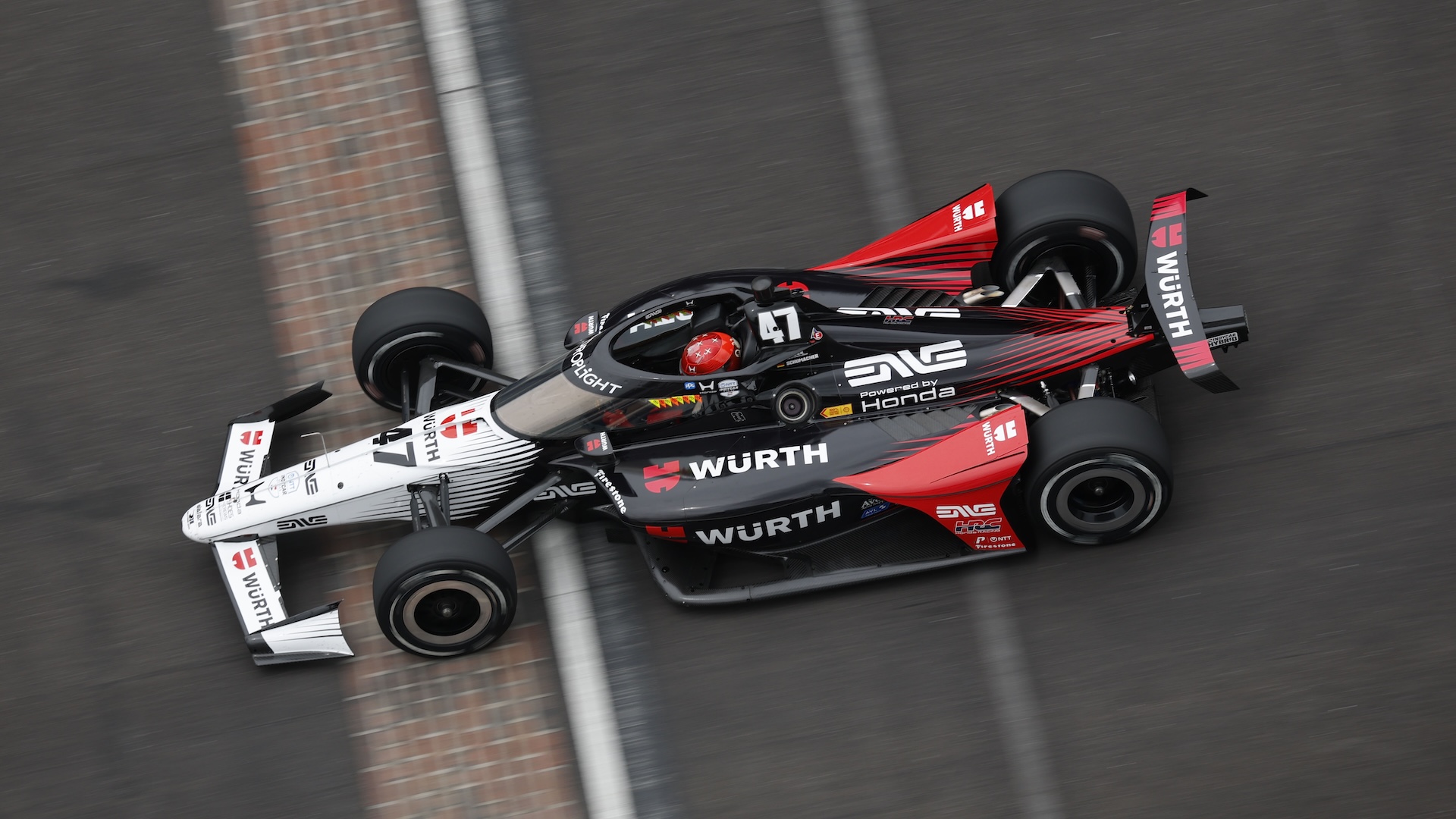
Salters called it a “balance”: “It’s gotta be relevant. We have to be able to afford it, otherwise your series will stop. Make it sensible. Make it sustainable over time. We also need to be responsible; we’re trying to make things that are more efficient, save energy, all that sort of stuff. We’ve got to put all that together and come up with something that works.”
“And to IndyCar’s credit, they’re aware,” said Kelvin Fu, HRC US Vice President. “They’re always trying to understand what everybody wants: fans, teams, OEMS, suppliers. It’s a balancing act that we all play. We all try to help each other move. We want to see the series grow, 100%. That’s important. We need to get partners to make sure it’s happening. But it also means that everybody gets what they need out of the series, too.”
Hence, the current discussion format regarding IndyCar’s future.
At its most basic, here’s how the creation of the regulations works, per Salters. Both Honda and Chevrolet create a rough list of ideas they’d like to either implement or avoid in the future — a process primarily done separately based on the failures and successes of each OEM.
But the rival engine suppliers also sit down in the same room together to discuss those ideas together.
“We all sit in the same room,” Salters explained, “and sometimes we agree, and sometimes we fight!
“It’s pretty sensible. We’ve got a lot of people who’ve spent a lot of time in racing. We’ll agree or won’t agree.”
But the final decision, Salters said, rests in IndyCar’s hands.
“It’s their job to go, ‘oh, okay; what do we want’?” he explained.
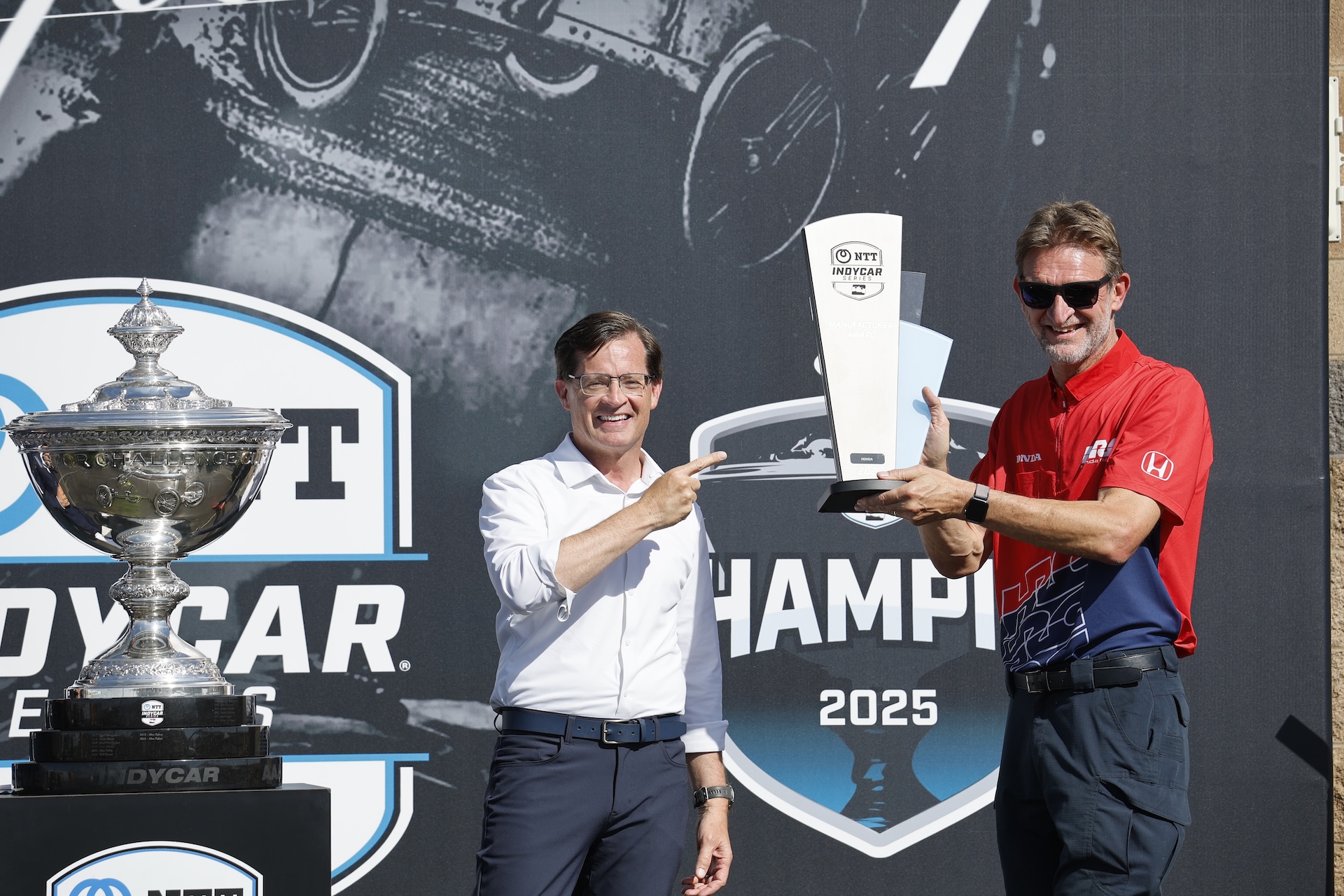
Taking into account feedback from both competing OEMs, IndyCar will craft a regulatory framework that addresses at least some of the requests from Honda and Chevrolet. It will then distribute those rules to OEMs, who will utilize them as guidelines designed to inform the construction of the units that will power the future of American open-wheel racing.
Salters declined to share any details about the conversations surrounding the 2028 regulations; he confirmed that talks are ongoing and that the deadline to complete those regs “should be about now” — though his tone implied there are still critical features to iron out before any announcement can be made.
The overall impression is one of consistency and growth. Salters took time to praise the efforts of IndyCar, Fox, and the series partners who have contributed to the ongoing explosion of interest in the series, which helped the automaker re-sign with IndyCar for the future.
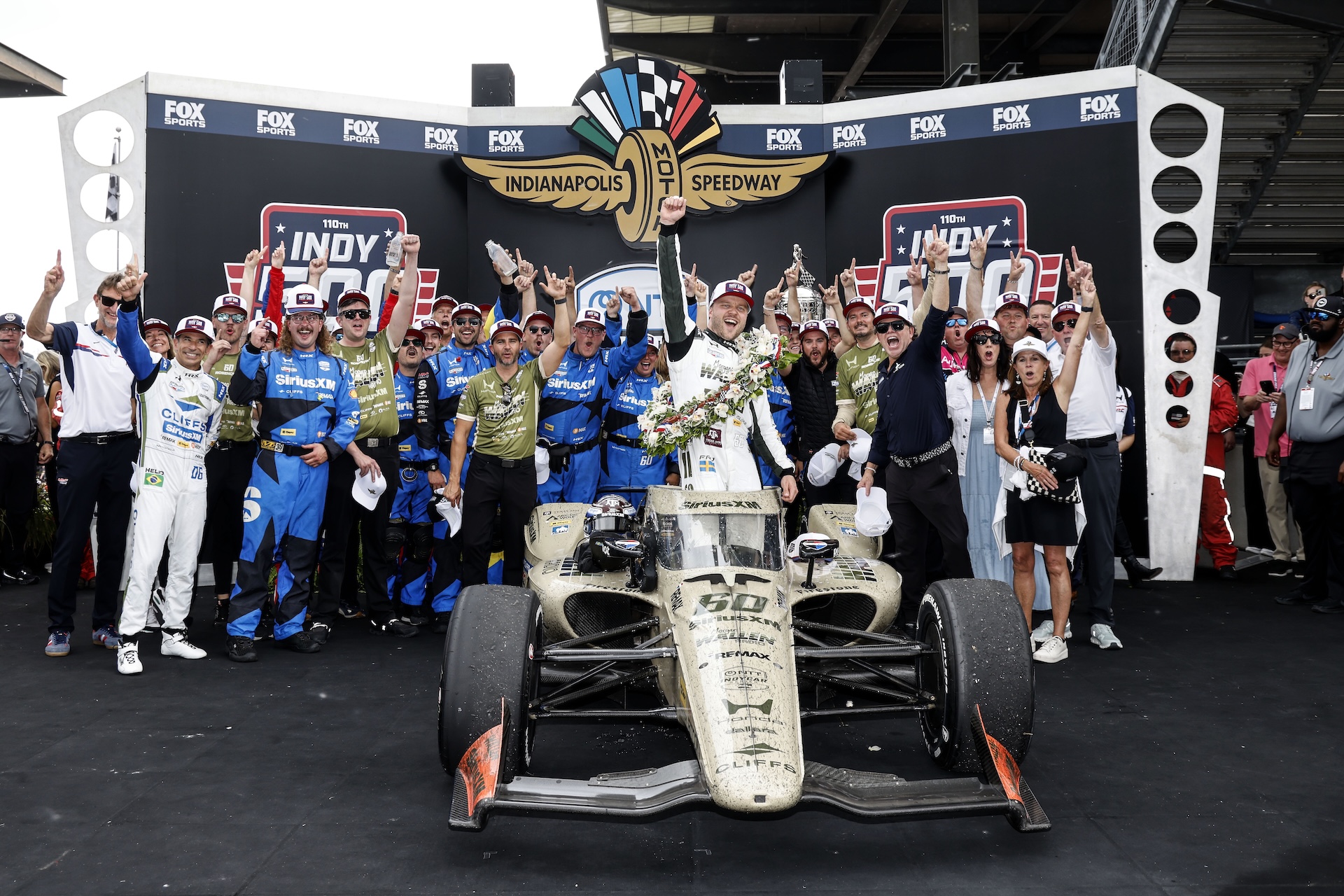
“We love IndyCar,” Salters added. “We’ve been doing this for more than 30 years. We have a huge amount of history in IndyCar.” And having a stake in the future development of the sport’s tech will keep Honda in the game even longer.
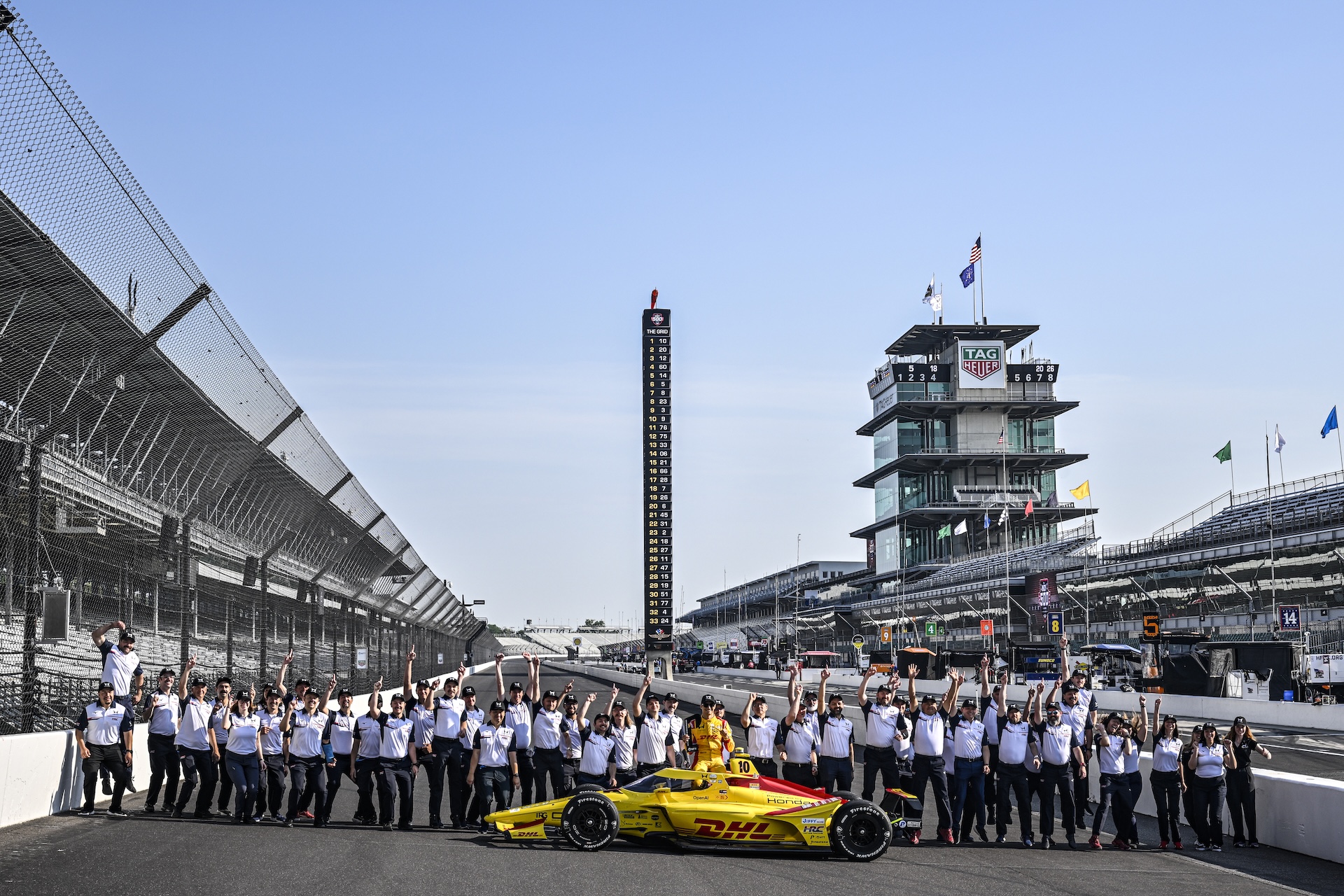
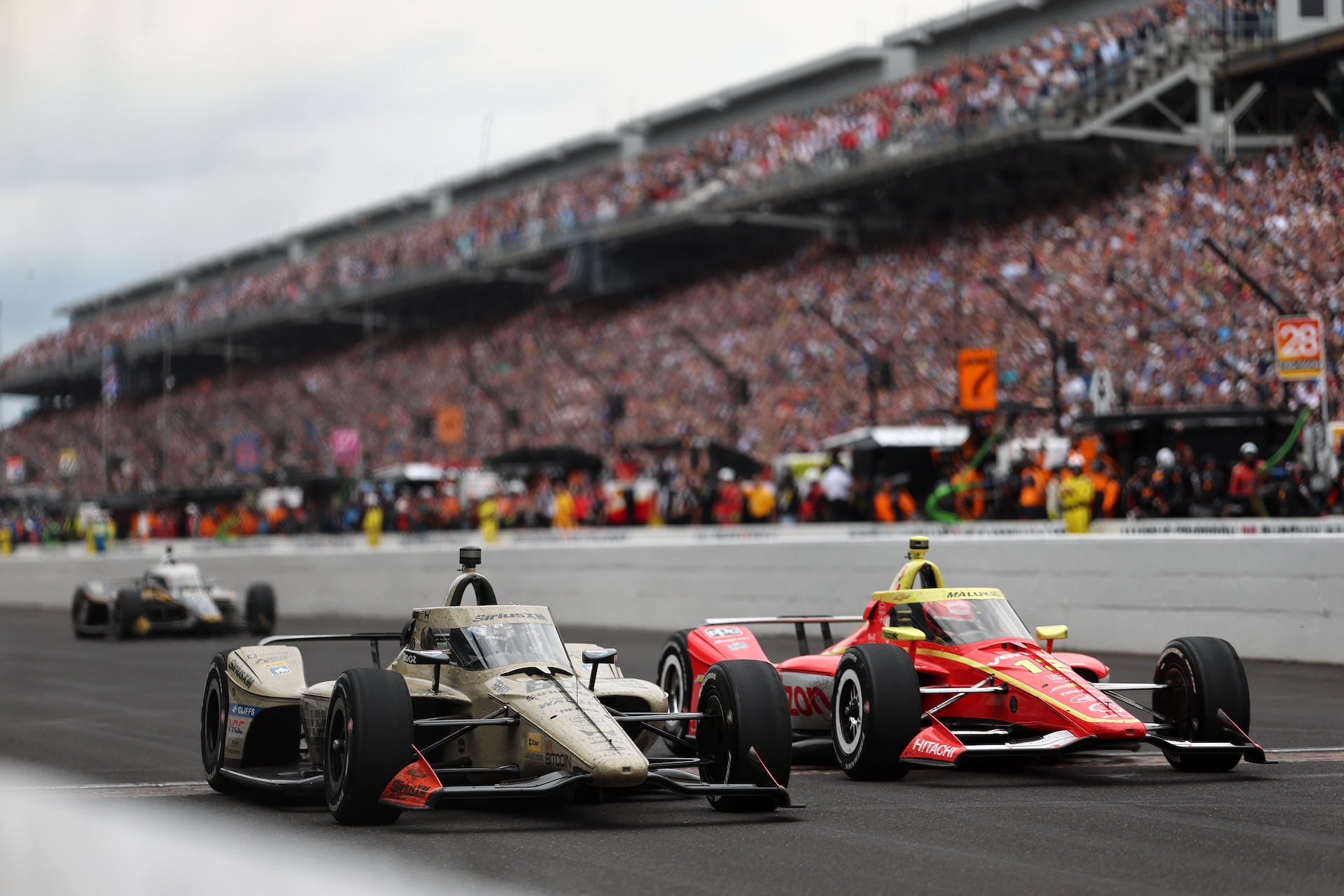
Plus, it doesn’t hurt that Sunday, when Felix Rosenqvist crossed the yard of bricks ahead of its rivals, Honda beat Chevy to yet another 500 win. That’s number 17.
Got a tip? Email us at tips@thedrive.com
Loading comments…
Comments couldn’t be loaded. Please refresh the page.