
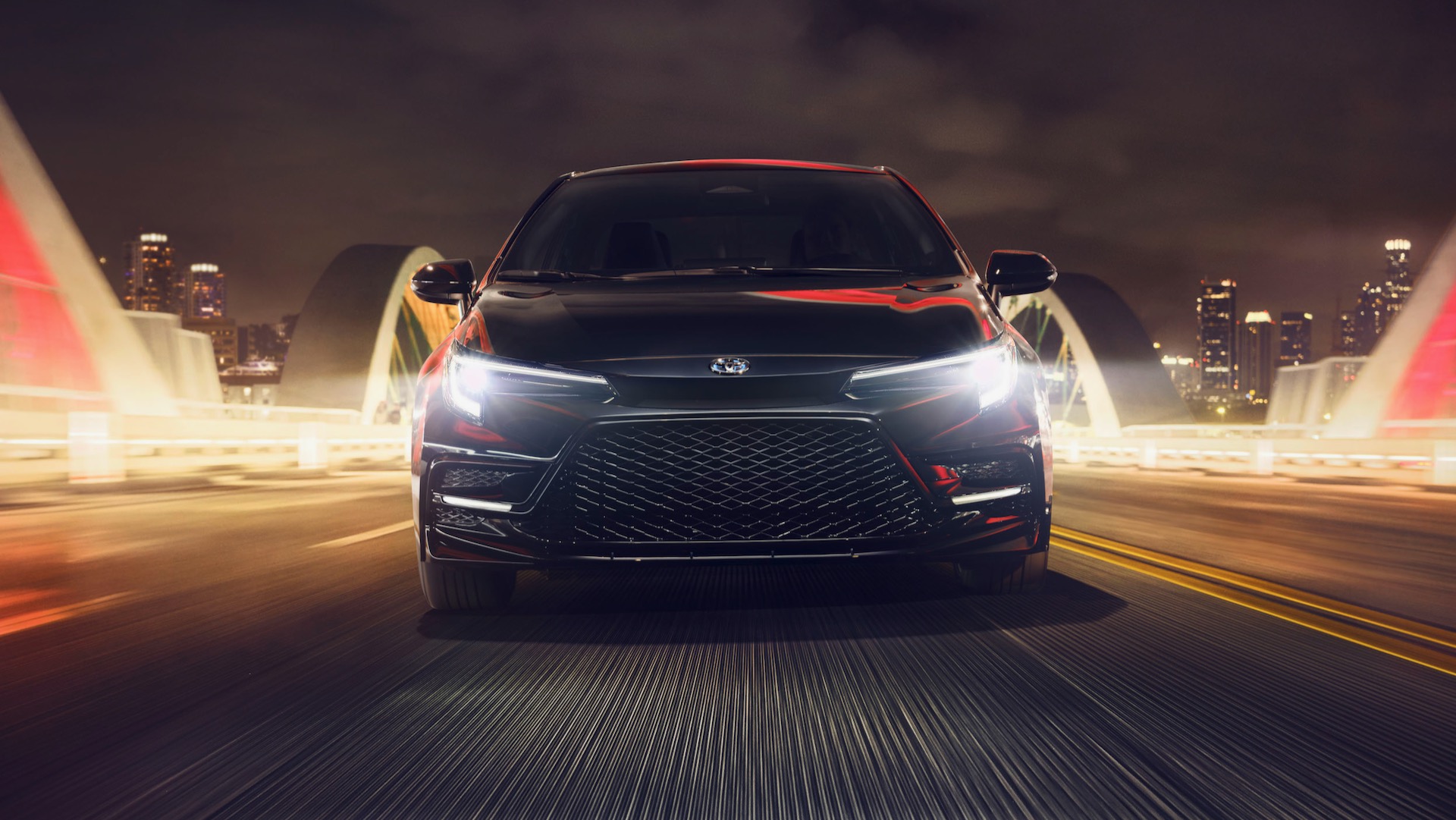
If you feel like headlights have gotten too bright in recent years, you’re not alone. In a recent survey conducted by AAA, six out of 10 drivers reported that glare was a problem when driving at night, and nearly three-quarters (73%) said the problem has gotten worse over the past decade. That corresponds to the growth of more powerful LED headlights among both automakers and the aftermarket.
“Headlight glare has become a major source of frustration and concern for millions of drivers,” said Greg Brannon, director of automotive engineering and research at AAA, in a statement. Brannon attributed the increase in concern over headlight glare to multiple factors, “including new headlight technologies and taller vehicle designs.”
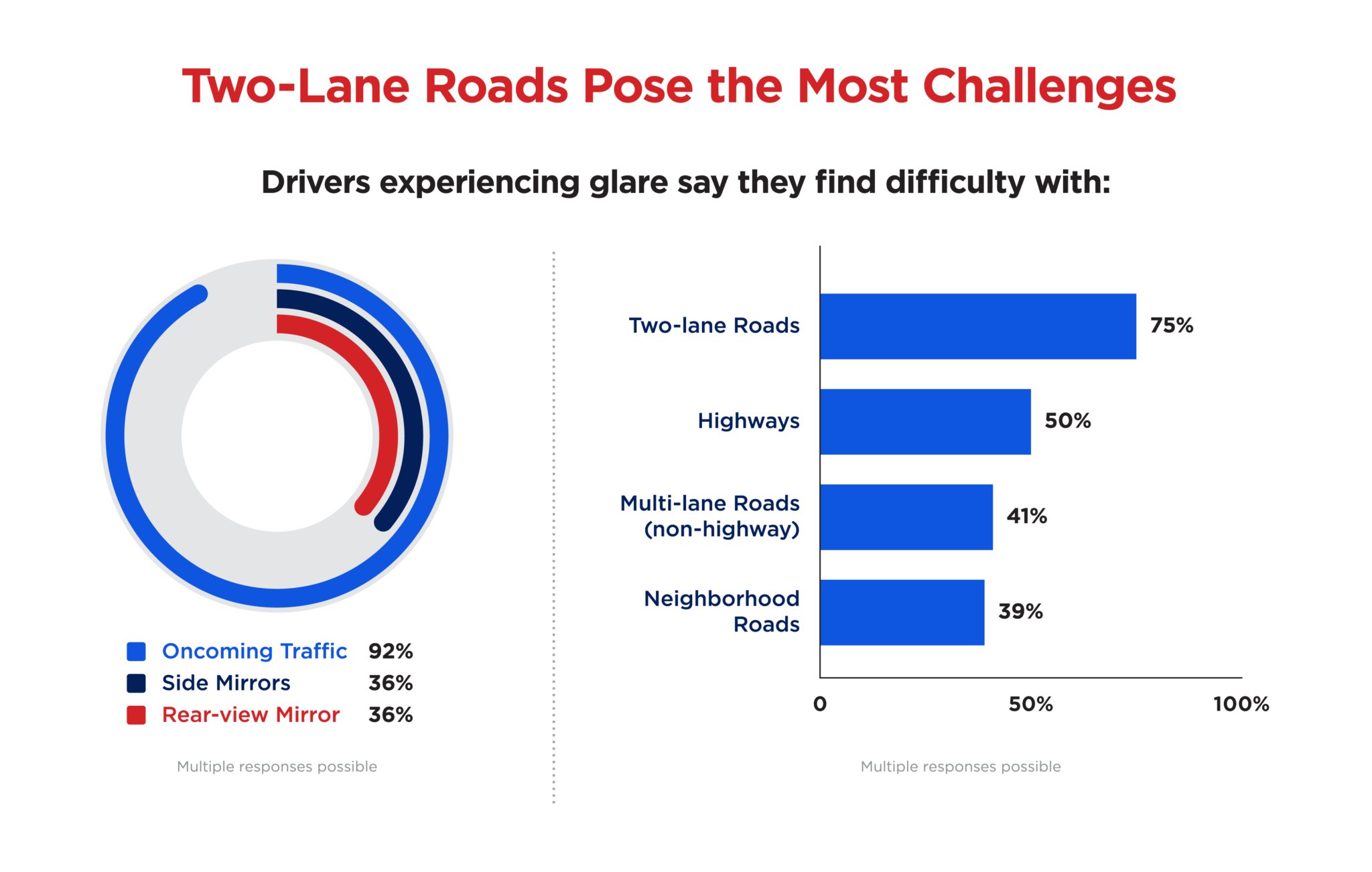
The survey encompassed 1,092 interviews with U.S. drivers age 18 or over, conducted between February 5-8, 2026. Interviewees were chosen with a probability-based panel designed to be representative of the overall U.S. driver population. Of those respondents, 92% said glare from oncoming headlights as their top concern, while 36% each listed glare seen in rearview or side mirrors as the biggest problem.
The survey showed some variability in glare sensitivity. Drivers who wear prescription glasses reported experiencing more glare than those who do not, at 70% to 56%, respectively. Pickup drivers were less likely to report glare (41%) than drivers of other vehicle types (66%). Women reported experiencing glare more often (70%) than men (57%). However, age was not statistically significant, nor was driver height, according to AAA.
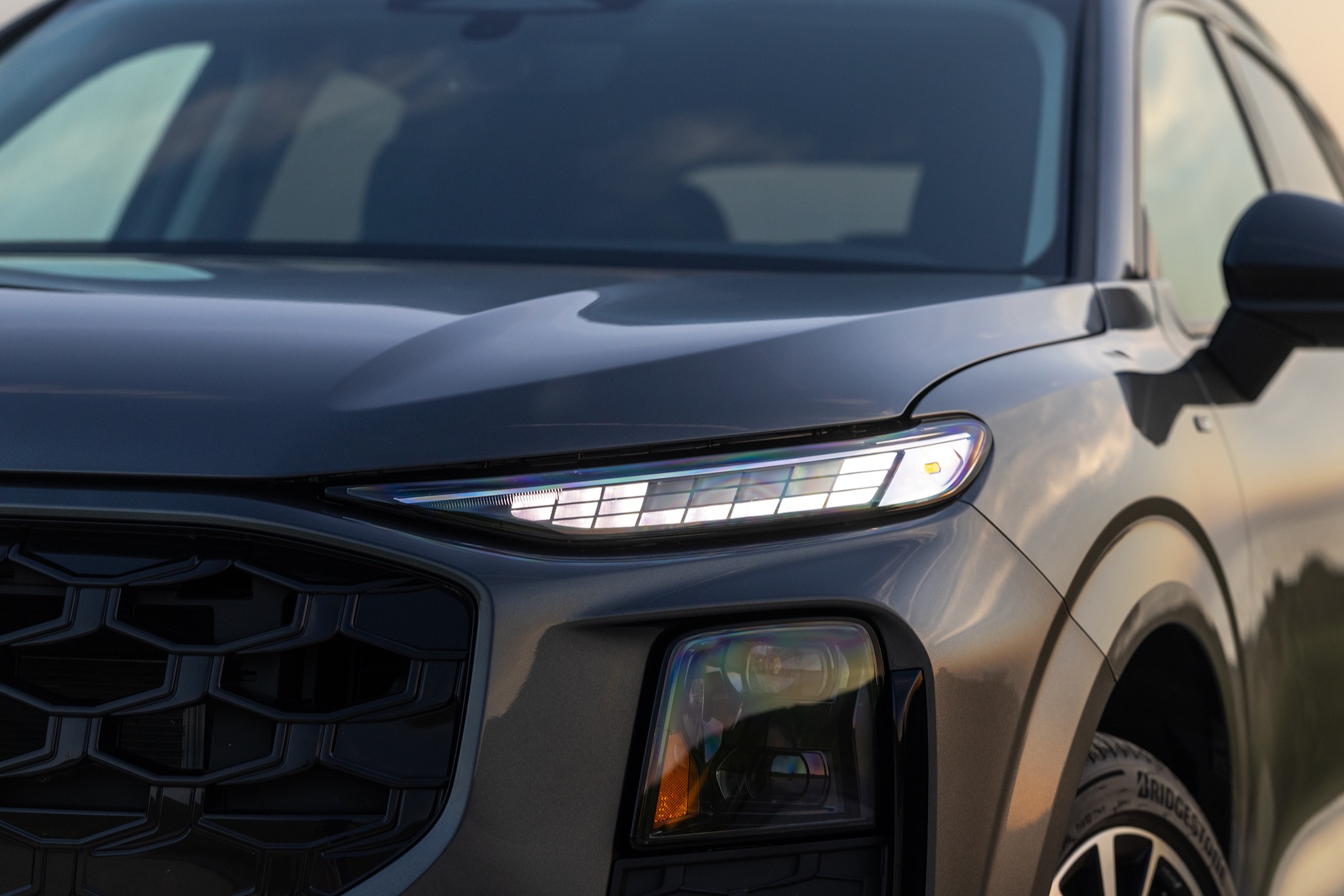
The organization reminds drivers to avoid looking directly at oncoming headlights to minimize the effect of glare, and to make sure your own headlights are working properly to maximize visibility. AAA also recommends sticking with the original equipment, which is good advice, as the unregulated nature of aftermarket lighting makes it an outsized contributor to the problem. Aftermarket companies often go for added brightness without paying attention to where the beams are aimed. And federal regulators aren’t doing anything about it.
At the same time, current regulations prevent the adaptive lighting systems available in Europe from making it to the U.S. Audi’s Digital Matrix LED headlights can aim light where it needs to be—and away from oncoming drivers—but rigidly worded regulations that predate the existence of LEDs by decades prevent them from being offered here. That’s also the case for all other automakers except Rivian, which designed its adaptive lighting system for the U.S. and nowhere else. And yet regulators are fine with levels of brightness that make one feel sympathetic for Dracula.
Loading comments…
Comments couldn’t be loaded. Please refresh the page.