
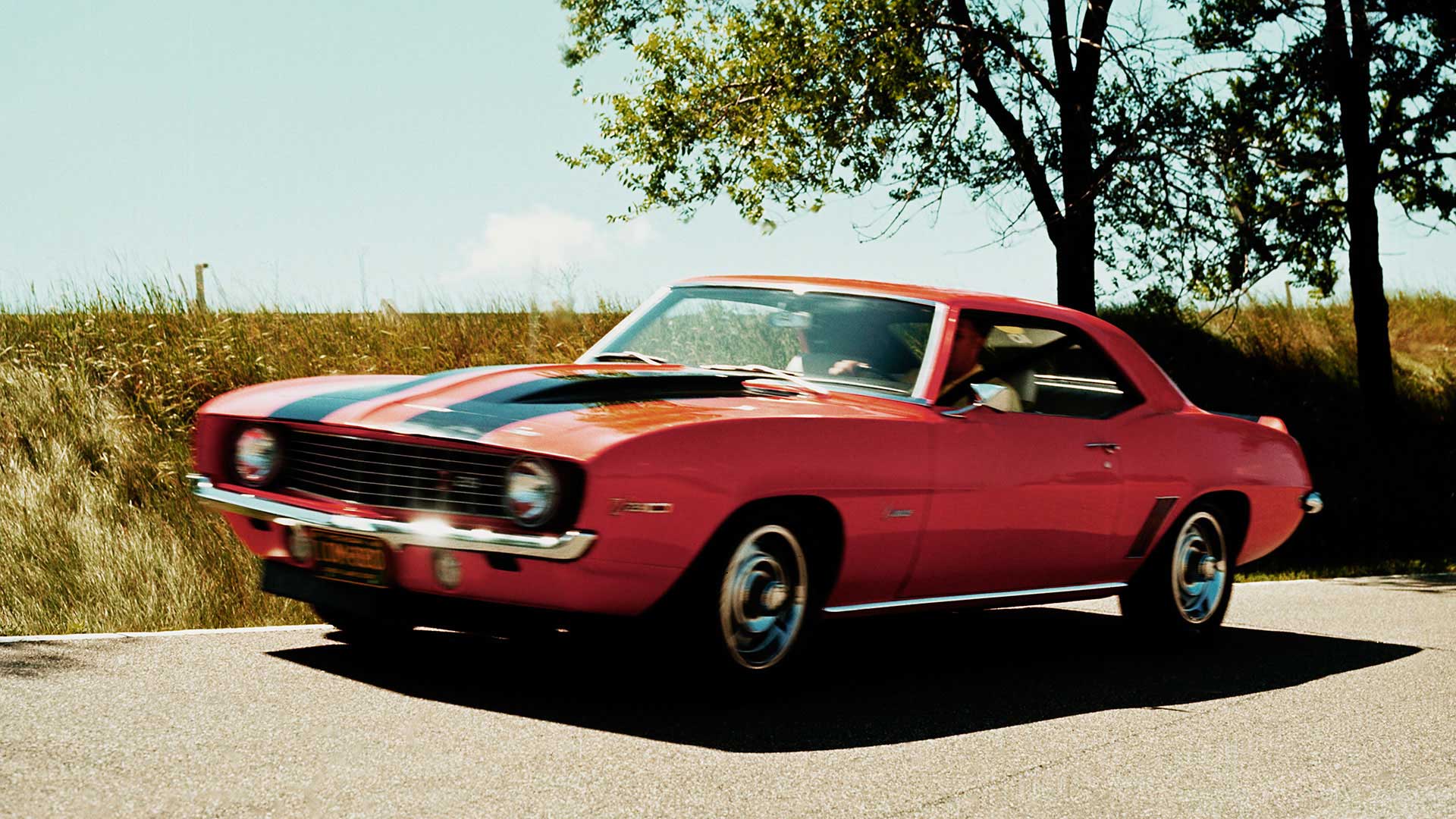
Q: I do love me some ’69 Camaro. Why is that? – B. Akre via Facebook
A: I started my career working for Car Craft magazine in 1990—that’s the magazine everyone calls Camaro Craft and rightly so. Every time we put a ’69 Chevrolet Camaro on the cover, newsstand sales spiked. A lot. So we put ’69 Camaros on the cover. A lot. Consequently, I’ve put way too much thought into this question.
Before getting to the virtues of the ’69 Camaro itself, look at the late sixties from the perspective of first-, second- and third-grade boys of the time. We were the tail end of the Baby Boom, and mostly what we did was watch television. And the tube was pumping a hardcore drug: youth-oriented marketing.
Corporate America identified the Boomers as the biggest demographic bubble to ever burst, and the suits redesigned and re-engineered products to attract those customers. Rock ’n roll was commodified, movies blatantly pandered to youth fads. The word “groovy” appeared on way too many cereal boxes. And, most importantly, muscle cars were directly targeted everyone born after World War II. So we sucked a lot of it in through the commercials.
Hey, muscle cars were great for our older brothers (and a few brave sisters), but kids were still kids. So what we got was Mattel’s relentless, directed marketing blitz that leveraged the muscle mania to sell Hot Wheels toy cars. Hot Wheels launched in 1968, and every Saturday morning TV show was overstuffed with its ads; by 1969, Hot Wheels had morphed into their own Saturday morning TV cartoon. And, by 1970, the FTC was slamming the commercials for deceptively depicting what the cars could do, while the FCC was righteously clamping down on the TV series as being nothing but an extended commercial. But us boys? We were hooked. Car crazed for life.
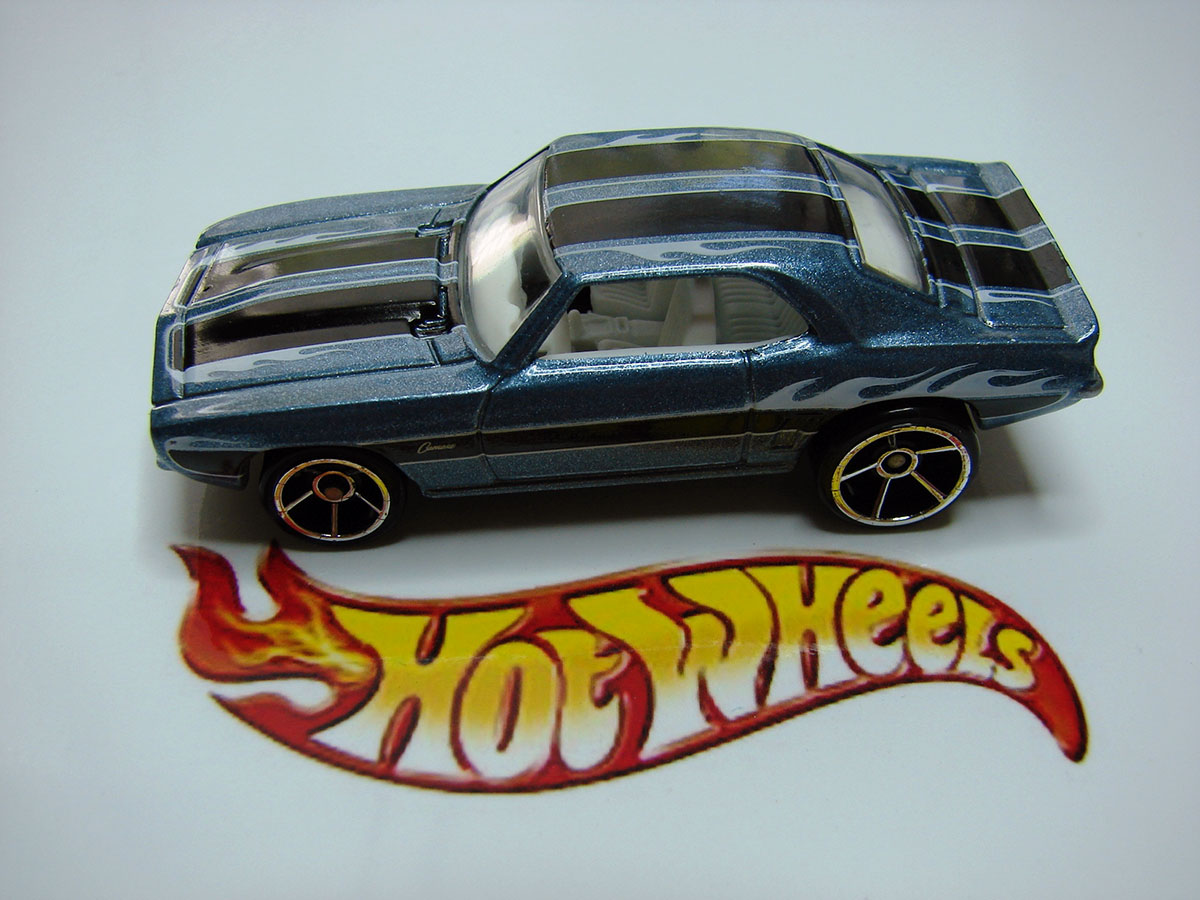
If it wasn’t Hot Wheels, it was Johnny Lightning. Same thing.
It’s that generation of boys raised on muscle marketing and Hot Wheels mania that have made the Camaro the center of a generation’s automotive passion. By the time we had our driver’s licenses in the late seventies, the new cars were garbage and the muscle cars we lusted after were cheap used cars. That included the ’69 Camaro of which, General Motors produced a massive 230,799.
While the 1969 Camaro isn’t mechanically much different from the 1967 and 1968 editions, new sheetmetal left the car looking more voluptuous and aggressive. It was, and to many remains, the best looking Camaro ever. That’s why both the 2010 fifth-generation—and the new sixth-gen—Camaros have been explicitly styled to resemble it.
The sheer number of different ’69 Camaro variations is staggering. The Z/28, built to dominate SCCA road racing was back in ‘69 and still powered by the nervy, 290-horsepower DZ302 5.0-liter V8. It took the Trans Am manufacturer’s championship for the second straight year. To go drag racing, Chevrolet sold ZL-1 models powered by an incredible, all-aluminum 427-ci (7-liter) big-block V8, ludicrously underrated at 430 hp. Meanwhile, in Pennsylvania, dealer Don Yenko ordered 201 Camaros powered by iron-block 427s to create his own Yenko Super Cars.
There were RS and SS versions, and examples that combined the two. If you loved convertibles, there was an Indy 500 pace car replica Camaros with orange stripes, orange houndstooth upholstery and the totally radical “Cowl Induction” hood, otherwise offered only on the Z/28. For restoration freaks, there are a lot of different ’69 Camaros to keep the anal-retentive brain cells occupied.
But leaving the ’69 Camaro in pristine, factory-sealed condition is boring. Those with a supercharged engine bursting through the hood are as purely American as any Ferrari is Italian, or Porsche is German. Jacked up on a set of crapped-out leaf springs by a demented gas station jockey, or refined into a world-beating supercar by a legendary builder like GM engineer Mark Stielow, the mechanically simple ‘69 Camaro remains great looking and relatively reliable.
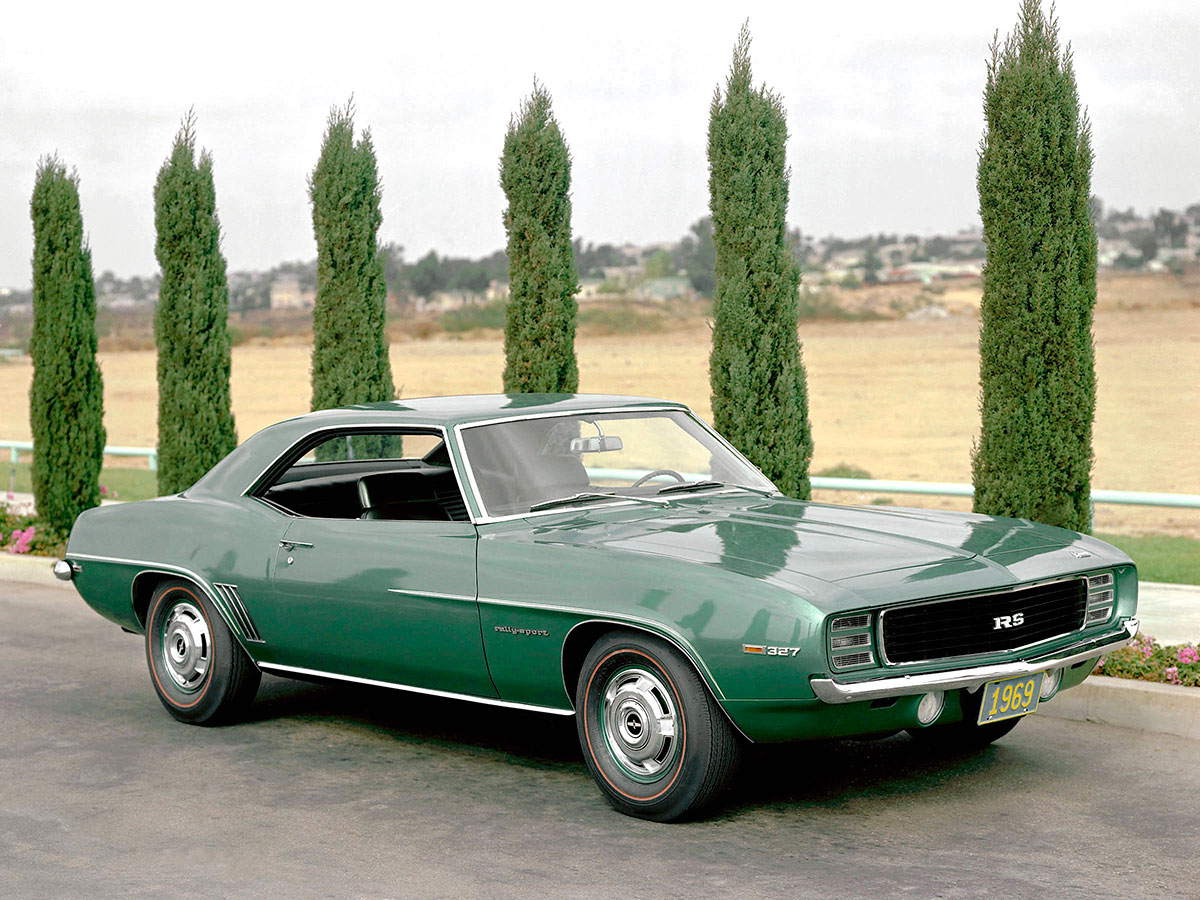
Given the ease with which its mechanical bits can be mutated, the sheer production and its resilient beauty, it’s no wonder the ’69 Camaro has been the car this generation has loved.
But no generation lasts. Today ’69 Camaros have become stupidly valuable as their numbers have dwindled, and the Hot Wheels age cohort has hit its peak earning years. Youngsters living on a budget need not apply. But, like the generations who loved the ’32 Ford and ’55-’57 Chevy before it, those of us who loved this Camaro are aging beyond it.
In 20 years, we’re not going to have to the energy to sustain its massive popularity. The ’69 Camaro isn’t going away, but the kids born in the eighties, nineties and beyond won’t have the same balls-out passion for it either. I don’t know what’s next, but there’s always a next.
Right now, however, 47 years after it first appeared. The ’69 Camaro is the most loved car in America.
P.S. I didn’t even bring up the Mustang. That thing’s just a Falcon for dilettantes and homecoming parades.
Loading comments…
Comments couldn’t be loaded. Please refresh the page.