
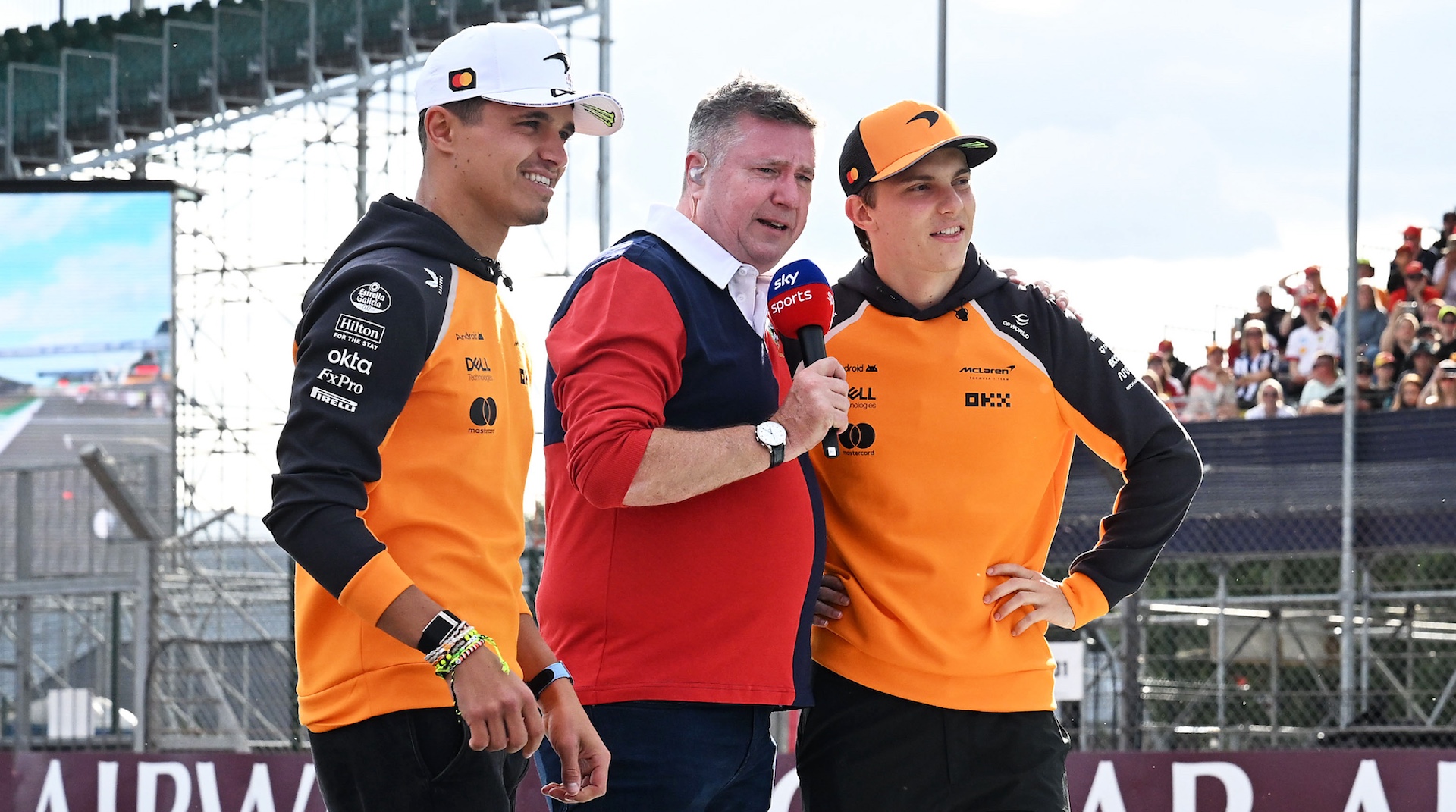
“When I was a little boy, I’d be playing out in the back garden kicking a football around. I’d pretend I was a football commentator, and I’d always score the winning goal in the cup final, that sort of thing. Other times I’d grab my bike and pretend I was Murray Walker commentating on a Grand Prix. And just everything I did, I put a soundtrack to.”
A voice is more than just a sound. A voice is a means of communication, an audible signature, a reminder of home. For people like David Croft, however, their voice is their brand—it’s almost exclusively how the world knows them. From football to golf and boxing to auto racing, commentators spend their entire careers honing their craft, shaping their on-air personas into voices so recognizable that turning on the TV is like inviting your favorite weird uncle into your home.
That’s what Croft, better known as “Crofty,” is to modern-day Formula 1.
If you’ve ever watched F1—whether you’re a multi-decade veteran or a recent convert—you know what Crofty sounds like. You know the full spectrum of his voice, the different tones, volumes, and how they’re applied at various stages of a race. And perhaps most importantly, you know his world-famous tag line: “It’s lights out and away we go!”

2025 British Grand Prix FULL RACE HIGHLIGHTS 🏎️ | ESPN F1
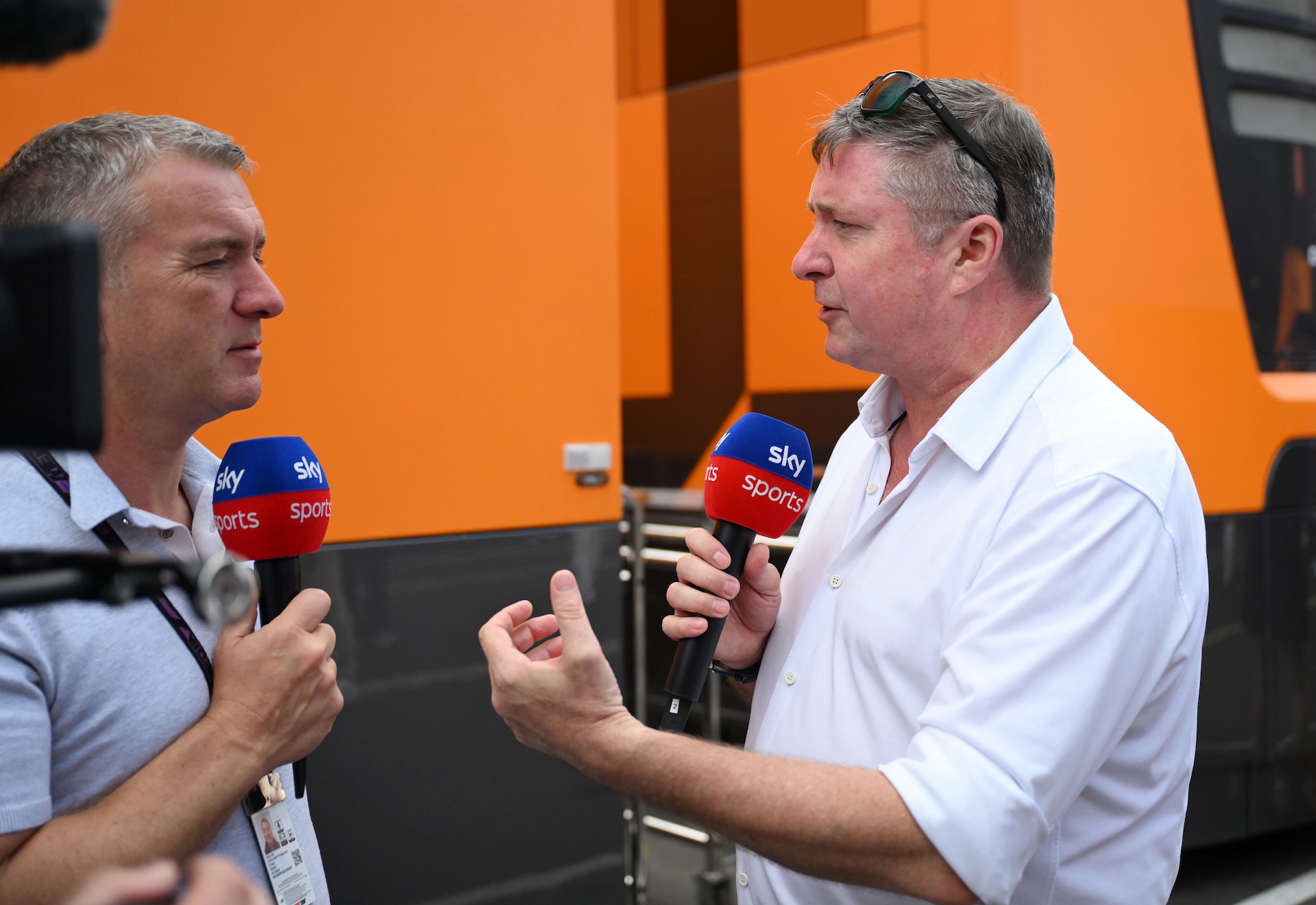
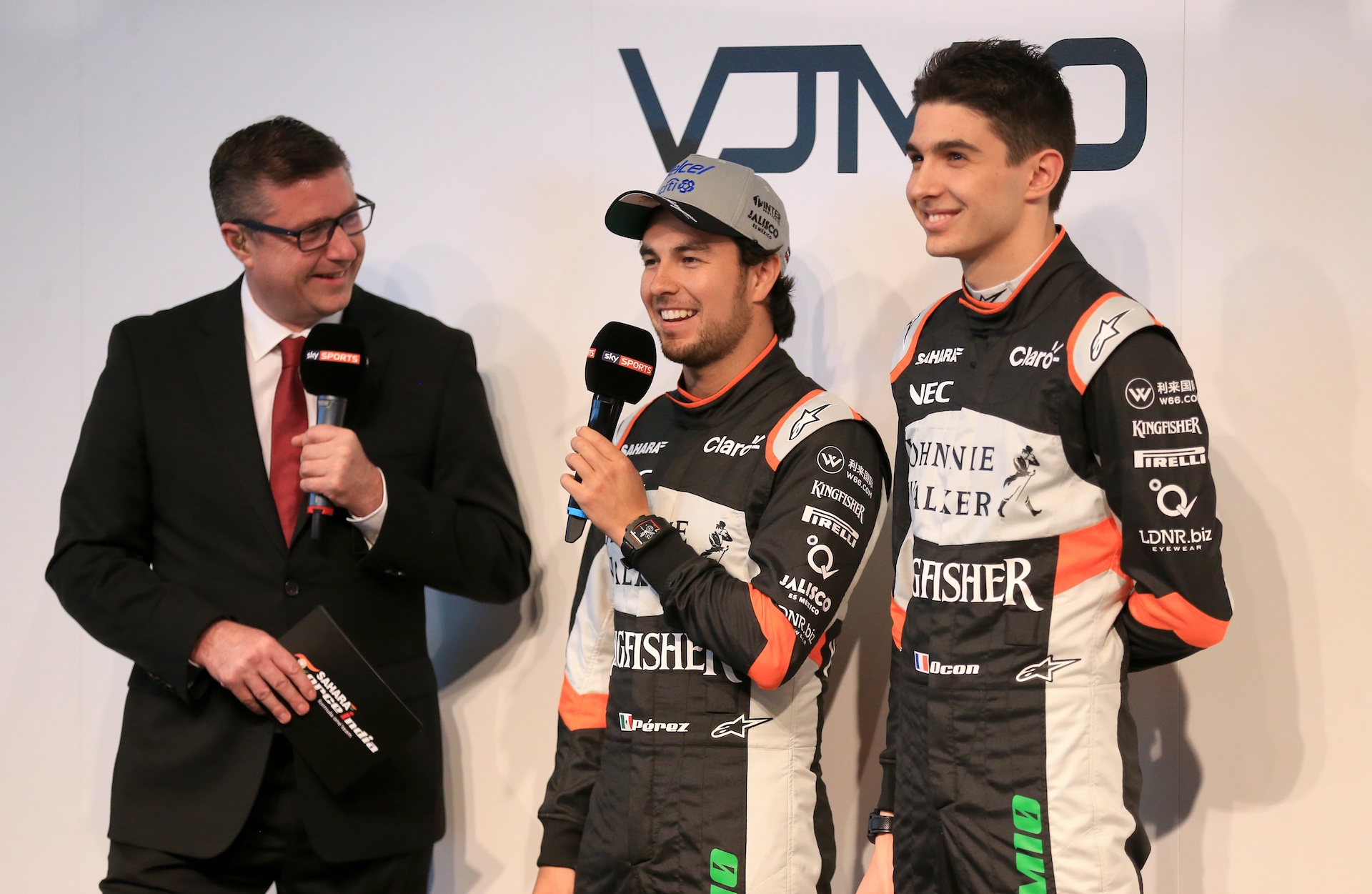
His voice is the first thing you hear after the driver intros and F1’s catchy theme song, which prepares you for roughly two hours of twists and turns, excitement, and oftentimes, boredom. But whether it’s the action-packed Qatar GP from last weekend, the predictable Monaco procession, or the can’t-believe-your-eyes drama of Abu Dhabi 2021, Crofty, along with the all-star team of Sky Sports, packages a Grand Prix into an entertaining, easy-to-digest block of sports television that’s made them the best in the business.
That hasn’t always been the case, however. While Crofty’s colleagues are decorated former racing drivers (several of them F1 world champions), engineers, former team owners, and professional analysts, the 55-year-old Brit had no family ties to auto racing, no connection to the broadcasting business, and most notably, no clear path to follow his dream of becoming a sports commentator. But much like another boy from Stevenage, a borough north of London, Crofty voiced his ambitions early on, and despite being told many times that he wouldn’t make it, he did. (The other Stevenage boy, by the way, is seven-time F1 world champion Lewis Hamilton.)
“When I was around 9 or 10, I decided I wanted to be a sports commentator—it’s all I wanted to do in my life because I loved the sports commentators of that era. I loved the passion they had for their sport and the way they brought it to life. That made me, as a young sports fan, really want to focus on what was going on and never take my eyes off the screen or my ears off the radio. But how do you tell your teachers at school that that’s what you want to do?
“It’s a job that people love to do, but it’s not one of those careers that you sit with your career advisor and say, ‘I want to be a sports commentator.’ There’s no set way to plan to do it. I once had a teacher tell me I couldn’t do it, and then I was like, ‘I’m going to prove you wrong,’ and eventually I joined the BBC. I also had my first manager at national radio tell me I wouldn’t make it as a presenter, so I said, ‘Have you heard me present?’ They said, ‘No.’ So I said, ‘Well, in which case, then I beg to differ, and maybe you should just listen to me and give me a try sometime.’ Eventually they did, and I’m here today, so it seems to have worked out.”
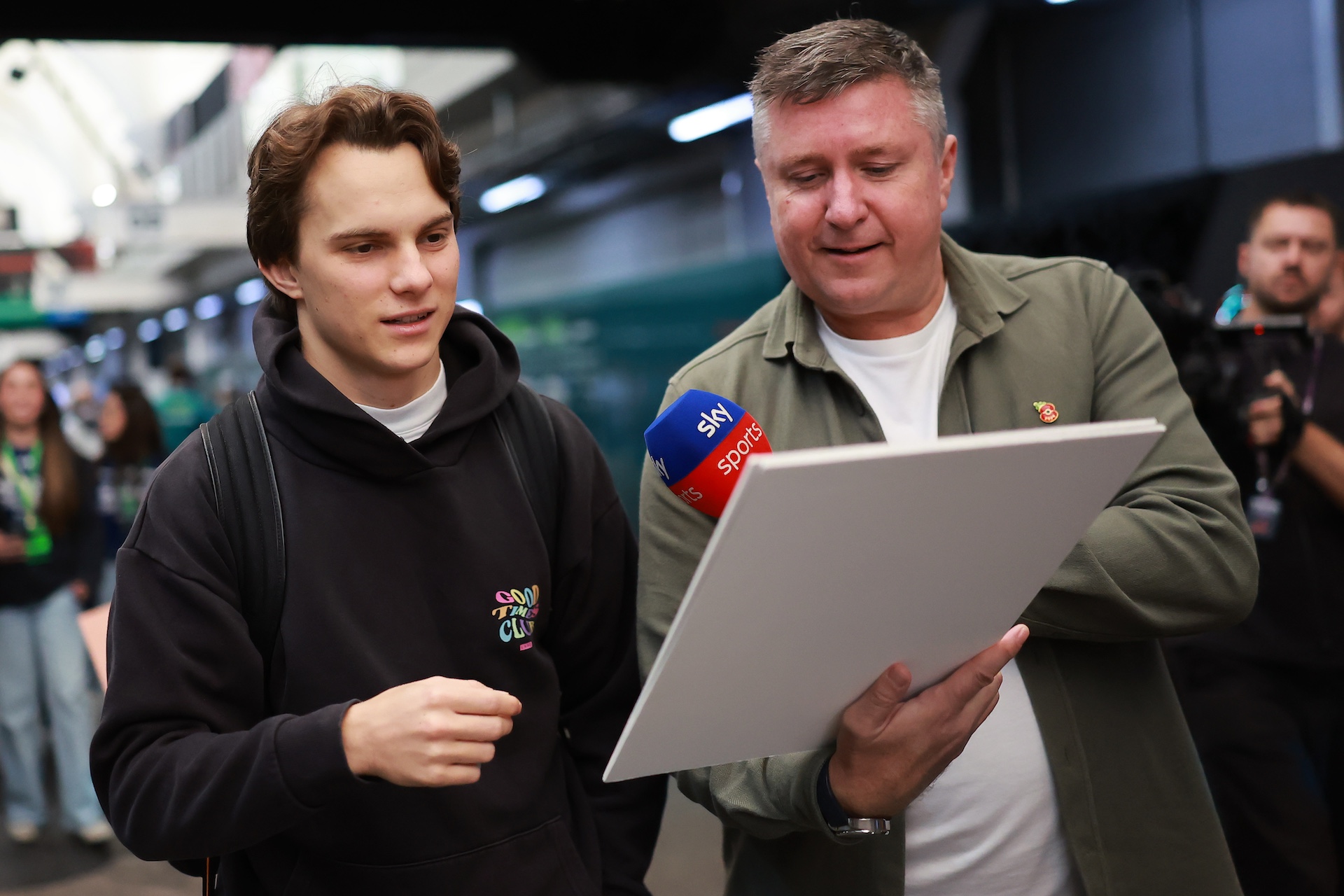
I met Crofty in London earlier this year at a private event, and truth be told, I didn’t know who he was at first since I had only ever heard him, not seen him. In a massive surprise to me, he greeted me by my first name (that may have given me a bit of an ego boost), and then we proceeded to chat like we were already mates.
After exchanging a few Instagram messages over the summer, he agreed to sit down with me for a wide-ranging interview. The making of Crofty; the voice of F1; the man behind the famous tag line played at the start of every F1 race—y’know, that kind of thing. What actually ended up happening was an hour-plus, in-person conversation at the Mexico City Grand Prix in October.
What you’re going to read here has been directly lifted off that chat and organized into sections ranging from his days as an up-and-coming radio commentator, his big TV job interview, his interactions with F1 titans like Bernie Ecclestone and Eddie Jordan, his involvement in the F1 movie and video games, and last but not least, his riveting retelling of the final laps of the 2021 Abu Dhabi Grand Prix. Oh, and a little Bruce Springsteen, who Crofty called out as his all-time favorite performer.
Enjoy.
Landing the Job and the Early Days
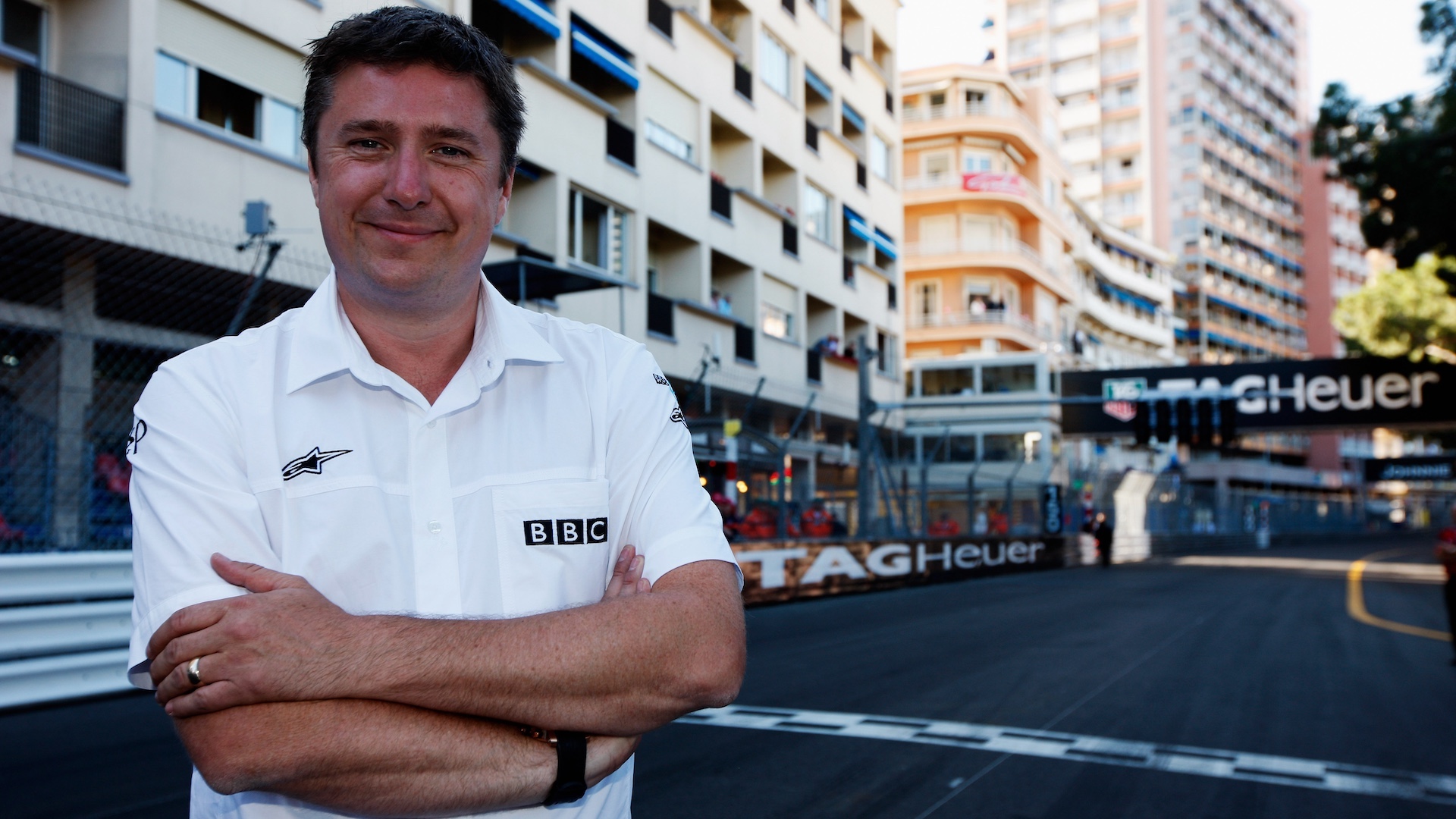
David Croft: When I went for the job as Formula 1 commentator for the BBC in 2005, I had to make up a lap of commentary for the audition. Just one lap: Opening lap, Monza.
I channeled the inner Crofty as an eight-year-old, who would ride his bike around, kick his football, and just go for it. Nineteen others were going for the Formula 1 job on the BBC, but I got the job, so I must have been good. It was really quite a daunting process, because as much as I was a fan of F1, up until that point, 23rd of December 2005, and even after the audition, I hadn’t considered that it was a realistic possibility that this could now be a career. And then I was given the job, and I’m like, “Okay, Jason [producer], what do I do now?” He went, “You need to learn F1. You need to learn F1 fast.” So I basically spent the entire January watching old races, and then more recent Grand Prix. I had to go back and think as a sports fan to figure out what I would want from a commentator, and then try to develop that craft.
Then once you get to meet the drivers and do the interviews, and you’re thinking, “Well, I thought I knew a bit, but I don’t. I don’t know anything.” And you spend an entire year realizing you know nothing compared to the people in the F1 paddock, which is a daunting place to walk into.
Jerry Perez: Which memories from these daunting early days stand out?
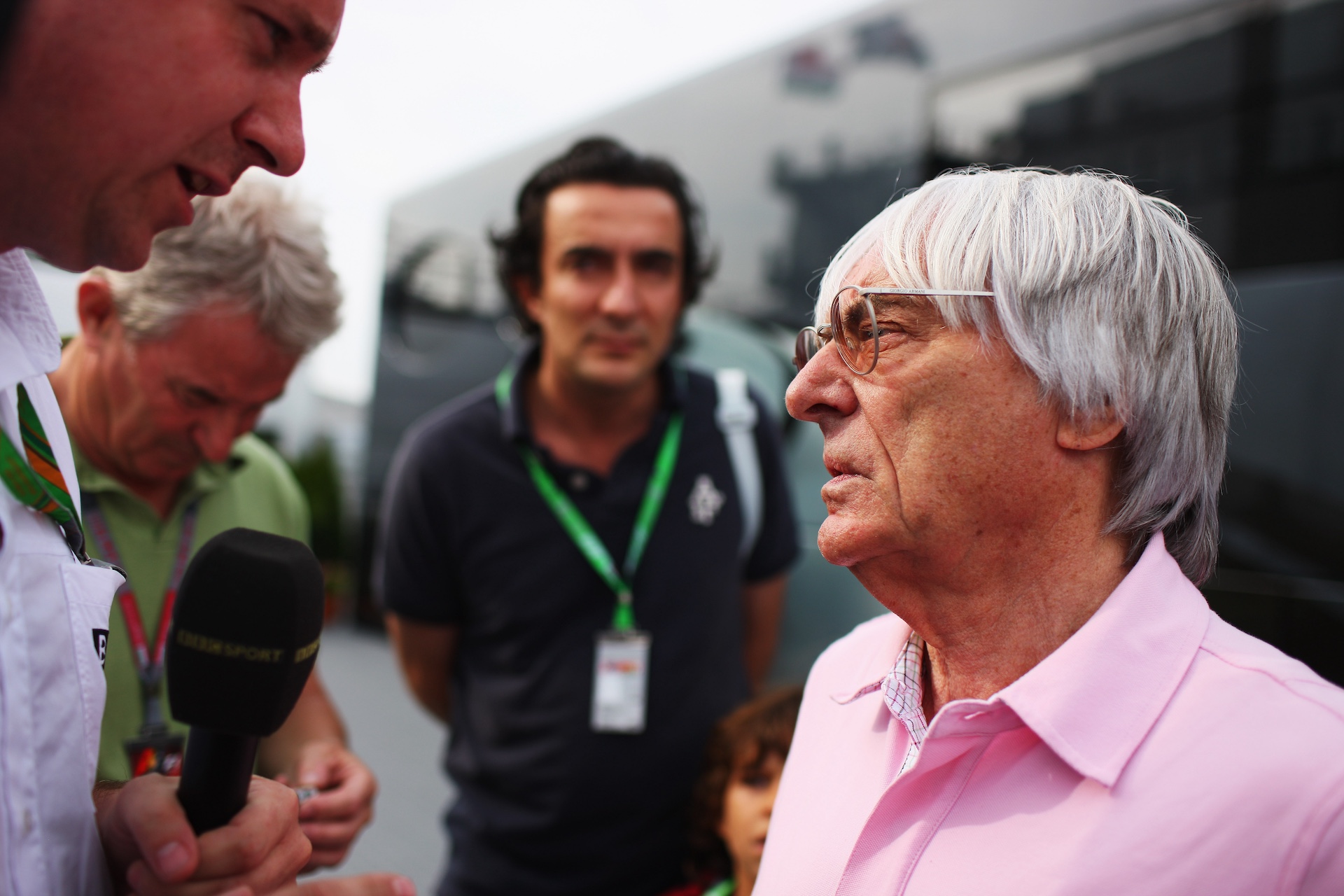
I remember interviewing Bernie Ecclestone the first time I went to Silverstone.
That must have been intimidating.
It was a touch. I said, “Bernie, what a great day. The sun’s shining, and there’s a sellout crowd at Silverstone.” He said, “Yeah, people want to come for the final [GP at Silverstone], don’t they?” I said, “Is this the final at Silverstone?” He said, “Well, it could be. We’ll see.” He said this because, at the time, Damon Hill, as president of the BRDC, was negotiating to save the British Grand Prix [contract] at Silverstone, and he did. Bernie was very much trying to do a deal, so there was the politics of playing all the angles. But you know, Bernie was great. You could ask Bernie anything, and he’d always be up for an answer. He delighted in talking to the media, and he was the ring master. Without Bernie, we wouldn’t be here.
But you know, the time was right for Liberty [Media] to take over, and they’ve changed the way people consume and view the sport. They’ve done such a magnificent job that earlier this year I talked to Lewis Hamilton in Times Square, two boys from Stevenage looking up at all those big screens, and Brad Pitt was on every single one of them. It was for F1 The Movie.
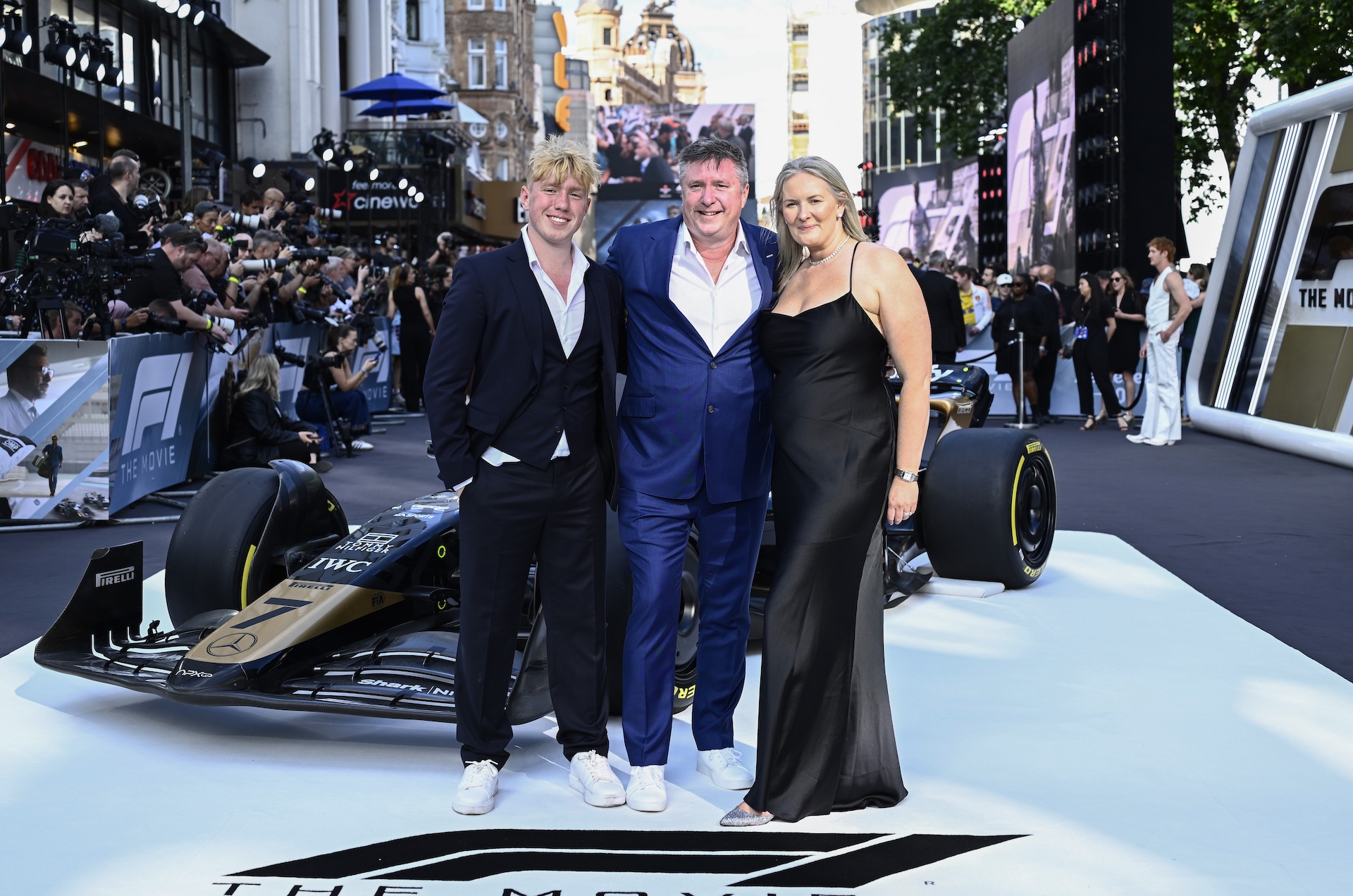
We’re both from the same town, and I asked him, “Did you ever think one day we would be in Times Square looking up at a movie about our sport and it being the biggest thing in New York at that particular time?” It’s insane, and I love being a part of it.
I love that story about you and Hamilton.
You know, without Lewis, I wouldn’t have been in the movie, which was nice of him to get me [and Martin Brundle] a part in it. I thanked him for this. He told his fellow producers and the director that if they wanted realism, if they wanted it authentic, they needed Crofty and Martin. To get to work with Joe Kosinski and Jerry Bruckheimer was mega, and not only did Martin, Brad Pitt, and I get a selfie on the red carpet in New York, but I got to introduce my youngest son to Brad Pitt at the London premiere as well. So, if I’ve done nothing this year, I’ve absolutely opened my son’s eyes to what he could do when he finishes his studies.
That’s amazing. As a dad, you know, I often take my son and daughter to races, introduce them to people, show them what’s out there. Sometimes that’s all it takes to broaden their horizons.
Lights Out and…
Your famous slogan, what’s the story there?
I was looking for something to say at the start of a race where I could just say it without thinking about it, and then work out what was going on during the start—something to capture a bit of drama and get people ready and on the edge of their seats. And, well, that seemed, to me, to be the best line. I’m like, “Yeah, lights out and away we go.”

2025 Qatar Grand Prix FULL HIGHLIGHTS 🏎️🏁 | ESPN F1
Ben Edwards once told me he used it once a long time before that, though I have no idea whether he did. But I’ve kind of made it famous now, right? You know, it’s what people associate with me, and it’s lovely, and people want me to shout it. They want to shout it as well! It caught on globally, and that blows my mind.
I love it because when I go back to the early days, when I asked myself, “What do I want as a sports fan from a commentator? I want a commentator to kick it off with gusto, then take me through the story as it’s being generated, keep me on the edge of my seat, and fill in the blanks I don’t understand, or have people with him to fill in those blanks. You know, when we get to all the technical stuff and to bring drama and passion and excitement—and not give me a reason to switch off—that’s what we try and do. People are inviting us into their lives every time we go on air, and that’s a huge privilege.
Lights out and away we go is the start of that invitation, just like the opening bars of Thunder Road by Bruce Springsteen. You know, it’s my favorite song of all time. It’s an invitation to what could come next, to go on a journey. If you just come with me, you’d be amazed at what could happen. That’s what the narrator in that song is saying.
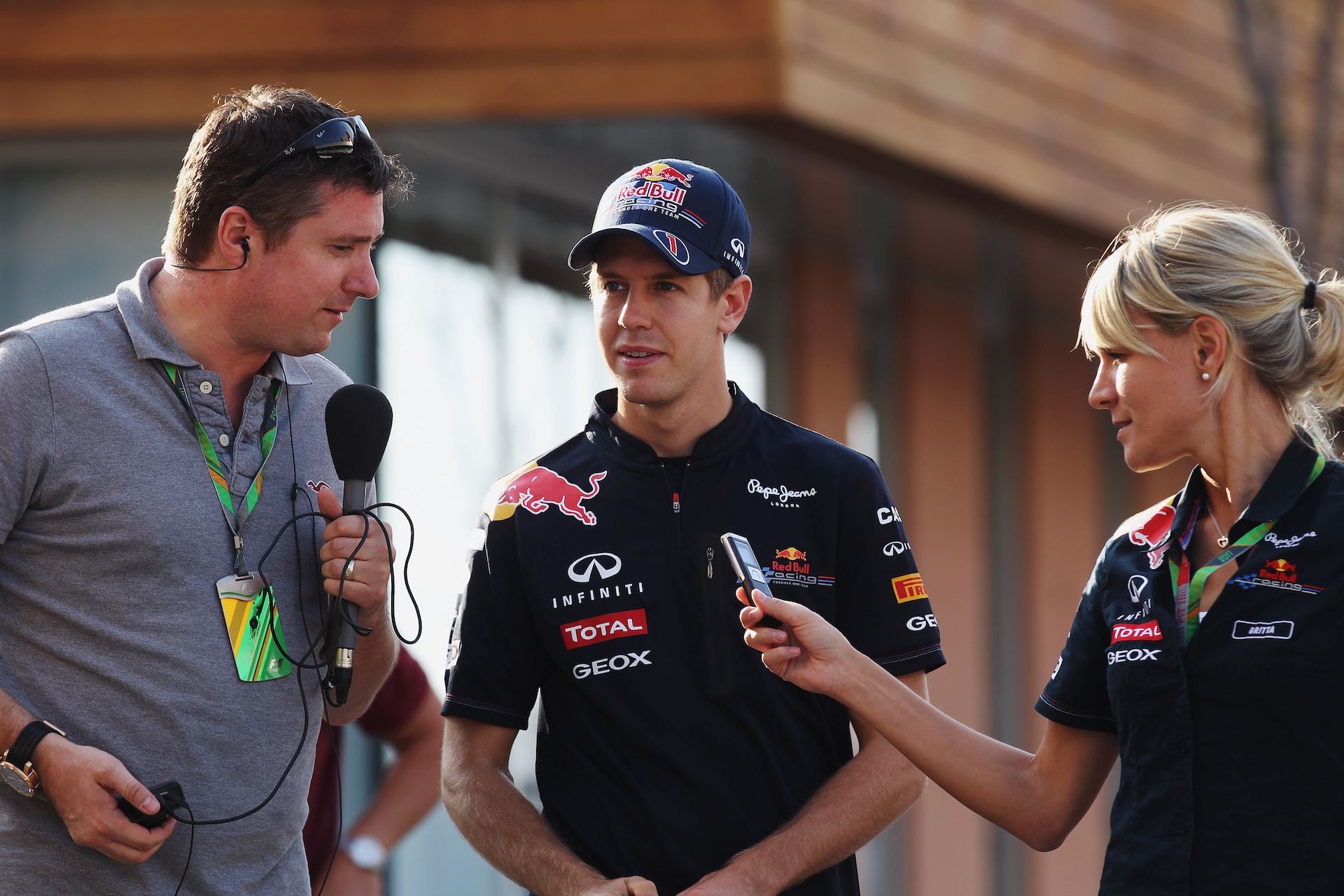
Life in the Booth
One of the things I find remarkable about what you do is your and your team’s eloquence as you narrate a story that is unfolding in real time before your eyes. There’s no script—sure, you’ve got notes—but you don’t know what’s going to happen, and if you say the wrong thing, you’re saying it to millions of people across the globe. How do you handle your personal thoughts and opinions about what’s happening during the race or regarding race control calls, team calls, etc?
I talk to the pictures, and that’s why there’s never a script. There are commentary notes, but there’s never a script. Even when you see the opening theme to a race and the track map, there’s no script; that’s totally live off the top of my head.
I never know what I’m going to say. I want to be in the moment. But you know, sometimes the pictures kind of freeze, technicals go wrong, and you’ve got to be able to pick up and carry on as if nothing had happened. I’m not there to comment necessarily on driving standards or how a driver goes about racing. I have experts with me, and they are Martin Brundle, Jenson Button, Nico Rosberg, Jacques Villeneuve, Anthony Davidson, and Karun Chandhok—they know their stuff. When it comes to strategy, I’ve got a handle on it, but Bernie Collins probably knows more about strategy than I do. I’m working with great professionals and great friends as well. So, it’s my job to ask the right questions, to kind of probe a little bit if I don’t think we’re getting the correct answer.
Based on the conversations we have had with the teams throughout the weekend, as well as our experience from past races, Martin and I can go and talk strategy and talk about the key moments of the race so that when things happen, we’re not surprised by it, and we can tell people why they happened.
For instance, Ferrari and Charles Leclerc switching to the soft tire in Austin did not surprise us in the slightest because Ferrari had been talking about the possibility of the soft tire coming into play and being a decent race tire, whereas McLaren hadn’t. We use our experience to help all of that tell the story, and not to tell people what is going to happen because that’s really poor form. Look, if we knew everything that was going to happen, I’d probably have a really big bet on the race, and we’d be having this interview in my private villa in Playa del Carmen.
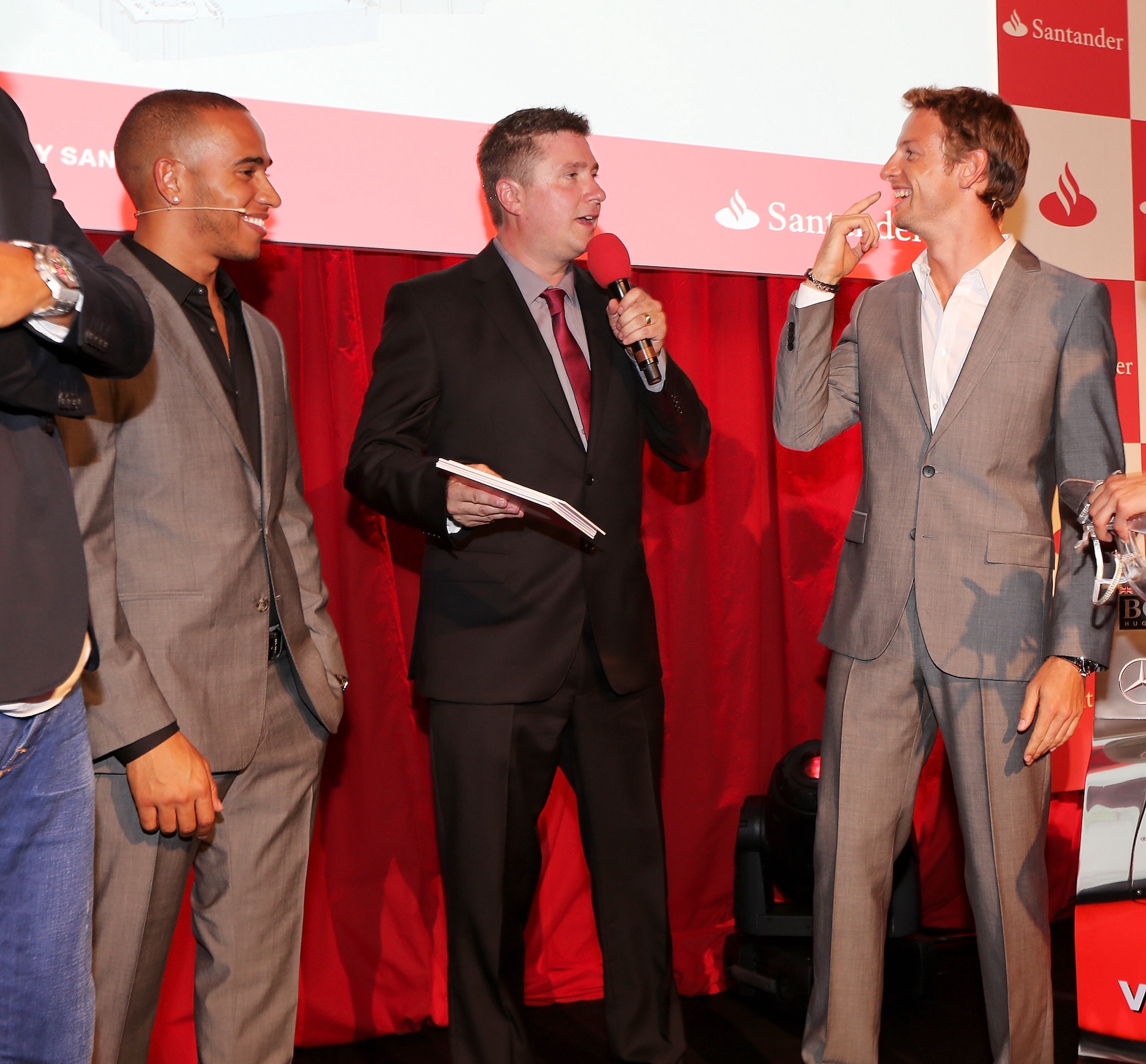
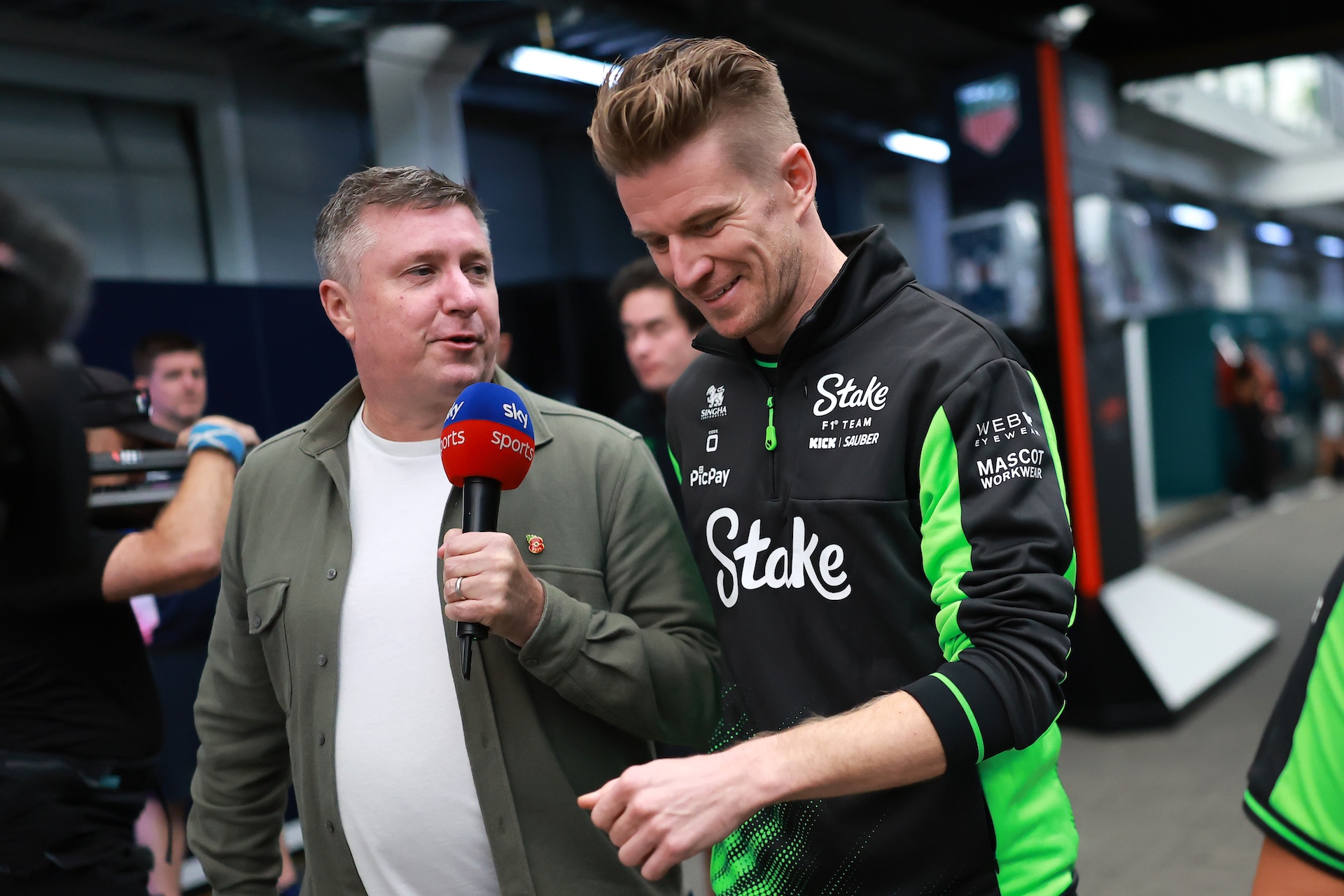
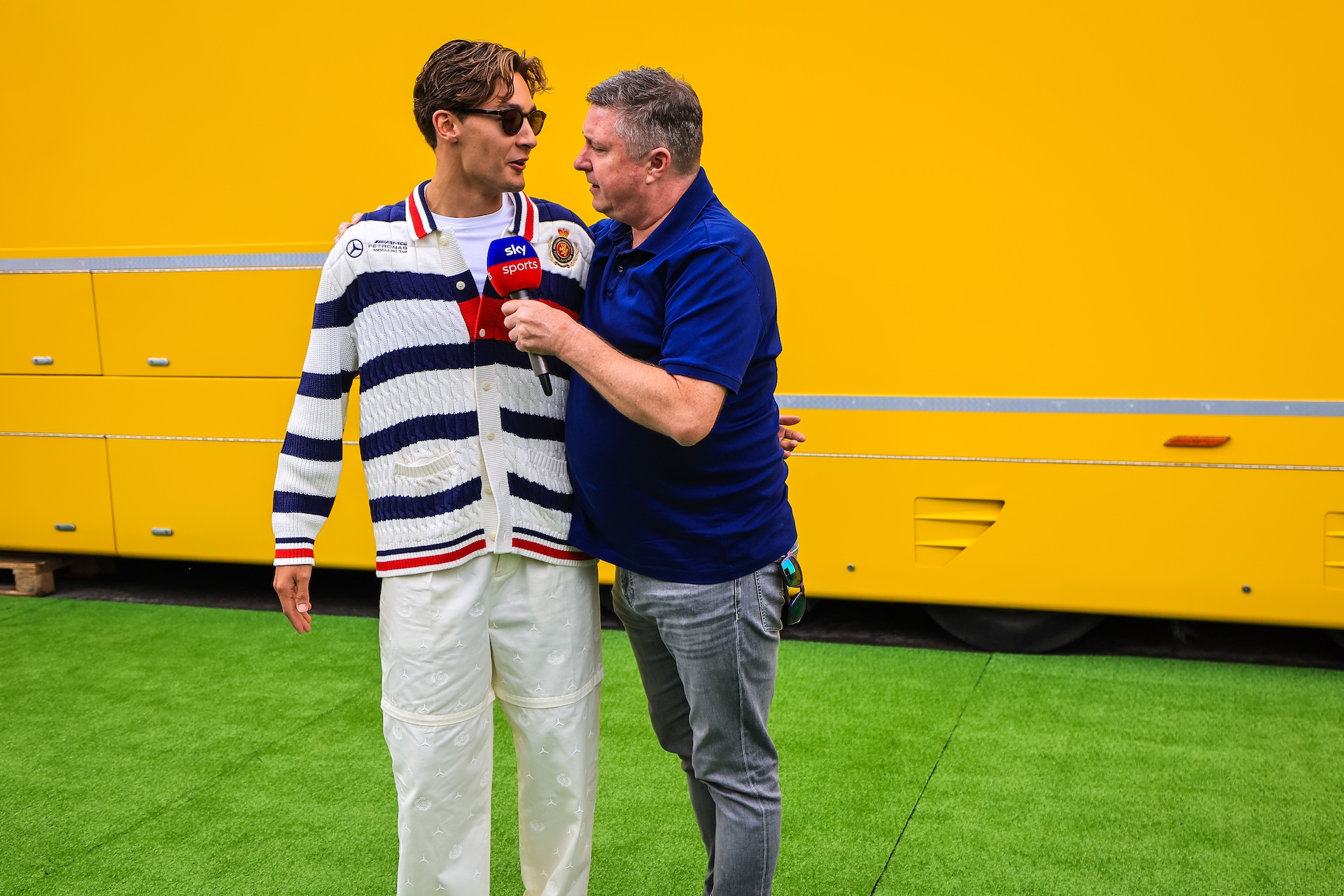
And lastly, “Jeopardy” is an underused and never understated word in sports commentary, and our first head of Sky Sports F1 used to say, “Crofty, Jword Jword Jeopardy. Never ever forget the Jeopardy!” And I thought about him a lot a few years ago, in 2023, in Monaco, when Fernando Alonso was on provisional pole. We were about to celebrate an Alonso pole for the first time since Germany 2012, and Max Verstappen was a tenth down through two sectors. And I’m like, “Alonso is gonna take a first poll since 2012 unless Max can pull out the final sector of all final sectors, and if there’s anyone that can do it, it’s Verstappen. He’s done it before and… he’s done it again!”
And Paul goes, “I could have written it off because that final sector in Monaco is very short and he’s a long way behind. But you never write it off until it happens because you look foolish. Fans think, well, it was never going to happen. Well, you don’t know that until it either does or doesn’t. I haven’t got the luxury of a safety net of doing it again when I know what’s going to happen. As Murray Walker said, “Anything can happen in Formula 1, and it often does.”
Michael Masi Enters the Room
Have you had a bigger moment in your career than Abu Dhabi 2021?
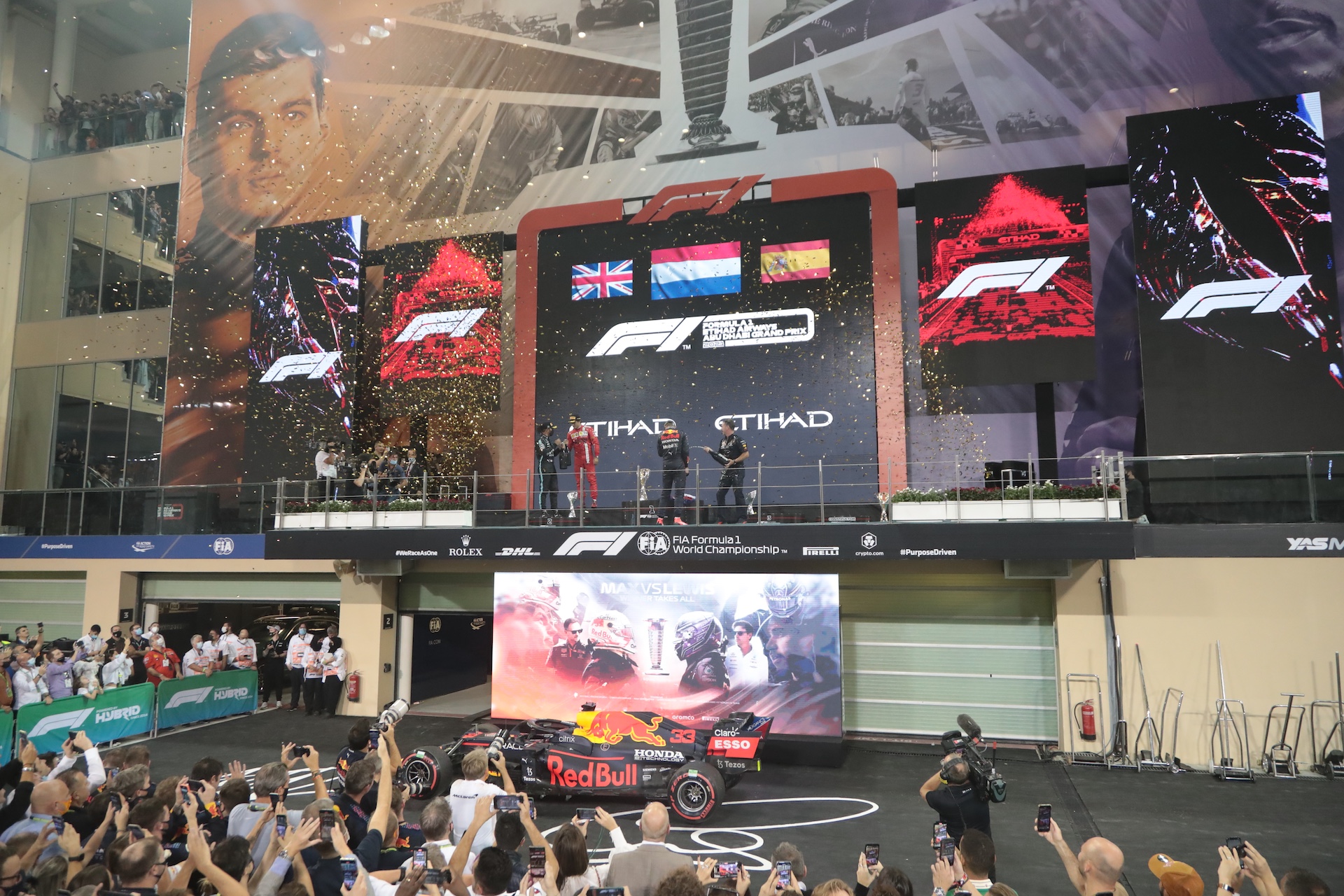
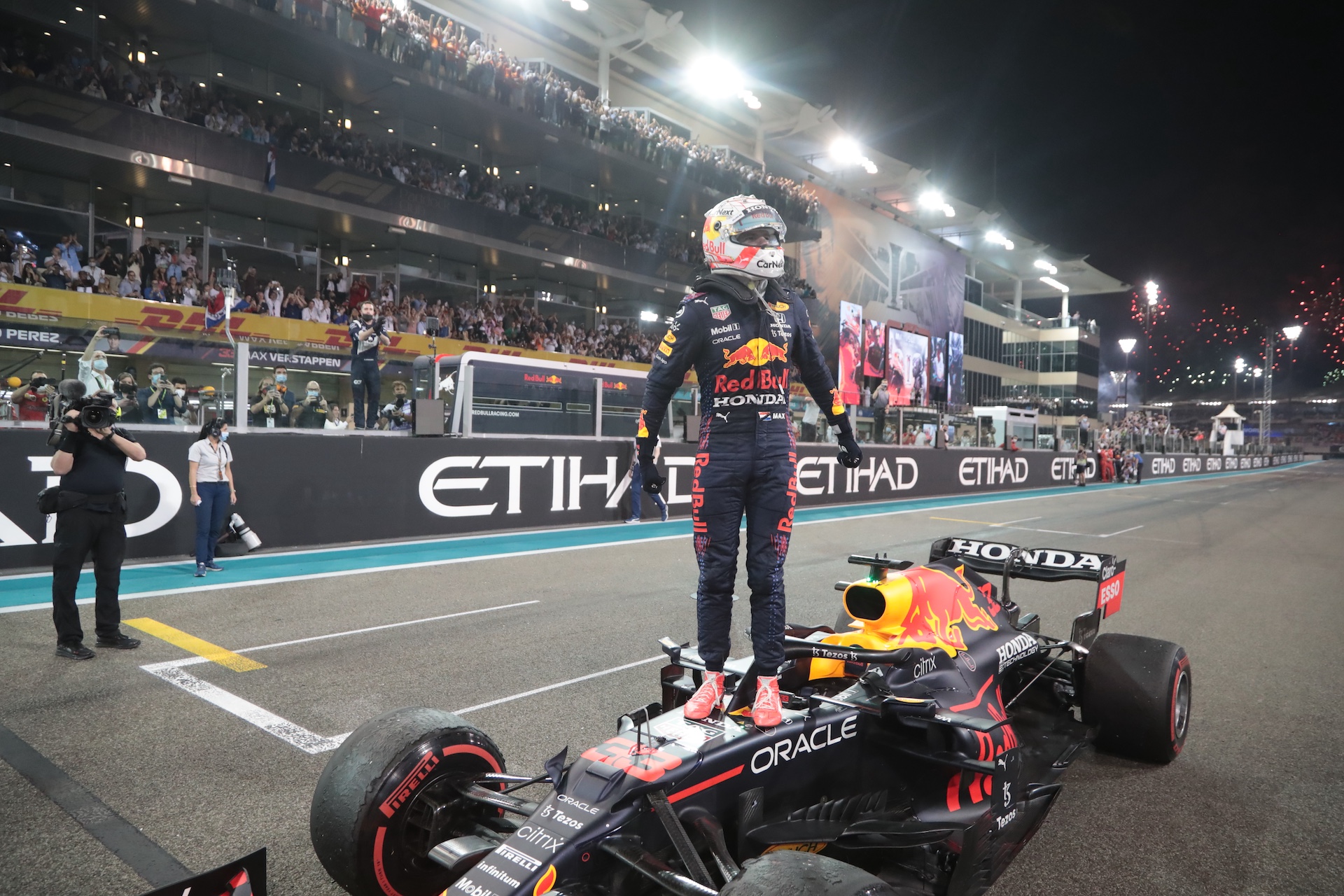
I don’t think any commentator is really going to have a bigger moment than that. It wasn’t just that it went down to the final lap of the final race. That has been done before. Obviously, just the way it happened and the controversy that came from it, but while the race is going on, I’m there to give an honest account of what’s happening.

HIGHLIGHTS from the 2021 Abu Dhabi Grand Prix | ESPN F1
Max still had to get past Lewis, of course, and I’m glad that I kept my options open as to where Max might make a move. And on that lap, by the time he’s gone through the parabolica, you know that it’s unlikely that, unless he makes a mistake, it’s going to be Lewis’ race. So then I go into summing-up mode and then into the buildup for for the car crossing the line and like a great DJ, trying to introduce the next record and not crash the vocals as the fireworks go off—and you just hope you found the right words because once again there’s no script and you’ve not thought about it, and it’s all there in the moment and what comes out of your mouth comes out your mouth and you hope that it’s the best. Then, the fireworks went off—on the track and literally in the paddock itself and we have all the controversy. And that was a moment that the sport will remember forever.
I think Martin and I did a very good job of summing it all up, at the time, and whatever you think of the outcome is your opinion and your right to have that opinion. But in a sporting context, you have to feel sorry for Lewis Hamilton. He did nothing wrong, and he should have been an eight-time world champion that night because he did nothing wrong, and the rules weren’t followed to the letter of the law. Max did nothing wrong and deserved to be a world champion because his team had him on the tires that could get the overtake done. The race director made a mistake, and those things happen, right?
I’m not going to bang on about it too much, and I’m not trying to convince anyone for or against because I don’t think I can. I’ve had enough people try to talk to me about Abu Dhabi 2021, and I always give an honest answer: sometimes the referee gets it wrong under great pressure.
With the teams wanting to race to the line, not have a safety car to the line, you have to judge it as they come. Michael Masi was trying to give the teams what they wanted, and that didn’t work out for Mercedes and Lewis that night. It is a bitter pill to swallow. It did work out for Red Bull, and Max had a great season up to that point, though it was looking like it wasn’t going to end well for him in terms of winning a championship, but he did because referees do make mistakes. They’re human.
If you want to read more, read the FIA report; everything that went on is there. Then I’m sure there’ll be a few more conspiracy theories coming from people who read this article, but it’s the way it goes.
Tell me about the mood in the booth during that final lap, because I was standing up, screaming at the TV while listening to you narrate the madness that I was seeing on the screen. I cannot imagine your level of self-control because I’m sure you were also wondering wtf was going on? How do you control that part of your brain and go, “I’m talking to millions of people. I need to keep my shit together.”
Well, for a start, I don’t think I’m talking to millions of people. I’m talking to you, Jerry.
Thank you!
Sometimes I’m talking to someone doing their knitting in the corner of the living room, or talking to my wife or whatever, but I’m talking to just one person because I’m having that conversation with them. There might be many, many millions replicated around the world, but I’m talking to that one person.
How do I keep control? I mentioned it’s a privilege to be invited into people’s lives. And when you feel that privilege, when you know that people ask for you when they turn on their tablet, TV, or whatever to watch F1. That’s them making a conscious decision to listen to this and watch this, so you give them the very best that you possibly can, which is not me ranting and raving and shouting in that moment. And there’s a realization when the [booth’s] light is red, everyone can hear you, so don’t say anything that you don’t want to stand up after the microphone’s been turned off. You keep calm on-air because it’s your job and it’s what you’ve become accustomed to. I’ve never sworn; I’ve come close to it, but still haven’t.
It’s all about being commentator Crofty at that moment, if that makes sense. I’m not Crofty down at the pub with my mates, I’m not Crofty at home with my family, I’m commentator Crofty, and I’m focused on my job and delivering something that people resonate with.
And you’re not the only person who told me they were jumping up and down, screaming at the TV.
Oh, I can imagine.
Ross Brawn told me, “In Abu Dhabi, I was jumping up and down and screaming in front of my television. I said, “Brilliant! If you were screaming then everyone was screaming—that’s what we’re trying to do here, Ross.”
Commentating in the Age of Social Media
Many years ago, if you wanted to tell a writer like me or a commentator like you that they were happy or upset with the job we were doing, you had to grab a piece of paper, a pen, write a letter, put it in the mail, and hope we received it. Nowadays, you post something to social media, and the entire world can read it. Has that affected you in any way?
I remember Murray Walker, the great Murray Walker, was a brilliant mentor and friend. He said he felt he would have struggled in this modern age of social media because of the comments that come in instantly at all times. And that really hurt me listening to that because Murray wasn’t just the greatest commentator ever, he was also one of the greatest human beings that’s ever walked this planet. Love the guy, and any time spent with Murray was always a reward.
Social media has many benefits, and everybody has the right to voice their opinion. Freedom of speech is absolutely vital, and many people don’t have the luxury of it, but we should all have it. We’re all human beings. We’re all equal on this planet. But with that freedom of speech comes a responsibility to your fellow human beings. And I always think, don’t say anything you wouldn’t be prepared to speak to their face and get a reaction one way or the other. And a lot of stuff I let slide, although it’s not particularly pleasant or friendly, but that’s the way some people are.
I remember a tweet someone sent me on my second race at Sky. You know, I’ve gone from radio to TV, and I’m feeling my way through this, and it’s all a big learning curve. I hope I’m doing a good job! And this tweet just read, “Crofty, why don’t you use the practice sessions to practice being a little less shit?”
Just be nice to people.
The 500
You’ve covered a lot of different sports, even darts. Is there a sport or event on your bucket list that you haven’t commentated on that you feel like would add that extra notch to your belt?
I’d love to do the Indy 500, I really would.
Okay, so, as someone who lives in Indy, I was going to phrase the question as: Is there an event on your commentator bucket list, and why is it the Indy 500? But I refrained.
It’s definitely the Indy 500, why not? I’ve been to Indianapolis, I’ve commentated there [F1], and I love the Brickyard. It’s a great place. I’d like to go to Indy and tell that story. Every year, it’s a phenomenal event, and it’s a welcome distraction from delayed flights on the way home from Monaco because it always coincides. So, we’re all watching it, trust me.
I’ve already done the Super Bowl. I commentated on the Super Bowl back in Miami 2007; Bears against the Colts. I’ve done so many different things over the years, so I think the Indy 500 now would be the one. And maybe curling at the Winter Olympics, because it’s like tidying or sweeping up the house, right?
Eddie Jordan
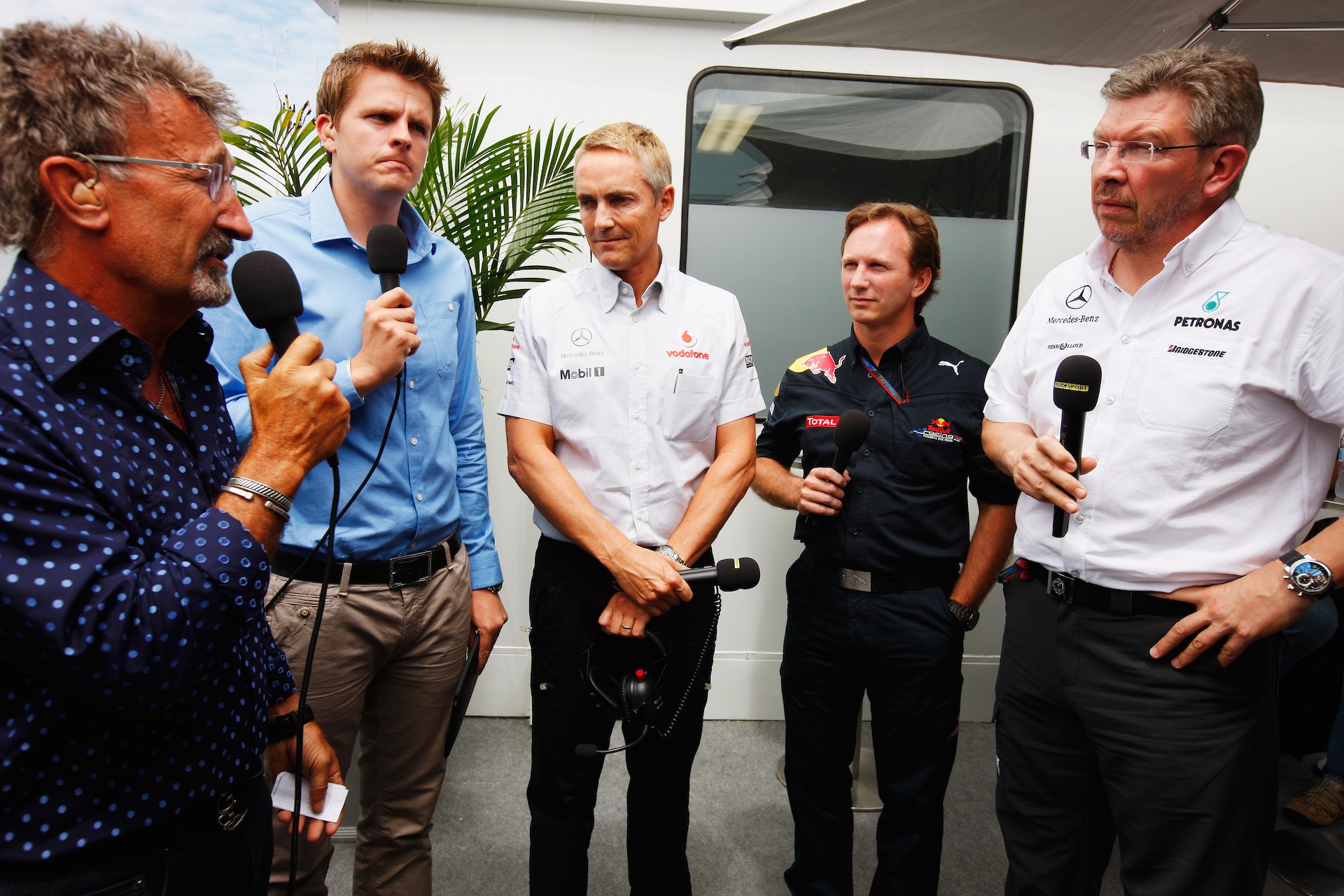
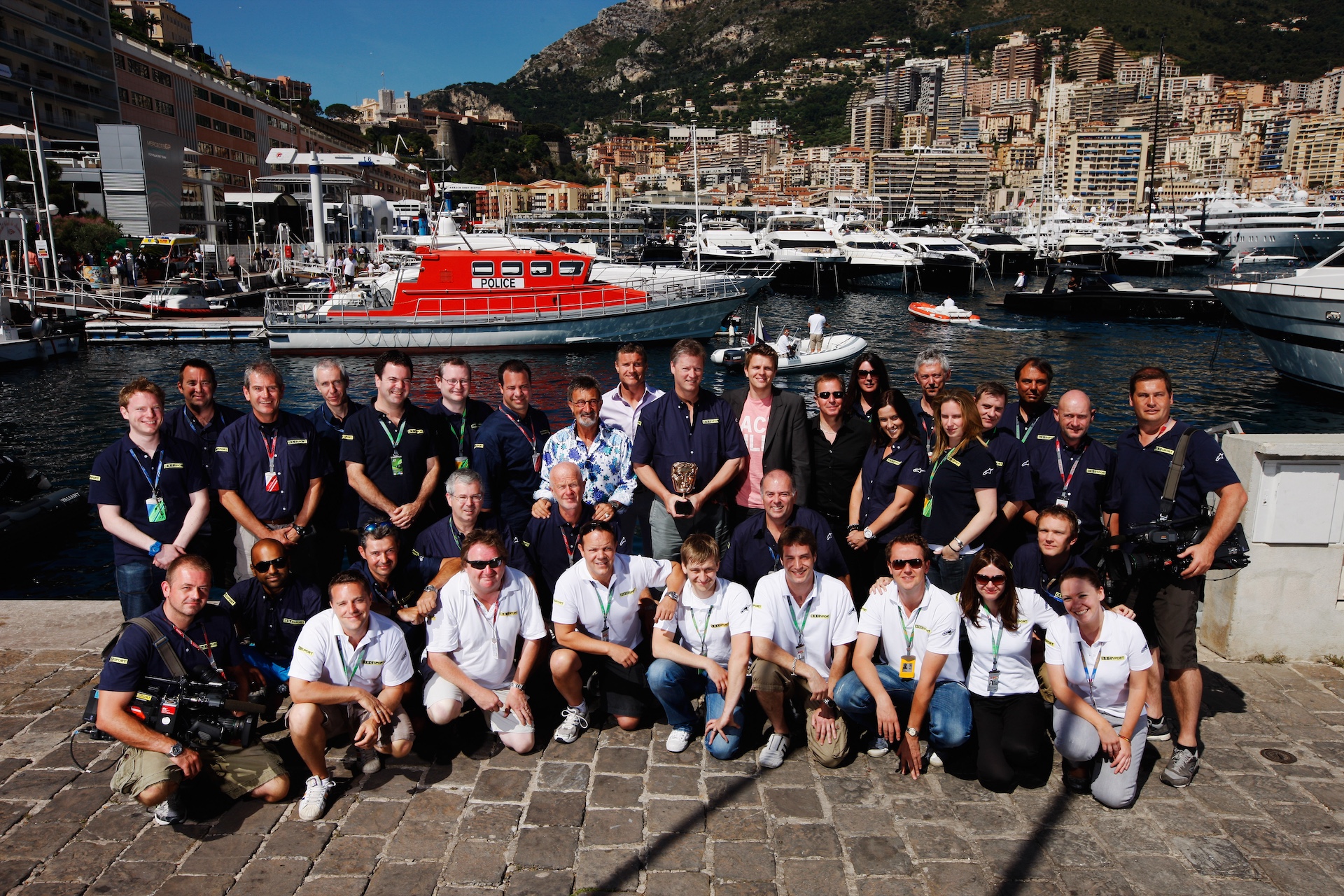
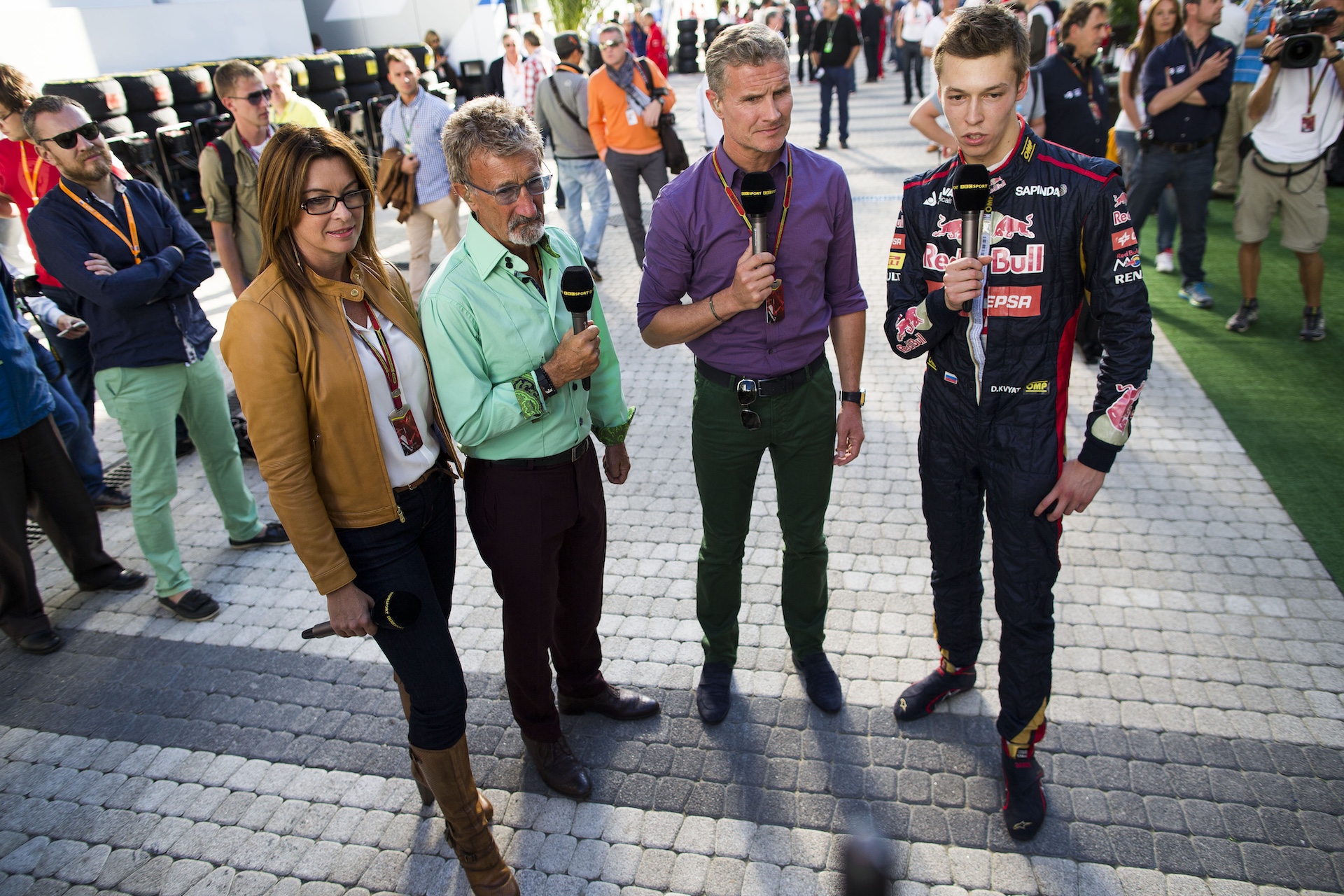
“Eddie was a guy you never knew what you were going to get from one conversation to the next, except you were going to get fun, joy, something in depth, and something unique. Eddie was totally unique, and I loved him. When we were both working for the BBC, we’d be about to do a [remote] interview—like a sports panel or something—and my phone would ring minutes before it, and it’d be Eddie. “Why? What? What are we talking about?” he’d start asking. “We’re talking about F1, Eddie, what do you think? Just say whatever you want, you know?” In those sorts of moments, we all loved him because he was the heartbeat of the paddock. He was a life and soul.
I’ve been with him on stage, taking questions, where someone asks him something, and 20 minutes later we get back to the same question because he’s gone off on a tangent, but he always kept everyone entertained with great stories.
I remember a brilliant moment at Silverstone when he already knew that Adrian Newey had done a deal with Aston Martin [via Jordan], but he couldn’t say it. So, I’m talking to Newey backstage at Silverstone, and I’m in my car, and here comes Eddie around the corner, and he’s telling Adrian, “Don’t talk to him, don’t you talk to him. He’s a journalist, you don’t talk to a journalist!”
I said, “That’s alright, Eddie, he’s not told me anything at all.” Eddie said, “Yeah, keep it that way.” So I added, “Except that you’ve got a mega deal for him to sign for Aston Martin, is that true?” The fact that Adrian had told me the deal had been done and how much it was worth, and Eddie was pretending to have fits of rage. He was delightful.
A Bit of Advice
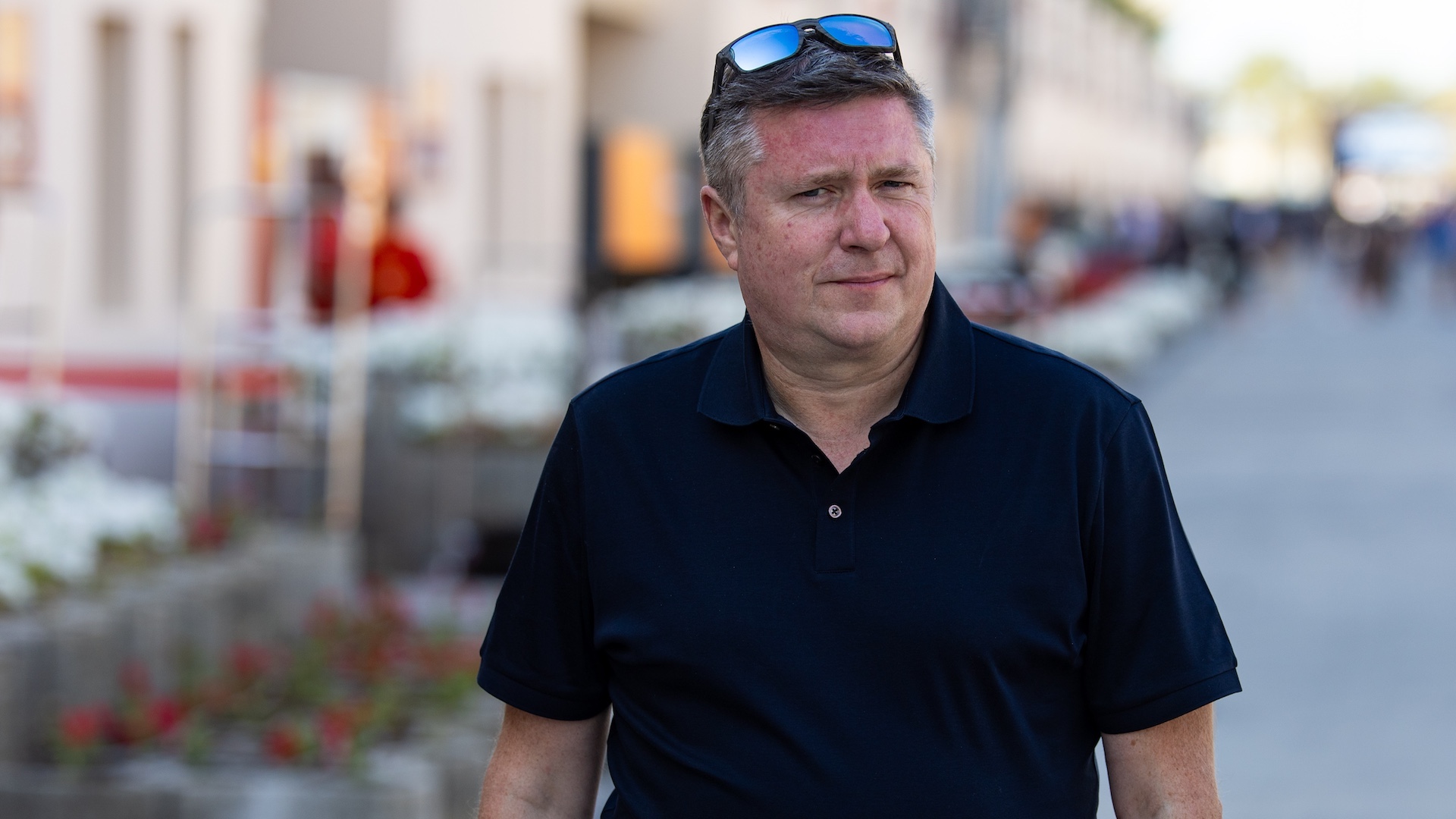
As you know, Crofty, English is my second language. I really struggled in school when I moved to the U.S. as a kid, and I actually did quite poorly in English class. It never ceases to amaze me that now, my job involves reading, writing, and comprehending the language. I’d say that the cliche of “if you work hard and follow your dreams” applies to both of us, no?
You’ve got to follow your dreams in life. The only advice I would ever give people, two bits of advice, three bits of advice, follow your dreams, whatever your dream is. If you work hard enough, apply yourself well enough, and make sacrifices to get where you want to go, then the sky isn’t the limit. Beyond the sky is the limit. There’s nothing holding you back except yourself.
I’ve always said this because I’ve always believed this. I left school with four O-Levels, which is like the exam certificate you get when you’re 15, 16, and one A-Level, which you get when you’re kind of 18, and look where I am. I’ve done okay.
Obviously, if your dream is to be an F1 commentator, wait a bit. I want to finish my run.
Email the author at jerry@thedrive.com
Loading comments…
Comments couldn’t be loaded. Please refresh the page.