

Cars are encrusted with sensors that scan the surrounding environment and the status of mechanical components, but the electronic gaze is increasingly being turned toward the driver. Driver-monitoring systems are designed not only to prevent distraction from things like phones, but also to ensure drivers are using assistance tech properly. It’s a bit Big Brother, but given the ambiguous nature of current driver-assist tech—where people have to remain alert even when they aren’t actively driving—it’s a necessity.
Automotive supplier and contract manufacturer Magna thinks the future of driver monitoring is mirrors that gaze back at you. The company claims its rearview mirror-integrated system can identify distraction more quickly, while providing more flexible packaging for automakers. The driver always has to have the rearview mirror in their line of sight, after all, so that means the RGB-infrared camera mounted in the mirror can always see them. That’s not always the case with current driver-monitoring cameras, typically mounted in the instrument cluster or on top of the steering column, which can get blocked by the wheel or a driver’s hands.

Magna also claims that this setup works with a wide variety of car and person sizes, from compact sedans to large SUVs, and from tall to short. And because all the hardware is mounted in the mirror, there’s no need to design dashboards around it, Magna notes. The company claims the same hardware set can also support related features, such as occupancy detection, seatbelt monitoring, and “additional interior sensing capabilities.”
Rivian is already showing what some of those other capabilities might be. The R2 has a mirror-mounted RGB camera that, in addition to serving as a driver monitoring device for Rivian’s own Universal Hands Free driver-assist system, has a Pet Cam mode that is exactly what it sounds like.
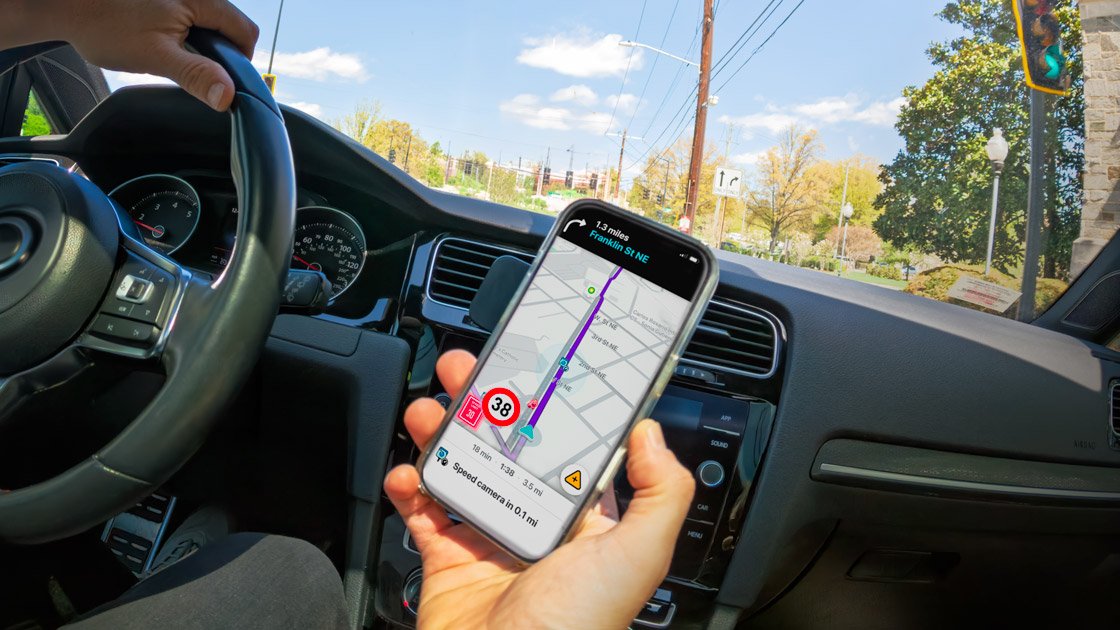
This system isn’t available in the U.S. right now, but Magna has been slowly ramping up production. It started producing the hardware set in 2024, and announced plans to launch it on Chinese-market cars from a Germany-based automaker in October 2025. Earlier this year, Magna announced a supply agreement with an unnamed European automaker, but with no details on which markets that would include.
In-car cameras might always feel a bit creepy, but they’re the most effective tool for preventing misuse of driver assistance systems right now. The only viable alternative is steering-wheel sensors that measure torque or grip, and they’re being made obsolete by the latest hands-free systems. There’s a conversation to be had about whether increased driver assistance is a safety feature or a convenience feature, but either way, this tech is out there on public roads, and the risk of misuse is too high.
Loading comments…
Comments couldn’t be loaded. Please refresh the page.