
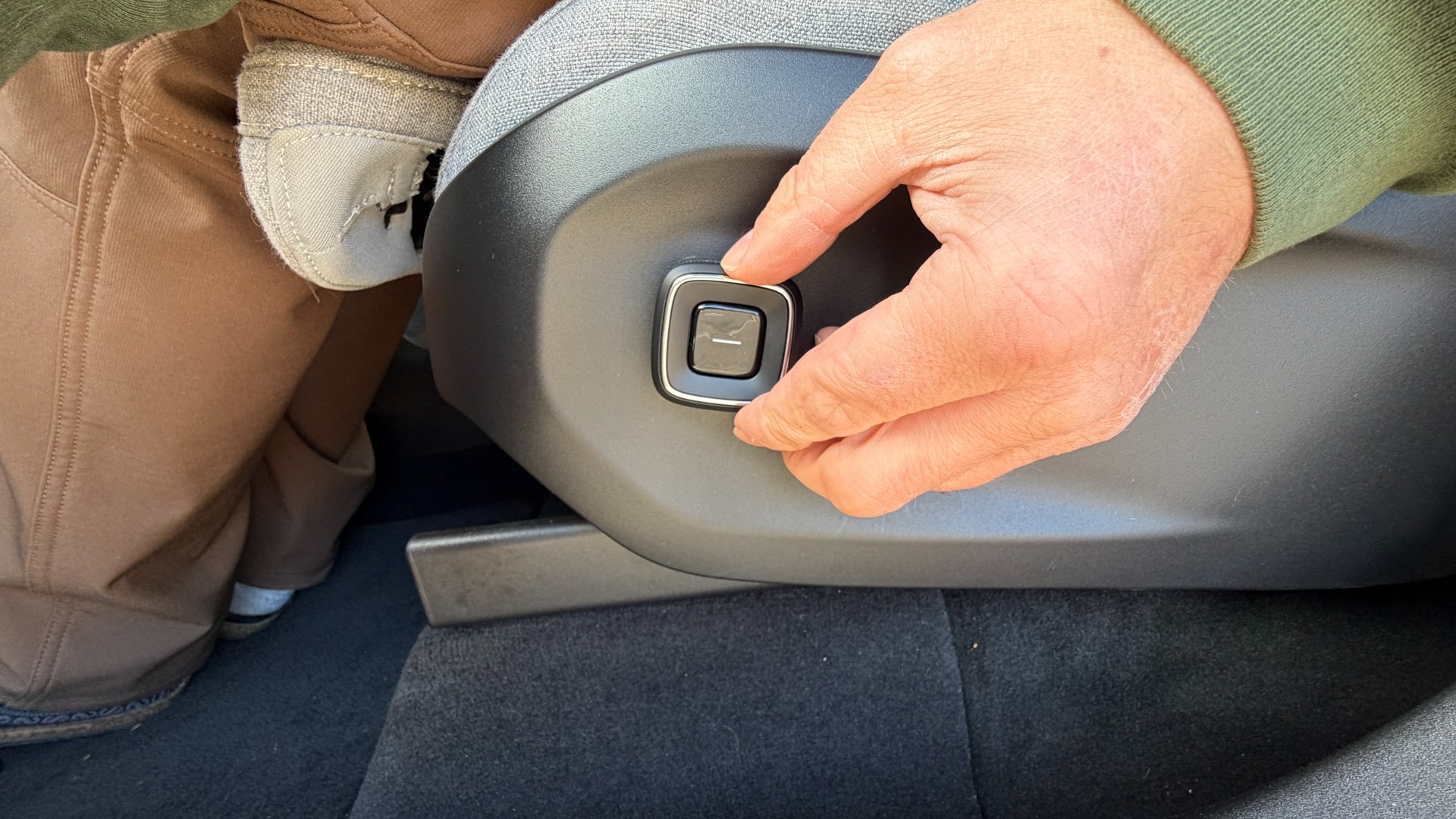
A week of testing a 2026 Volvo EX90 left me with mixed feelings; more on that later. But one piece of the human-machine interface that stood out to me was the switch used for seat adjustments. This is one area of HMI where I’m actually on board with the idea of “less is more.”
On most luxury cars, you get a bunch of seat-adjustment buttons. At a minimum, there are usually two perpendicular switches (shaped vaguely like a seat) that let you move the bottom and back independently to make yourself comfortable.
In the EX90, Volvo simply put the up/down and forward/back functions on one square physical switch. A button in the middle acts like a “shift” key: tap it, and the control’s function changes to tilt and lumbar (with massage menu options popping up on the main screen, if your car is so equipped).
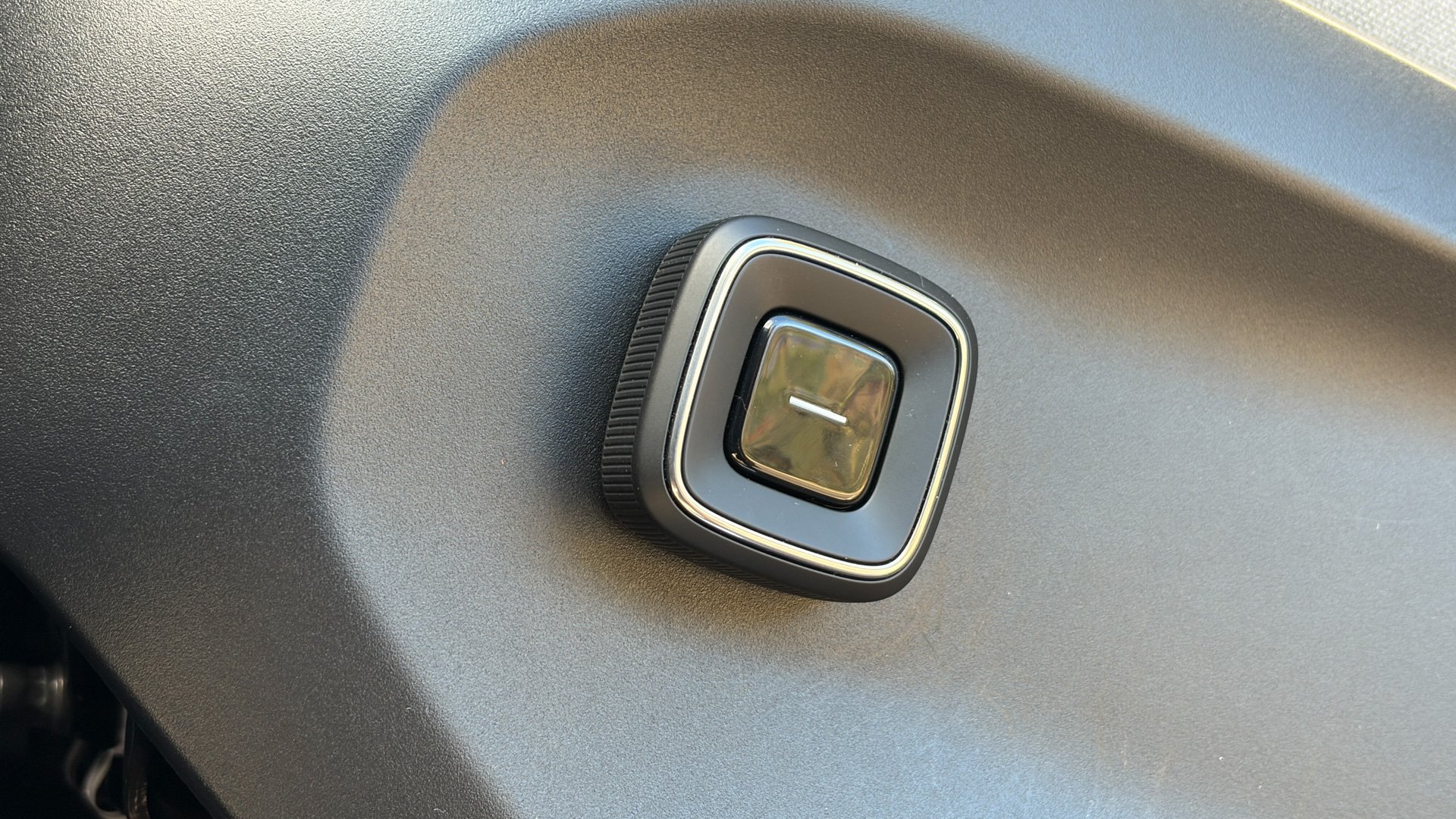
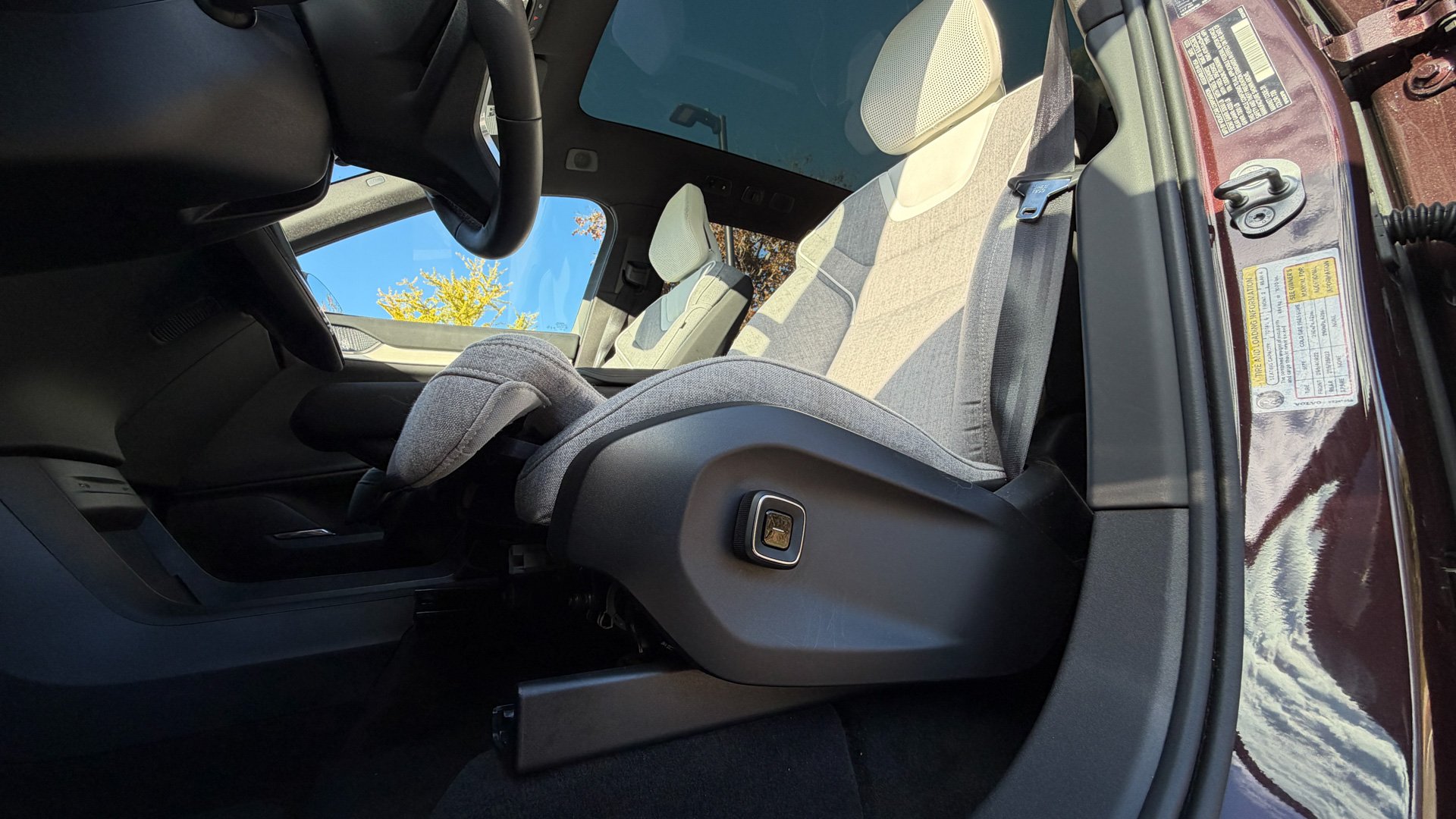
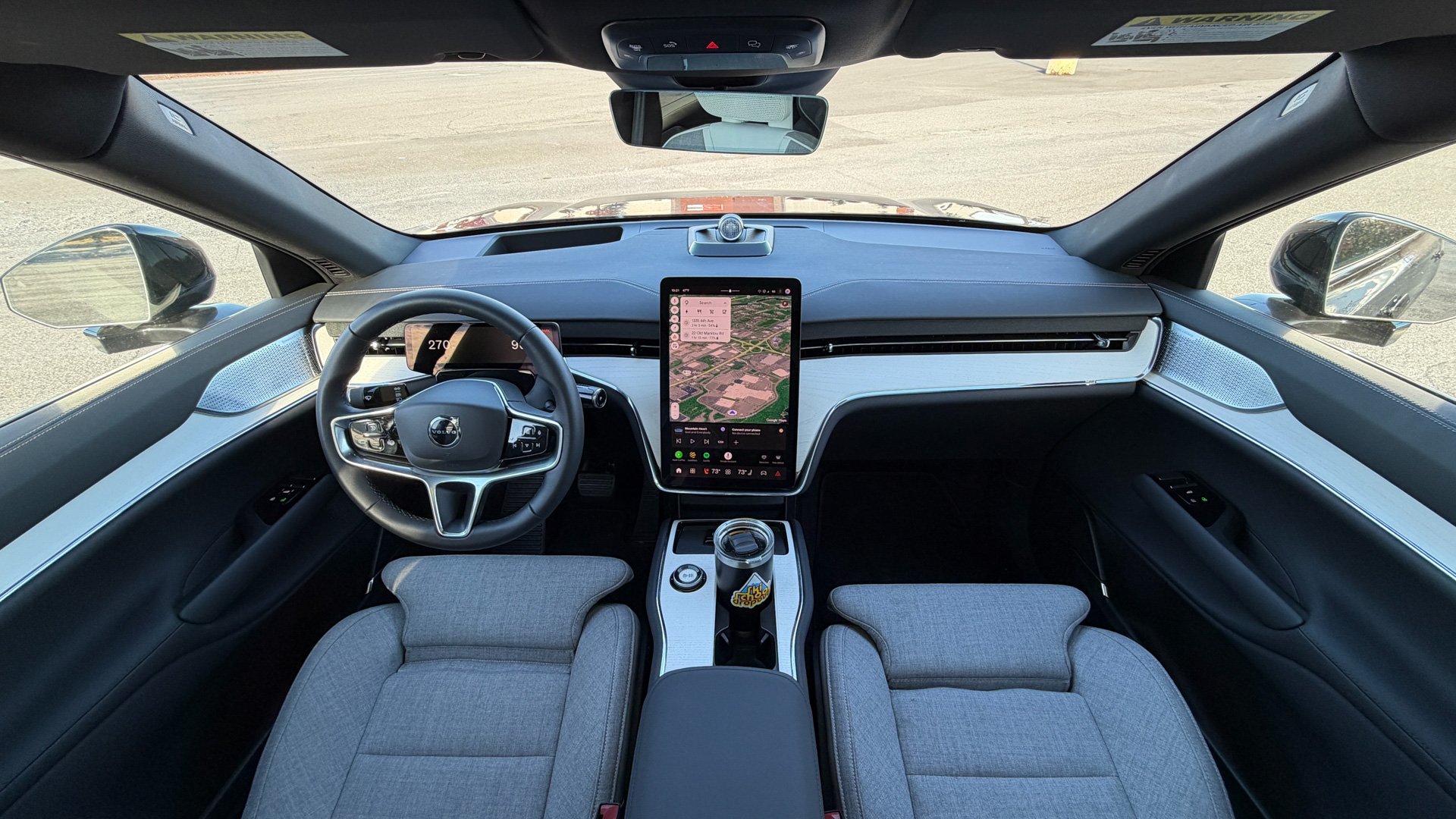
I’ve driven hundreds of cars and adjusted as many seats, and the EX90’s setup is currently at the top of my list for ergonomic excellence. It feels very natural. And while it may have been devised in the name of cost-cutting (fewer buttons means cheaper construction), I found the user experience quite good.
On the other hand, the EX90 uses a similar system for the window controls, and I absolutely hated it. It, too, is an example of manufacturing efficiency packaged as minimalism. You get two window switches, despite the car having four power windows, and you have to toggle the switches between front and back.
I think this one-button, multiple-jobs setup works for the seats but not the windows because seats are a “set it and forget it” deal, whereas I’m constantly rolling windows up and down. I only let Bramble the dog stick her snout out below about 35 mph, and since I live in a rural area with a bunch of 30-mph roads and a few central 55-mph ones, my back windows go up and down at least twice almost every time we leave the house.

Anyway, I’m not convinced Volvo’s minimalist approach is yielding a good overall automotive experience. But credit where it’s due: This seat switch is my favorite in a while.
Got a story tip? Drop us a line at tips@thedrive.com.
Loading comments…
Comments couldn’t be loaded. Please refresh the page.