
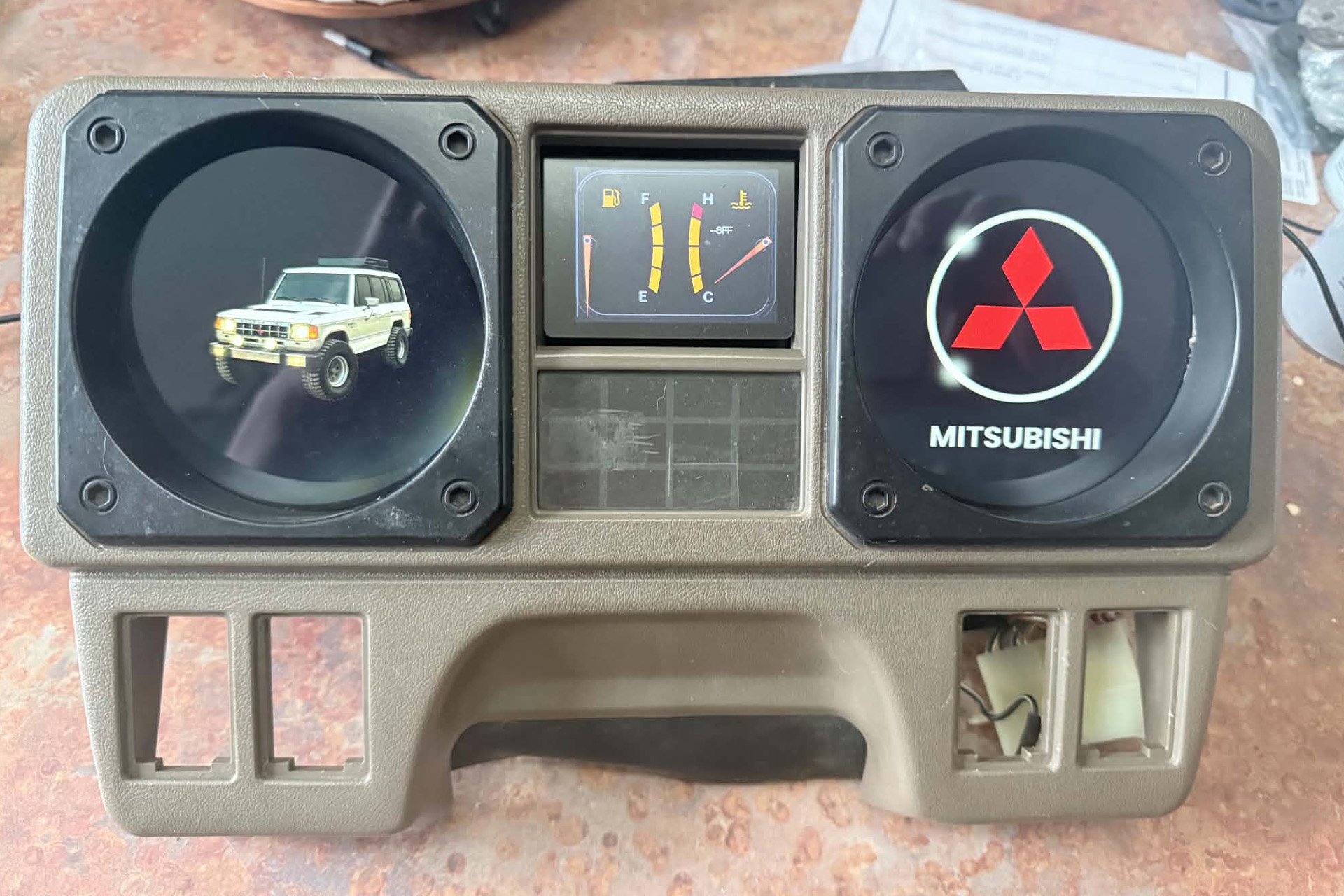
Even though a lot of car companies are doing digital gauges these days, not many do them well. There are a few exceptions, like Ford and its Fox Body-style Mustang cluster, but too many automakers use their blank canvas to create something banal. Not this guy. Tyeler Andersen owns a first-gen Mitsubishi Montero, and rather than inserting a screen to display some sterile speedo, he recreated the original look with special Easter eggs that make it look sick.
I reached out to Andersen after seeing him post his setup on Facebook. He was too humble when I asked for more deets, saying he learned most of the skills to create this from Travis.cea on YouTube. Still, it took more than copying and pasting some code to create this OEM+ look with custom startup sequences and swipeable screens.
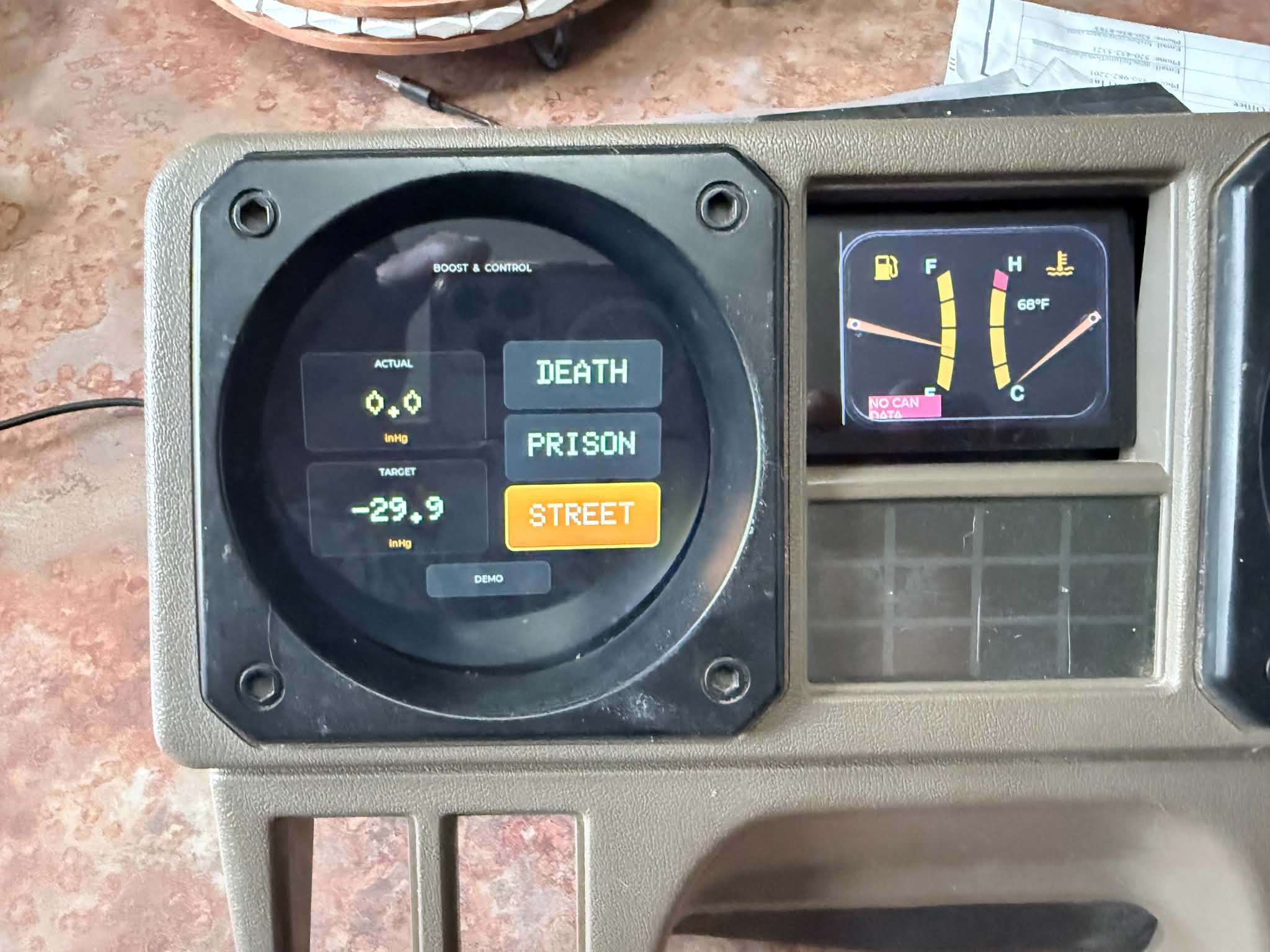
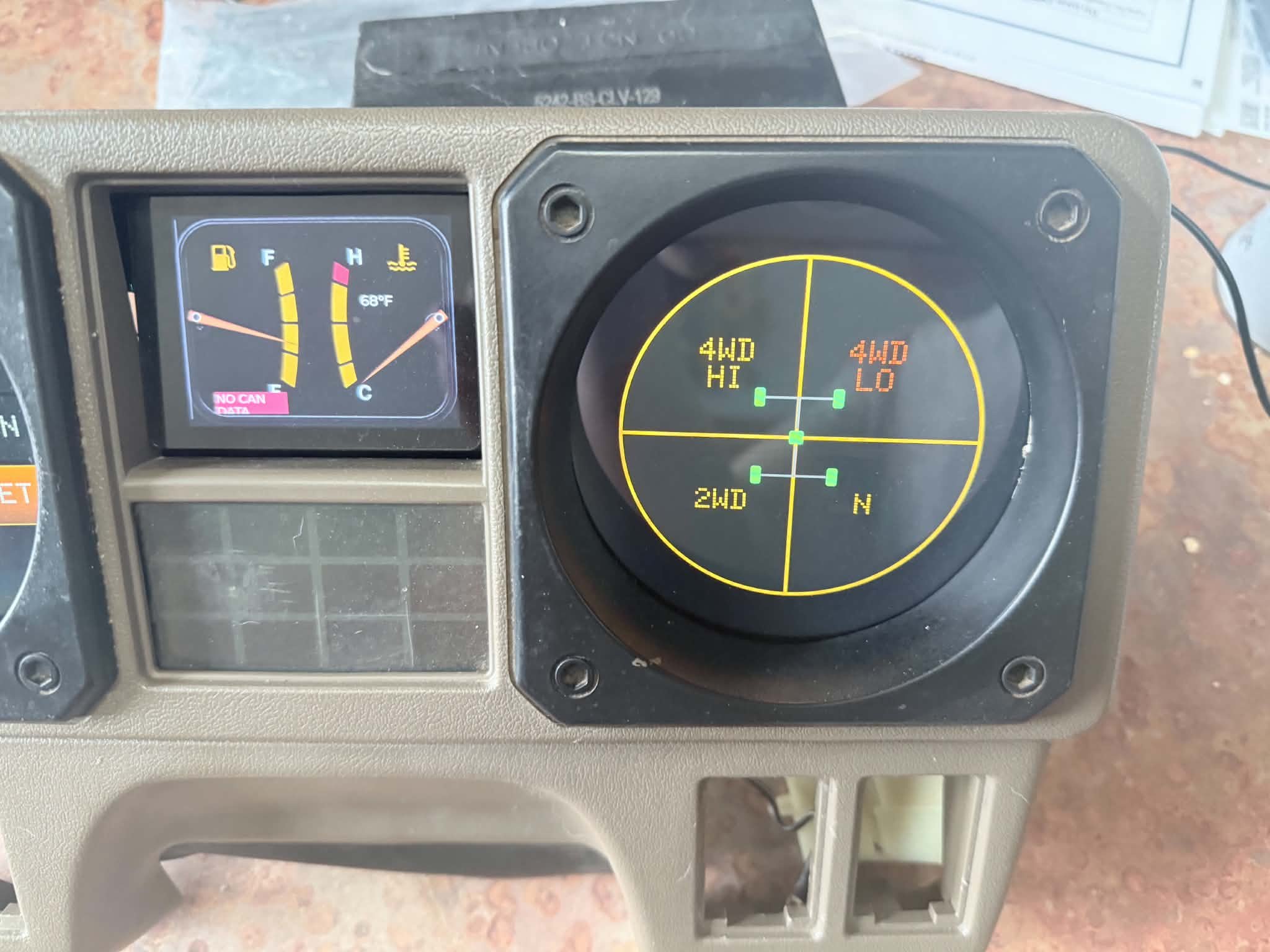
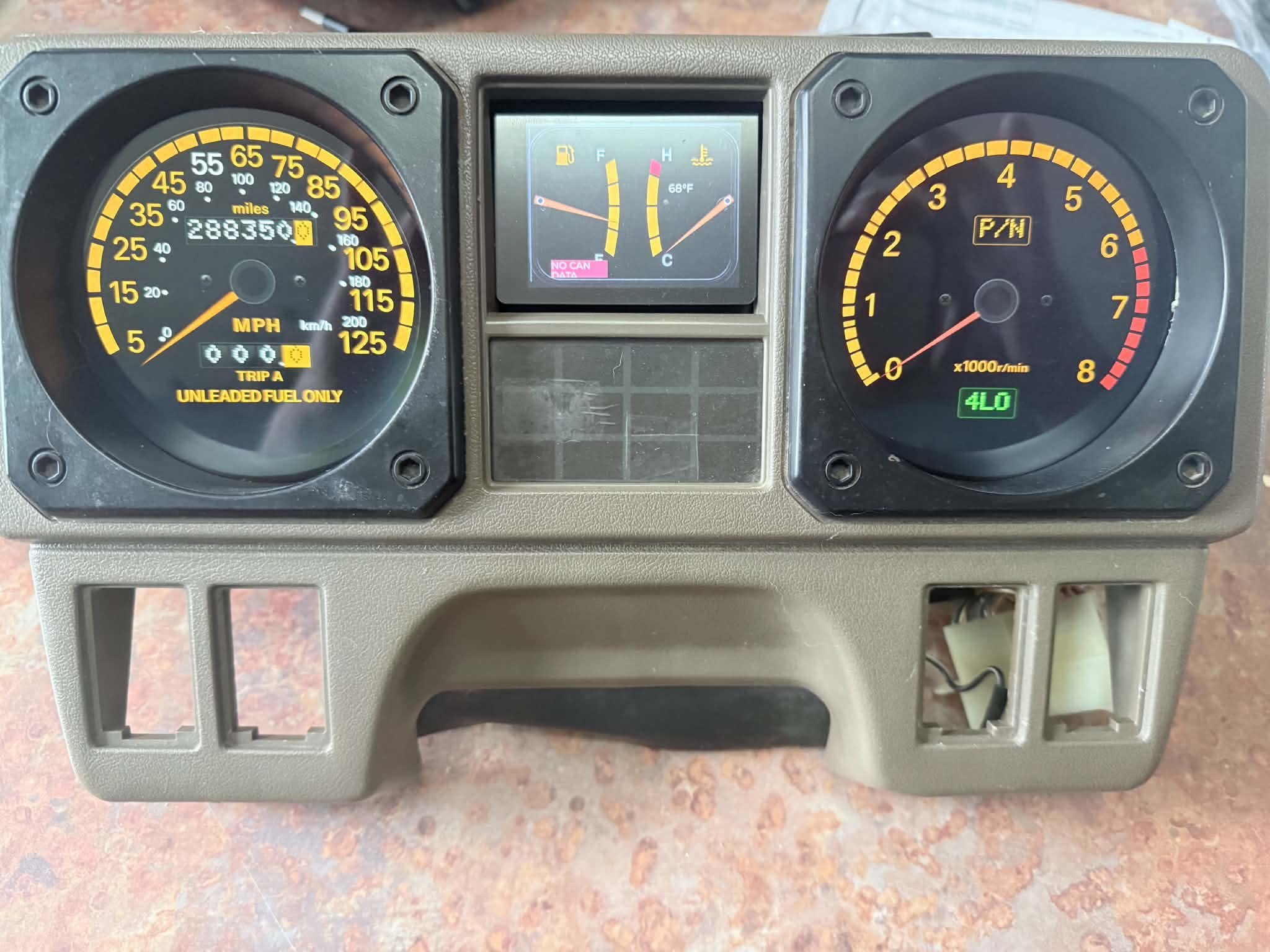

Gen 1 Montero ESP32 gauge cluster and np263 controller
“The hardware used for the visuals is LVGL, which just allows you to graphically build the visuals and have them converted into code,” Andersen explained. “The software for the coding is VS Code, which is where all the actual functionality of the gauges is created and commanded.”
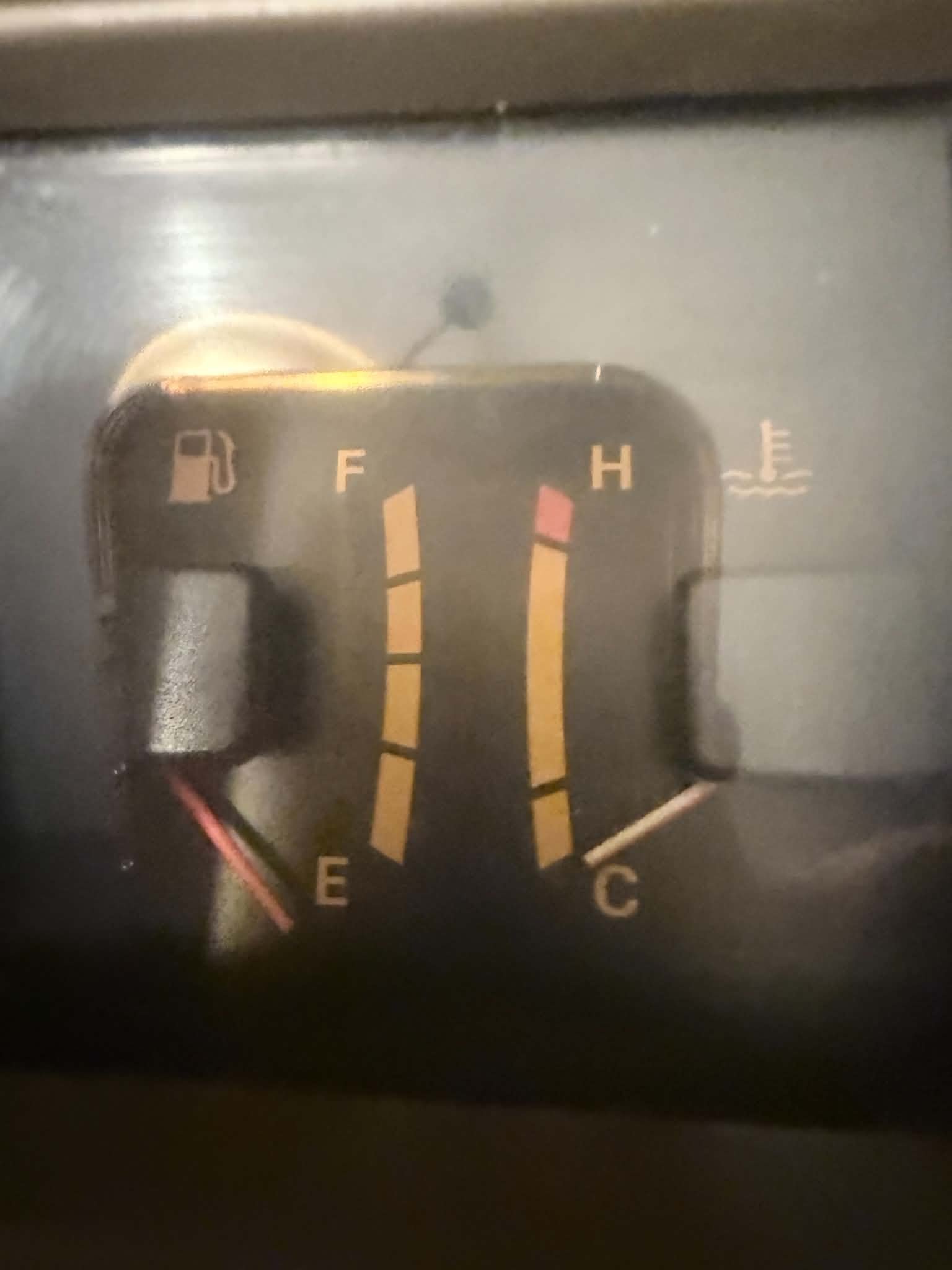
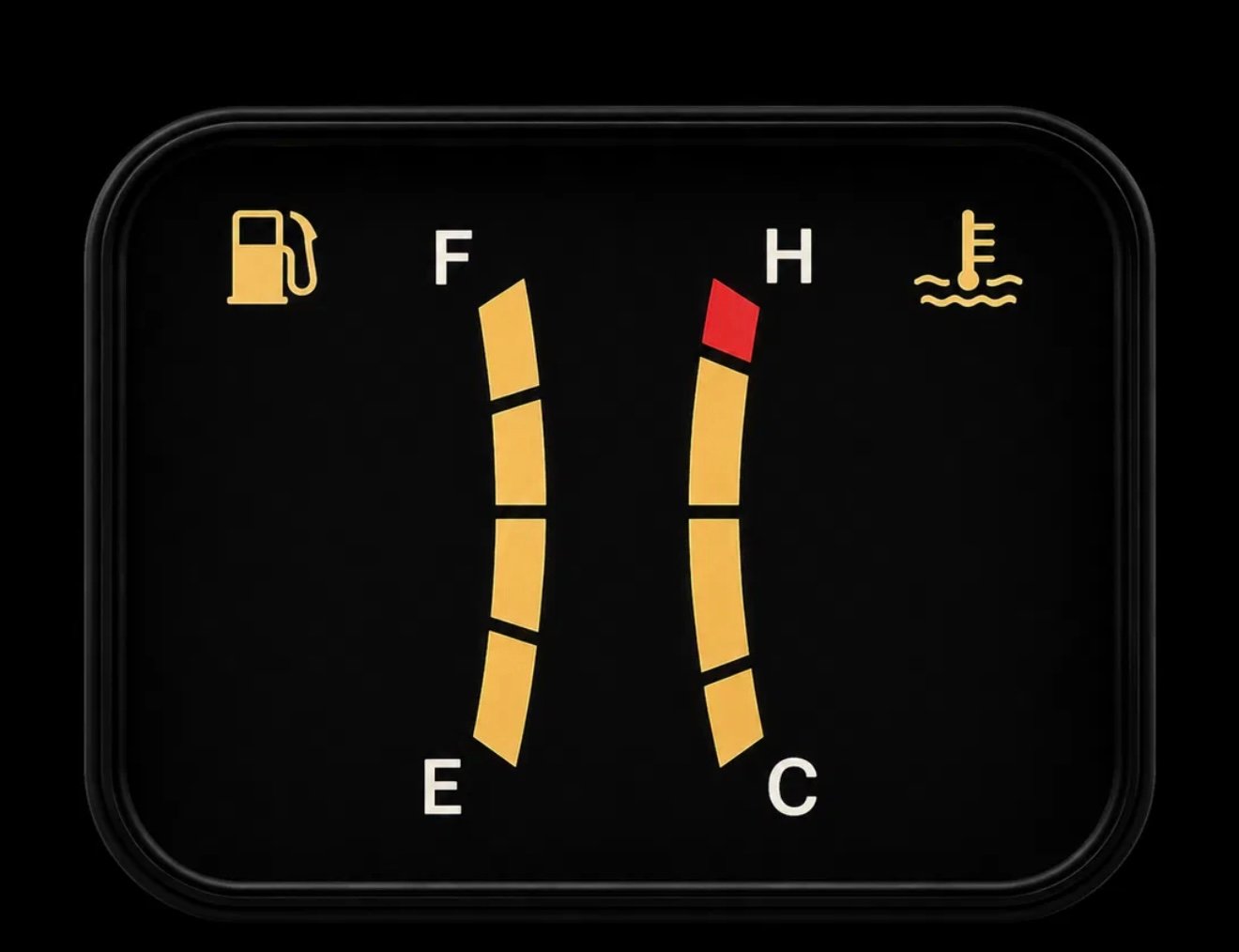
Andersen crafted the boot-up screens himself; that’s an image of his personal Montero that spins around. And when it came time to recreate the original cluster on the Waveshare digital displays, he actually started with a cell phone picture of the stock unit. He uploaded the photo into ChatGPT and asked it to create an LCD-style image. After that, he messed around with the gauge needle, odometer, and trip meter designs individually until he was happy with them.
“I manually added the rest of the cluster back in as individual text boxes and a separate needle, and just kept playing with sizing, fonts, and colors until I was happy with how close they were to the original,” Andersen said. “It’s hard to get exact replica fonts, so I made them as close as I could.”
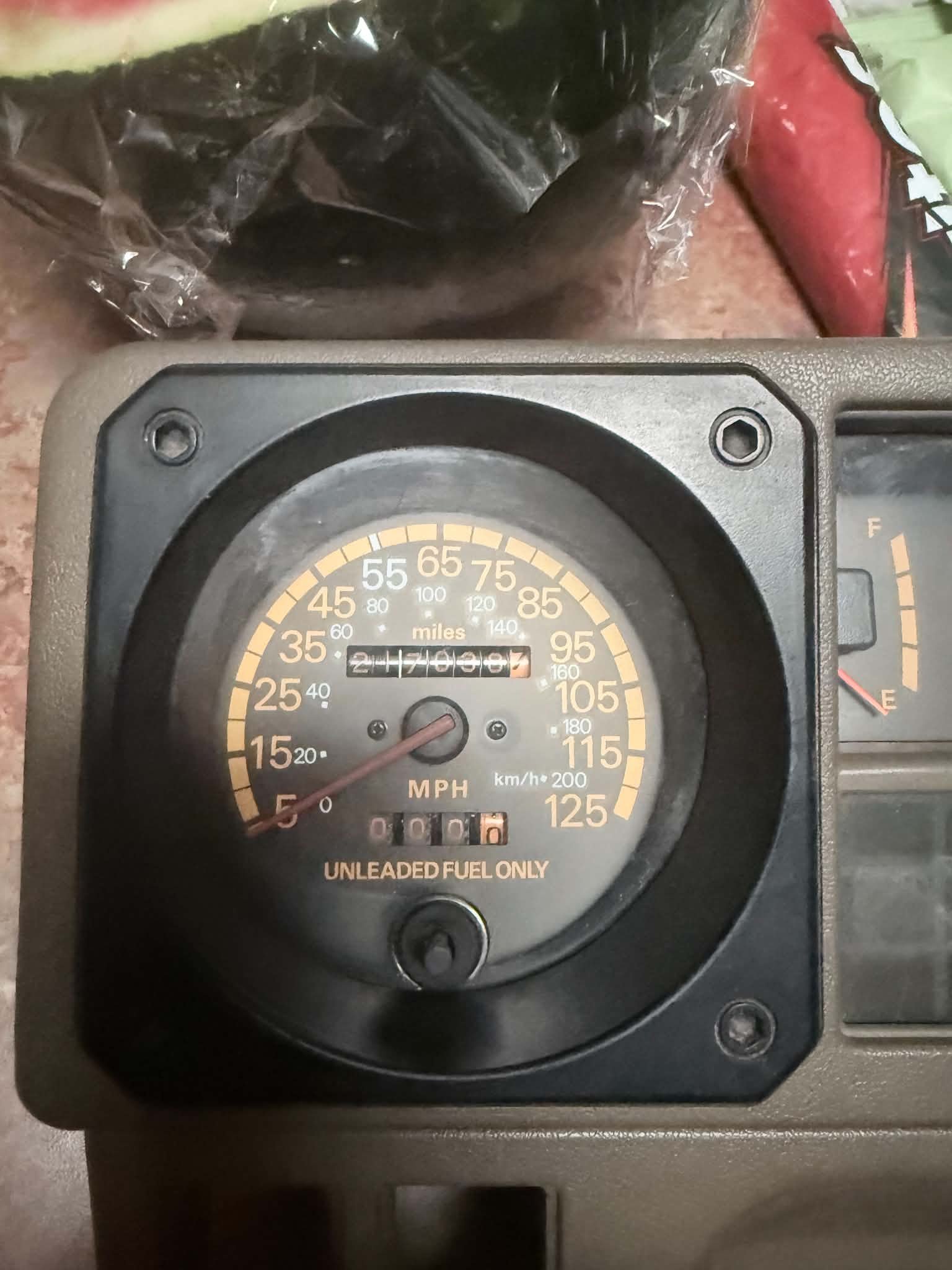
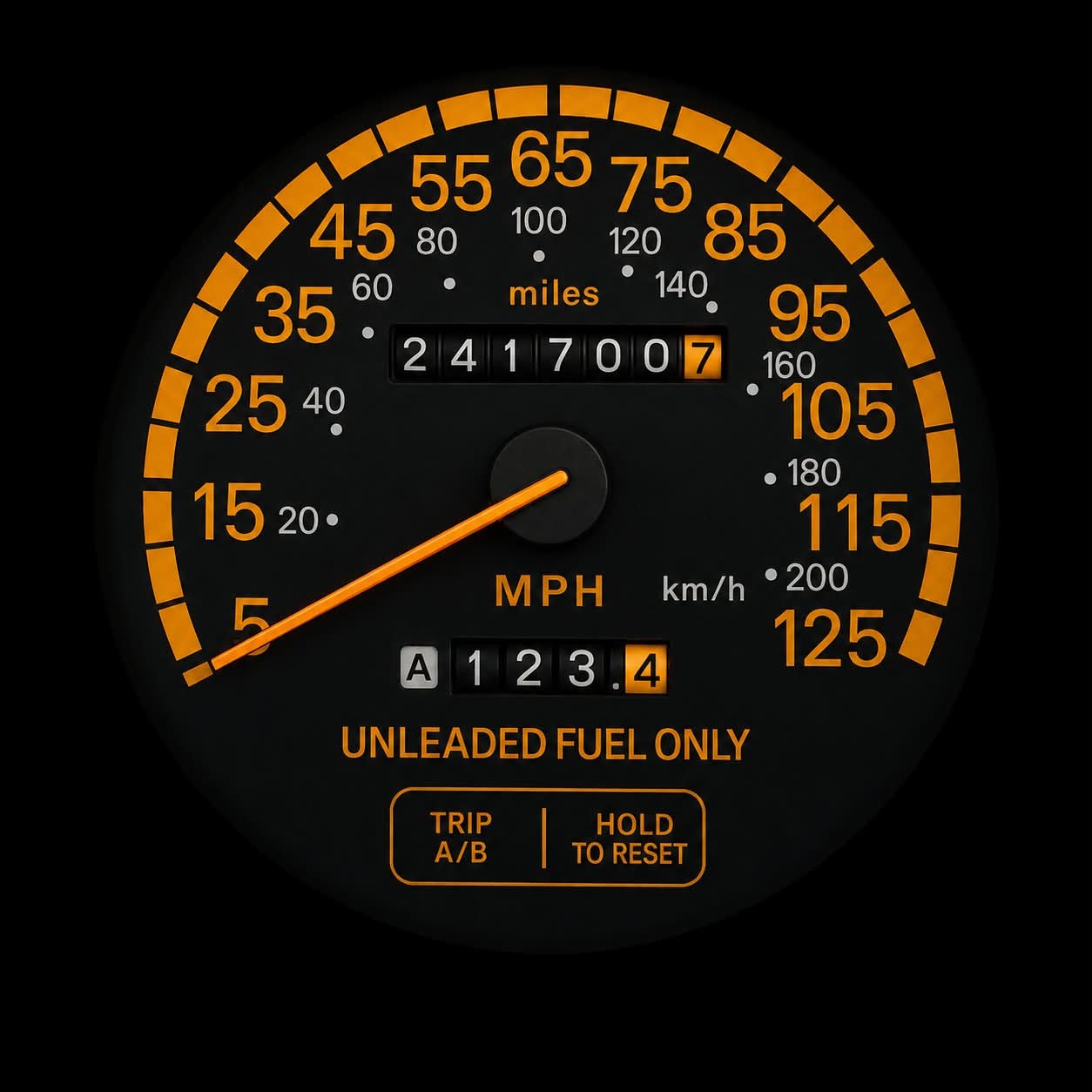
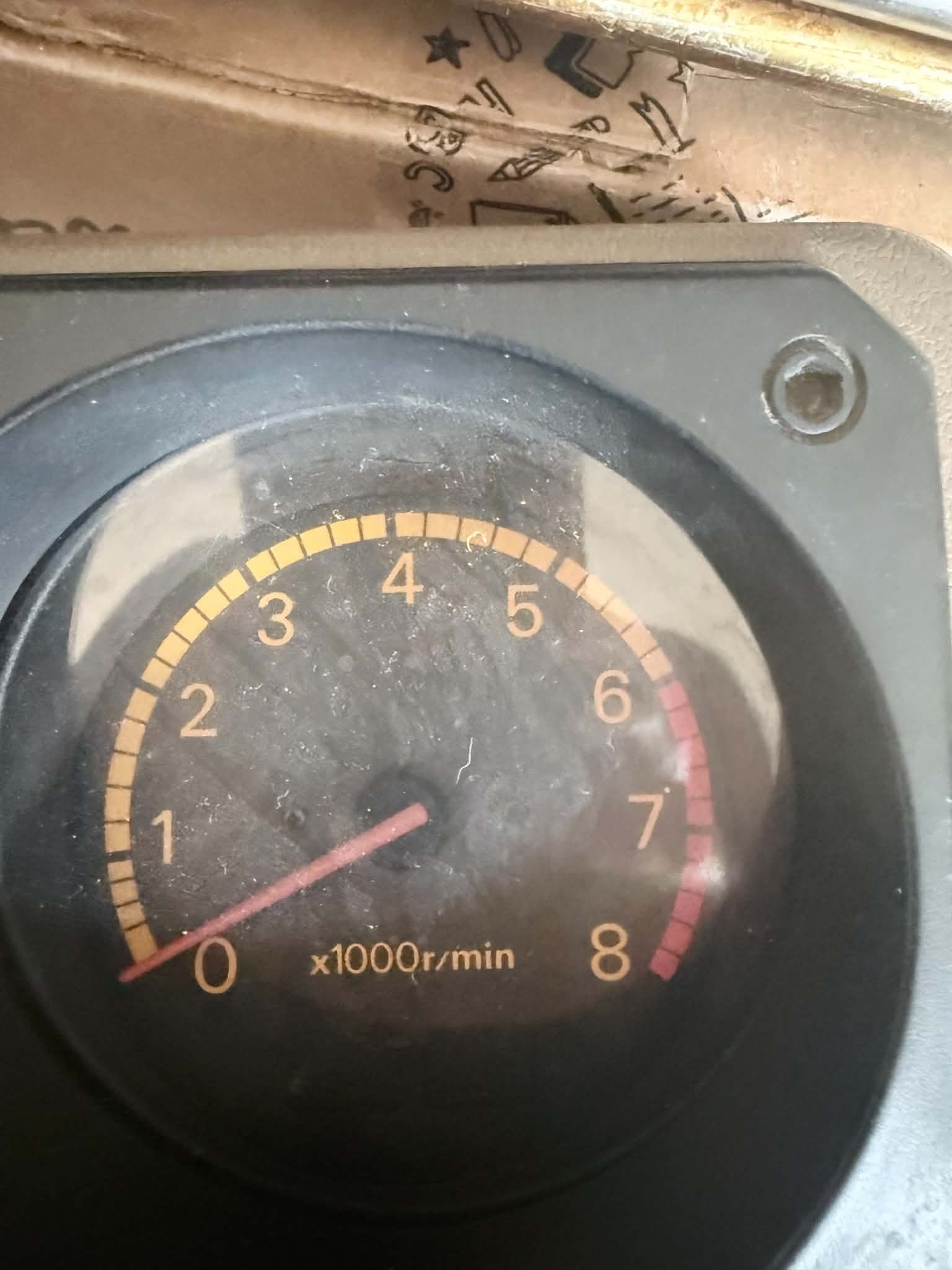
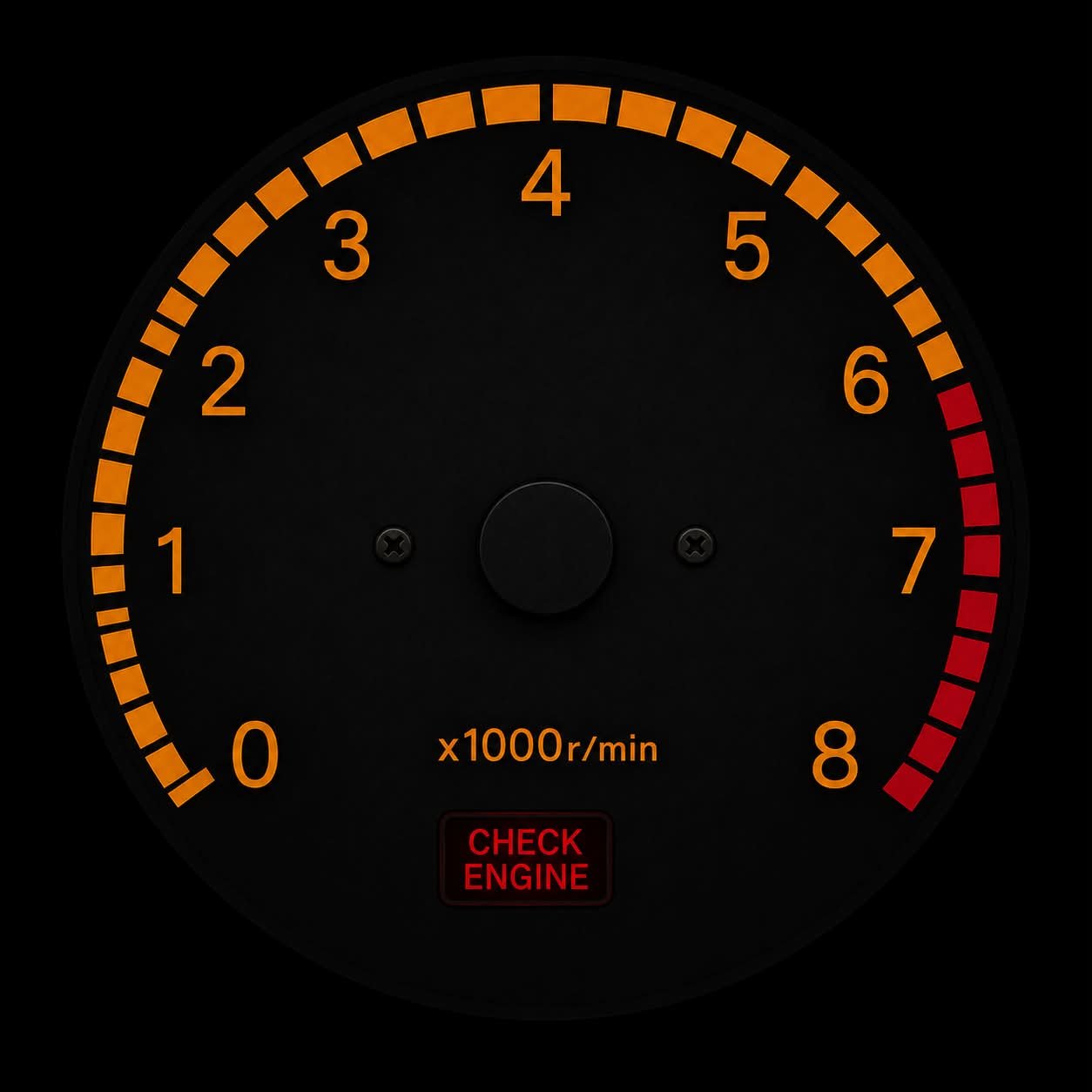
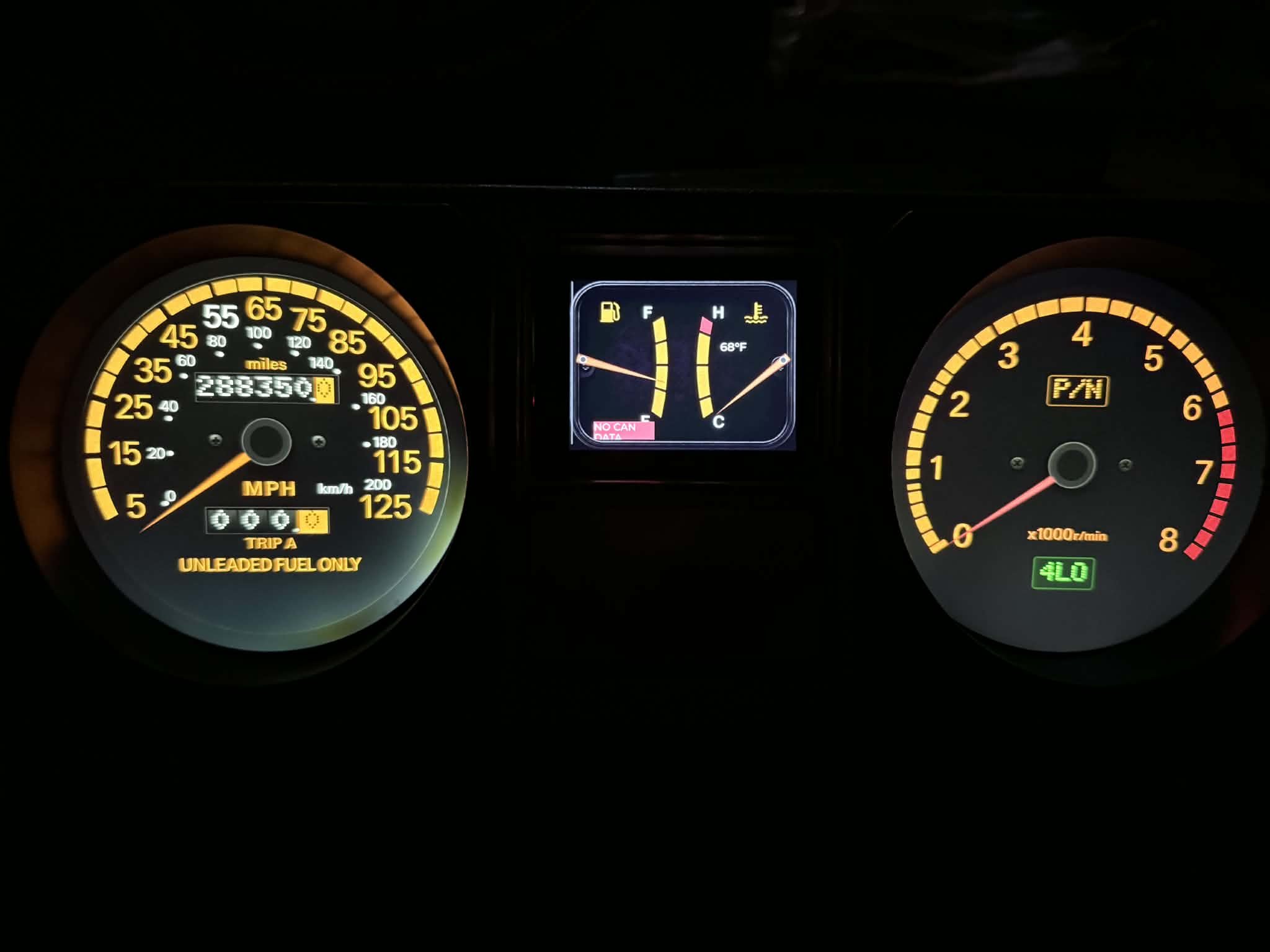
You can add way more display pages than you’d ever need with the LVGL and ESP32 microcontroller, but the more those pages are doing in the background, the slower they’ll become. Andersen did all he could to make sure the tach displays rpm in real time, and meanwhile, the transfer case interface only updates when a new drive mode is selected, so it requires very little computing power.
Speaking of those drive modes, it might seem cheesy to have “Street,” “Prison,” and “Death” settings on a ’91 Montero. However, Andersen’s rig runs a boosted LS V8. The lowest setting, Street, makes roughly 500 horsepower; Prison makes somewhere between 600 and 650 hp; and Death is north of 800 hp.
“I actually rolled my first version of this truck when it was making around 600 hp, so I figured it was only fitting that when it’s turned all the way up, the likely scenario is probably death,” Andersen laughed.
Since I’m not particularly familiar with parts costs on first-gen Monteros, I asked Andersen if this was cheaper than finding a functional stock unit. He said no, as this has cost him around $300 to build so far. But because his Mitsu’s transmission is electronic, and the factory cluster is cable-driven from the stock mechanical transmission, making this work instead was a pretty easy choice.
I don’t blame him at all for going this route. It looks slick, it’s unique, and you can make it do whatever you want. I’m not sure how many Montero owners out there have a similar dilemma to Andersen’s modernized, big-power rig, but if they do—this is pretty wicked.
Got a tip or question for the author? Contact them directly: caleb@thedrive.com
Loading comments…
Comments couldn’t be loaded. Please refresh the page.