
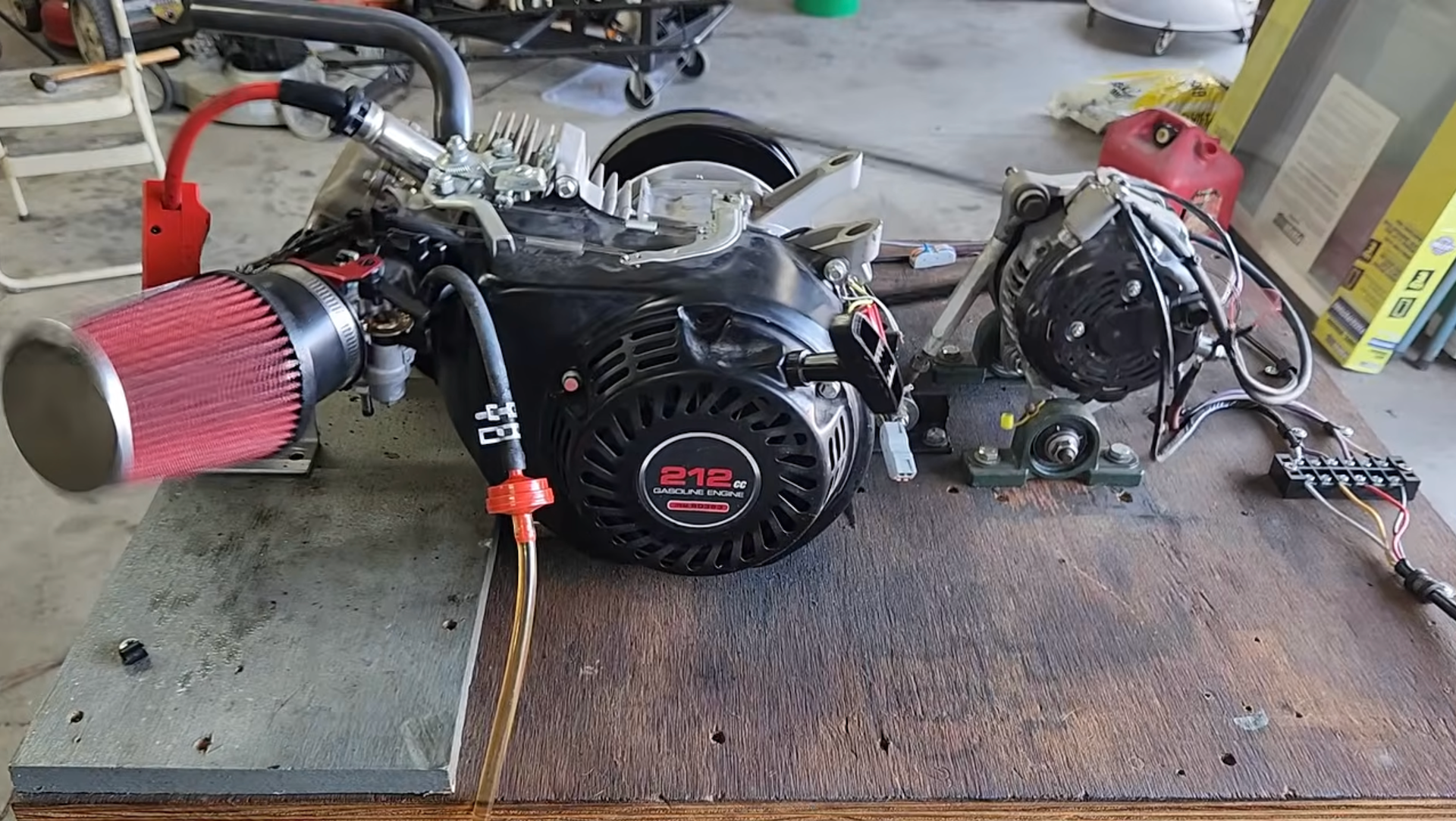
Hot-rodding used to be fairly straightforward. You’d take an engine without any crazy doo-dads like turbochargers, you’d increase the fuel, and you’d improve the airflow through modified cylinder heads. Nowadays, you have a lot more to worry about, like ECU tunes. What even are those? Well, what if I said you can buy a new engine with zero computers? You just have to shop at Harbor Freight.
I’m growing increasingly convinced that the Predator engine platform is perfect for tinkerers of all ages, sizes, and kinds. Jimbo from the Robot Cantina YouTube channel is one of the main proofs for my argument, as he’s done everything with them—from powering a Honda Insight to creating a hybrid golf cart that never runs out of electricity. This time around, he has modified a 212cc Predator engine from Harbor Freight the same way your grandpappy would hop up his Hemi ‘Cuda.
As he explains in his latest video, this is actually a recreation of a project he built many moons ago. It has a hemispherical cylinder head, which Harbor Freight offers from the factory. You can easily identify those engines by looking at the valve cover, as they’re made of thick, cast aluminum and sport a rectangular shape. (Non-hemispherical versions use a stamped, octagonal steel valve cover.) These offer a solid list of benefits, like more efficient combustion, better airflow, and a spark plug that’s located near top-dead center.
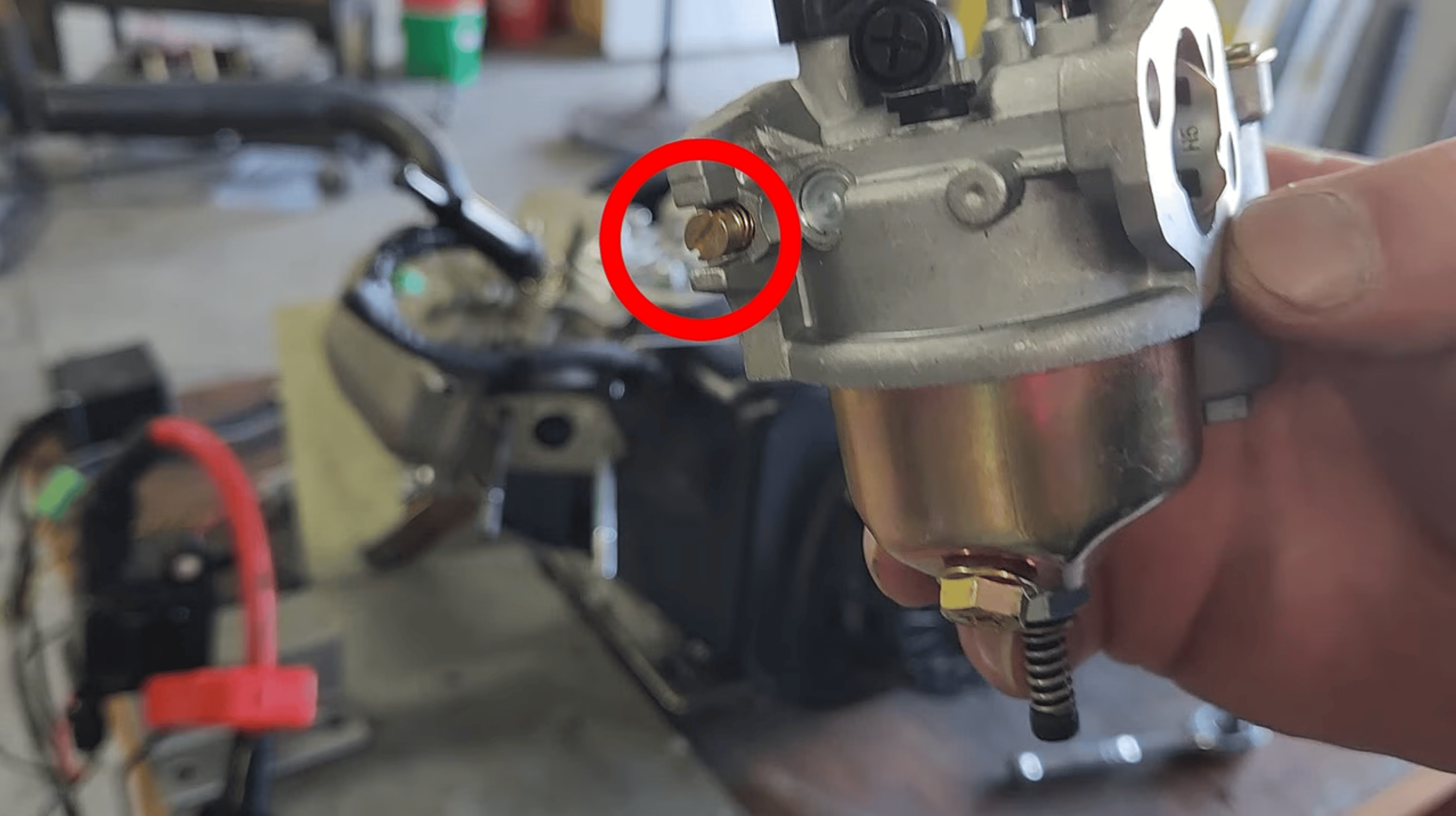
Next up, Jimbo installed an adjustable carburetor so he can tweak the low-speed fuel mixture and main jet needle. This small change makes precise tuning possible. With a larger air filter attached atop a billet velocity stack, this Predator 212cc is breathing better and more easily. A shorty header replacing the stock muffler helps with that after combustion, too.
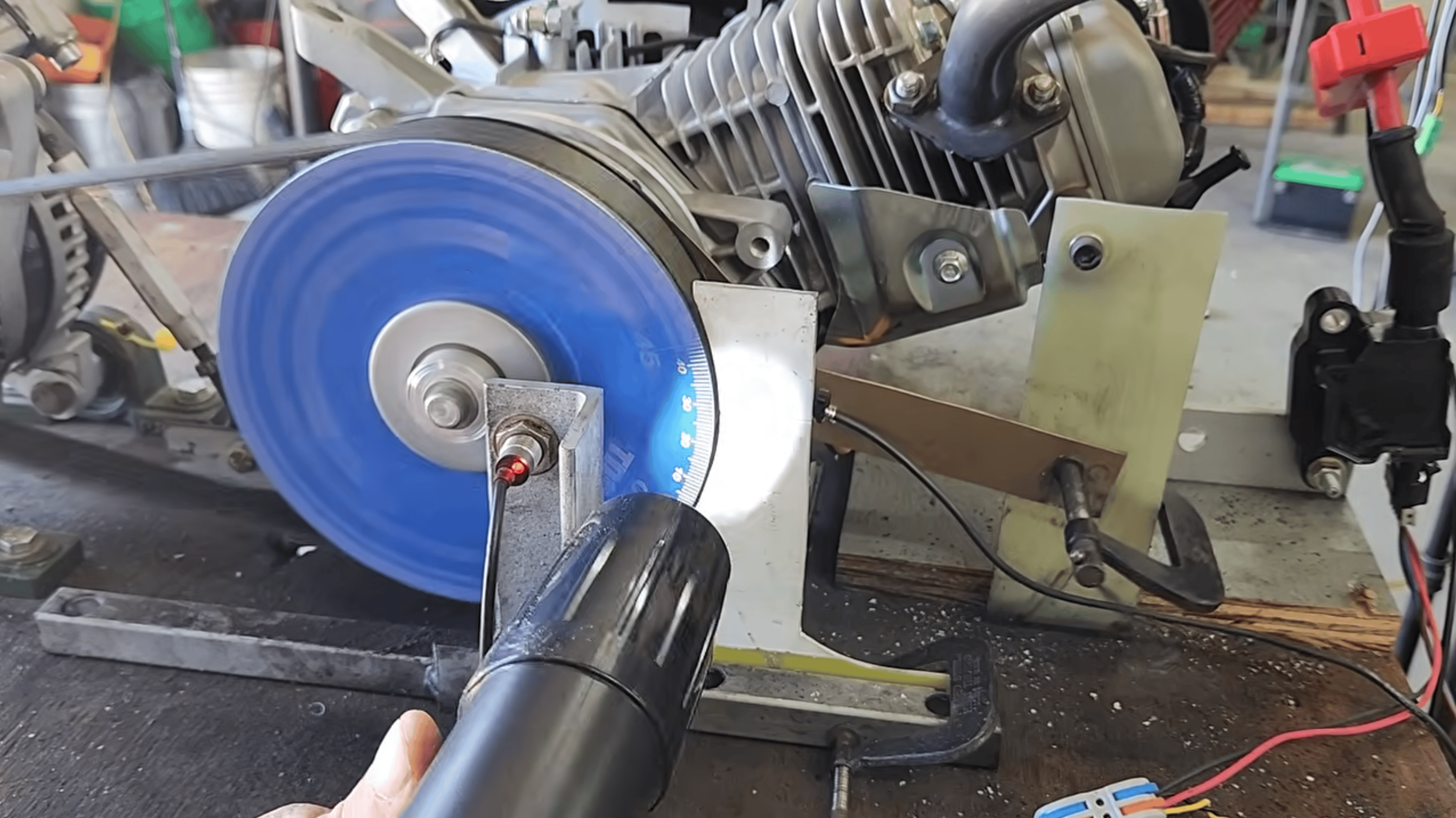
Advancing the single-cylinder’s ignition timing was the final step. Because he’s messed around with these engines so many times, Jimbo has an upgraded ignition system with a 12-volt coil borrowed from a General Motors LS engine. He admits that it may not provide much benefit over the stock magneto ignition, but either way, it’s there. The final decision was to place the timing at 29 degrees before top dead center.
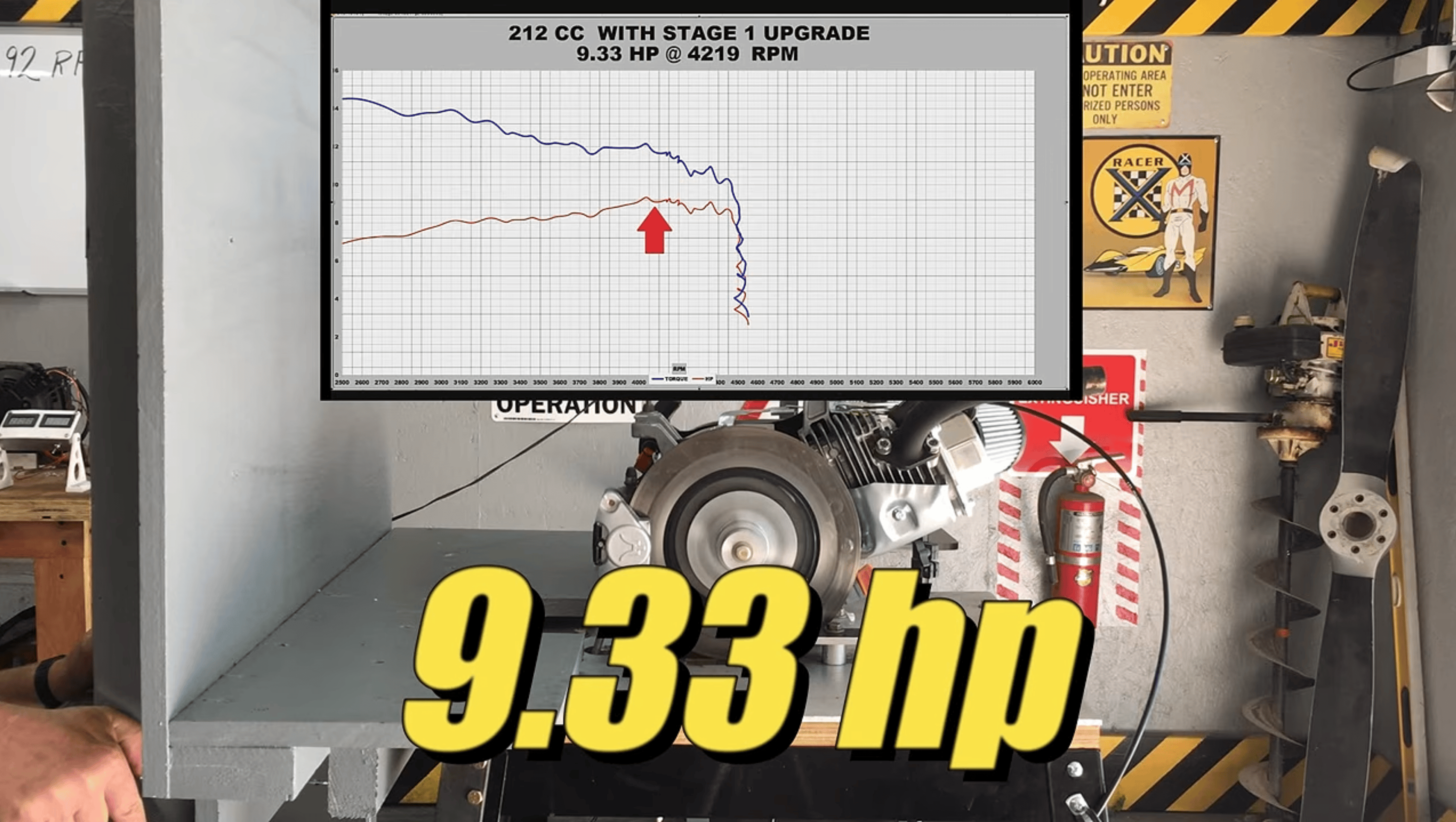
It may not sound like much, but this setup previously made 9.3 horsepower—about 44% more than the stock 6.5-hp rating. Jimbo tested the engine in this video and measured its output at 4,800 watts of continuous power. An initial run with the factory engine resulted in 3,600 watts, so these mods helped achieve a 33.3% increase over stock. And on top of that, it got better fuel economy, running on 700 milliliters of fuel for an hour and 15 minutes, whereas the standard engine shut off after an hour and eight minutes.
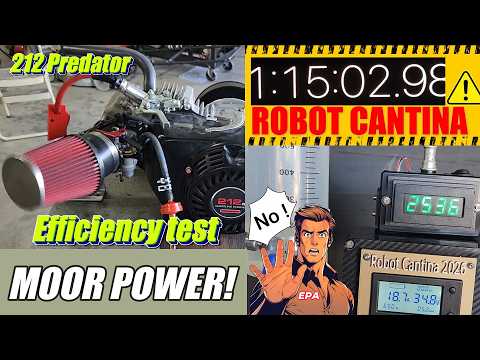
We build a 212cc Predator HEMI for MORE POWER and better fuel efficiency.
Is any of this especially consequential work? No, I don’t think so. But it’s intriguing to see how one of the most ubiquitous small engines out there responds to traditional performance modifications. Folks have been hot-rodding their V8s in these same ways for decades, and clearly, it still works on a tiny scale. Meanwhile, other people are out there tuning these with turbos, electronic fuel injection, and more to the tune of like $9,000.
You may not ever hit 60 mph in a ‘Cuda with one of these under the hood, but at least it fits on a wooden shop bench.
Got a tip or question for the author? Contact them directly: caleb@thedrive.com
Loading comments…
Comments couldn’t be loaded. Please refresh the page.