
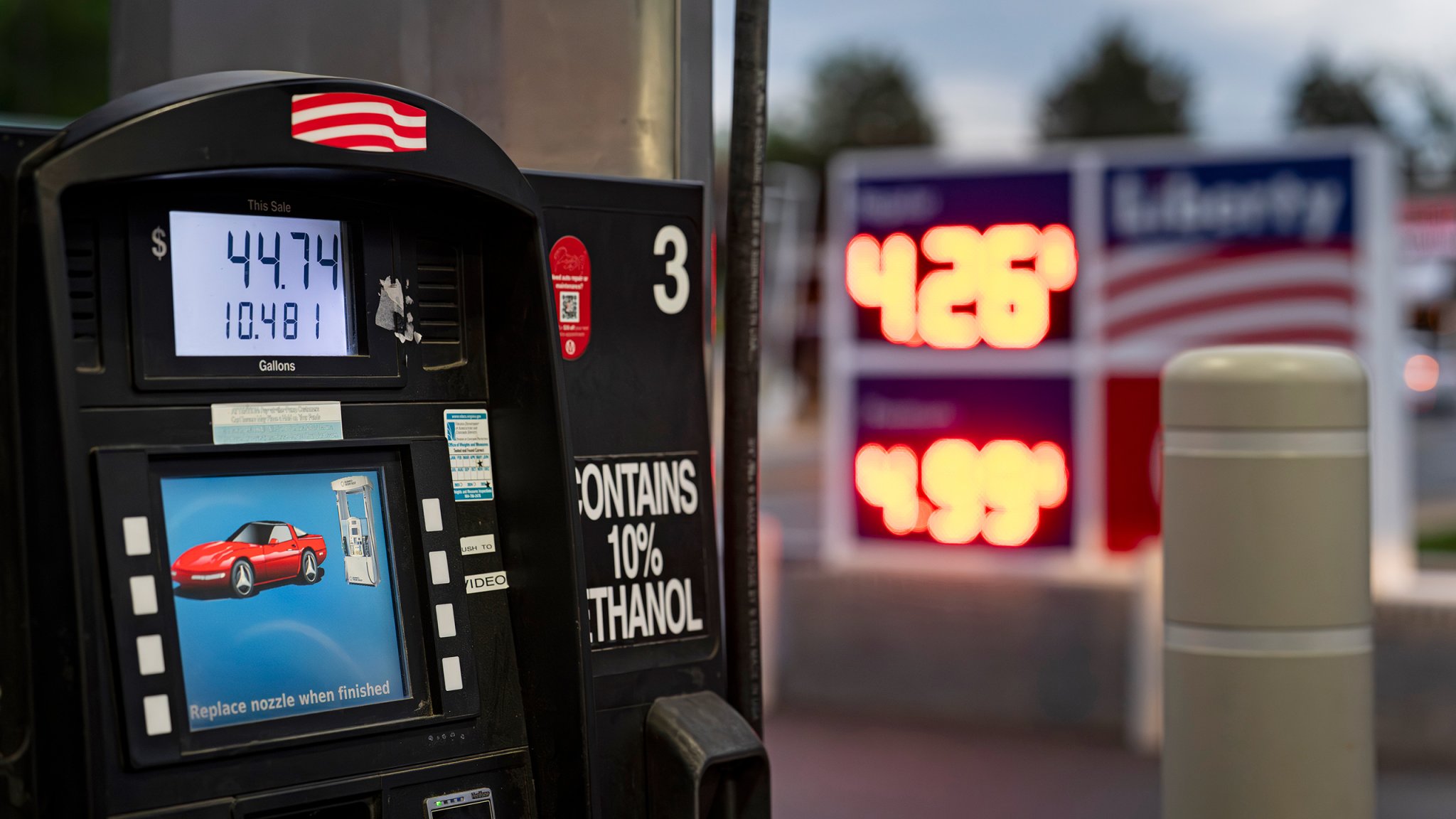
During the summer, the U.S. government typically restricts the sale of fuel to a particular blend that evaporates less to mitigate pollution. But the ongoing war in Iran has wreaked havoc on fuel prices all year, so the Environmental Protection Agency and Department of Energy have issued an emergency waiver that allows E10 gas with a higher evaporation rating to be sold starting September 1, two weeks earlier than it normally enters consumer supply.
Throughout much of 2026, the EPA has allowed the sale of gasoline with up to 15% ethanol content, even during the hottest months when it isn’t usually allowed. The rationale is that diluting fuel helps control prices at the pump. But increased ethanol content, as well as higher Reid Vapor Pressure (RVP) values—that’s a measure of evaporation, or volatility—exacerbates ground-level ozone in high temperatures, which poses cardiovascular and respiratory risks for humans. That’s why this stuff is usually relegated to the fall and winter.
As we’ve explained before, cutting gas with more ethanol can also cause problems for older vehicles that aren’t designed to use it. Even cars that are will see a slight reduction in fuel economy when more ethanol enters the mix, because it’s less energy-dense than pure gasoline.
In its bulletin, the EPA said that it has waived “state level controls in Texas, Arizona, and California that extend beyond September 15, 2026, for the maximum period allowed of 20 days,” and that it will continue to extend these waivers as it has done all year, as long as it deems necessary. The department also called out “blue-state politicians in New York and California” that “have not adopted these standards, driving up prices for their own residents.” Of course, both states include the biggest cities in the country, with tens of millions of residents that feel the effects of worsened air quality far more acutely than those in comparatively rural areas.
Got a tip? Reach out to tips@thedrive.com
Loading comments…
Comments couldn’t be loaded. Please refresh the page.