
Headlight glare is a real problem that current regulations don’t address. A recent AAA study found that six of 10 U.S. drivers believe headlight glare is an issue when driving at night, and about three quarters said the problem has gotten worse in the last decade. Another study backs that up, showing that many cars and trucks produce excessive headlight glare—but are still okay from the feds’ perspective.
This study was conducted by eyewear company Overnight Glasses, but the methodology is well judged. Researchers used headlight-testing data on 257 models from the Insurance Institute for Highway Safety (IIHS), and compared that to vehicle height—because taller vehicles place headlights closer to other drivers’ line of sight—to create an index of nighttime headlight glare.
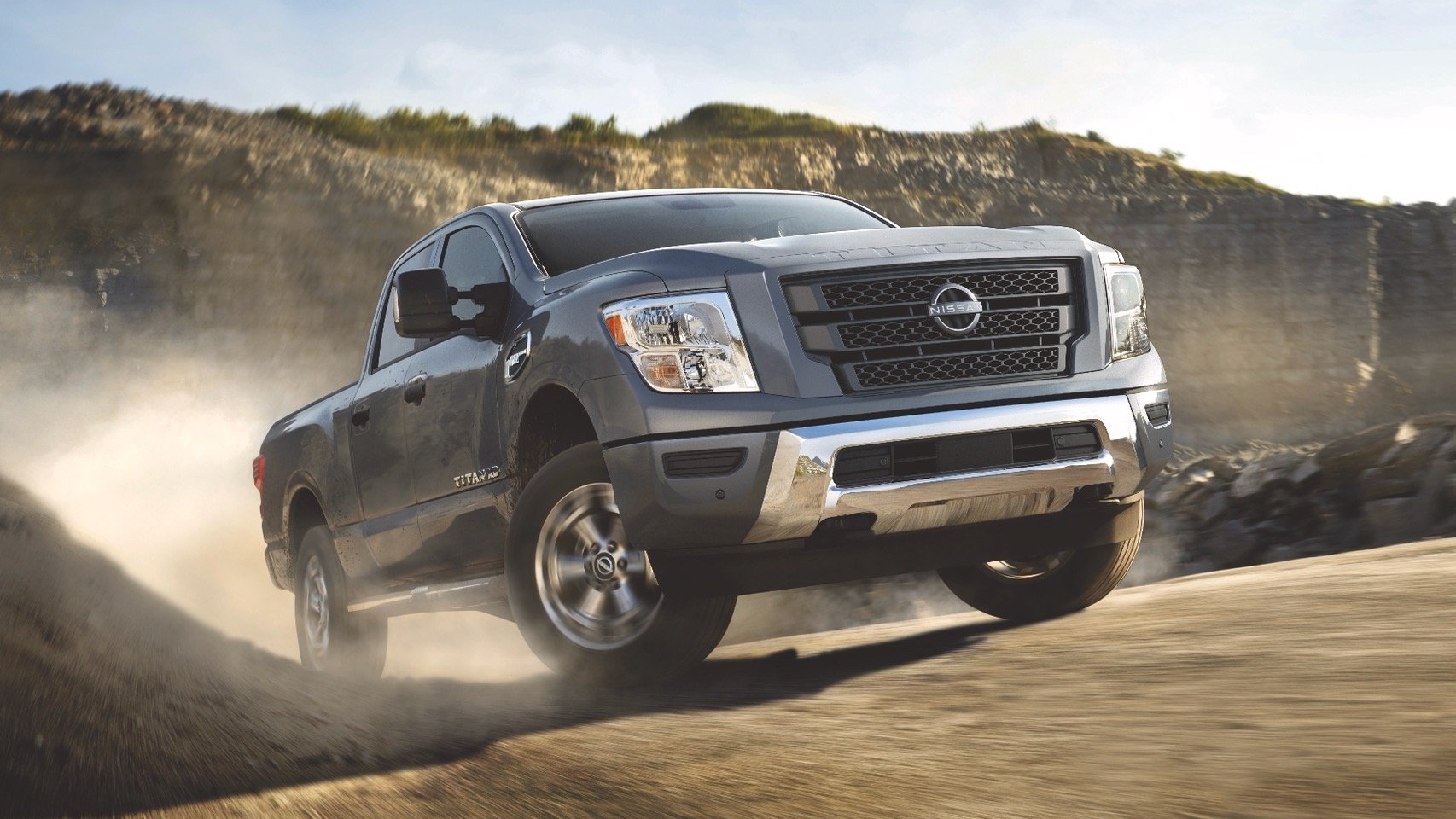
If you’ve scanned the IIHS ratings when shopping for a new car, you know that some models fall well short of the mark in the insurance industry org’s headlight tests. One of those is the second-generation (2017-2024) Nissan Titan, which produced headlight glare 615.1% above what the IIHS considers a safe limit. Note that this is the worst case among 16 different headlight versions the IIHS tested over the second-gen Titan’s production run.
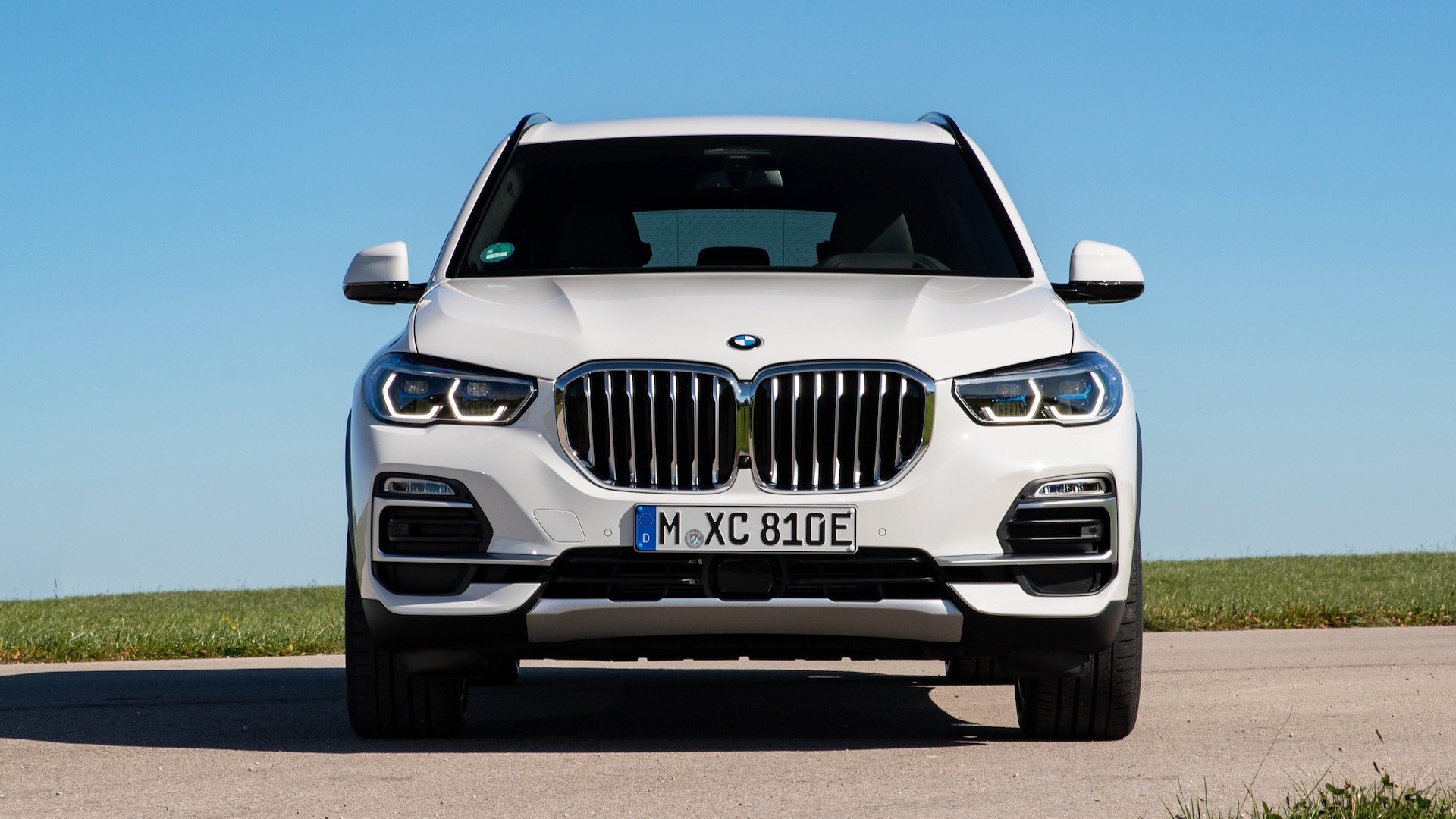
The Titan was ranked the worst overall for headlight glare in the study, even though the BMW X5’s headlights produced even more glare, at 677.8% above the IIHS-sanctioned limit (that’s based on 12 headlight variants from the same spread of model years as the Titan). But because this study also factors in height, and the X5 isn’t as tall as the Titan, it received a better index score of 95.6, compared to the Nissan’s 100.
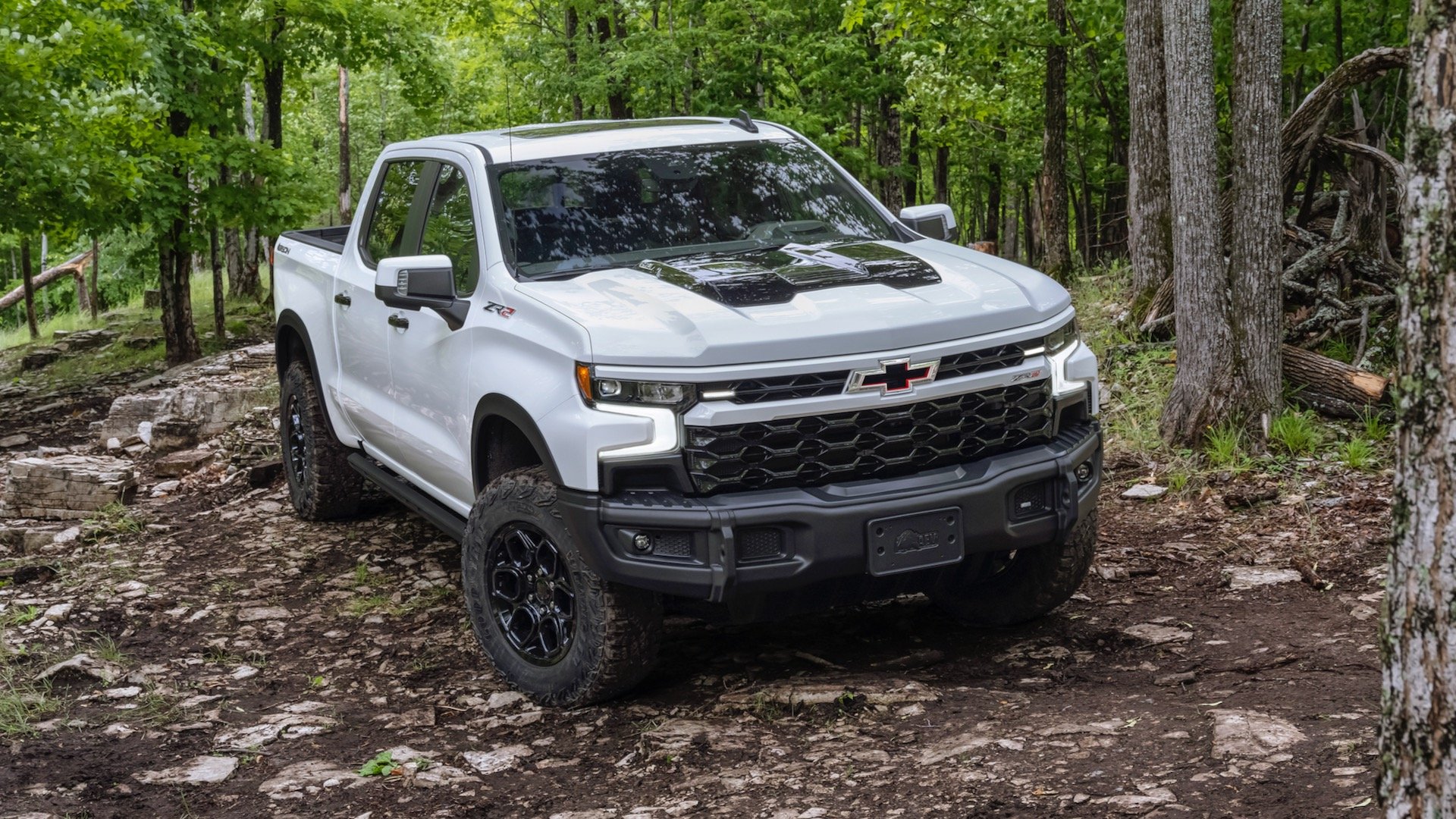
Consideration of vehicle height as well as raw glare produced by too-bright headlights meant that the ranks were mostly populated with full-size pickup trucks. The Chevrolet Silverado 1500 and Ram 1500 were right behind the Titan in second and third, respectively. The GMC Sierra 1500 was fifth, although interestingly the Ford F-150 was 10th, with a lower glare index than the Edge, Lincoln Nautilus, and Kia Sedona.
A key point emphasized here is that all of these vehicles meet federal standards—you wouldn’t be able to buy them if they didn’t. As IIHS tests show, federal rules are woefully inadequate both for addressing glare and ensuring that headlights actually provide adequate nighttime illumination. Automakers don’t feel the need to address this because not only do they not have to, but because the current rules don’t allow much leeway for new lighting technology (although the latter is beginning to change).
Loading comments…
Comments couldn’t be loaded. Please refresh the page.