
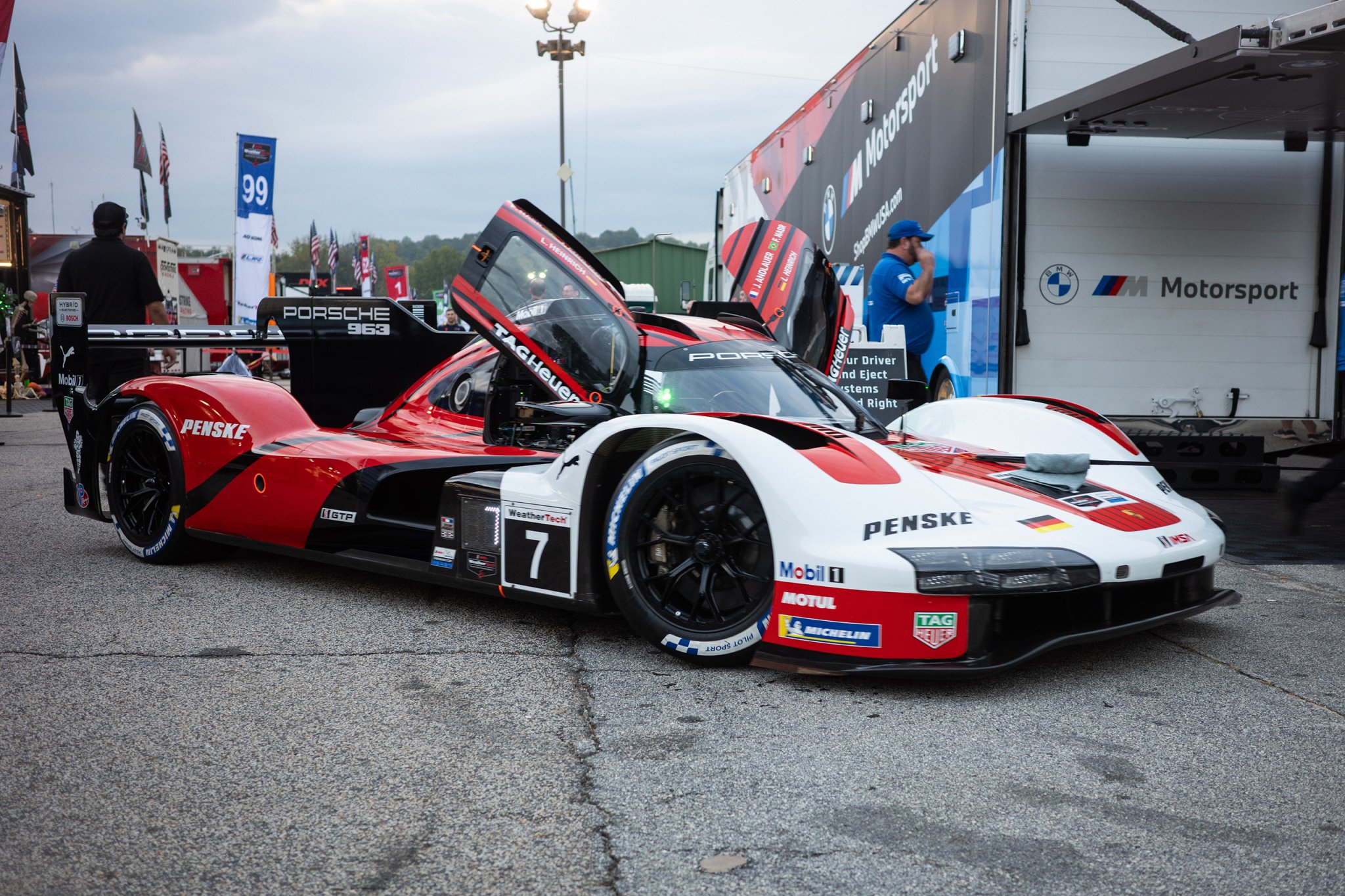
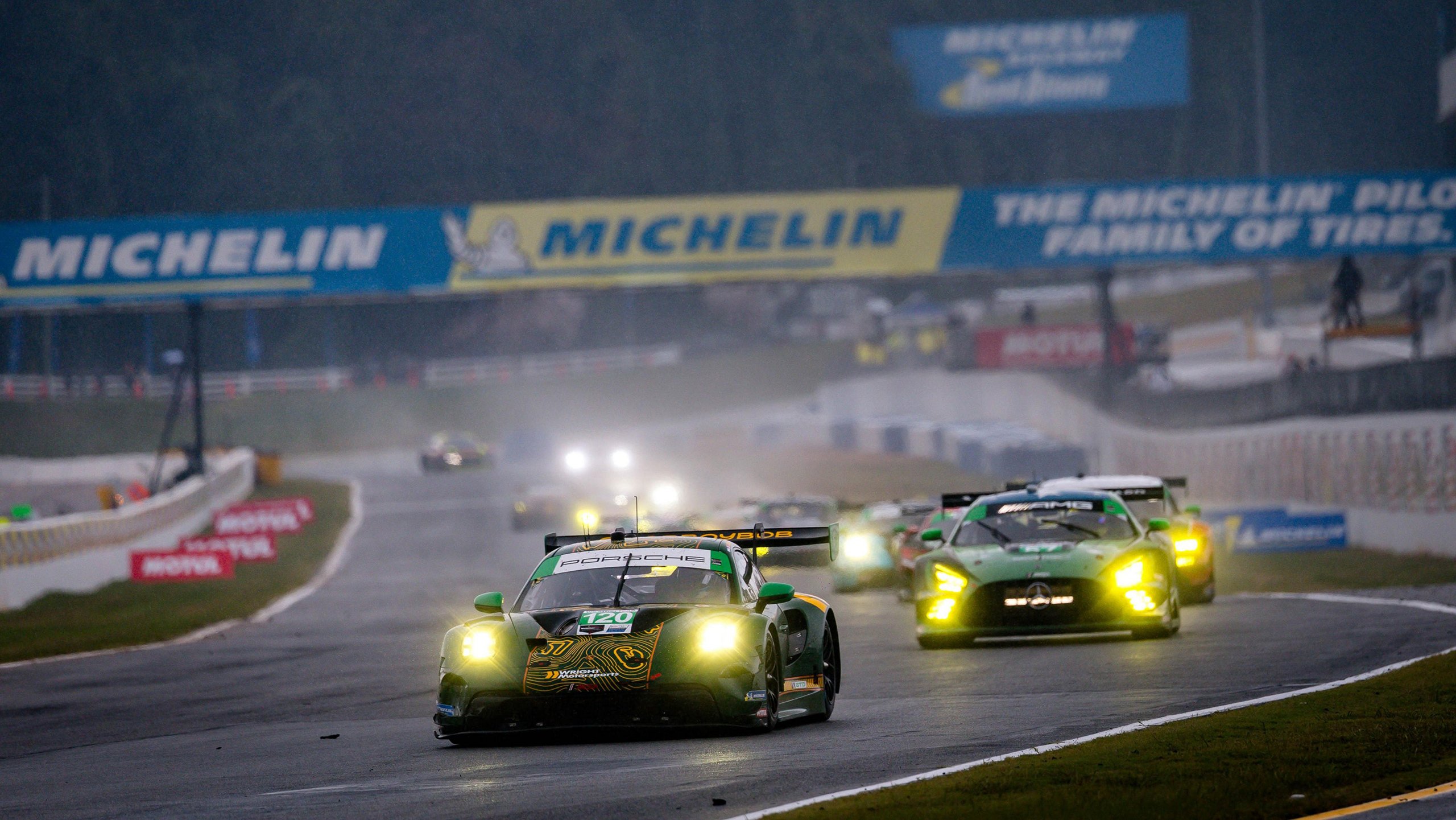
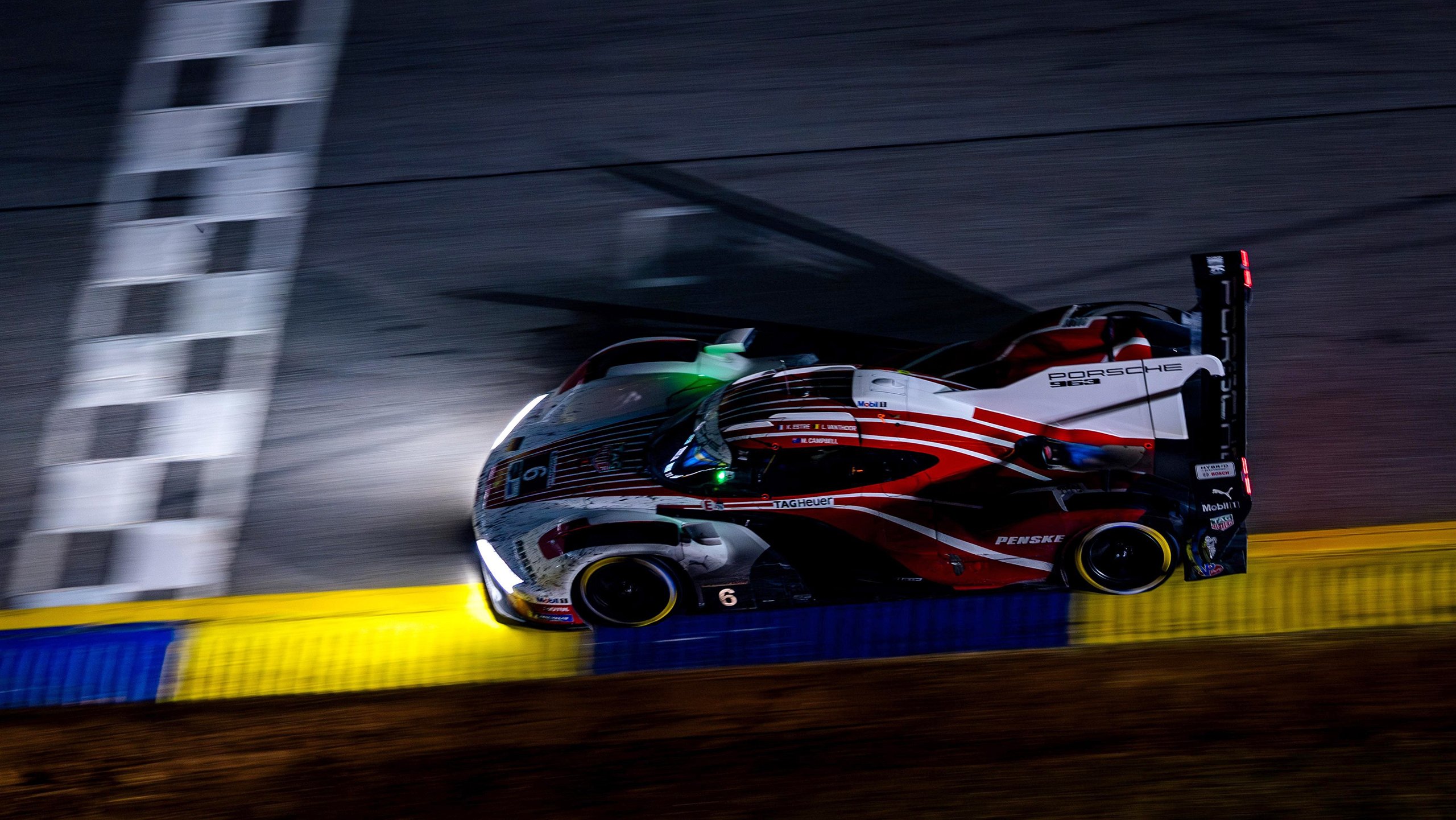
Last Saturday’s Petit Le Mans finale of the IMSA season delivered drama and, frankly, too many crashes. Seriously—the field set a new record with 17 full-course cautions at the 10-hour contest, up from 14 nine years ago. But the place was jam-packed; I can attest to that, because I was there. And while some potential entrants that have yet to prove themselves bemoan the quality of America’s circuits, Porsche—which won the race, by the way, with Laurens Vanthoor, Kévin Estre, and Matt Campbell at the helm—is quite happy to be involved with motorsport on this side of the pond, because it almost can’t afford not to be.
Those comments, critical of the condition of the hospitality facilities at the tracks IMSA frequents, came from Hyundai’s Cyril Abiteboul, who is leading Genesis’s endurance Hypercar program. Though they rankled some fans of American sports-car racing, Hyundai isn’t alone in the sentiment; McLaren, too, reportedly wants swankier accommodations to lure the high-dollar clients the brand hopes to entertain, according to Sportscar365.
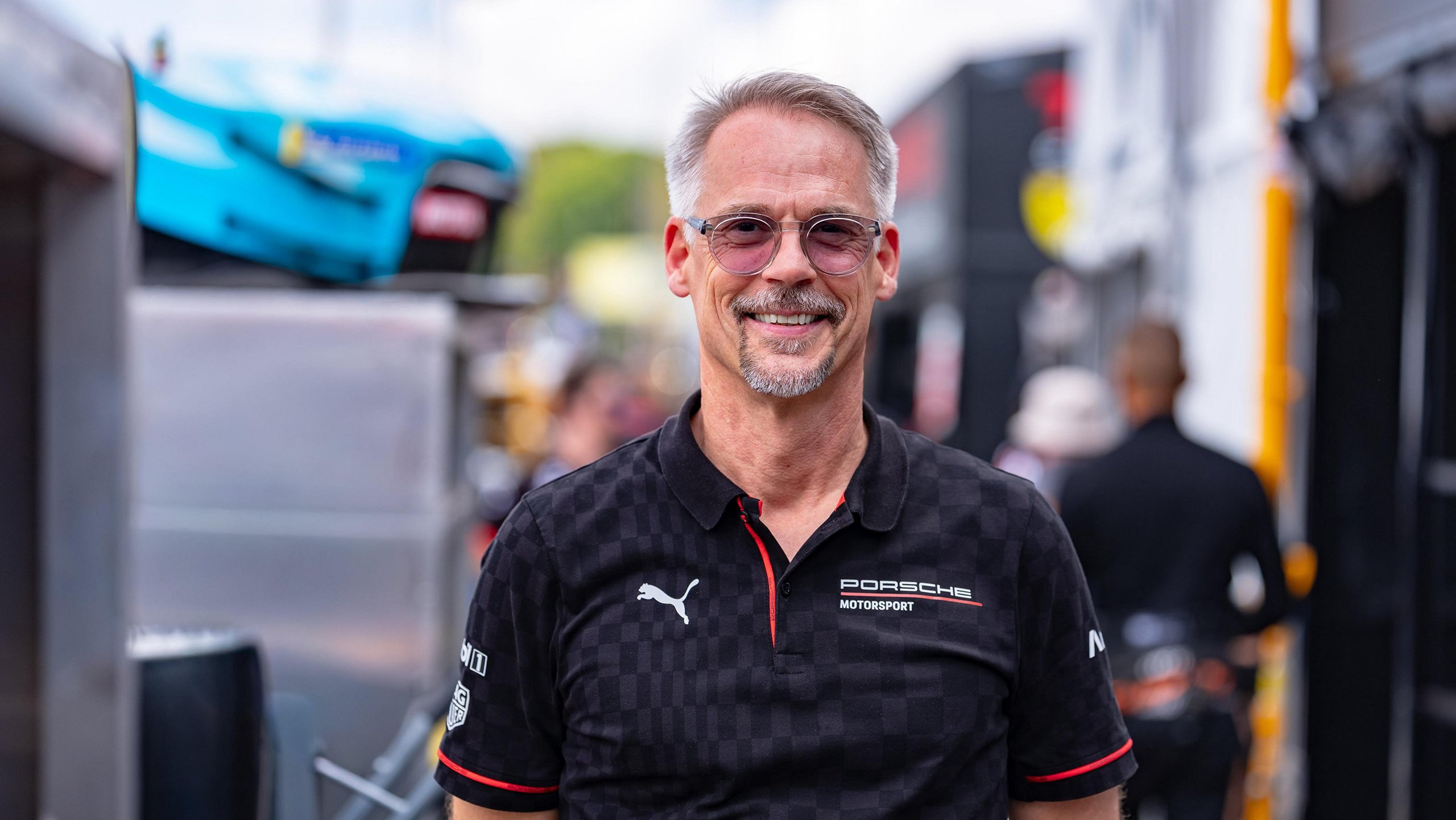
With all this context, I put the question to Porsche’s VP of Motorsport, Thomas Laudenbach. Stuttgart is home to a brand no less premium than those, and, clearly, the packed terraces and sea of RVs I squeezed through at Road Atlanta are good enough for them. What does racing in North America mean to Porsche? Why does it bother?
“If you look at it, the U.S. American market is the biggest single market for Porsche,” Laudenbach said. “Therefore, the U.S. market is very important for Porsche, and that’s one of the reasons why we race. The competition is good. We like—let’s say, very often, IMSA provides exciting racing, also through the race format, but I think one big reason for it is because the U.S. is a very important market.
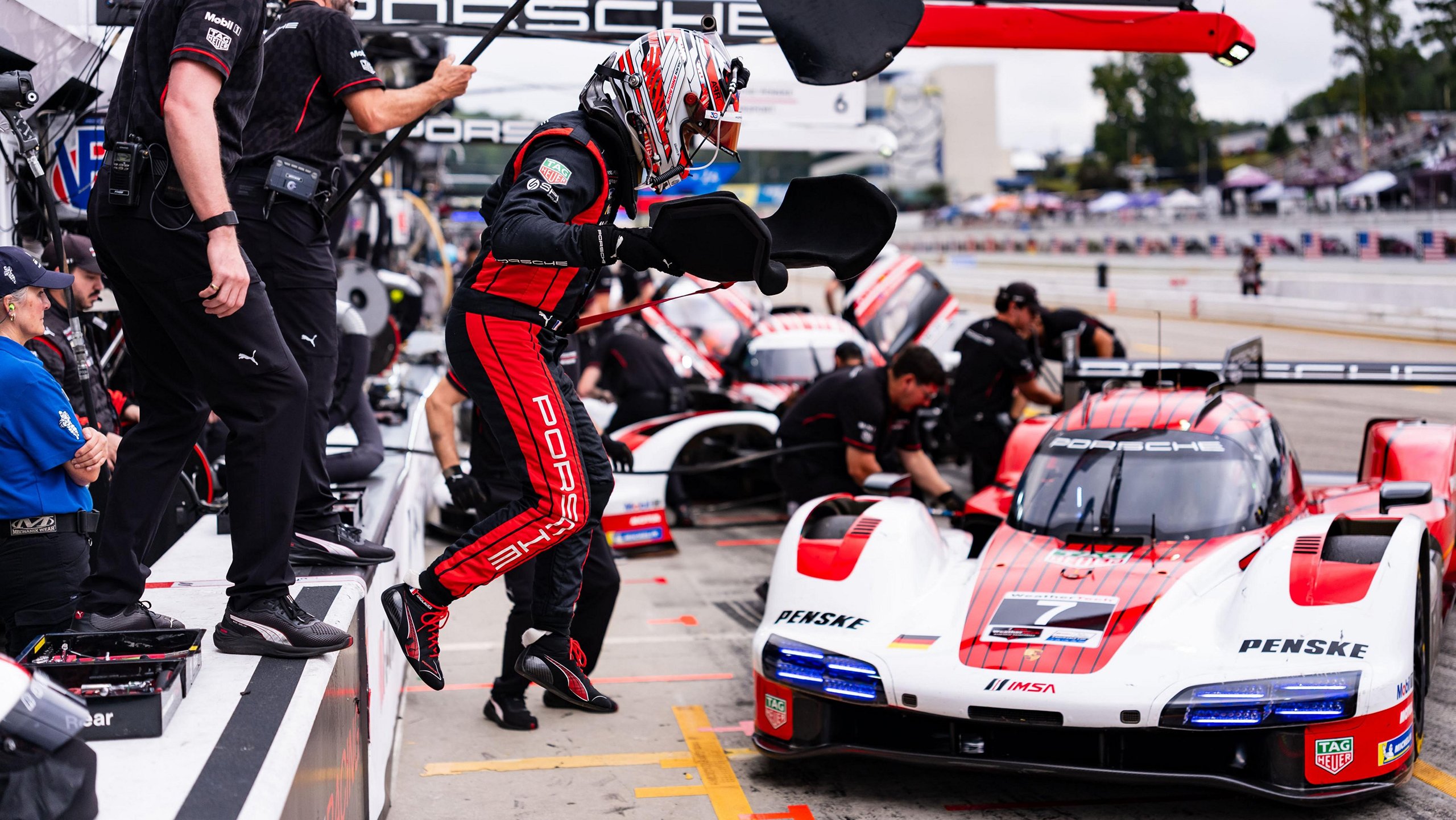
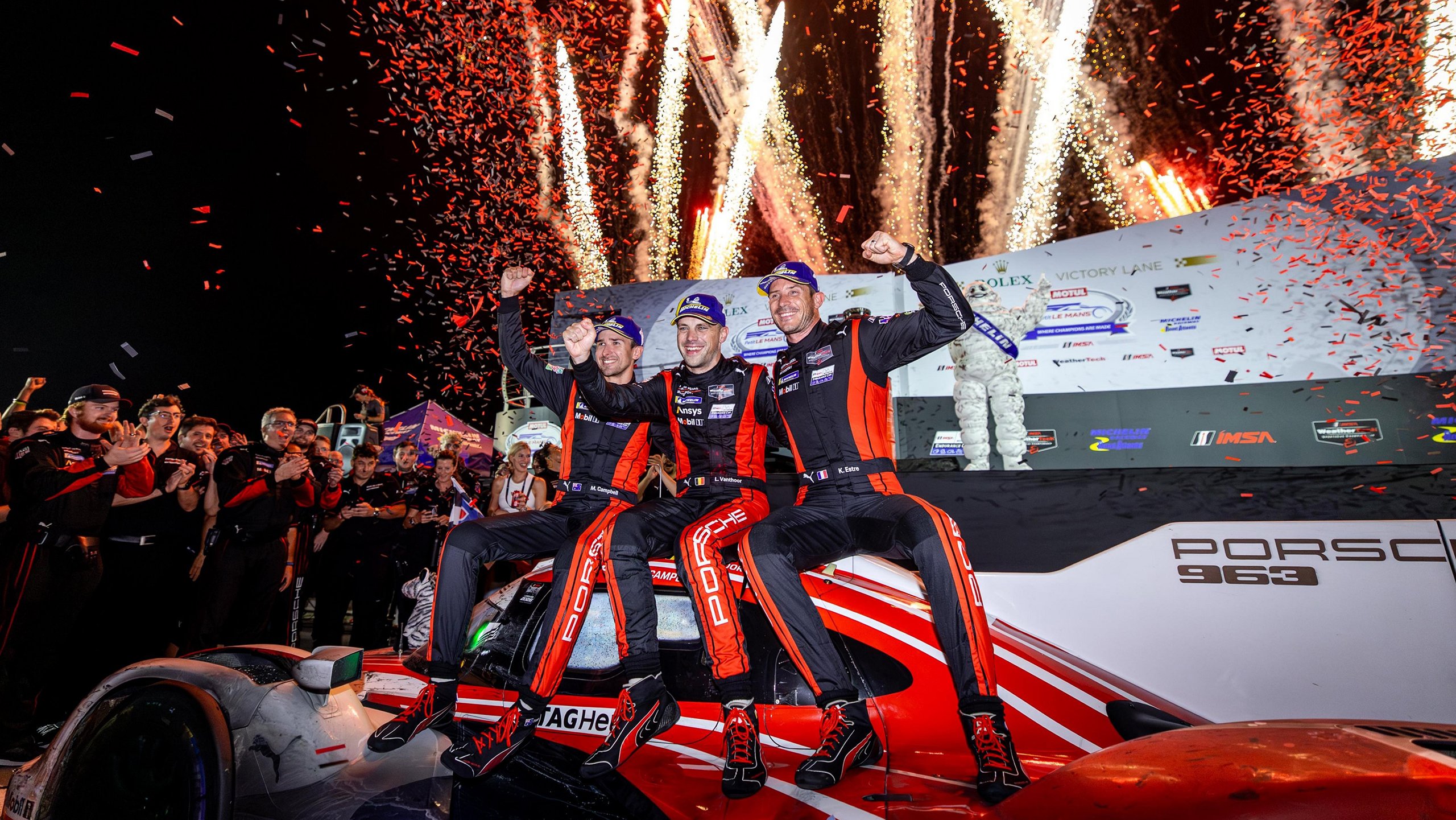
“I think many people in the U.S. like our brand. I think that’s reason enough to race here,” he continued, adding that perhaps competing manufacturers don’t share that justification.
“If there is a brand that hasn’t got that bigger business here, yes, I would understand—why would you engage here, why would you spend the effort here and spend the money if it’s not your market?” Laudenbach said. “Because, don’t forget, I mean, we do not do motorsport for the sake of its own. We do motorsport to drive technology, we do motorsport to show our brand on the racetrack because racing is a part of our brand, and it’s a part of our business. And therefore it’s important that we look at where we race.”
The thing is, it’s not just Porsche that has become increasingly reliant on business this side of the pond; IMSA rival BMW is thriving here, too, and manufacturers of high-end vehicles of all stripes are catering to the American market to make up for lost business elsewhere. If you’re a Genesis or a McLaren, there’s an argument to be made that if you’re going to focus on selling anywhere, America at least deserves to be on the short list.
I was invited to attend Petit Le Mans as a guest of Porsche. This was a lovely opportunity, but make no mistake: I have reservations about the company’s ability to keep its efforts on track. Porsche’s current financial situation is concerning, to put that predicament in the mildest terms imaginable, and big changes are ahead. The company made the difficult decision to pull out of the World Endurance Championship last year, and while Laudenbach reiterated to me, as he’s said many times before, that Porsche has not “turned its back on Le Mans,” how soon it’ll be able to return to that hallowed ground in northwestern France is a question he says he can’t answer yet. I believe him.
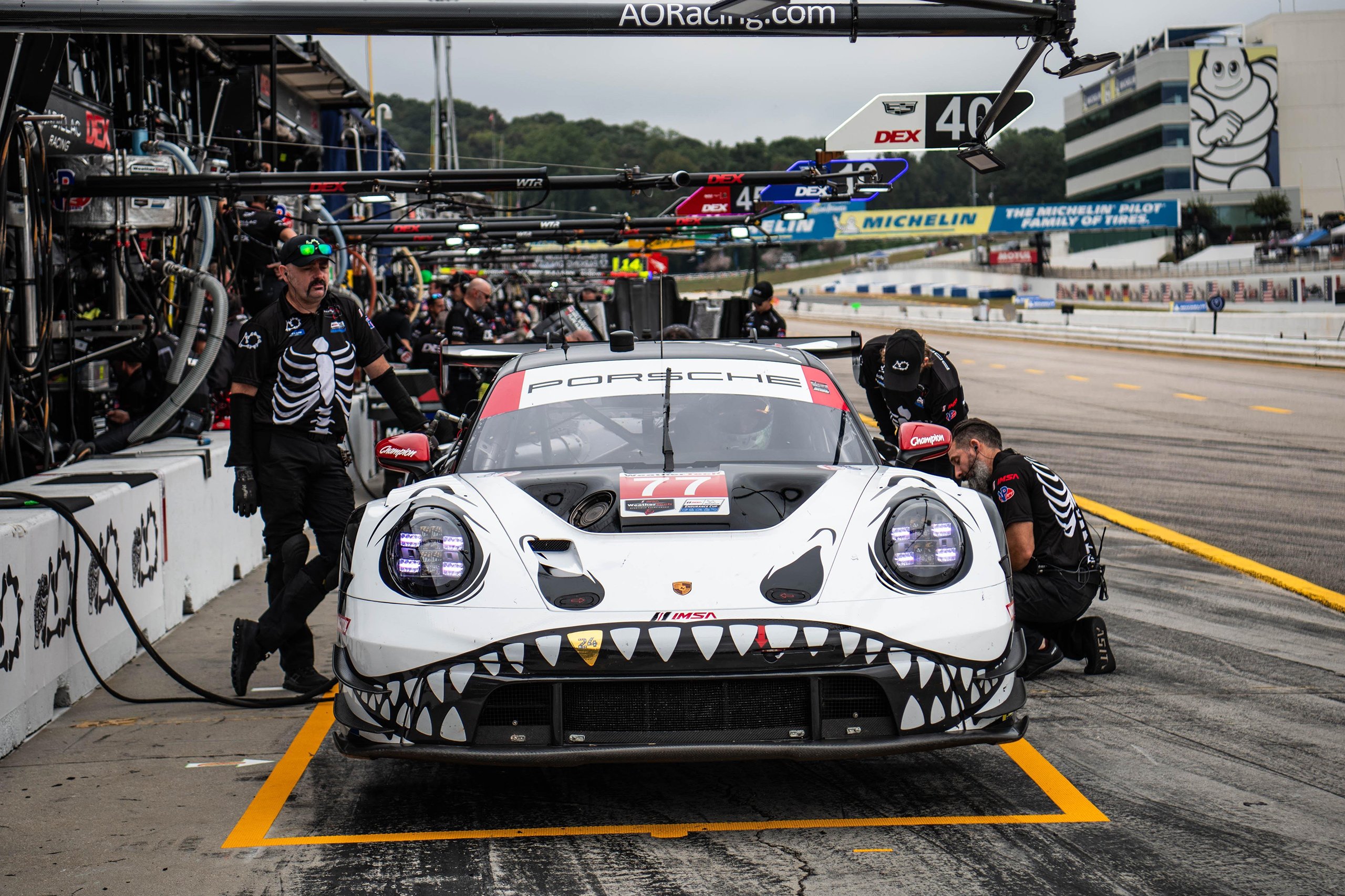
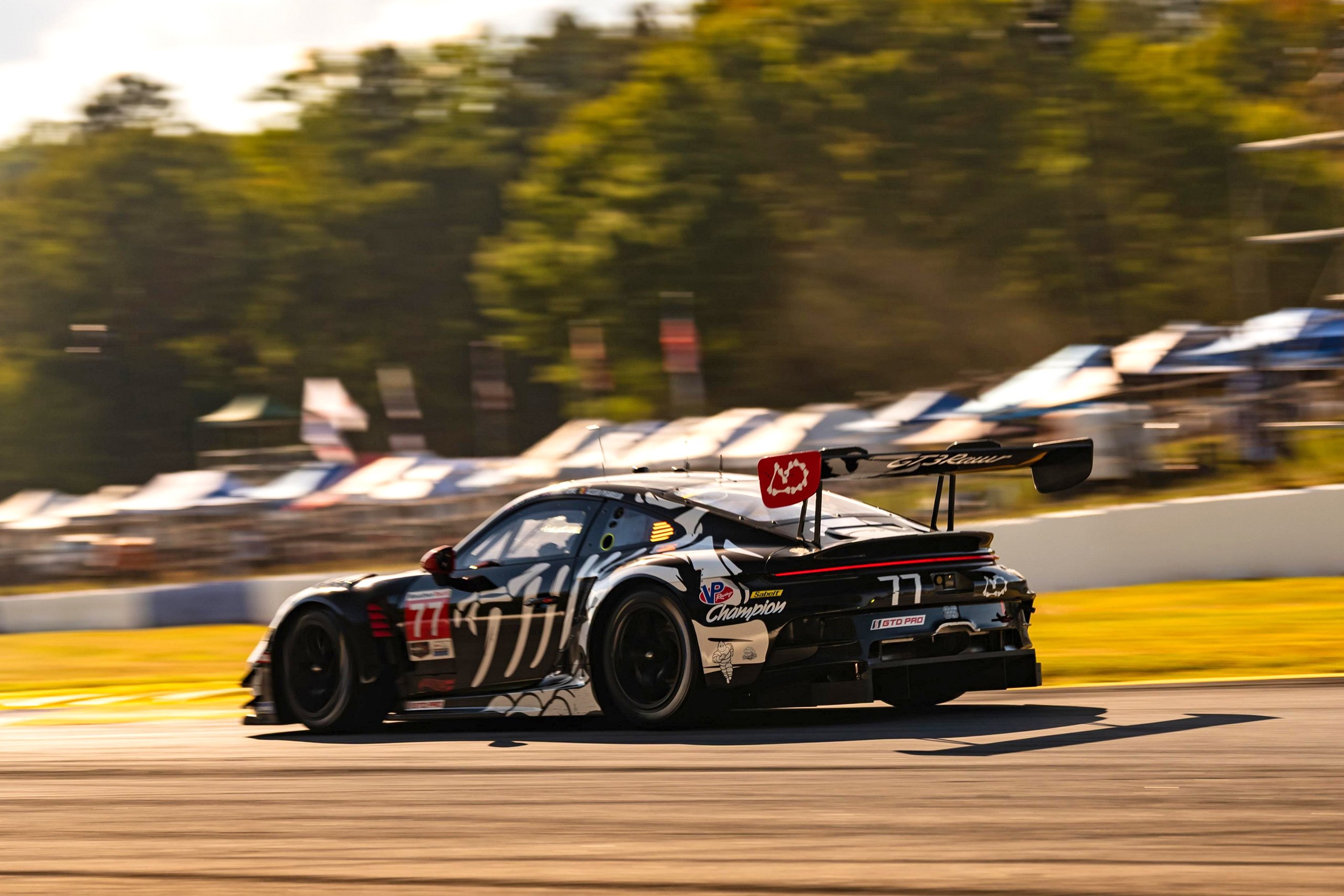
“I would not exclude that we keep on racing in IMSA, and it still might take time till we come back to Le Mans, [but] I cannot predict it. It really always depends on the situation we’re in,” Laudenbach said.
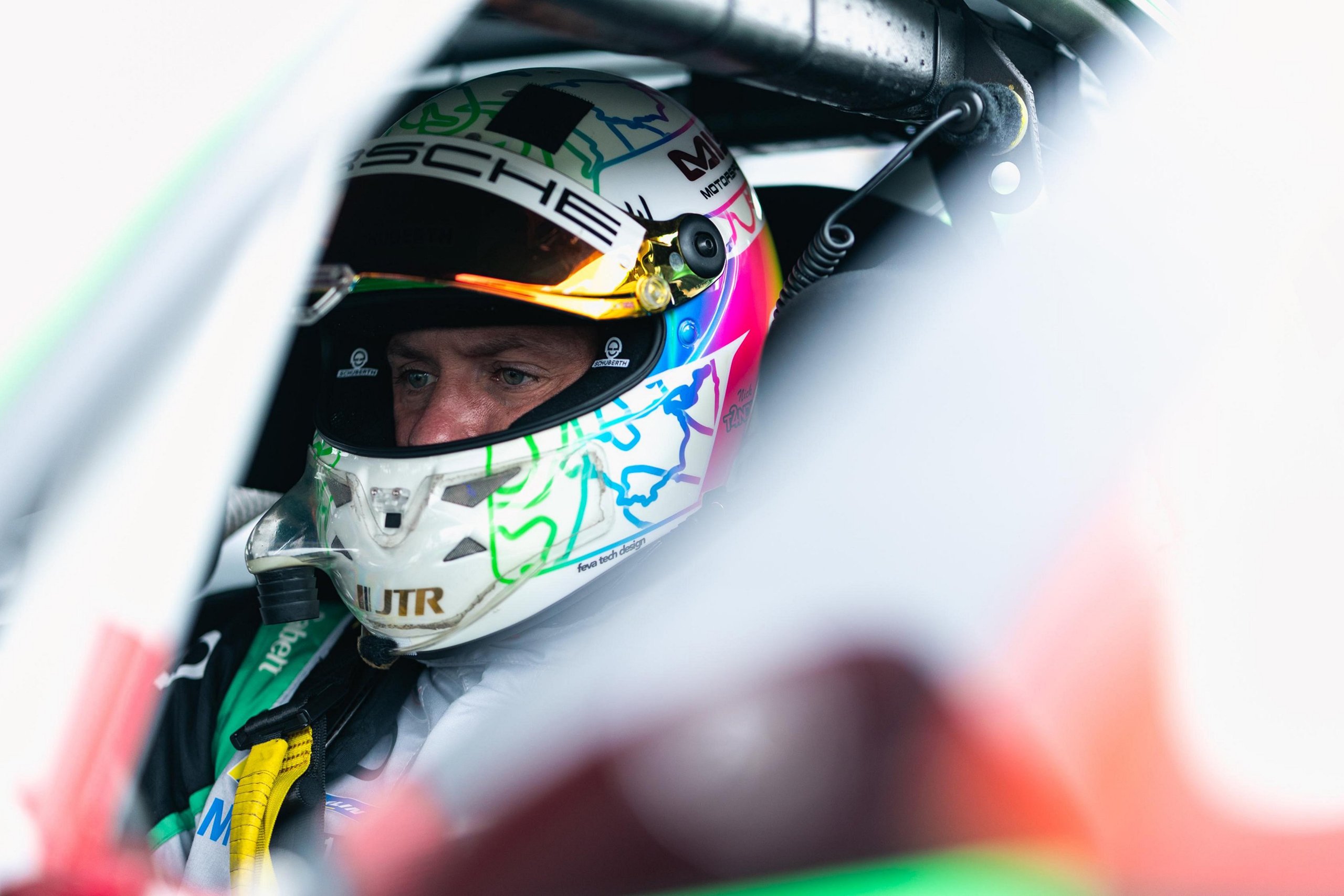
In the run-up to the race, I also had the privilege to briefly chat with Nick Tandy, the only driver ever to claim overall victories at the 24 Hours of Le Mans, Daytona, Nürburgring, and Spa. (These days, he wheels Rexy for AO Racing, which is a whole other subject.) The veteran Brit has won everything, and he’s enjoyed success in prototypes and many 911s. I asked him which of those four events was his favorite.
“Now it’s definitely Daytona because I love the American culture, I love the American way of racing,” Tandy said. “You go to Daytona in the middle of North European winter, go to Florida for a couple weeks. And it’s a massive competition with a big prize at the end of it.”
It’s a prize Porsche and its IMSA peers clearly believe is worth racing for. Makes you wonder why some don’t.
Got a news tip? Reach out to tips@thedrive.com
Loading comments…
Comments couldn’t be loaded. Please refresh the page.