
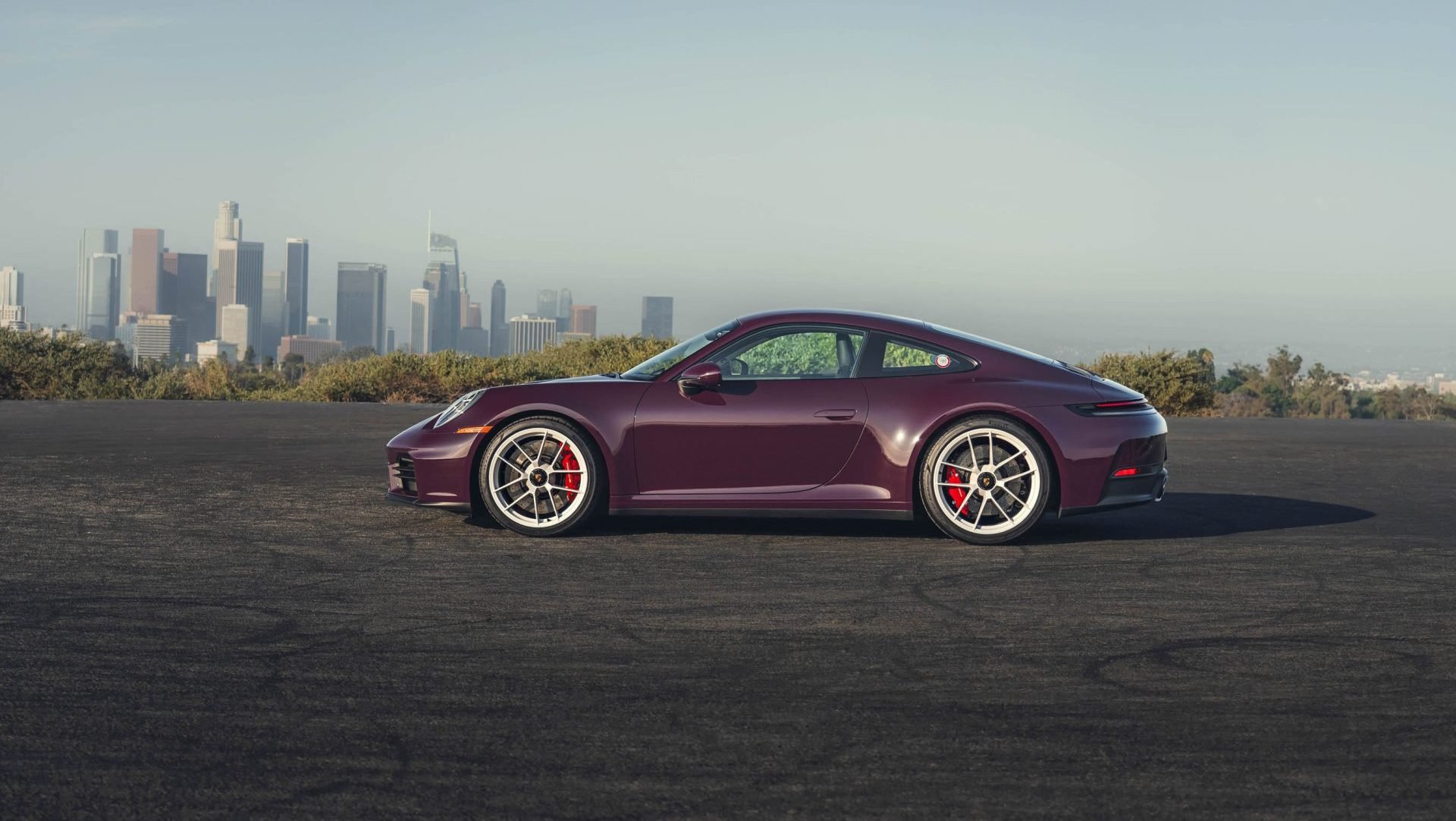
Weight is the enemy of performance, and Porsche knows it. From stripped-down specials like the 911 Carrera RS to today’s Weissach Packages, Porsche has fought many battles in the war against poundage. And the engineers in Stuttgart have just identified a new front in that war: car audio systems.
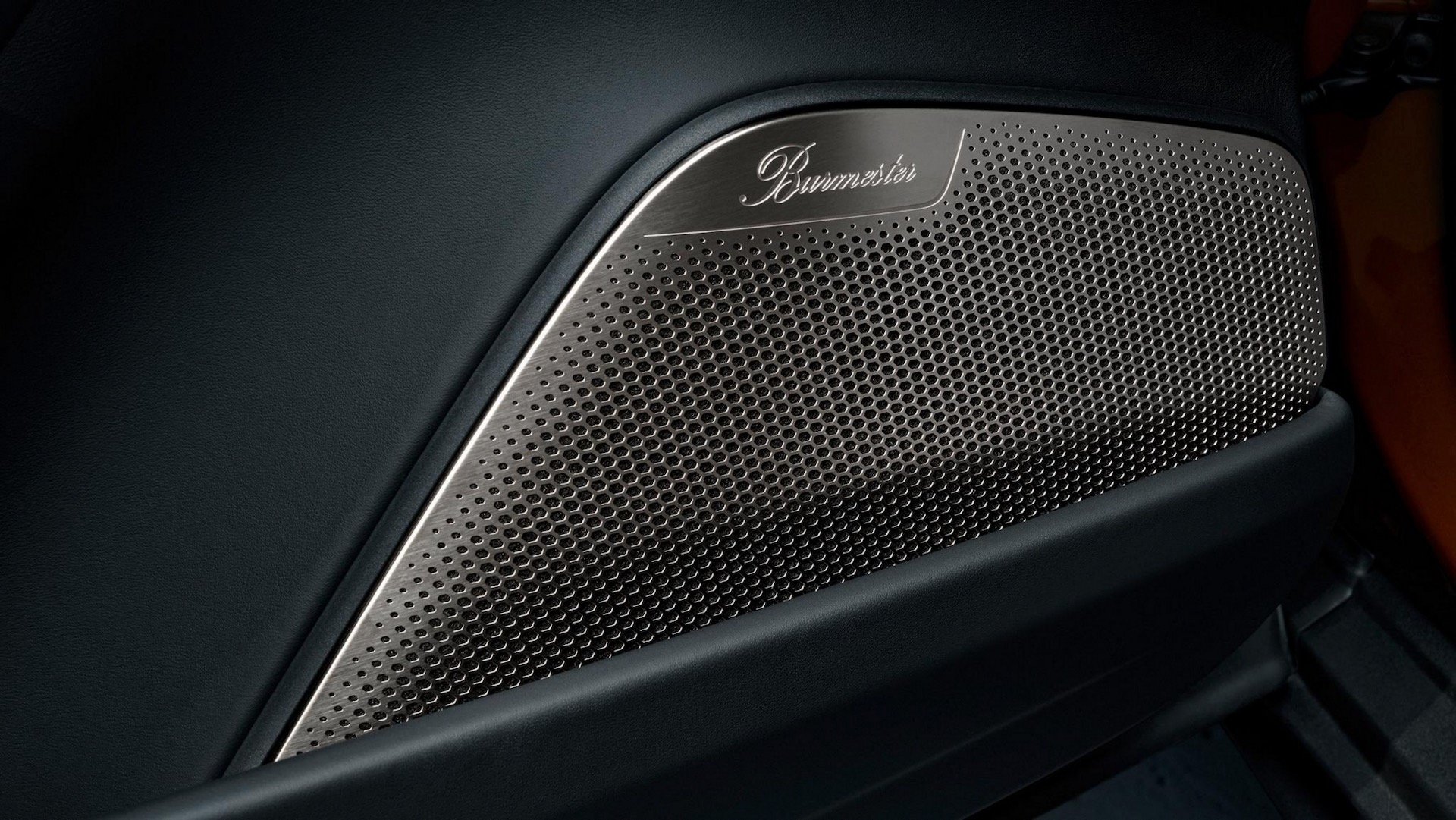
In what the automaker claims is a world first for production cars, Burmester audio systems in near-future Porsche models will have gallium nitride (GaN) semiconductors. GaN conducts current with greater efficiency and allows for greater power density than current semiconductor materials, Porsche stated in a press release, making audio-system hardware lighter and more compact.
GaN semiconductors might be new to car audio, but they’re not new overall. Their industrial use dates back to the 1990s, when they were first employed at scale in blue LEDs. Today, chips with GaN semiconductors can be found in everything from tablets and USB chargers to satellites, Porsche notes. They’re prized for high switching frequencies and lower energy losses than typical silicon-based semiconductors. This reduces the amount of heat generated, increasing overall efficiency and thus allowing for smaller, lighter hardware.
Less heat also means lower cooling requirements. Porsche claims the heat sink packaged with these chips is 20% lighter, and that other “passive components” can be made smaller as well. The heat sink is made of aluminum, so shrinking it also saves material, and considering how energy-intensive aluminum production is, Porsche expects to avoid some carbon dioxide emissions this way.
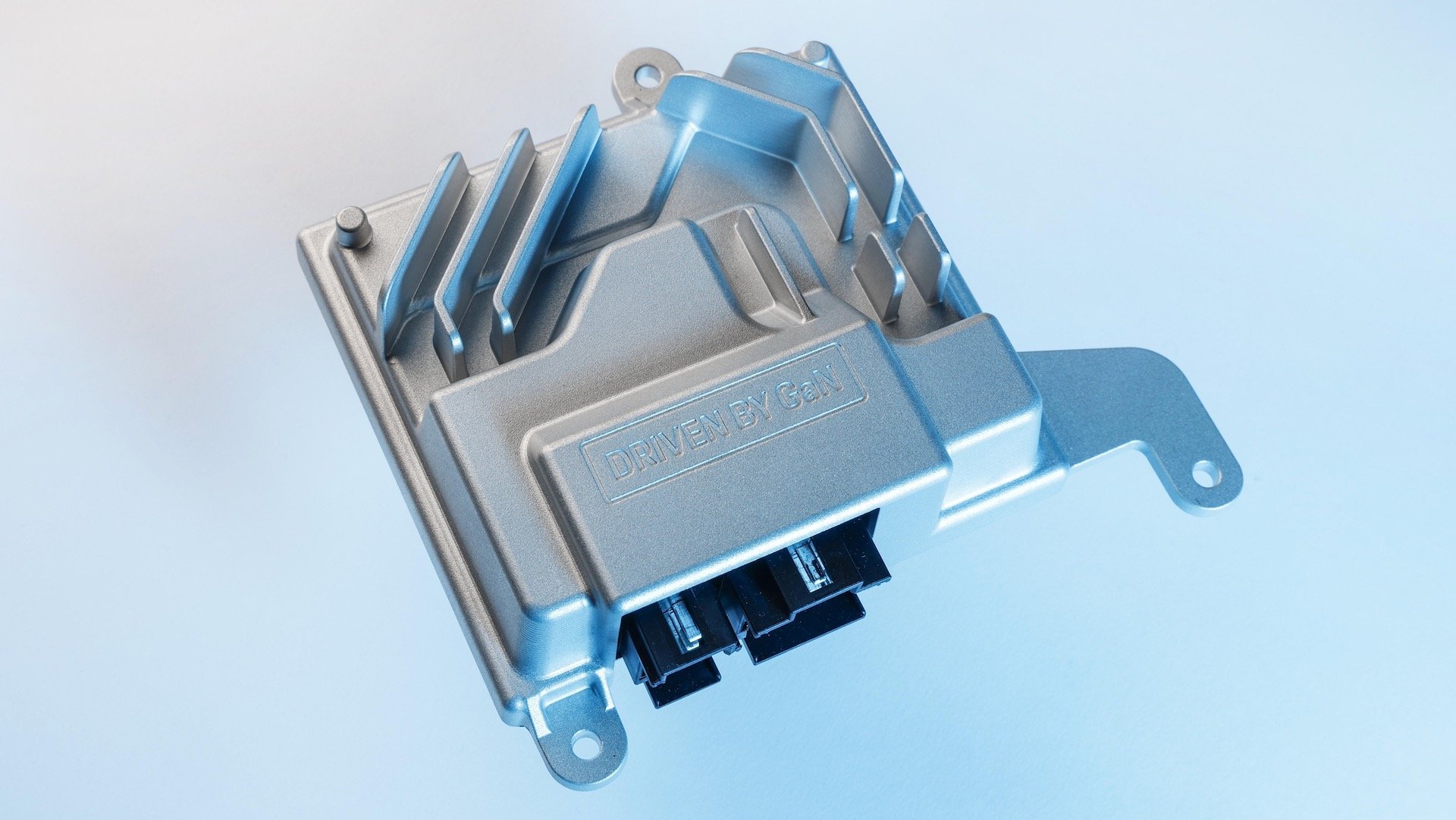
Porsche began studying GaN semiconductor tech for automotive use in 2023, and launched a development program with the University of Stuttgart’s Institute for Robust Power Semiconductor Systems in 2024. The tech will first be deployed in a 400-watt amplifier for a Burmester 3D system in 2027, and Porsche is looking at other applications beyond that.
“The semiconductor can be used for power conversion in high-voltage systems,” said Dr. Lars Heuken, Porsche semiconductor manager, in a statement. “This makes GaN particularly interesting for the high-voltage systems of electric sports cars, for instance.” Porsche remains committed to EVs generally, but seems to be having trouble getting a true sports car—in the form of an electric Boxtser/Cayman replacement—across the line.
Loading comments…
Comments couldn’t be loaded. Please refresh the page.