
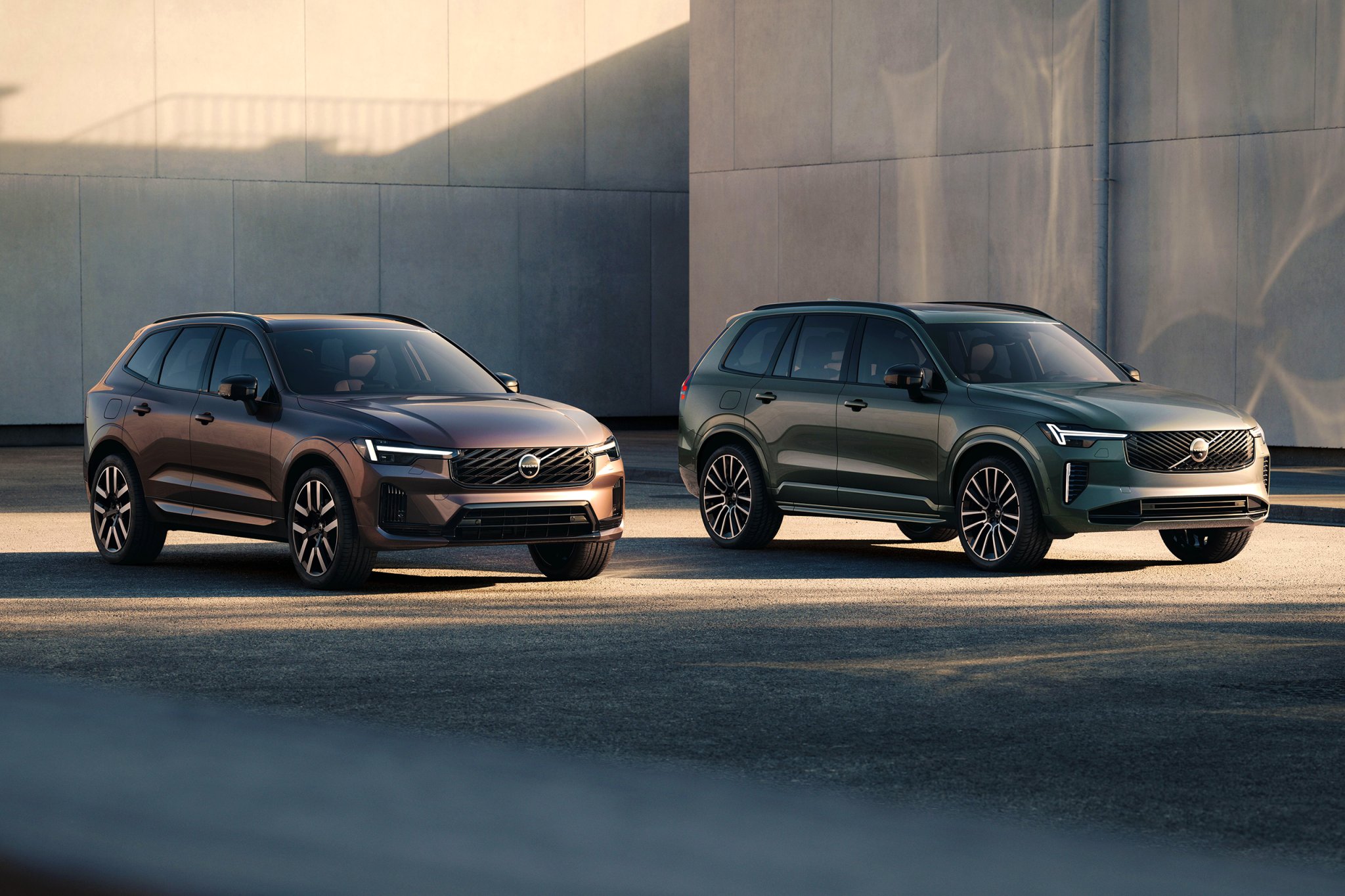
Some consider plug-in hybrids the worst of both worlds, because when the battery runs out, you’re left lugging dead weight around that harms, rather than helps, your efficiency. But, if a PHEV fits into your life well—and, most importantly, if you plug in every night—they can be extremely beneficial. And none more so than Volvo’s latest offerings: the refreshed XC60 and XC90, which now offer all-electric ranges of 78 and 73 miles, respectively.
Both vehicles beat the current record-holder for all-electric range among PHEVs in the States, the Mercedes GLC, which promises 54 miles without burning any gas. And those figures more than double how far the the outgoing XC60 and XC90 plug-ins could run on a topped-up battery, as they’d peter out between 32 and 35 miles. Consider that at the start of the decade, some automakers were still peddling battery EVs with a paltry range of around 100 miles.
If you’re wondering how Volvo pulled this off, the answer is pretty straightforward: the battery in both SUVs is a heck of a lot larger, now rated at 38 kWh of usable energy, up from about 15 kWh. The motor that battery feeds is more powerful as well, though total system output is unchanged for both models, sitting at a stout 455 horsepower.
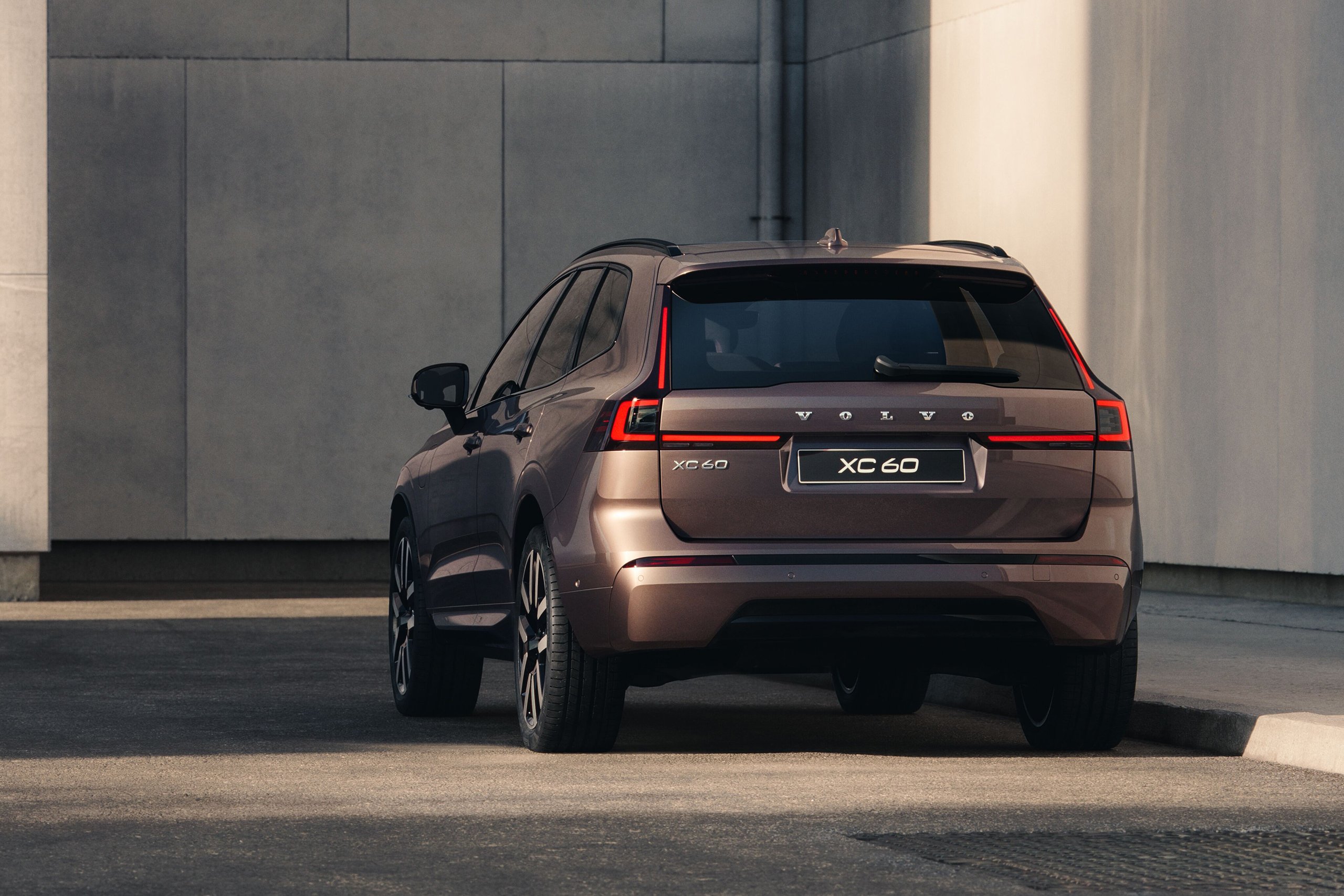
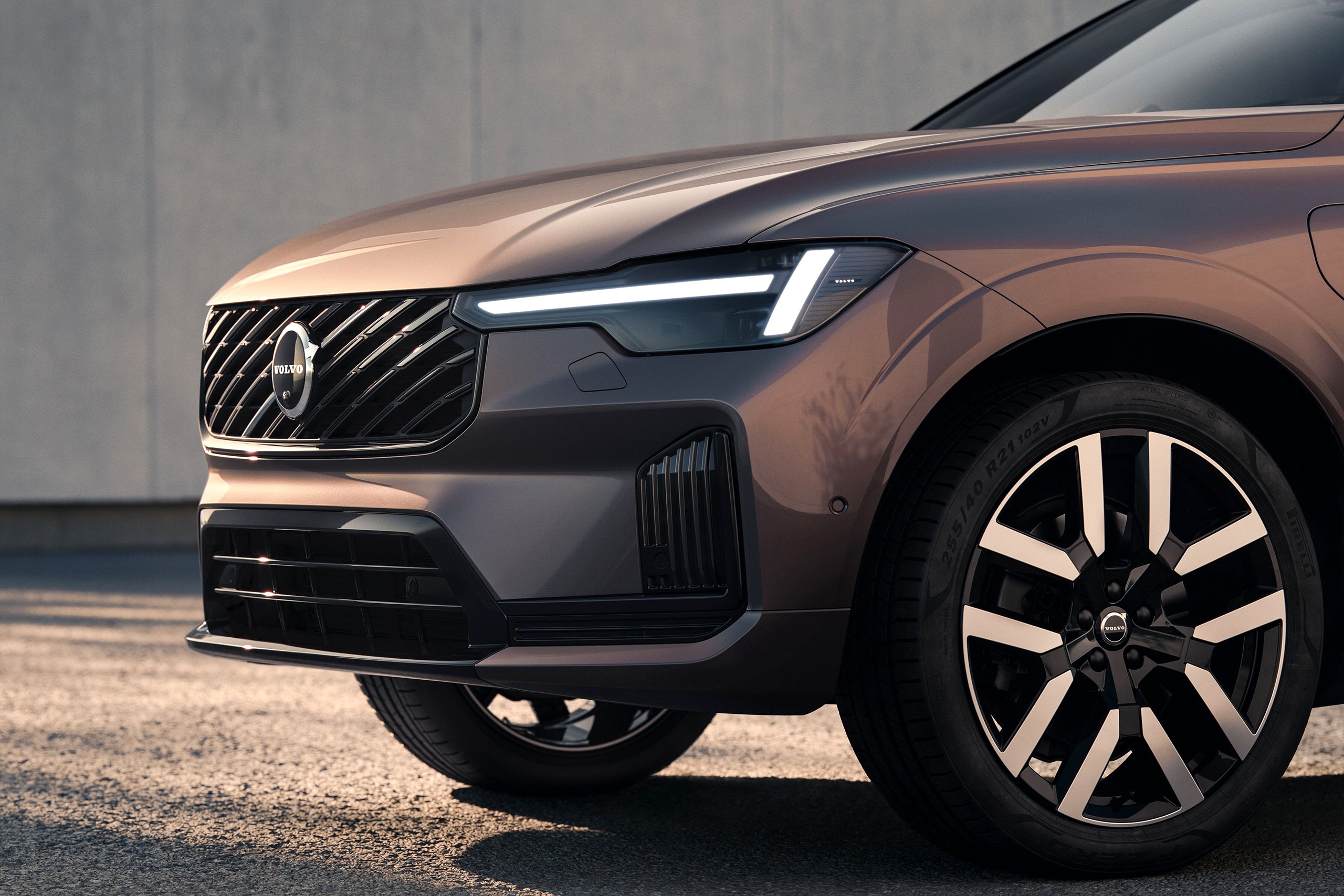
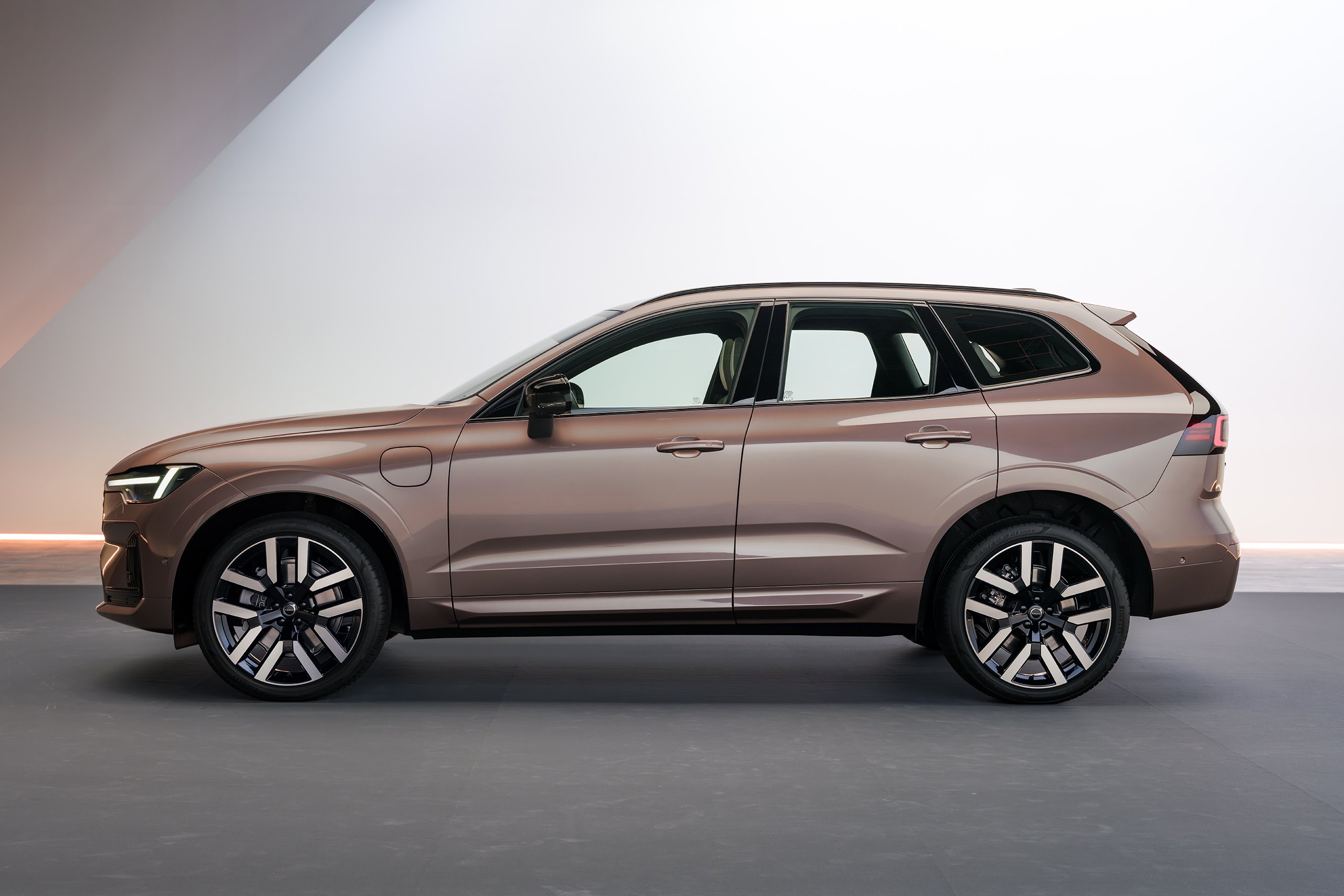
Beyond these powertrain improvements, the 2028 XC60 (don’t worry, it’s still scheduled to hit dealers early next year) has received a slight makeover, though you’re unlikely to notice the differences in the SUV’s exterior unless you’ve spent a lot of time with the current one. Everything ahead of the A-pillar, including the front bumper, hood, headlights, and wings, has been resculpted. Meanwhile, the way the tailgate interacts with the taillights has been cleaned up for a simpler look out back. The XC60 was already a very tasteful-looking vehicle, and the new one really isn’t any better—just different.
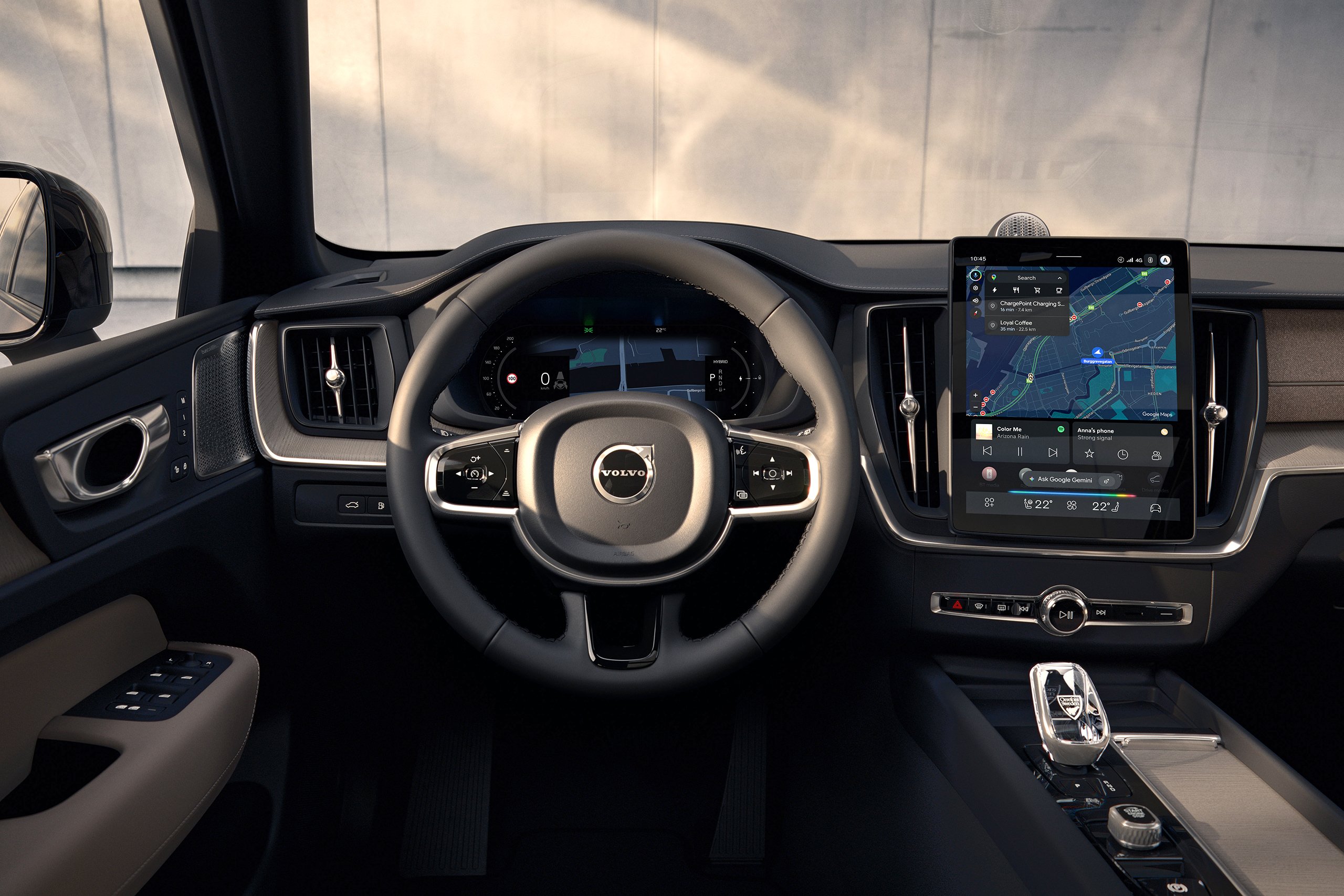
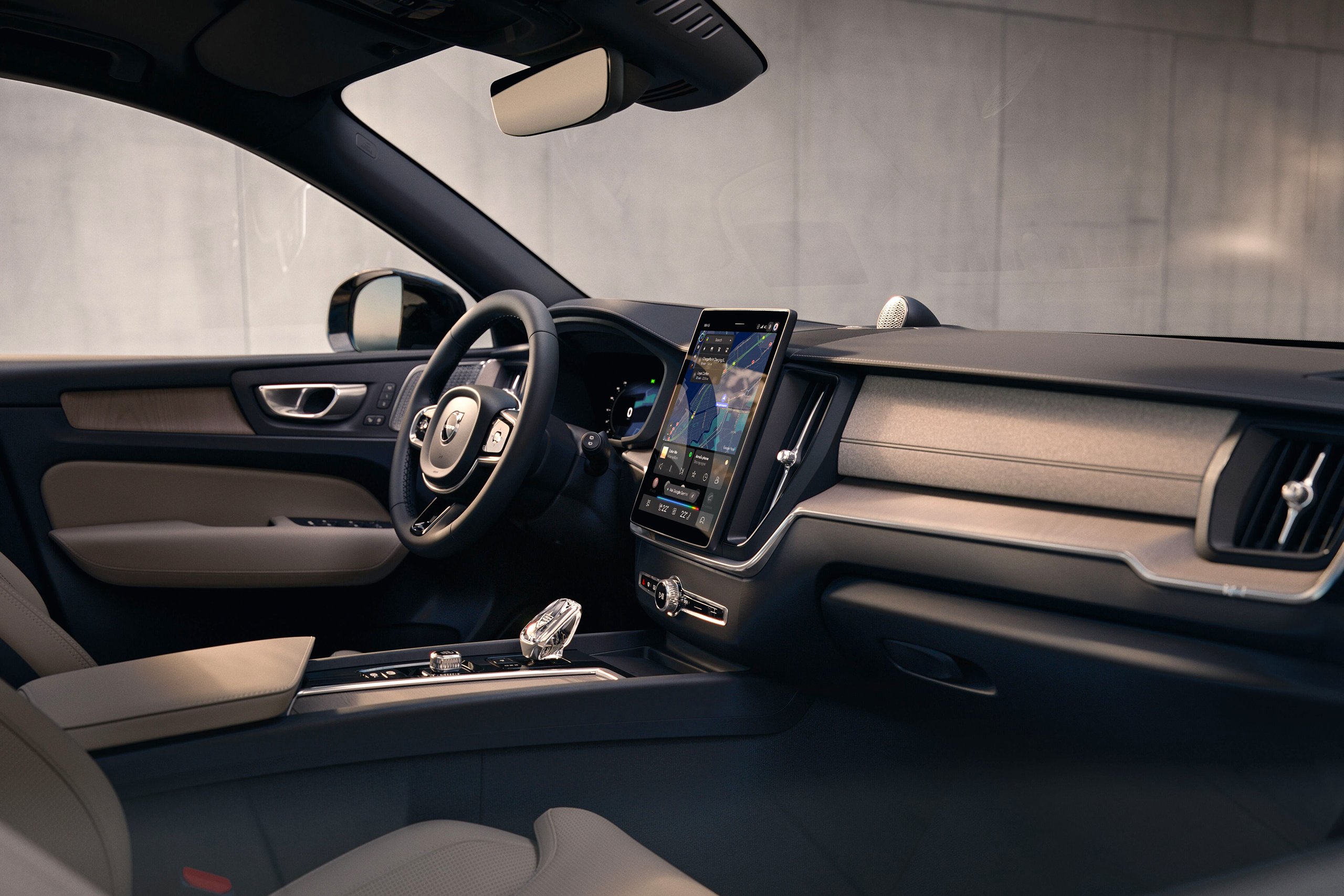
Volvo also says the XC60’s interior features a “new dashboard and door panel design,” but the tweaks to the dash are even less noticeable than those made to the outside of the car; from what I can tell, the aluminum trim along the bottom edge of the dash’s face now weaves horizontally in a different way from before. The SUV does at least benefit from Volvo’s latest active safety suite, including an alert when opening car doors for oncoming cyclists, and a 360-degree camera that can now composite a 3D view of the vehicle and its surroundings.
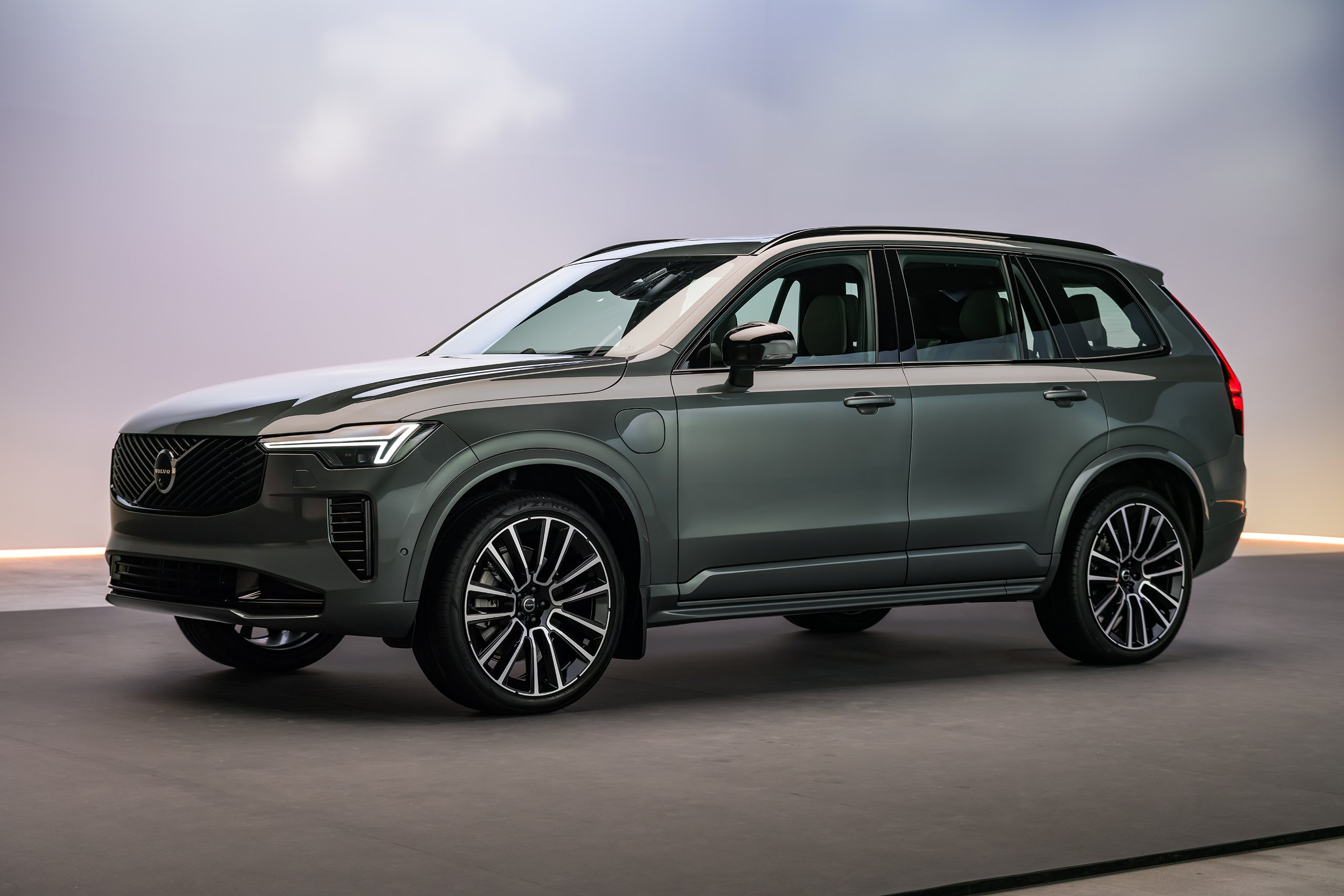
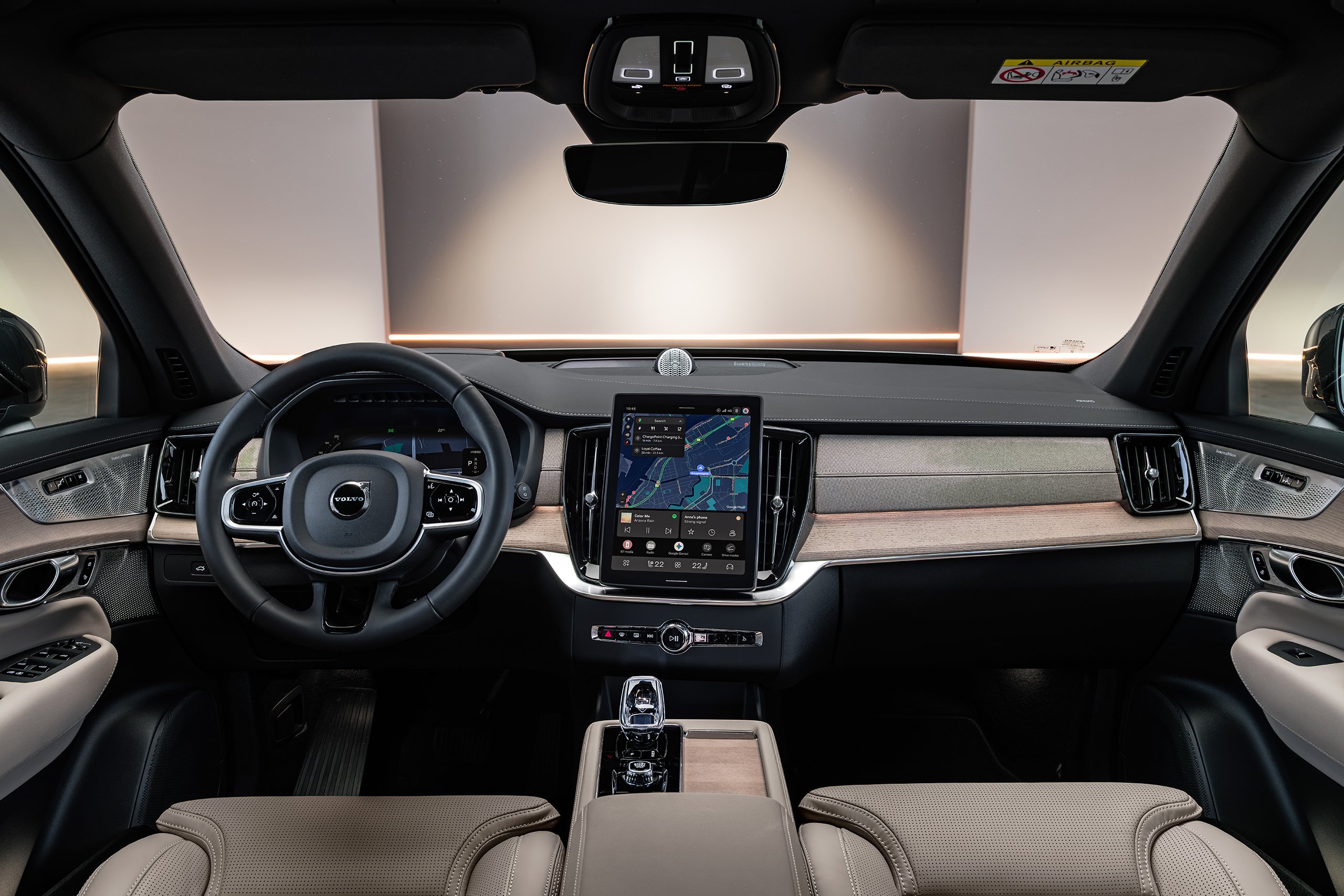
The XC90, on the other hand, enters 2028 claiming fewer updates, as it got a touch-up last year anyway. But the important thing is that both SUVs benefit from that massive all-electric range, at a time when more buyers than ever are looking into EVs. That desire to eliminate, or even simply cut, fuel costs, given the effects of the government’s ongoing Middle East entanglement, could also push more people from gas cars and conventional hybrids to plug-ins. Speaking of which, the mild hybrid versions of both vehicles—including the curiously supercharged and turbocharged B6 powertrain for the XC90—remain on offer heading into next year.
Got a tip or feedback for The Drive? Let us know at tips@thedrive.com
Loading comments…
Comments couldn’t be loaded. Please refresh the page.