
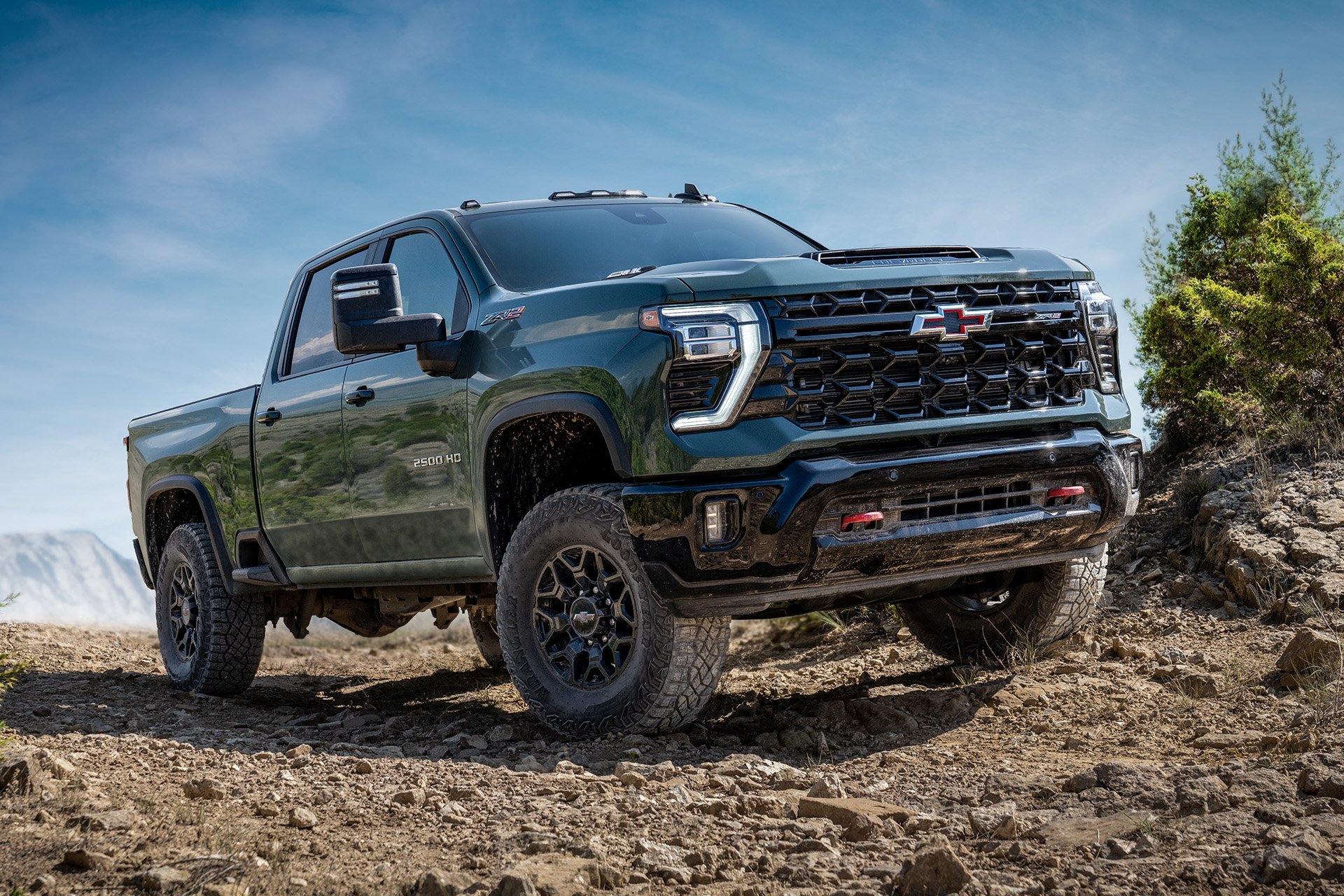
I never thought I’d see the day that General Motors actually built an 8.3-liter Duramax diesel for normal trucks. Well, I say “normal”—it almost feels wrong to call them that when they sport the largest V8 ever fitted to a production pickup. The 2027 Chevy Silverado HD and GMC Sierra HD will be different beasts compared to the rigs they replace, thanks to their 555 horsepower and 1,230 lb-ft of torque.
In case there was any doubt, that’s more horsepower and torque than GM’s contemporaries at Ram or Ford. For its part, Ram’s updated 6.7-liter Cummins makes 430 hp and 1,075 lb-ft, while the Blue Oval’s 6.7-liter Power Stroke diesel hits 500 hp and 1,200 lb-ft. It’s the first time GM has topped the diesel power charts since introducing the Duramax L5P in 2017; Ford leapfrogged that engine the following model year and has led the way since.
All this grunt enables the Silverado 3500HD and Sierra 3500HD to hit a max tow rating of 38,000 pounds. Interestingly, that’s still lower than the Ford Super Duty’s 40,000-pound limit when appropriately spec’d. It seems like GM is less concerned with winning that specific arms race, and instead is focused on making the most power with the largest engine.
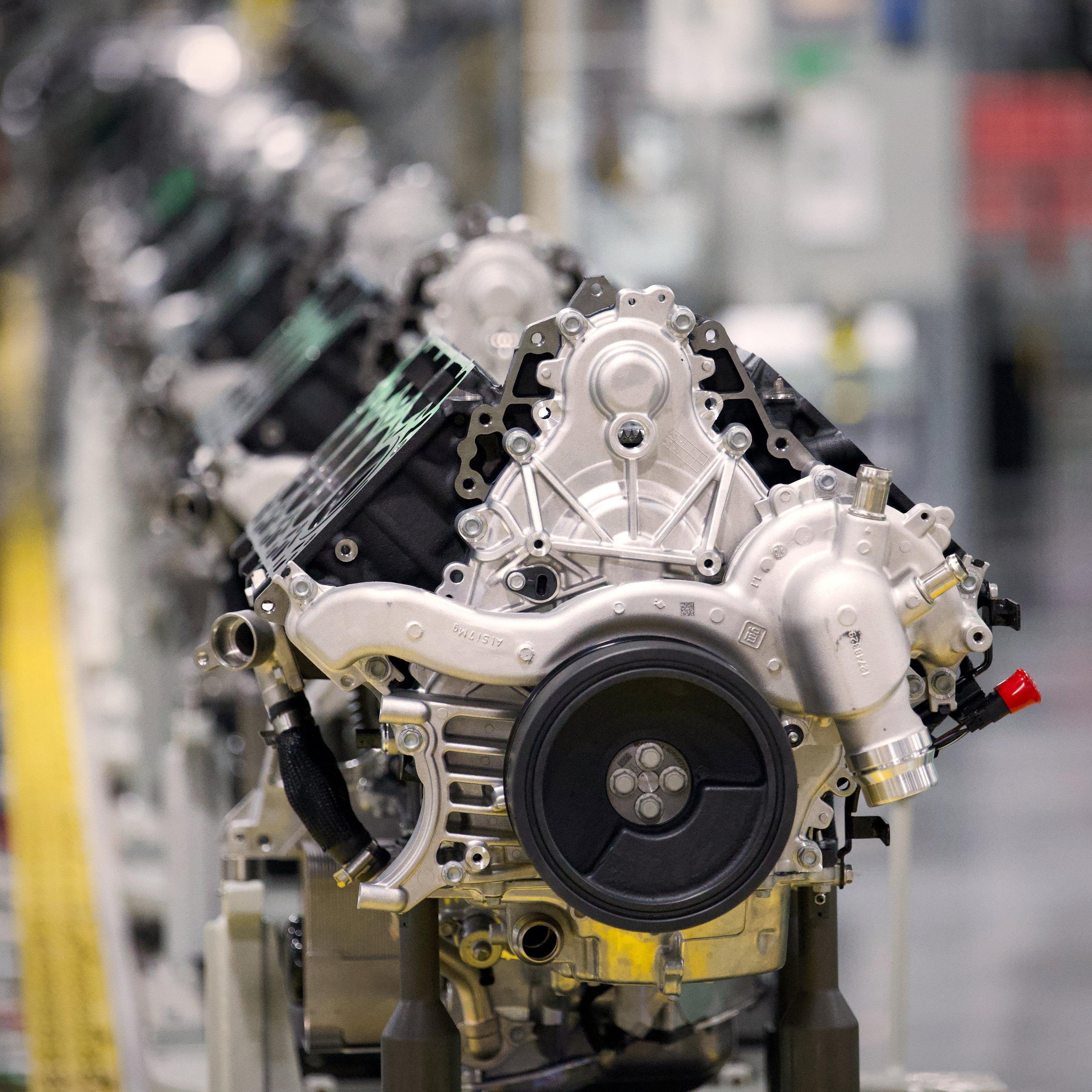
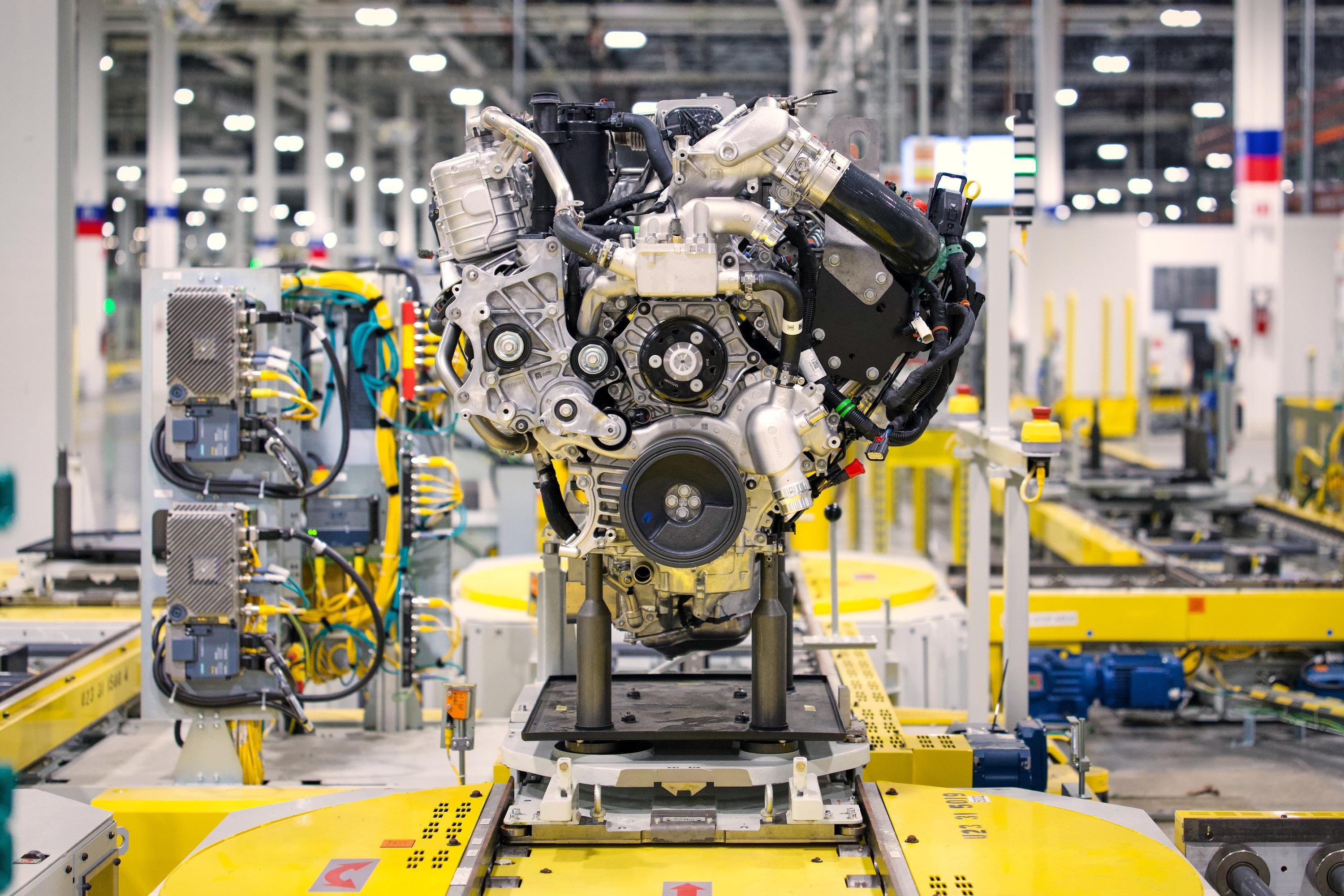
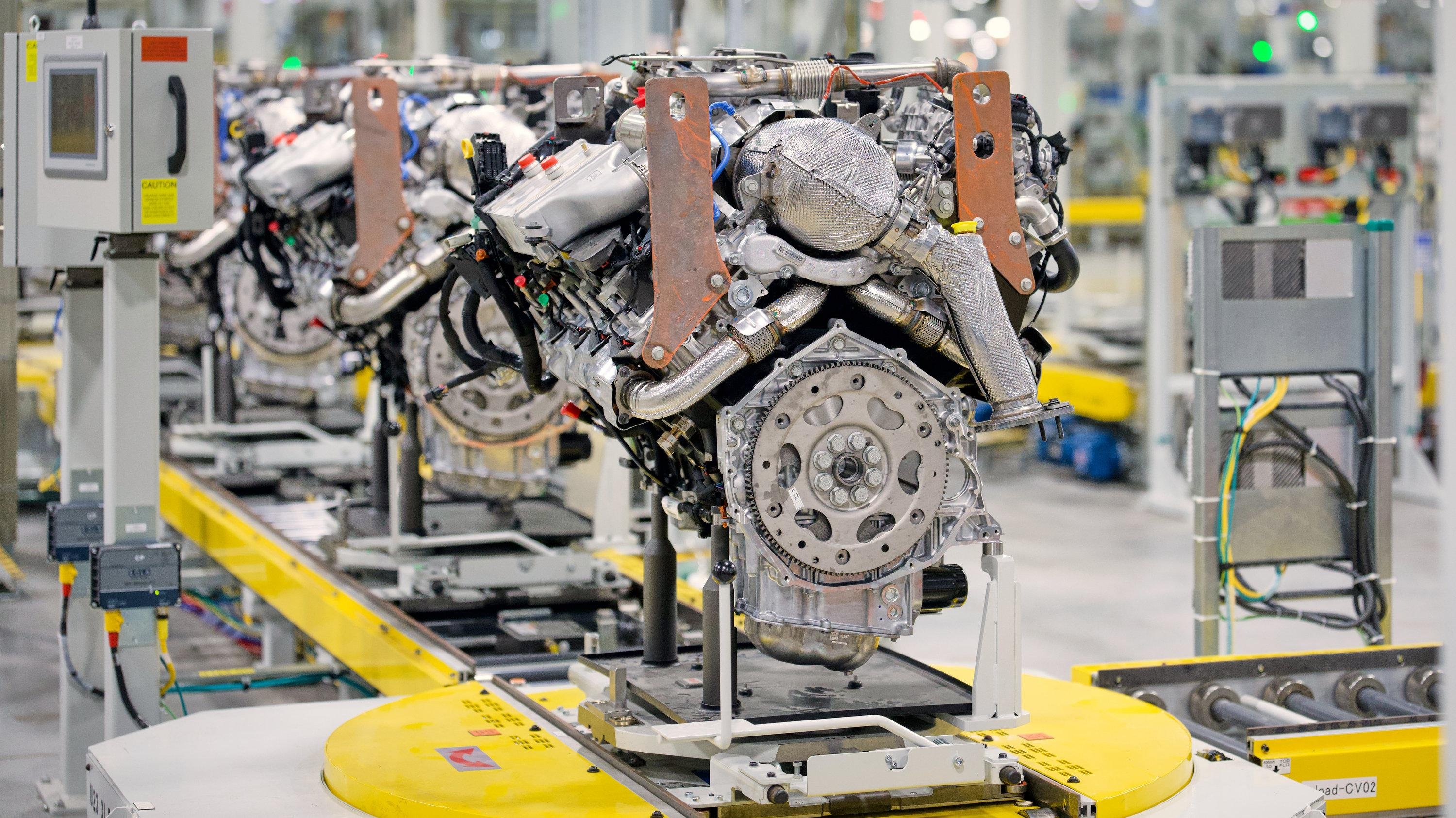
That outrageous displacement has its advantages. While it obviously allows for more power, it’s able to make it with less stress than if GM had aimed for that output with 6.6 liters as before. That’s a key benefit for anyone working these trucks at their limits; in theory, it should help with reliability. And what’s more, a larger engine can also benefit the emissions system, believe it or not. I wrote an entire story on this, with input from engineers at Ford, Cummins, and yes, GM. Check it out if you’re interested in a deeper dive.
The lovingly named “Mongoose” 8.3-liter has other tricks up its sleeve besides its size. It uses a compacted graphite iron cylinder block, which weighs less than the old cast gray iron block material while offering higher tensile strength. GM went with fully forged internals, from the crankshaft to the connecting rods and steel pistons, and it also upgraded the cooling package significantly. There’s now a dual-stage air-to-water charge cooler that lowers temperatures from the variable-geometry turbo. Other decisions, like the one to implement electric power steering rather than traditional hydraulics, factor into thermal control as well.
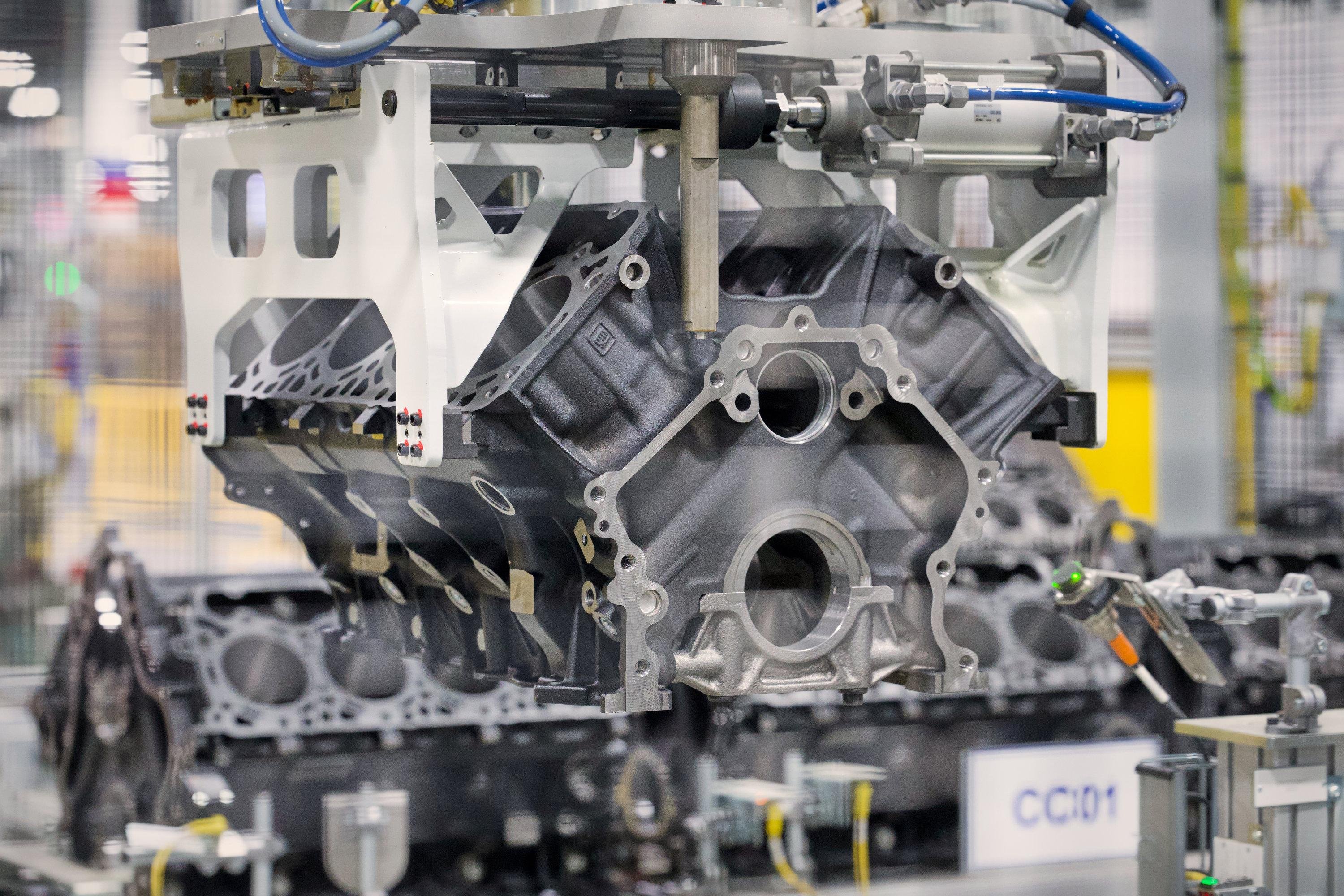
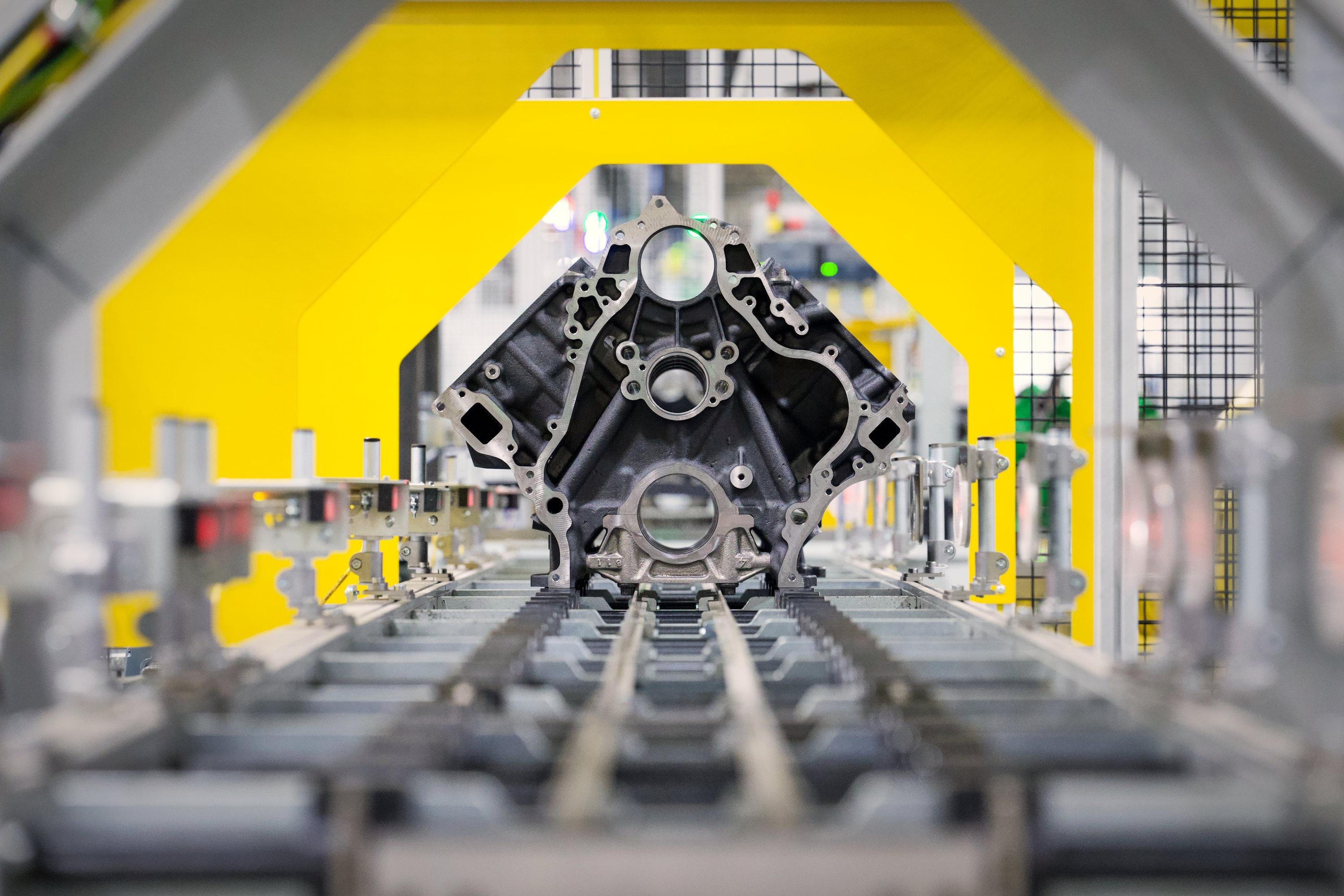
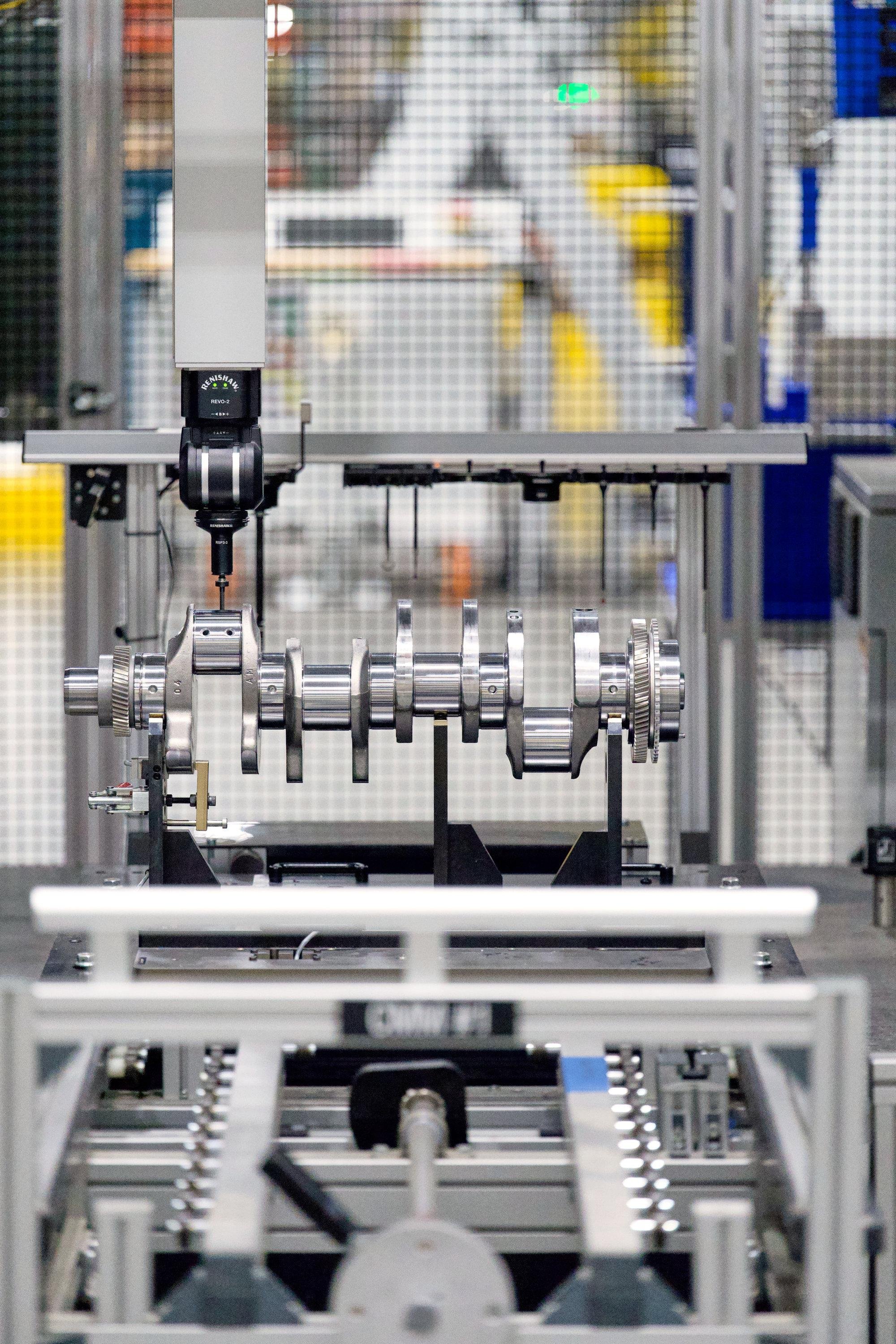
It’s a compelling concept on paper, and I’m itching to test one out. Even though the outgoing Silverado and Sierra HD didn’t make as much power as their crosstown Detroit rivals, they were still capable of working harder than most folks would ever need. Upsizing to this gigantic diesel V8 nabs a lot of headlines for GM, but I have a feeling it’ll win even more bragging rights. This is like an old-school hot rod moment, where guys in the parking lot would bark about their big-blocks. In a way, that’s exactly what’s going on here.
Got a tip or question for the author? Contact them directly: caleb@thedrive.com
Loading comments…
Comments couldn’t be loaded. Please refresh the page.