
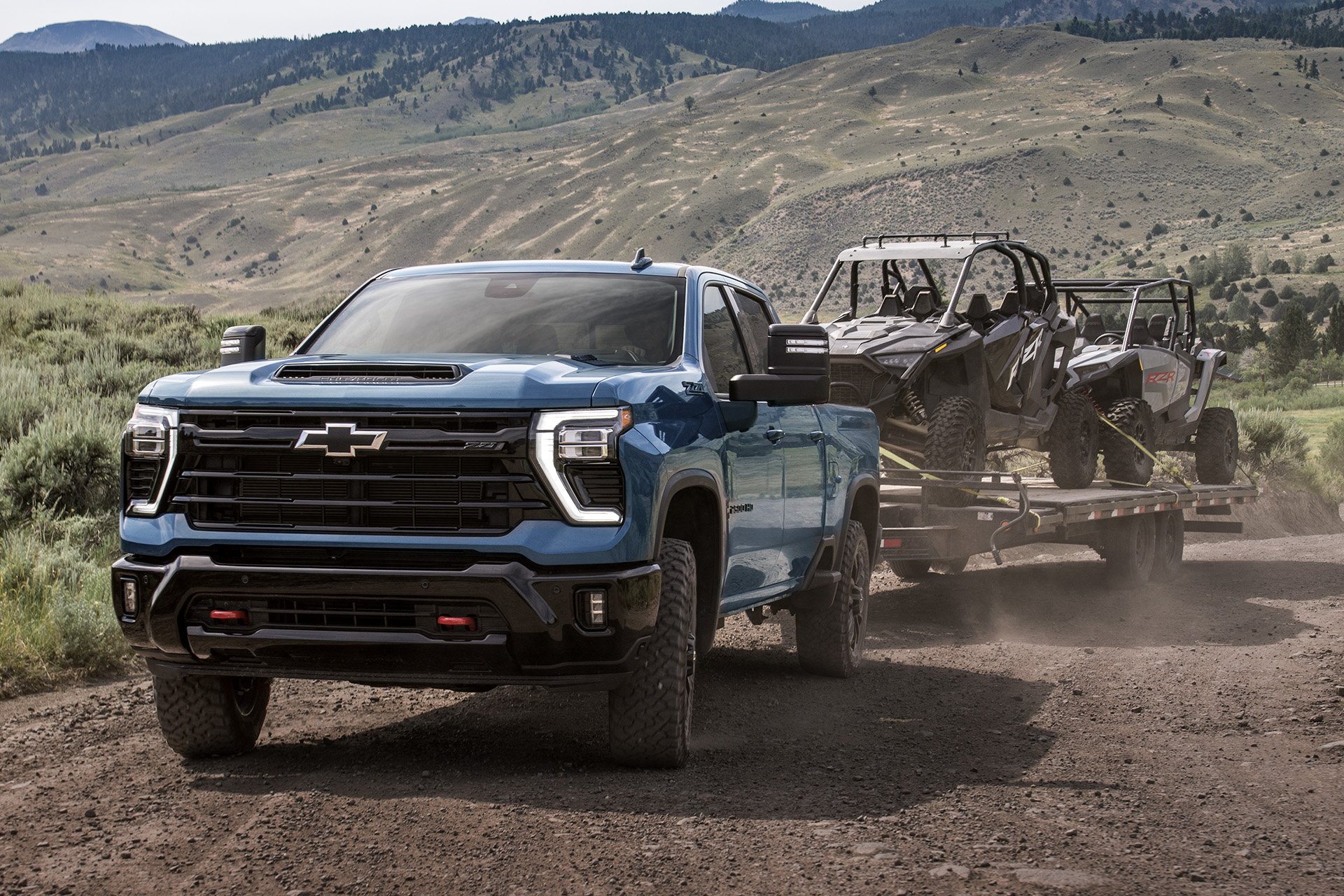
I’m exceptionally giddy that General Motors is actually building the 8.3-liter Duramax. Call me a nerd if you want—you wouldn’t be the first—but I never thought I’d see such a gargantuan pickup truck engine in my life. Of course, I was already quite fond of GM’s diesel V8s, as I wrote a detailed history of the almost-revolutionary LMK Duramax that the company canceled after the 2008 financial crisis. And because of my past research on that engine, I noticed something in the manufacturer’s press release today.
The new 8.3-liter “Mongoose” boasts plenty of impressive specs and stats. It makes 555 horsepower and 1,230 lb-ft of torque, towing up to 38,000 pounds in an appropriately spec’d Chevy Silverado 3500HD or GMC Sierra 3500HD. However, it wasn’t until I read that it’s being built with a compacted graphite iron block that I had my “aha” moment.
See, the reason I call the ill-fated LMK Duramax “almost-revolutionary” is that it would have introduced some crazy tech to mass-market pickups almost 20 years ago. I’m talking about a hot-vee turbocharger, split-cap main bearings, and—ding ding ding—a compacted graphite iron block. Diesel tuning godfather Gale Banks told me these were some of the 4.5-liter Duramax’s most impressive features way back when, and GM is only just now building a diesel with a CGI block. (The outgoing 6.6-liter Duramax engine uses a cast gray iron block.)

GM said it destroyed this revolutionary engine. We found a survivor
Lest you believe I’m making a mountain out of a molehill, I know that other vehicles on sale today use compacted graphite iron. Heck, the 6.7-liter Cummins in a Ram HD does, too, so it’s not even new in this segment. But it’s the fact that GM thought to utilize this lightweight, high-tensile-strength material in a truck engine all those years ago that has me thinking.
Compacted graphite iron is different from cast gray iron on a microstructural level. Its structure is rounded and worm-like, whereas cast gray iron is sharp and flake-like. These rounded edges are better for stress management, and they increase rigidity to better withstand high cylinder pressures. Compacted graphite iron also has a far greater fatigue limit, all while weighing less. You’ll save all the poundage you can when you’re stuffing 8.3 liters under the hood.
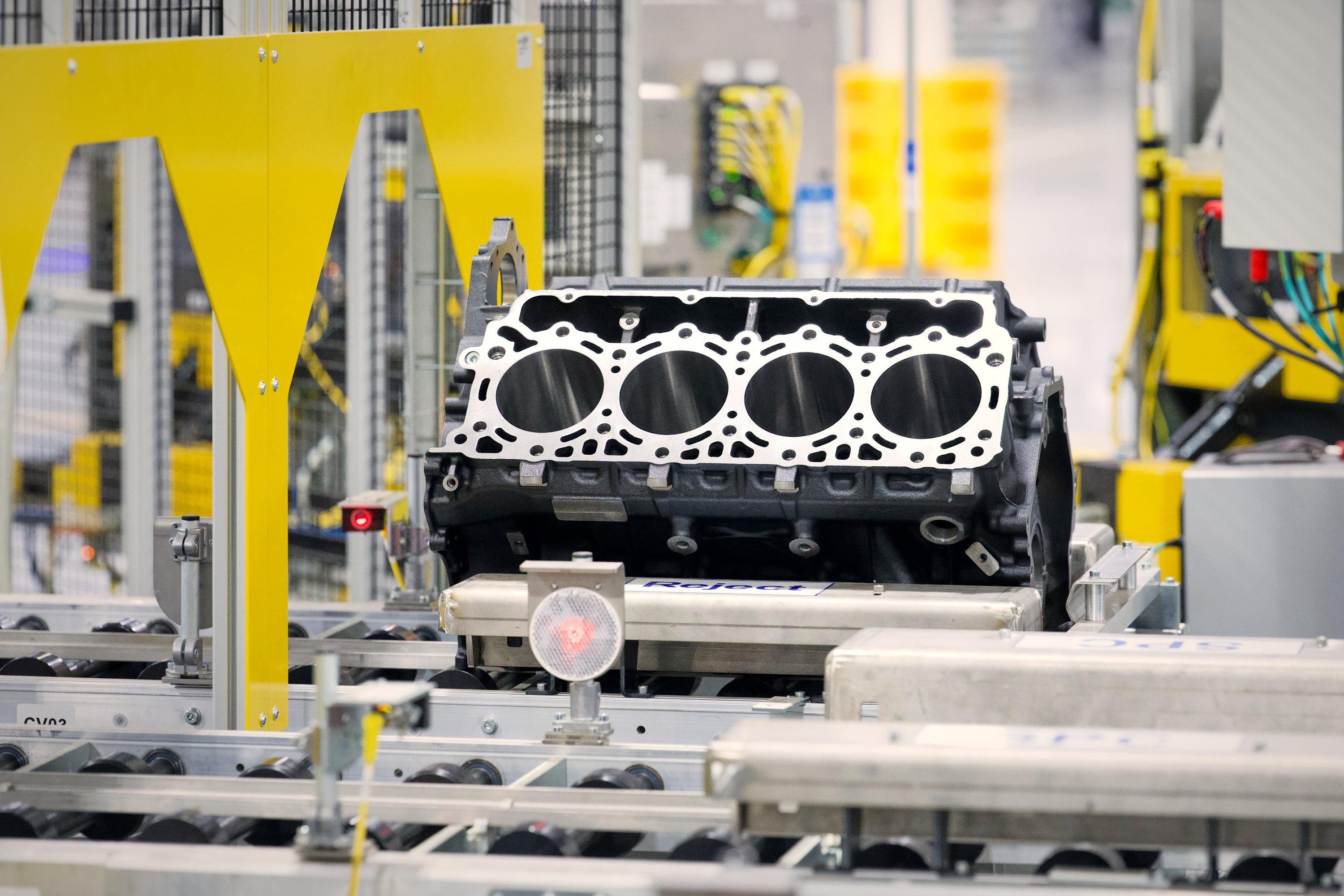
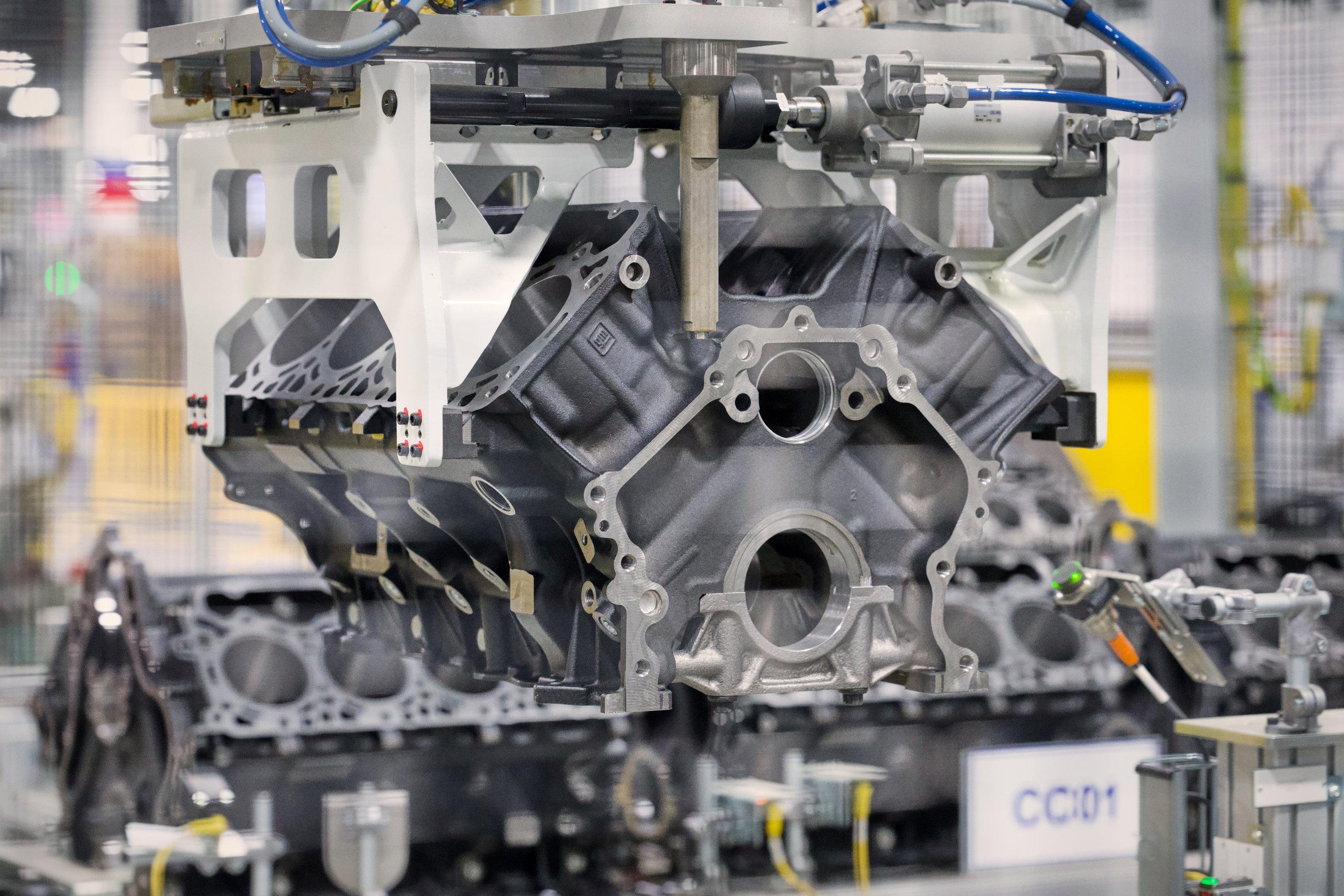
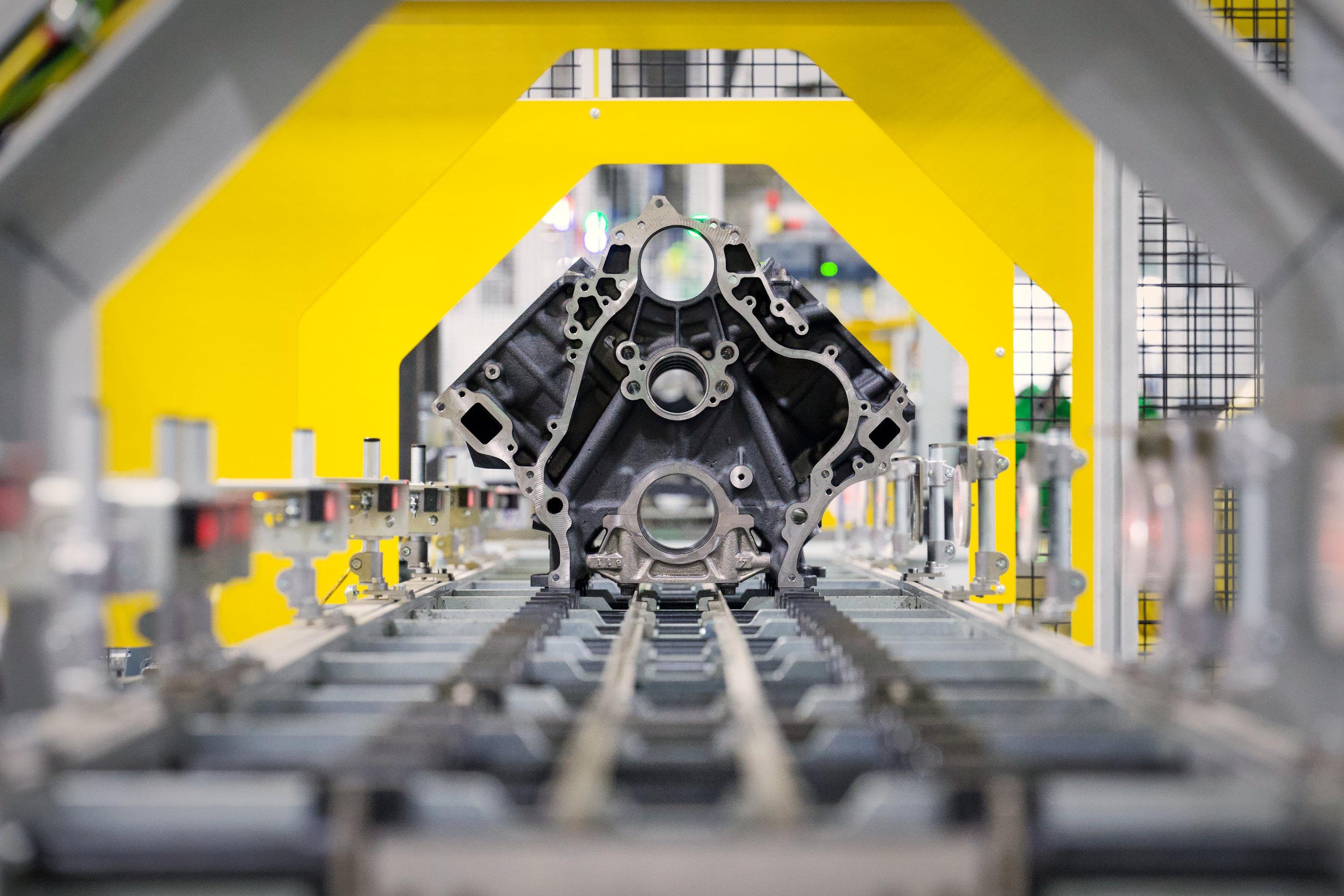
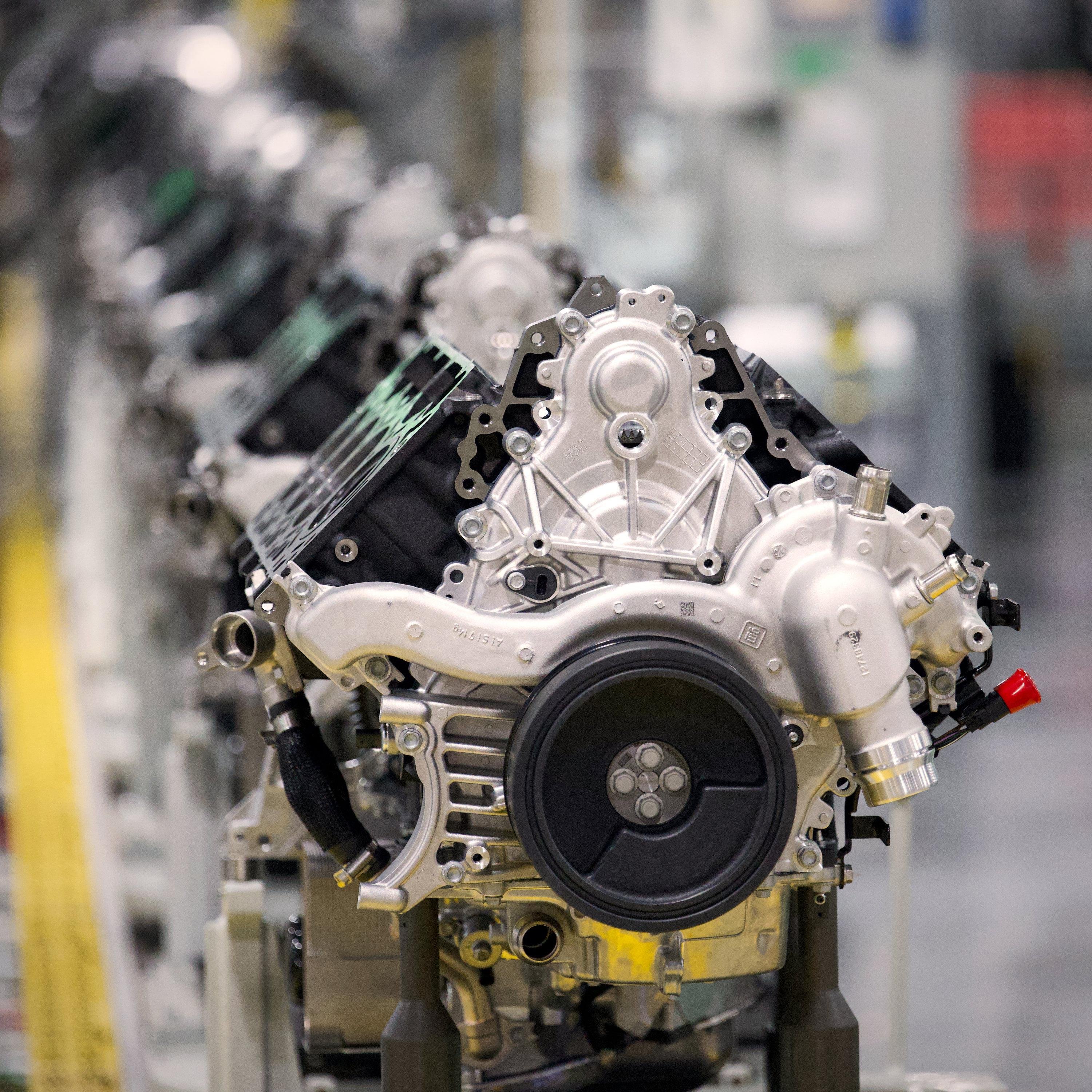
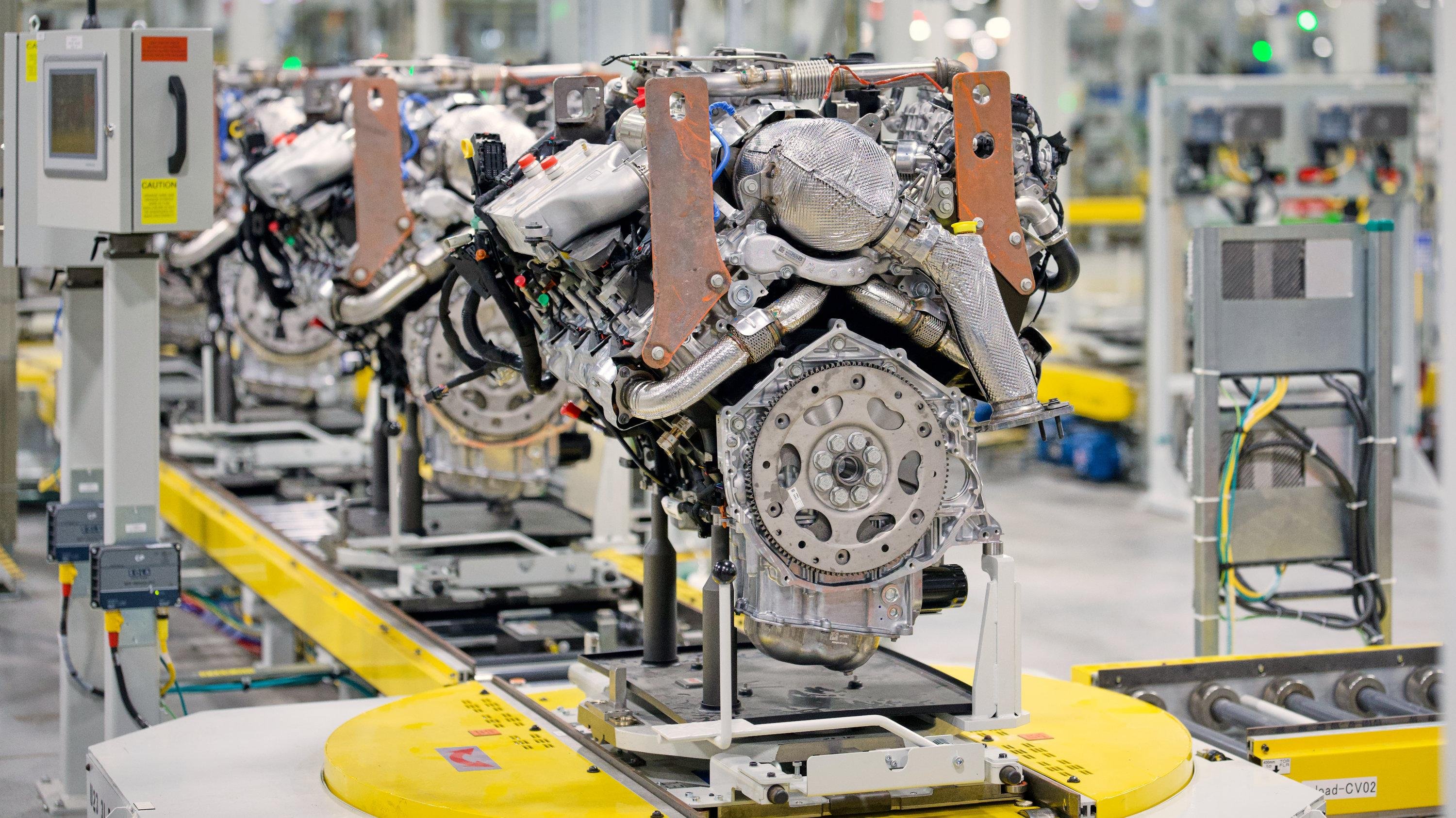
I won’t pretend to be some expert in metallurgy, and I’m far from an engineer. It just clicked with me when I read that the 8.3-liter would rock CGI, as I vividly remember Gale Banks making a big deal of it in our conversation a while back. GM isn’t revolutionizing the heavy-duty pickup industry with its choice of materials, but it just might start a trend of truck manufacturers bringing bigger engines to market. I guess we’ll just have to wait and see on that.
Got a tip or question for the author? Contact them directly: caleb@thedrive.com
Loading comments…
Comments couldn’t be loaded. Please refresh the page.