
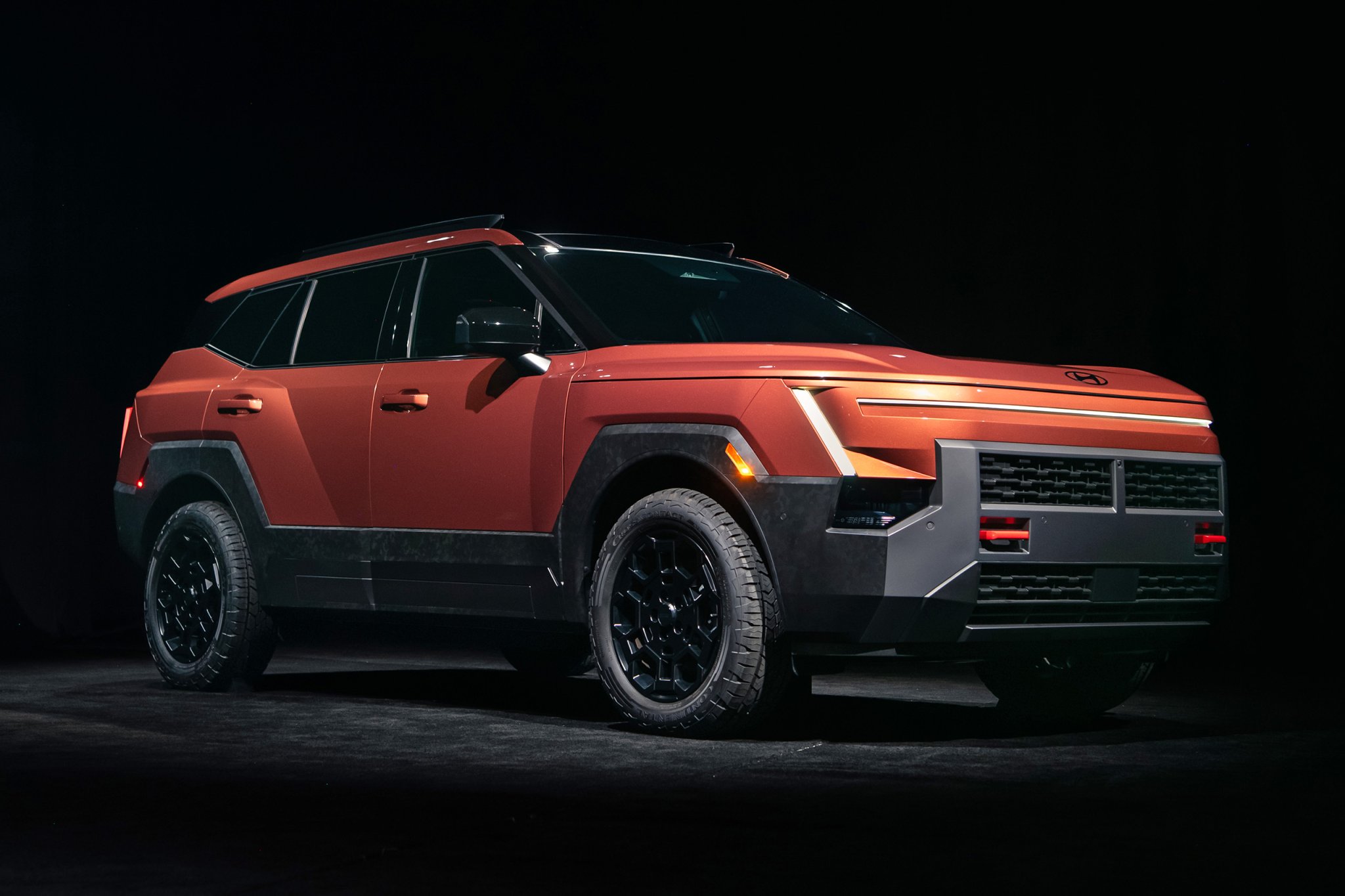
Like clockwork, every five or six years Hyundai introduces a new generation of a car we’re all used to seeing on the road that, frankly, looks like it came from another planet. I don’t know if I dig the 2027 Tucson’s design, but it doesn’t matter. Look at it—they succeeded. Again.
This marks the fifth-generation Tucson, a “compact” SUV that, like all compact SUVs, further stretches the very meaning of that word with every makeover. This one is 2.4 inches longer, with 1.2 inches of that between the wheels, and it offers two powertrains: a turbocharged 1.6-liter making 184 horsepower, and a hybrid version using that same engine, good for a combined 233 hp.
You may have noticed the distinct absence of a plug-in hybrid there, and Hyundai is indeed dropping that powertrain from the roster, citing a lack of consumer interest. The base engine is rated at 28 or 26 miles per gallon—two-wheel versus four-wheel drive—while the hybrid should see around 40 mpg.
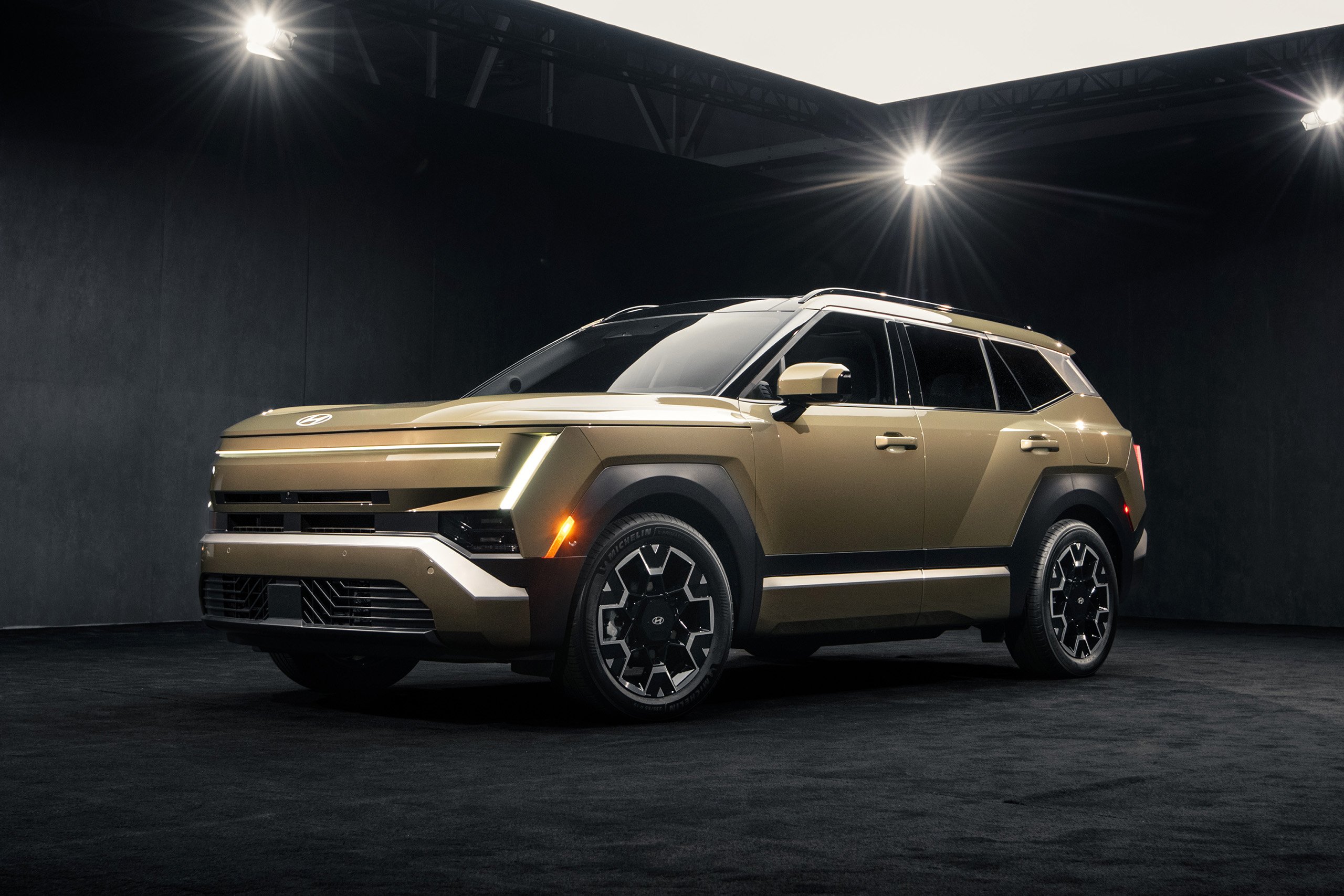
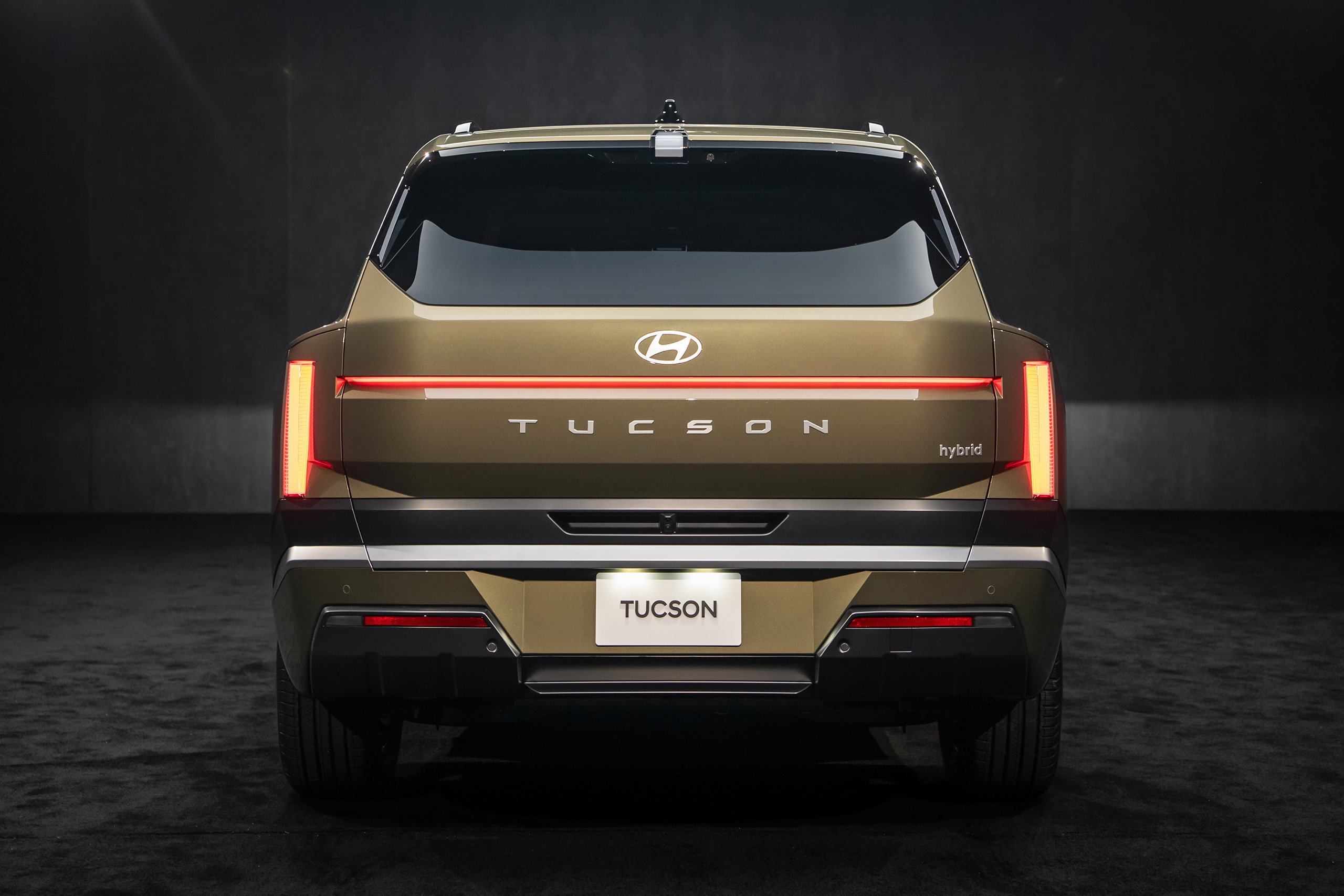
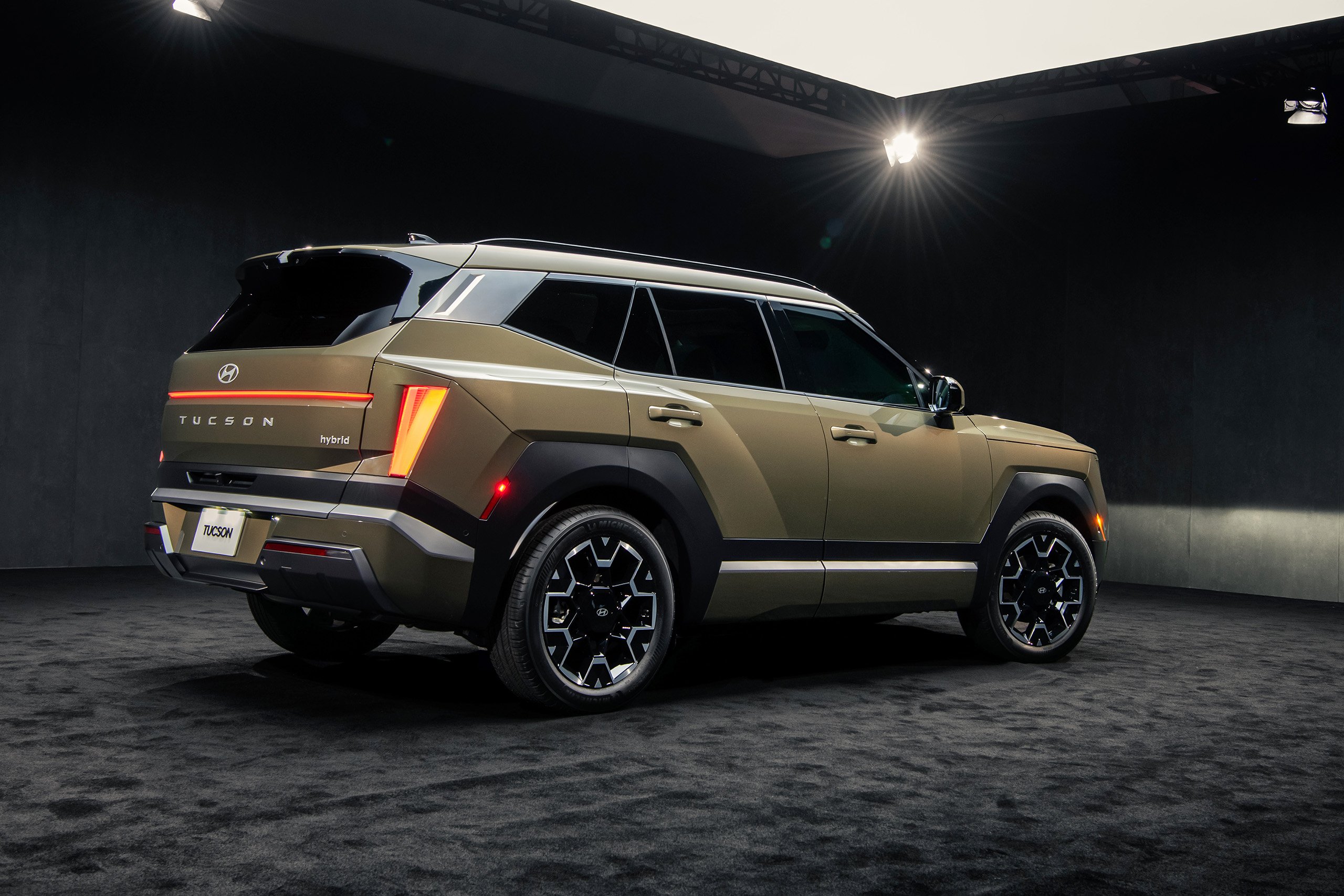
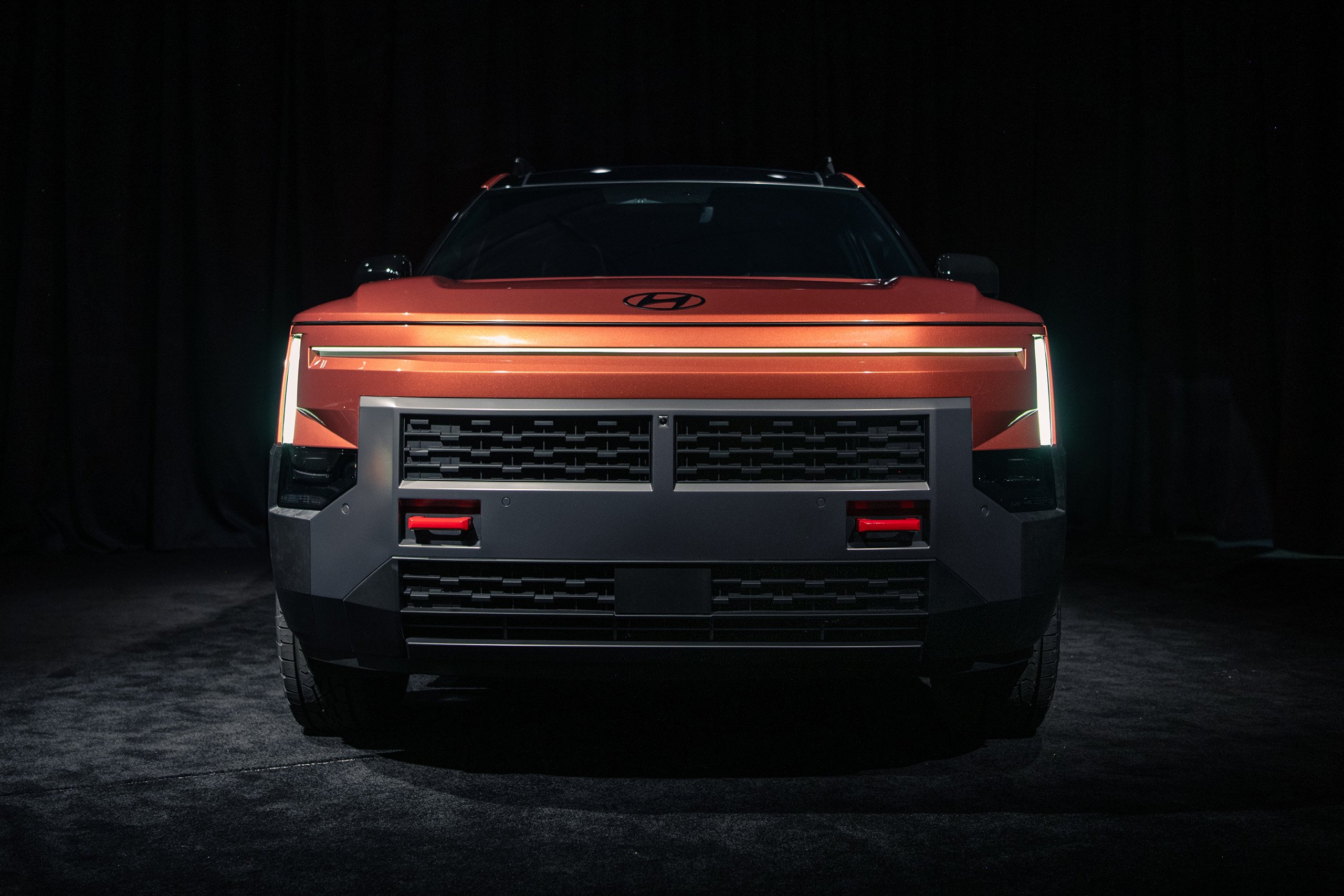
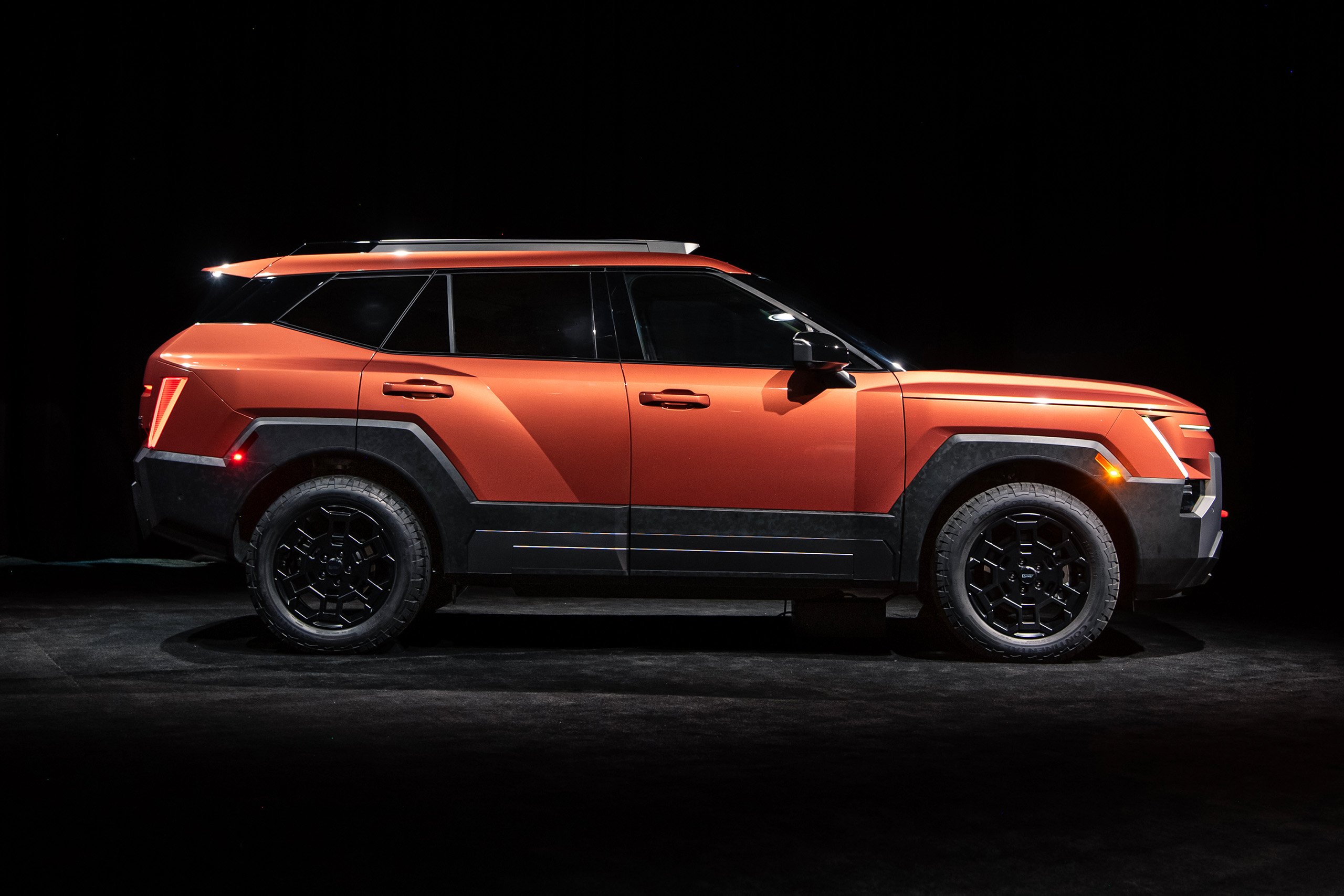
But back to the exterior, which is a culmination of everything Hyundai has going for it from a design perspective in 2026. Not quite as boxy as the Santa Fe, but also not as rakish as the outgoing Tucson, this fifth-gen model is more defined by its punched-out fenders and curious lighting treatment that unites vertical and horizontal LED runners in a big H, up front as well as out back.
At both ends, a wide LED bar sits beneath a ridge of bodywork, creating indirect light that should emit a soft glow at night, similar to the approach Tesla took with the latest Model Y redesign. The brake lights are also three-dimensional prisms that jut out from the sheet metal, like the modern-day car designer’s take on tail fins.
Is it elegant? Not really, but it gets your attention, which has kind of been Hyundai’s whole bag for going on six years now. And none of this flashiness has come at the expense of practicality, at least as far as we can tell. Hyundai says that despite its blocky look, the new Tucson has a lower drag coefficient than the old one—0.30 Cd compared to 0.33 Cd—and every door opens an additional 10 degrees, which naturally makes it easier to get people and/or things in and out.
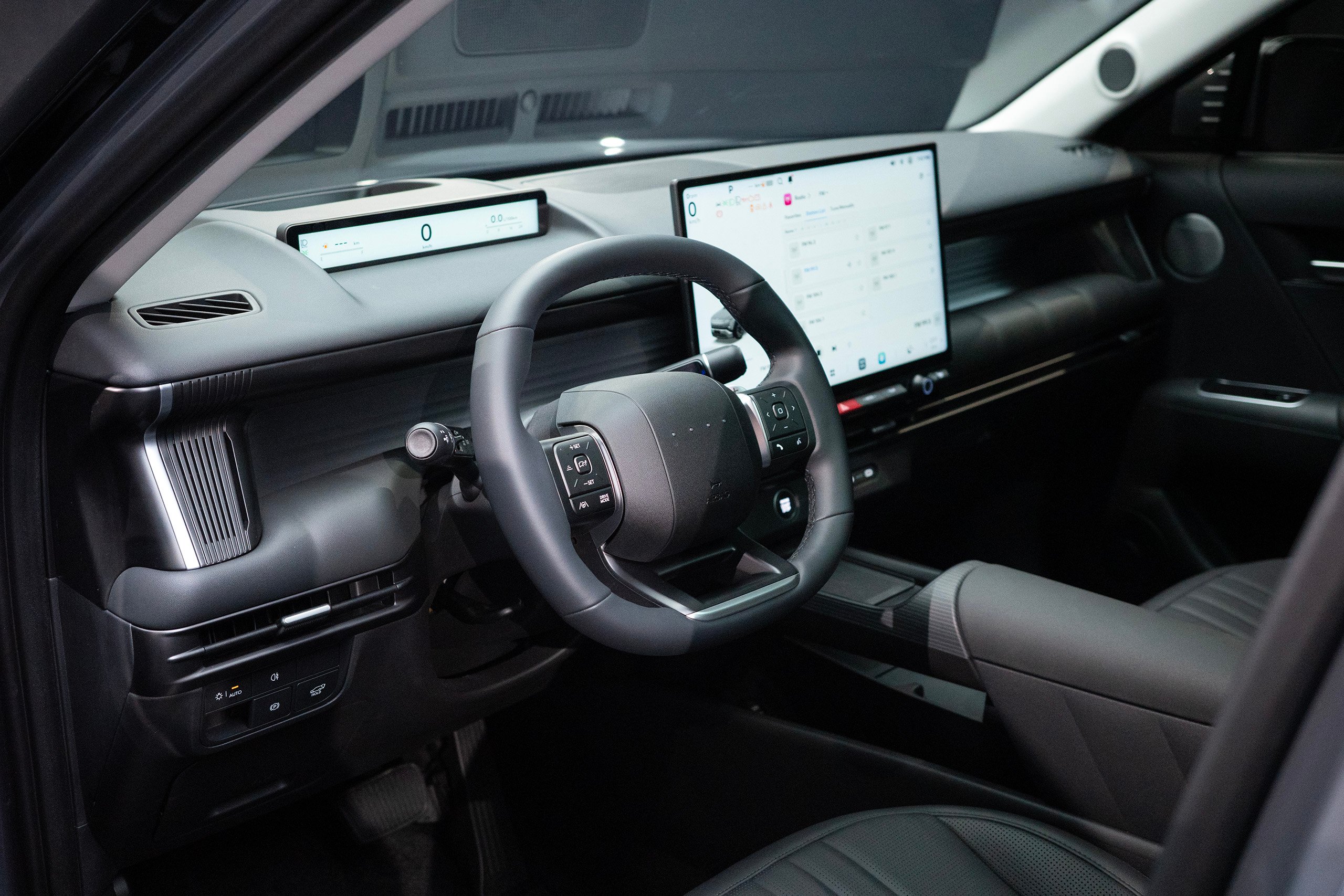
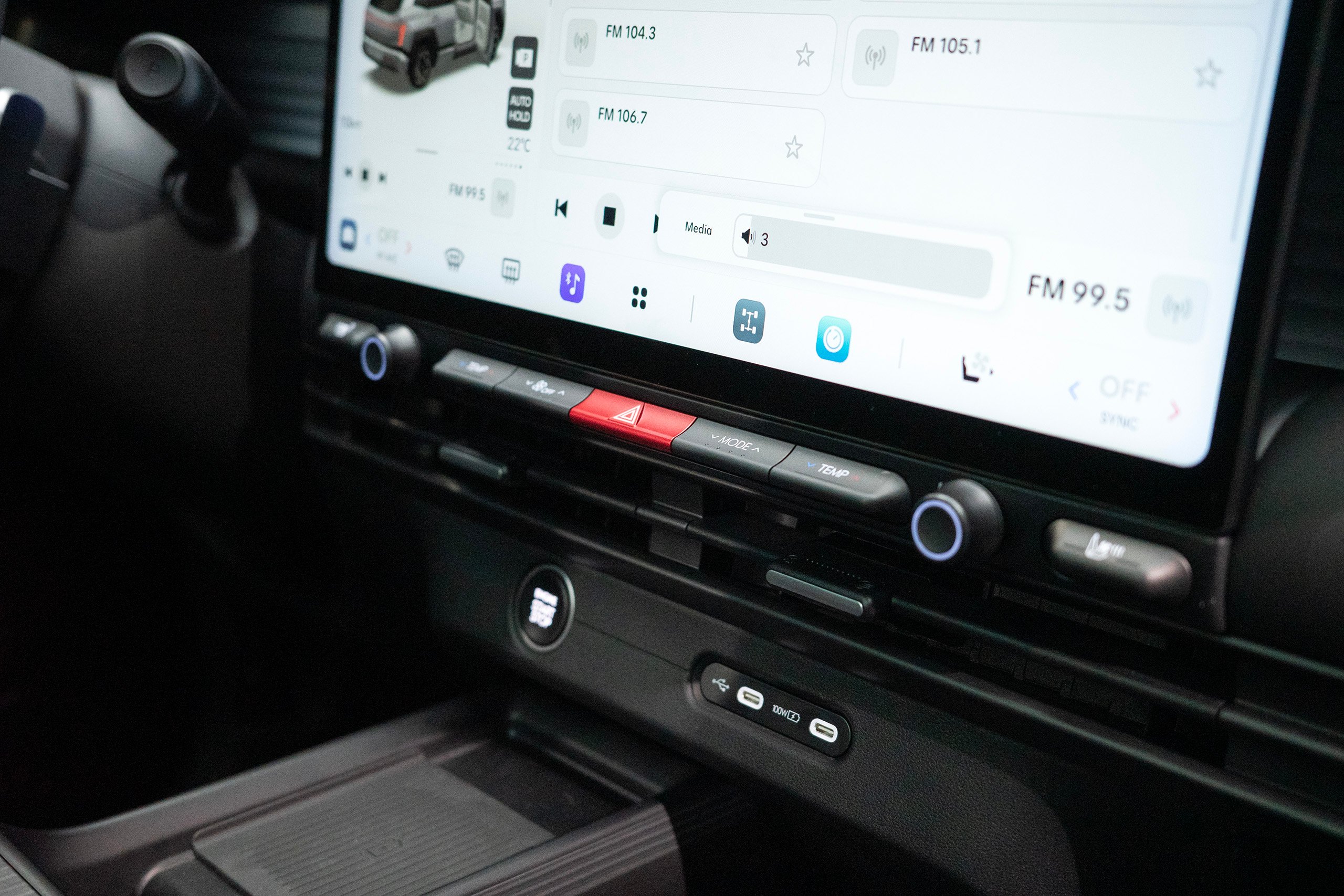
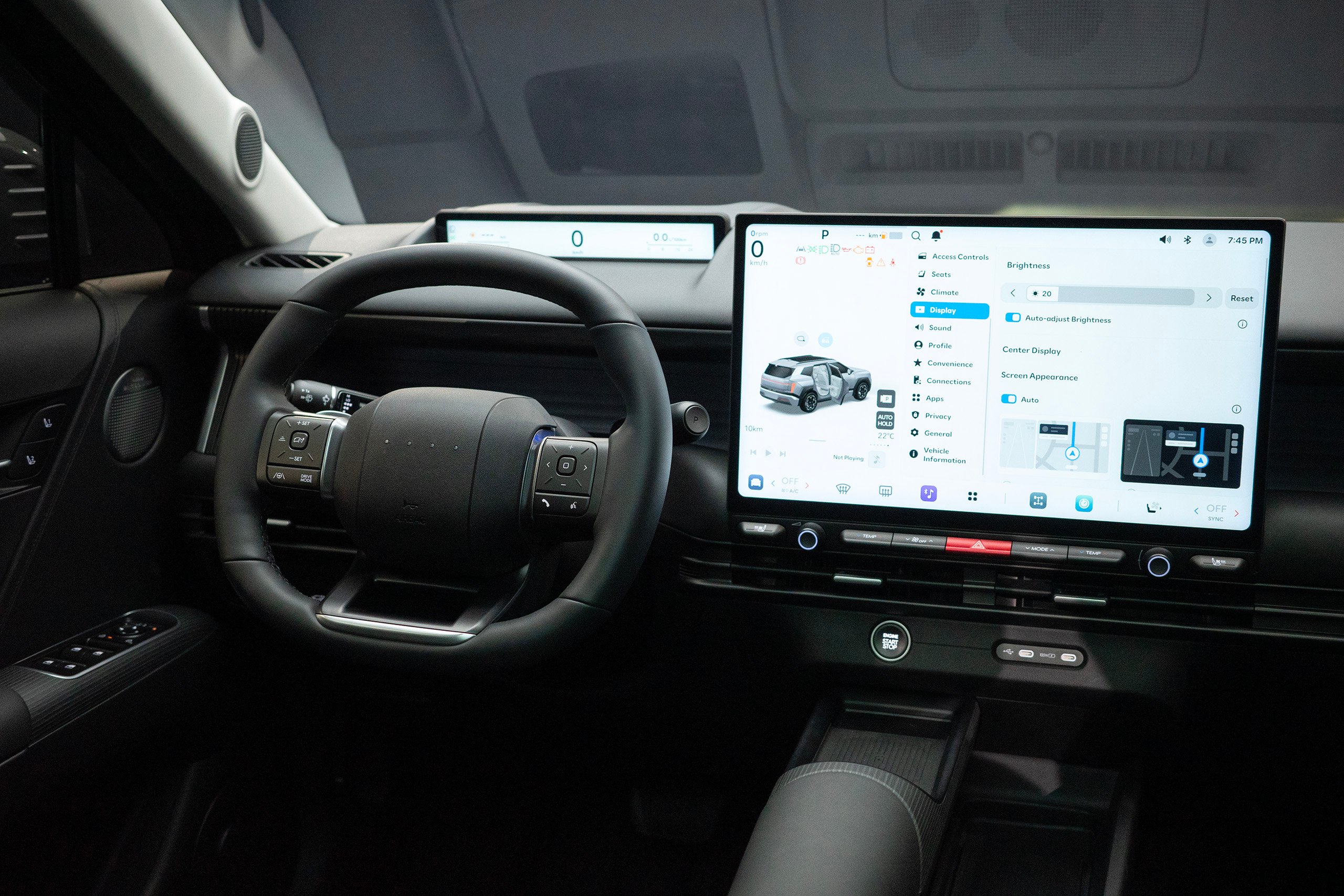
The angular exterior gives way to curved surfaces in the cabin, plus one seriously large touchscreen. Measuring 12.9 inches diagonally in lower trims and a whopping 17 inches in better-equipped models, it’s a significant departure from the wraparound wide panels that Hyundai used to use, which united the instrument cluster with the center stack. Those digital gauges, by the way, have been repurposed into a slim readout mounted high and far to the right on the dash.
When we talk about tablets in interiors, we’re talking about cars like the Tucson. Hyundai has maximized this real estate with a new interface called Pleos Connect that can show two apps side-by-side, plus a left-most pane reserved for vehicle alerts and critical info. Of course, there’s also a natural-language AI assistant on call, too, named Gleo. But I sense that this all might be a little overwhelming.
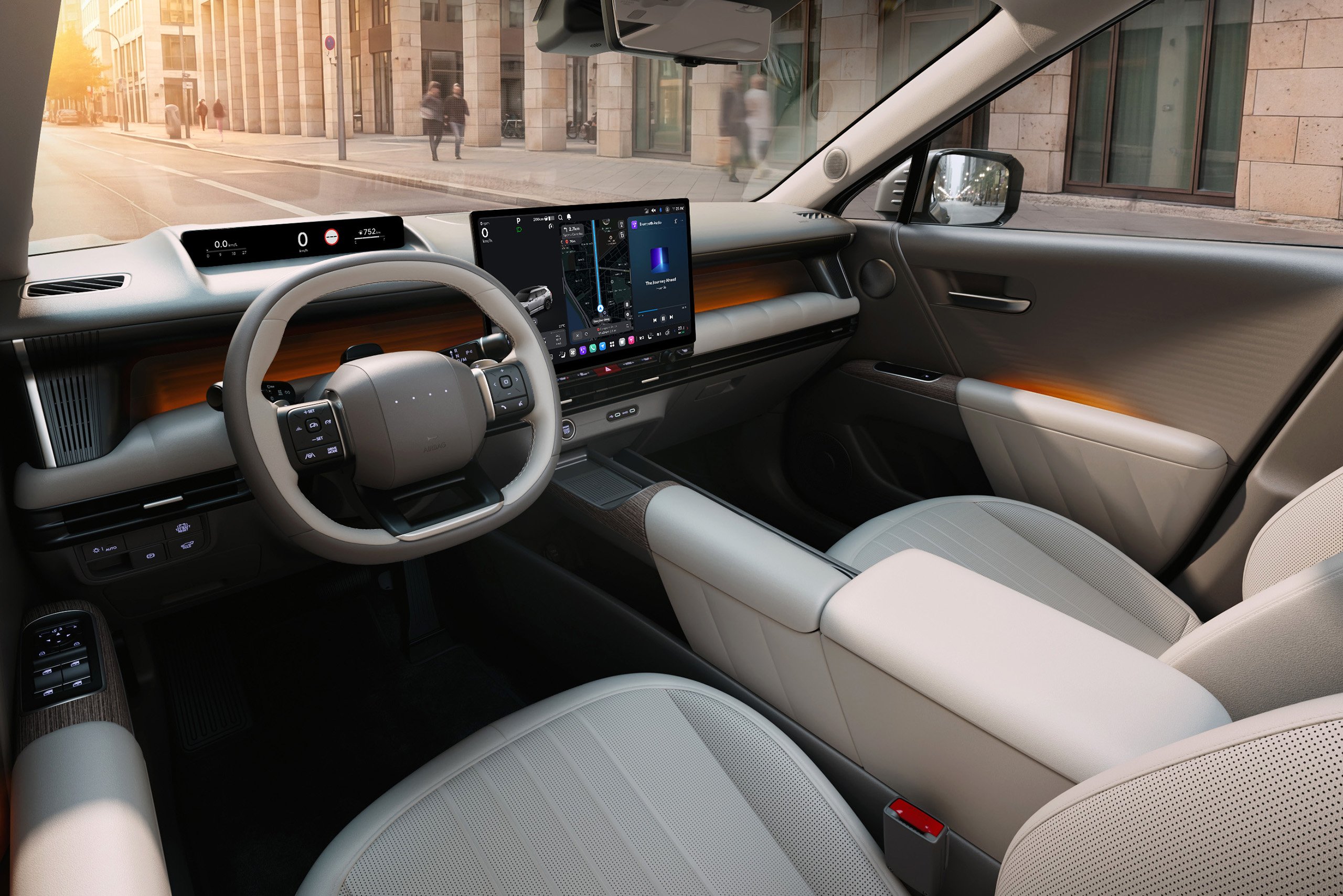
Fortunately, there are still plenty of buttons, like volume and tuner knobs, temperature rockers, seat heating toggles, and steering-wheel controls that are honest-to-god physical keys, not touch-sensitive, capacitive ones. So it’s not quite as intimidating as it may look. And the vibes are genuinely pleasant in here, with a mix of soft-touch and natural materials, plus soft lighting that plays nicely against all the curves. Plus, one USB-C port is rated for 100-watt power delivery, which is pretty remarkable for a non-EV. You could fast-charge a laptop in this thing.
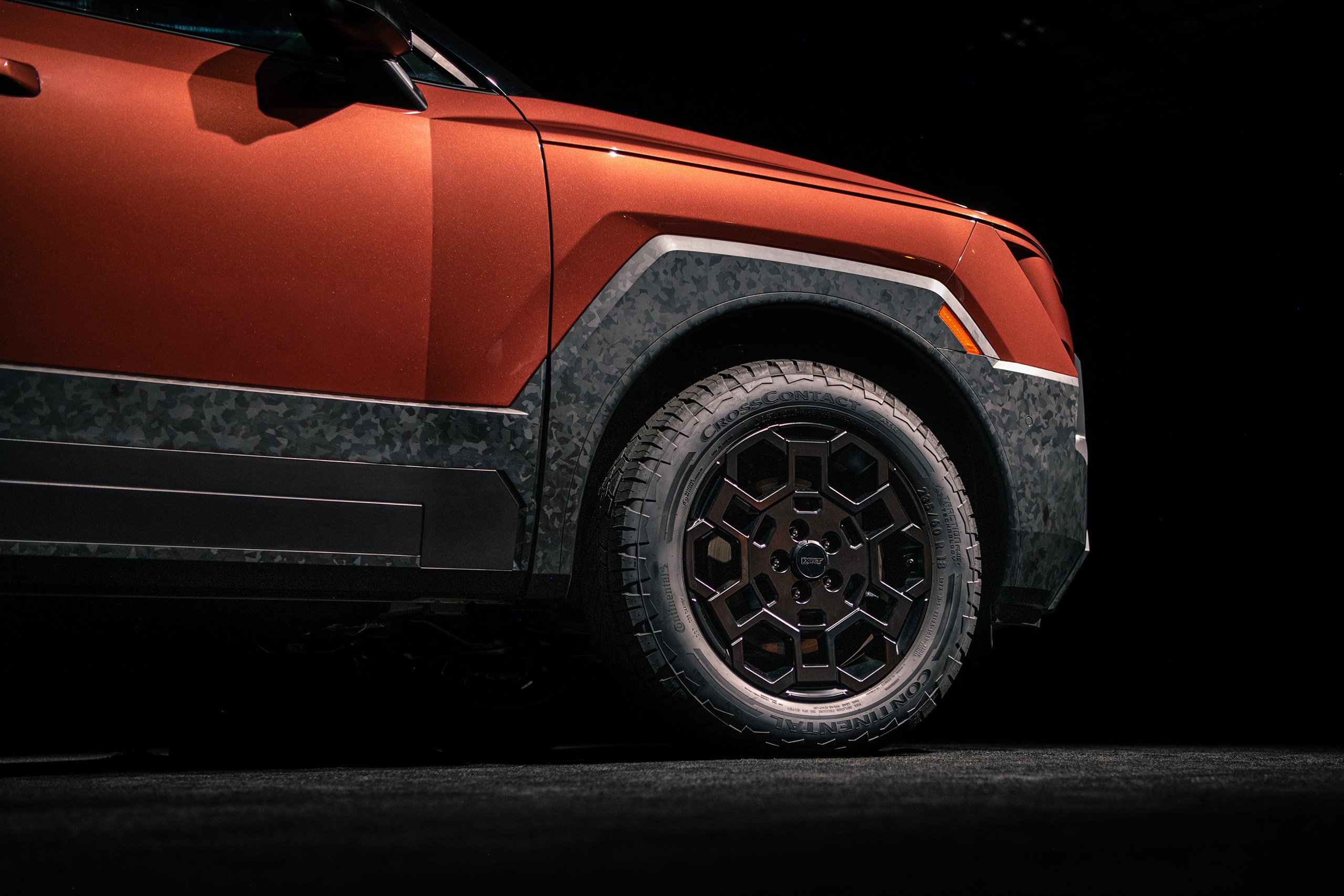
And last but certainly not least, there’s the Tucson XRT Pro—the off-road-minded Tucson that, in the States, exclusively comes in hybrid form. The XRT Pro brings meaner bumpers with a fake forged-carbon pattern, because of course it does, but it also adds all-terrain tires, another 1.2 inches of ground clearance (8.3 inches total), and functional front recovery hooks. I’d also add it cleans up pretty nicely in that Red Rock Orange Metallic hue it’s being marketed in.
Hyundai said it sold just under 235,000 Tucsons in the U.S. last year. Clearly, its recipe for a compact crossover is a winning one, and conventional wisdom suggests that you shouldn’t fix what isn’t broken. But then, the company didn’t get here by making all its products look like nesting dolls. I don’t know much about the next next Tucson, but I’d bet decent money that it won’t look anything like this.
Got a new tip? Reach out to tips@thedrive.com
Loading comments…
Comments couldn’t be loaded. Please refresh the page.