
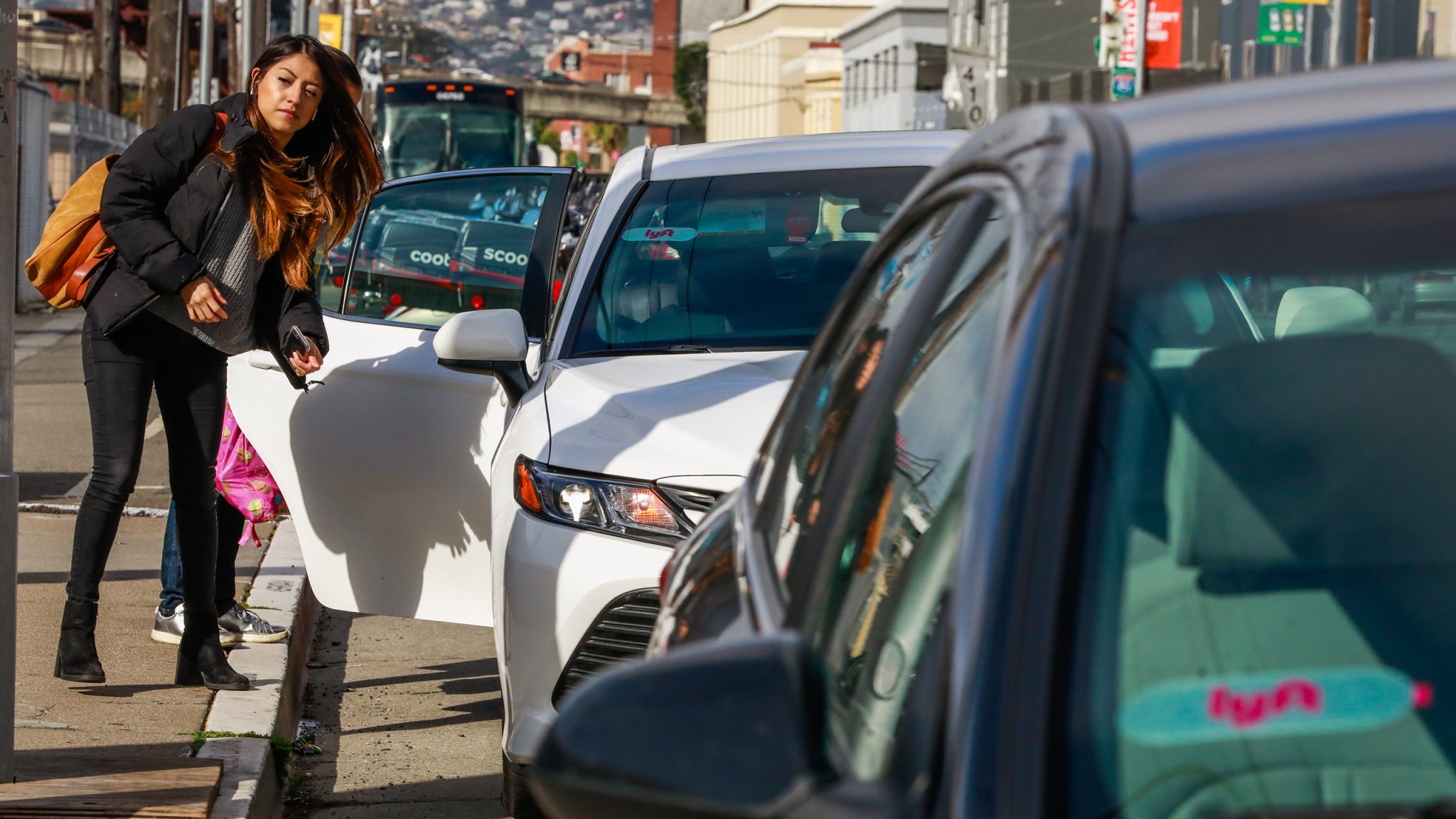
It’s no secret that two people can book the same Uber or Lyft ride standing side by side and see two completely different prices. What’s relatively less known is what percentage of those fares goes to whom. And while there’s been some back and forth about whether Uber really does claim half of the value of a fare now (one prominent analyst says that they do, while Uber has vehemently denied this), you may be more surprised to learn how much of the bill can be chalked up to insurance. More than 20%, it turns out.
A new study from gig economy analytics firm Gridwise (via The Curbivore) suggests that on average, 21% of a fare pays insurance alone. That’s true across Uber and Lyft, per the experts, and in this case we’re talking only about rideshare; deliveries naturally carry lower insurance costs because there aren’t any passengers in the car.
For what it’s worth, the per-ride insurance expense at both Uber and Lyft did decline recently, by more than 5% nationwide for both companies between Q1 2025 and 2026, and by far more in one specific region. The West—historically the priciest spot in the country for rideshare insurance coverage—saw a 20.6% drop in those costs year-over-year thanks to California State Bill 371, which lowered required uninsured and underinsured motorist coverage.
Elsewhere, unfortunately, things went in the wrong direction, with costs rising by 15.8% in the Southwest and 7% on the East Coast, to name two standouts. The study also called out how increases will hit at-risk neighborhoods the hardest, like Chicago’s 20 lowest-income ZIP codes, where coverage expenses were a whopping 37.6% higher than elsewhere in the metro area.
Gridwise pointed out how California lawmakers, in particular, seemed to hope that their state’s reduction in required insurance would save everybody a little money. The problem, as the world keeps reminding us again and again, is that that’s not really how capitalism works, and if you don’t actually compel corporations to pass savings along, they won’t. Consider how, despite that massive 20% drop out West, consumer pricing rose 3.4% in the same timeframe and, more alarmingly, platform fees soared 29.1%.
This all follows a year in which car insurance nationwide dropped ever so slightly on average, by roughly 6% in 2025. Whether you saw any savings largely depends on where you live; our Jersey-based readers suffered the most, as rates there increased by 20% last year.
Got a news tip? Let us know at tips@thedrive.com
Loading comments…
Comments couldn’t be loaded. Please refresh the page.