
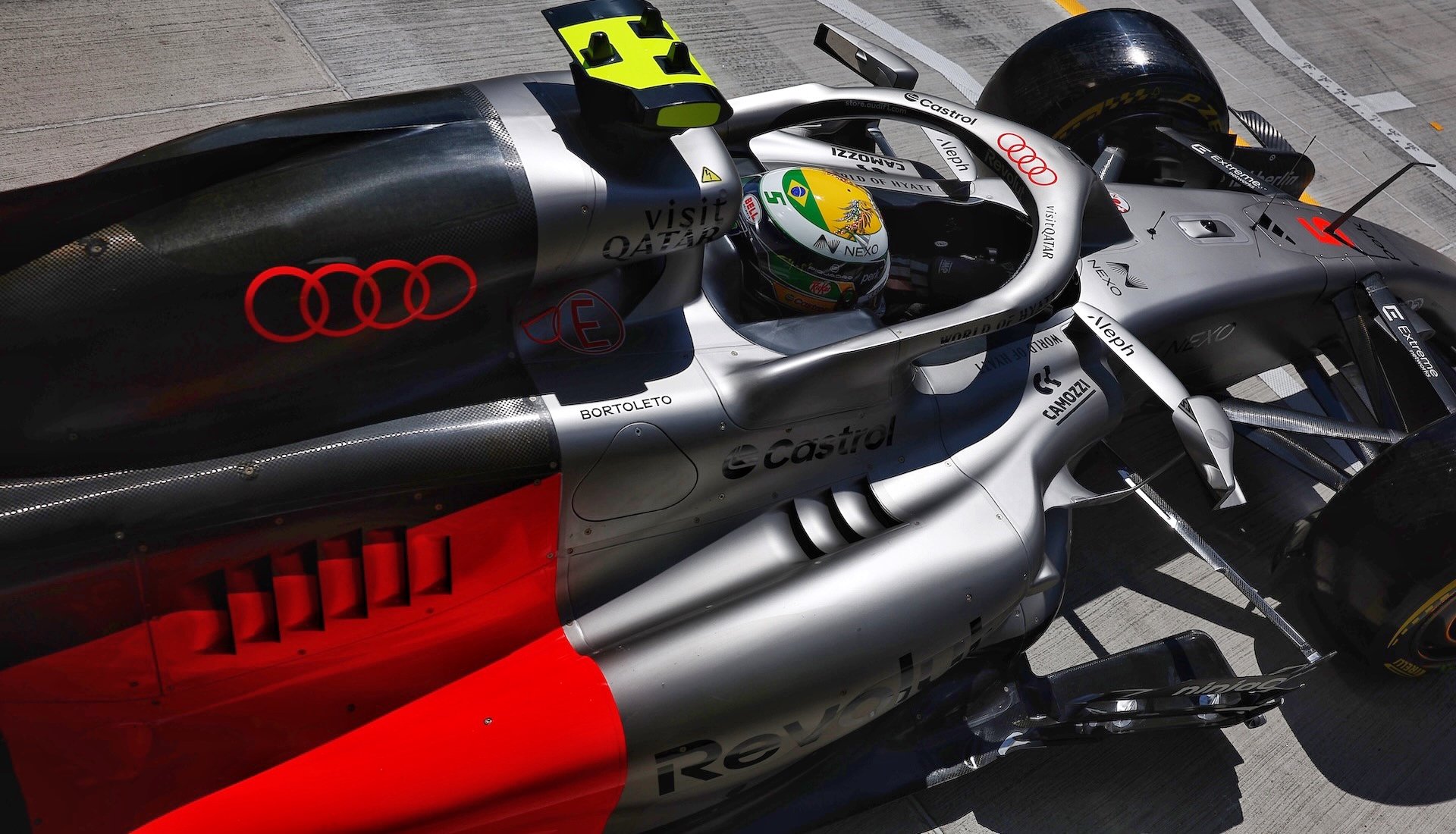
Ask the seasoned veterans and team headhunters up and down the Formula 1 paddock, and there’s only one name they’ll whisper when discussing rising talent and untapped potential: “Gabi.” As someone with decades of experience in various F1 teams put it to me, “he’s got the same level of talent as Max and Kimi, but maybe an even stronger work ethic.” Those are fighting words, but after interacting with the young Brazilian several times earlier this season, they’re the right words to describe Audi F1 driver Gabriel Bortoleto.
Bortoleto’s story is well known by now: a young man who was given the chance to race karts after other members of his family found success in motorsport. His father, Lincoln, enjoyed great popularity in the Stock Car Pro Series, a crowd-favorite championship in Brazil; Lincoln now serves as its CEO. His brother, Enzo, competed in karts all the way up to F4 and British Formula 3. To say that fuel runs through that family’s veins is an understatement.
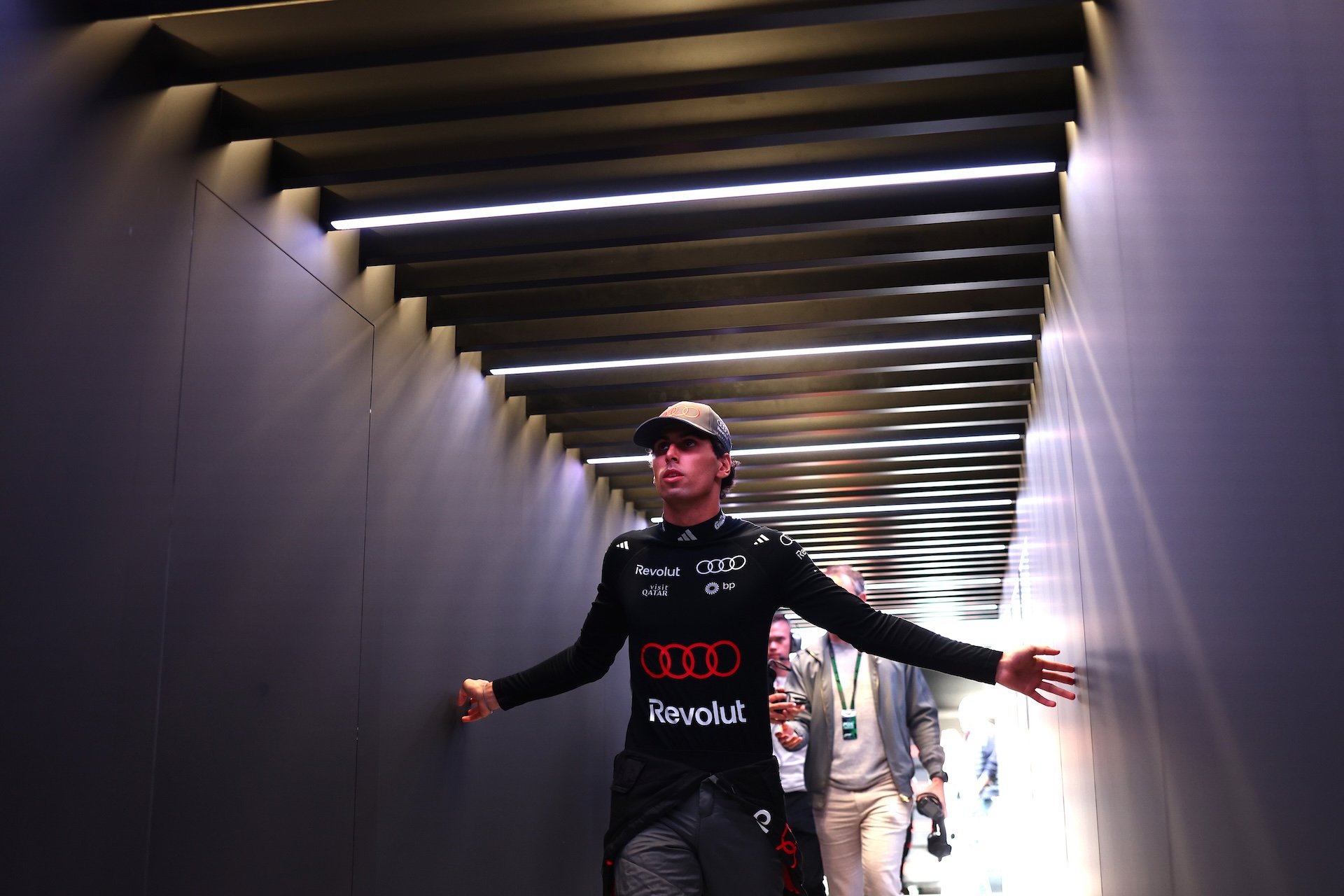
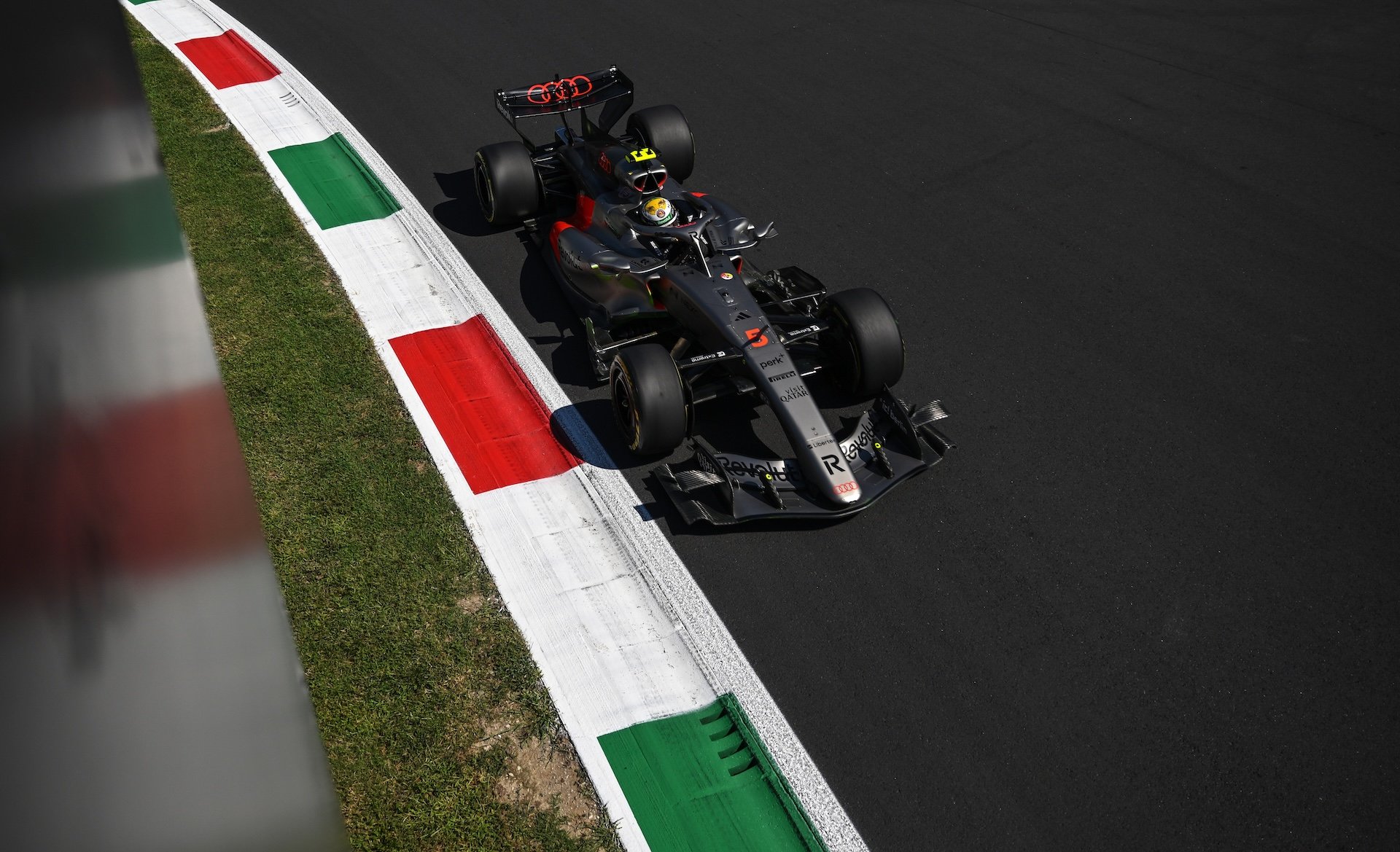
It’s also known that Enzo made an enormous sacrifice—the sacrifice—to make sure his brother could keep racing. Despite having the talent and a well-defined trajectory to reach the upper echelons of open-wheel racing, the older of the two siblings hung up his helmet so the younger could continue. It’s also worth mentioning that even with all the resources the well-off and well-positioned family could muster, the journey to the top is so intense and expensive that both parents and siblings understood there was only enough to catapult one Bortoleto to F1. All the bets were on Gabriel.
This loving dedication and unwavering support from Enzo and the entire family fuel the young Audi driver to this day and will continue to do so through his career. It’s what the family has focused on for most of his life, but most importantly, it’s what he has worked so hard for since he was a young child. But let’s face it, at 21, he is still a child—a fact I’m crudely aware of given that my own son is just a year and change younger than him.
Aware of his backstory when I sat down with Bortoleto for a chat earlier this summer, I explored various questions that dug deeper and hopefully exposed his character: how passionate, hungry, and thankful he is about where he’s come from, where he’s at, and where he is going in his wild and turbulent career as an F1 driver. I think you’ll agree that he played ball. Obrigado, Gabi.
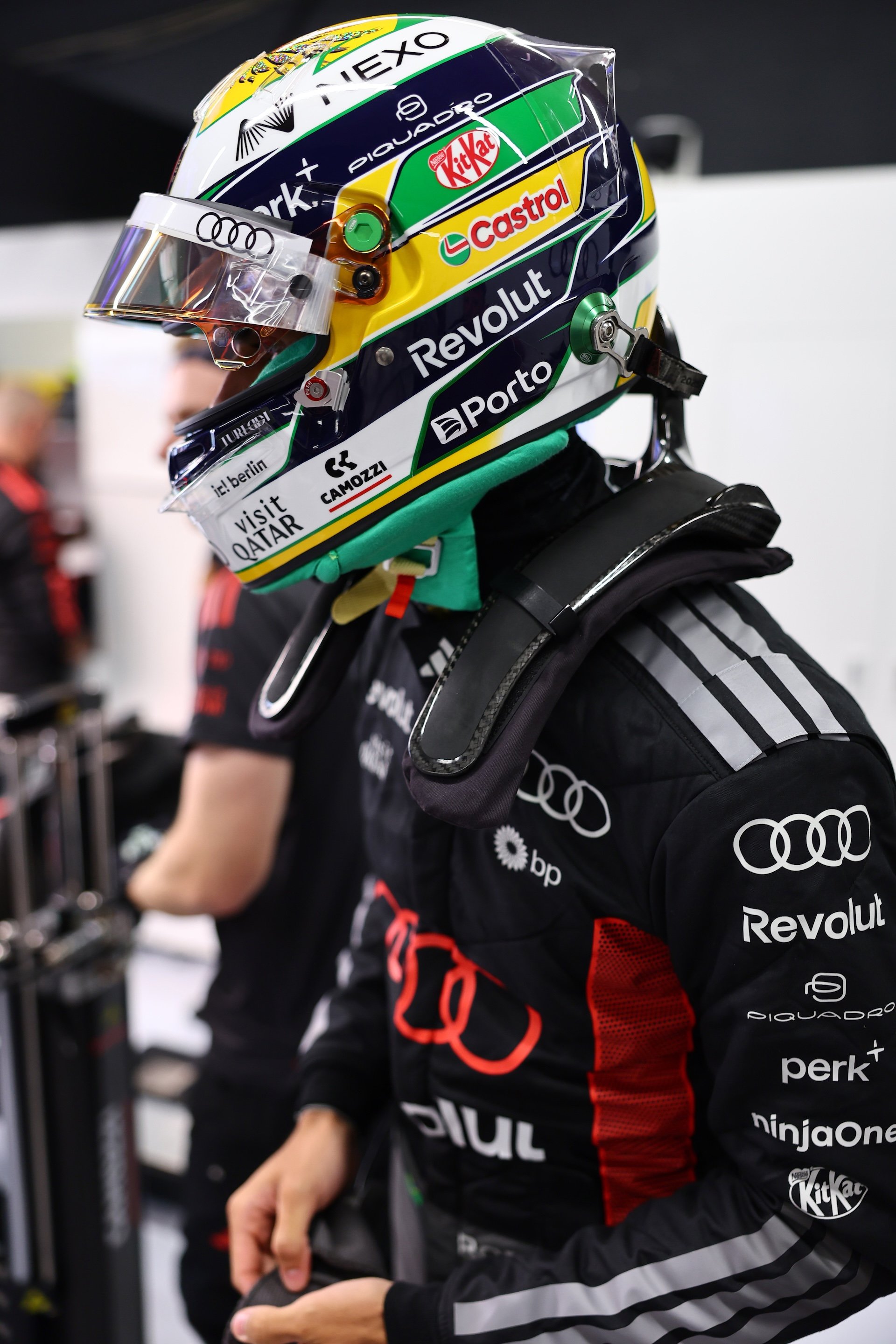
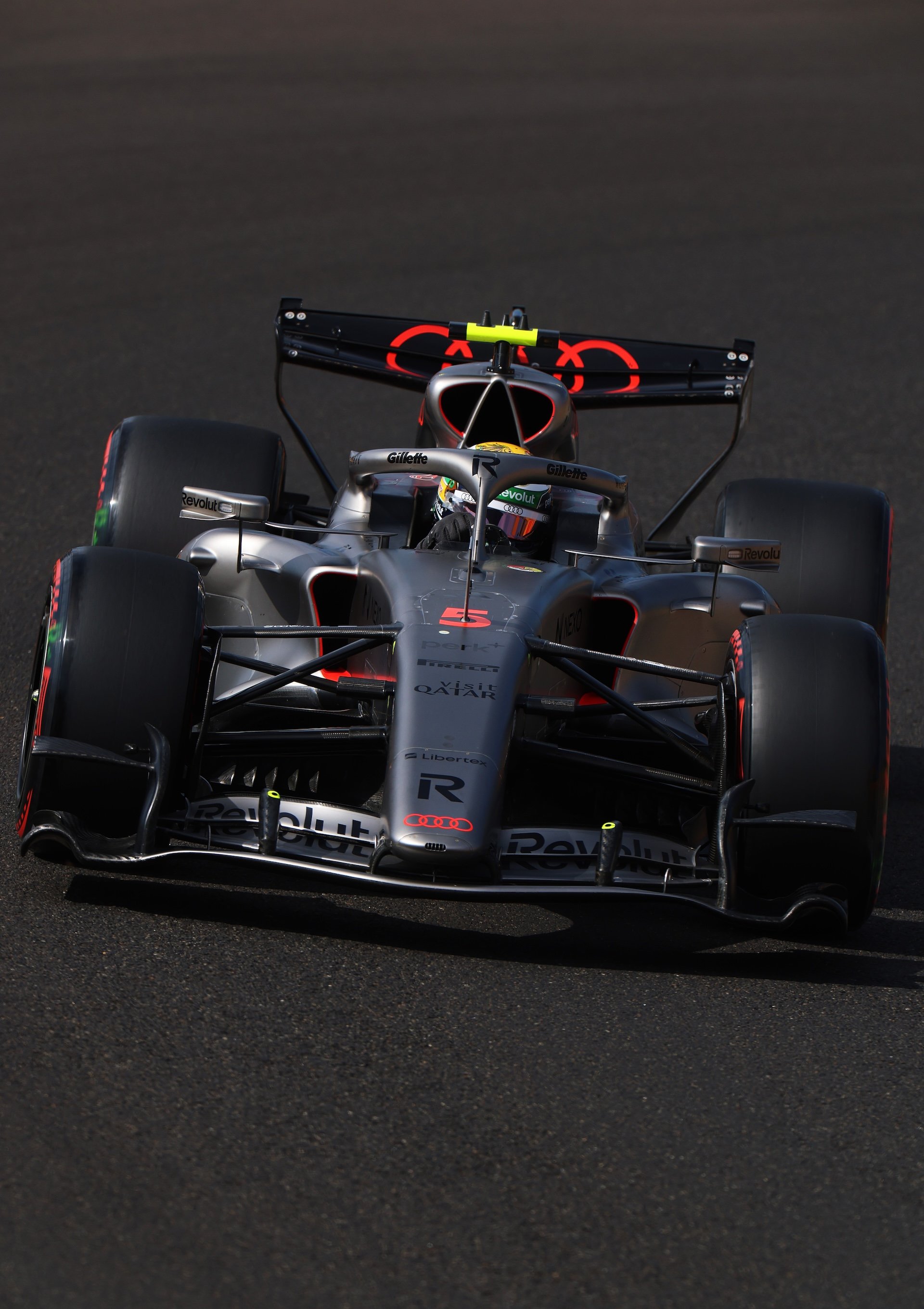
Jerry Perez: When you first jumped in a kart at around six years old, who did you pretend to be when behind the wheel?
Gabriel Bortoleto: No, not really, no one. I just wanted to be myself. I was so young, you know; you don’t pretend to be anyone when you’re that age. You just want to have fun and enjoy driving. Ayrton [Senna] was my idol, and it was always very clear that I wanted to be like him, but I didn’t pretend to be him.
What I meant is that many times when you play fútbol or basketball or whatever sport you’re into as a kid, you role-play and pretend to be one of the big stars of the moment.
That’s actually a good point because in fútbol, I used to do that. When I kicked the ball around, I wanted to be Neymar, or Messi, or Ronaldinho, but not in karting. In karting I always wanted just to be myself—I wanted to drive.
During your early karting years, who did you look up to at that point in F1?
Felipe Massa; he was a great Brazilian driver. However, I was always a big, big fan of Ayrton. I really liked the way Ayrton drove; I liked that he had crazy and bright helmets, and when you are a kid, when you are six years old, that’s so nice. He was very cool.
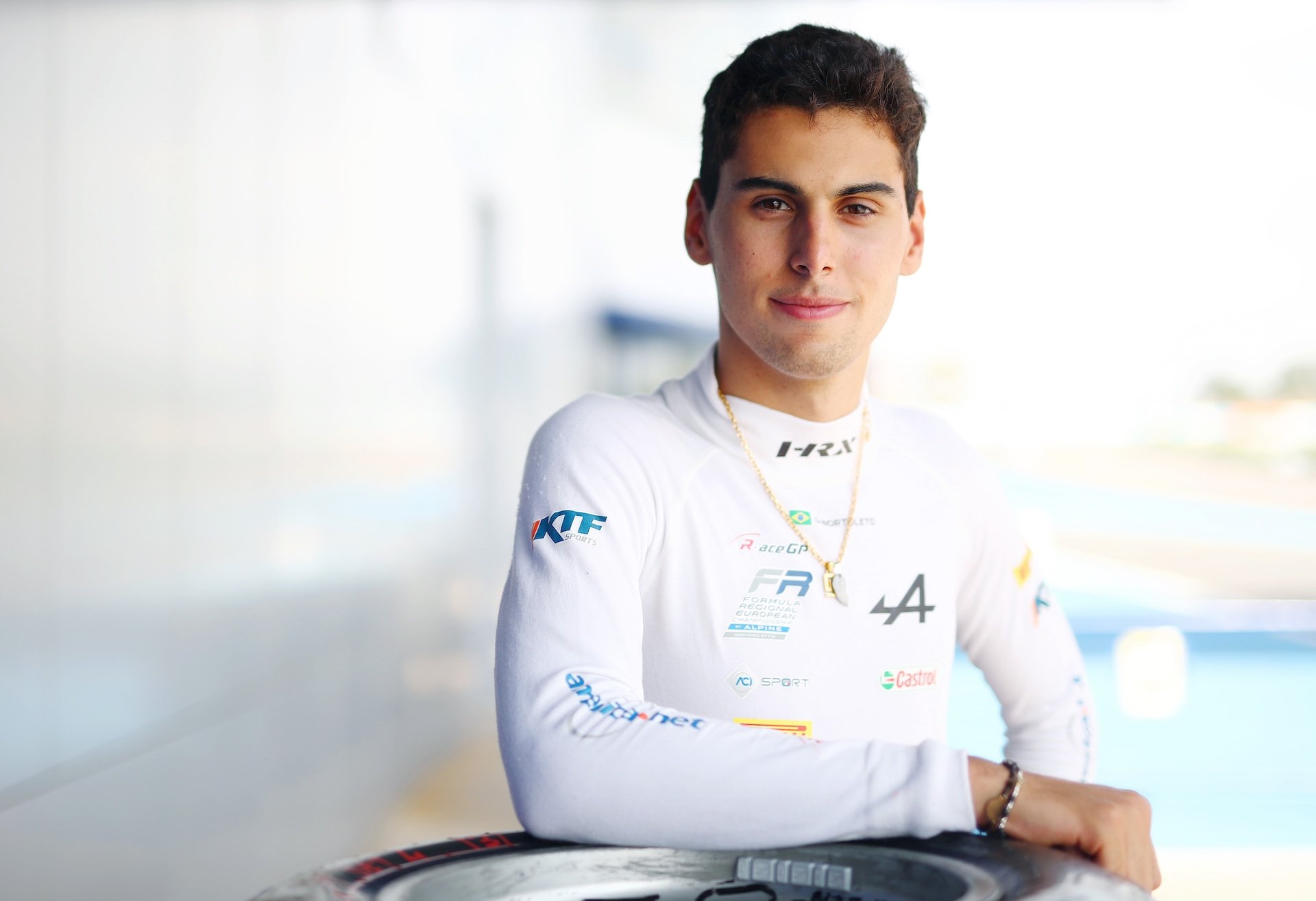
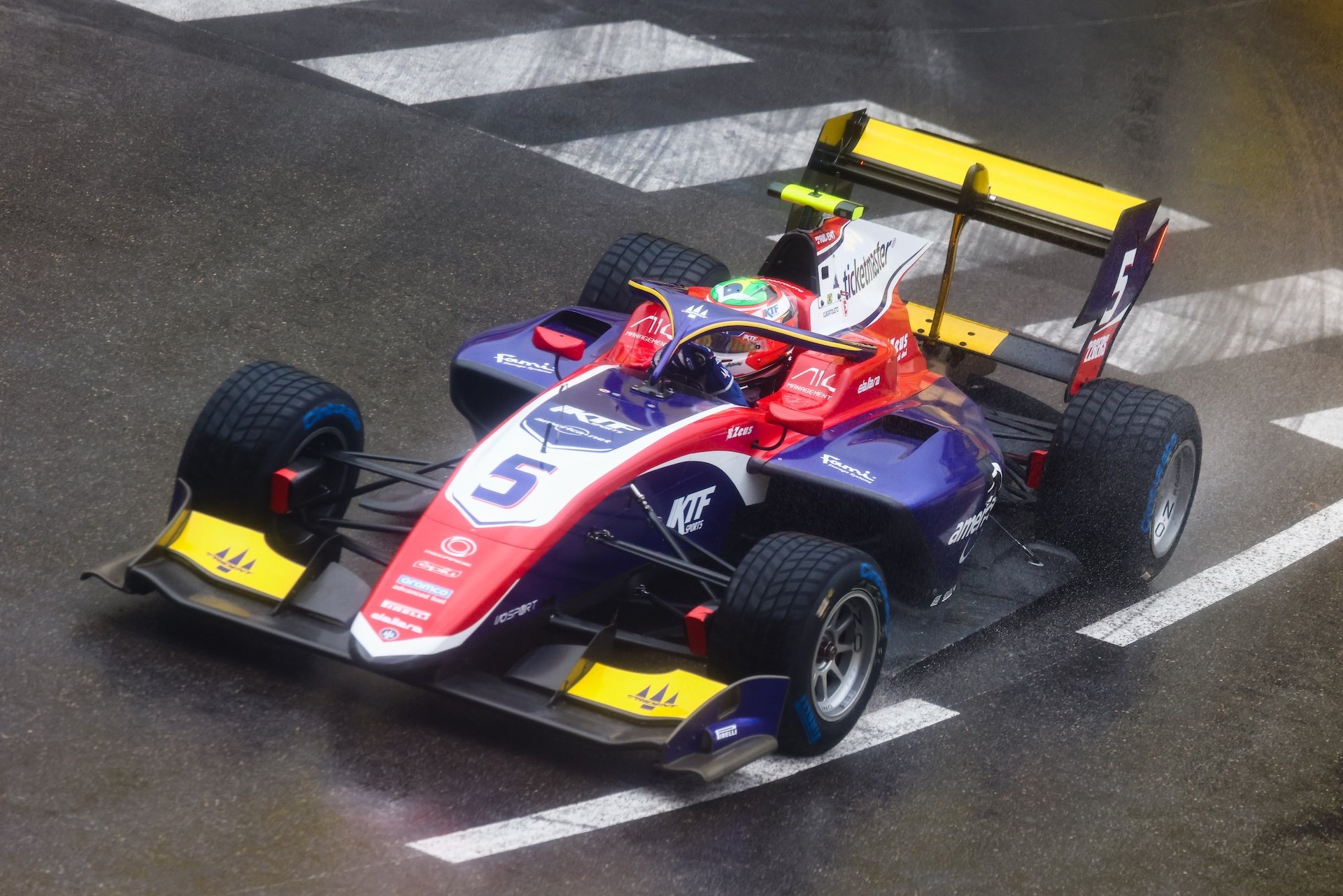
Did you switch favorite F1 drivers as you grew up?
The truth is, as soon as Max [Verstappen] entered F1, I was a fan of him. I think I really liked the way he was driving, the way he was young and delivering such a strong performance from the beginning.
How was that transition from karting to F4—what was the most difficult part of jumping from a kart to a formula car?
[I had] to adapt to a completely different way of driving. Karting is a great school, but most of the time you don’t have gear shifts in karting and stuff like this, and then you go to F4, and it’s a completely different car. It feels like less grip than in karting, actually, and it’s really quite a tough car to drive because it’s very different from before—and also from what you’re going to drive in the future. But yeah, it was not difficult; it was just a different way of adapting.
I’d like to hear about those moments between championships, between teams, those dreaded off-seasons when there’s always a risk that that next seat may not come, that next drive may never arrive. Is there a specific one that stands out?
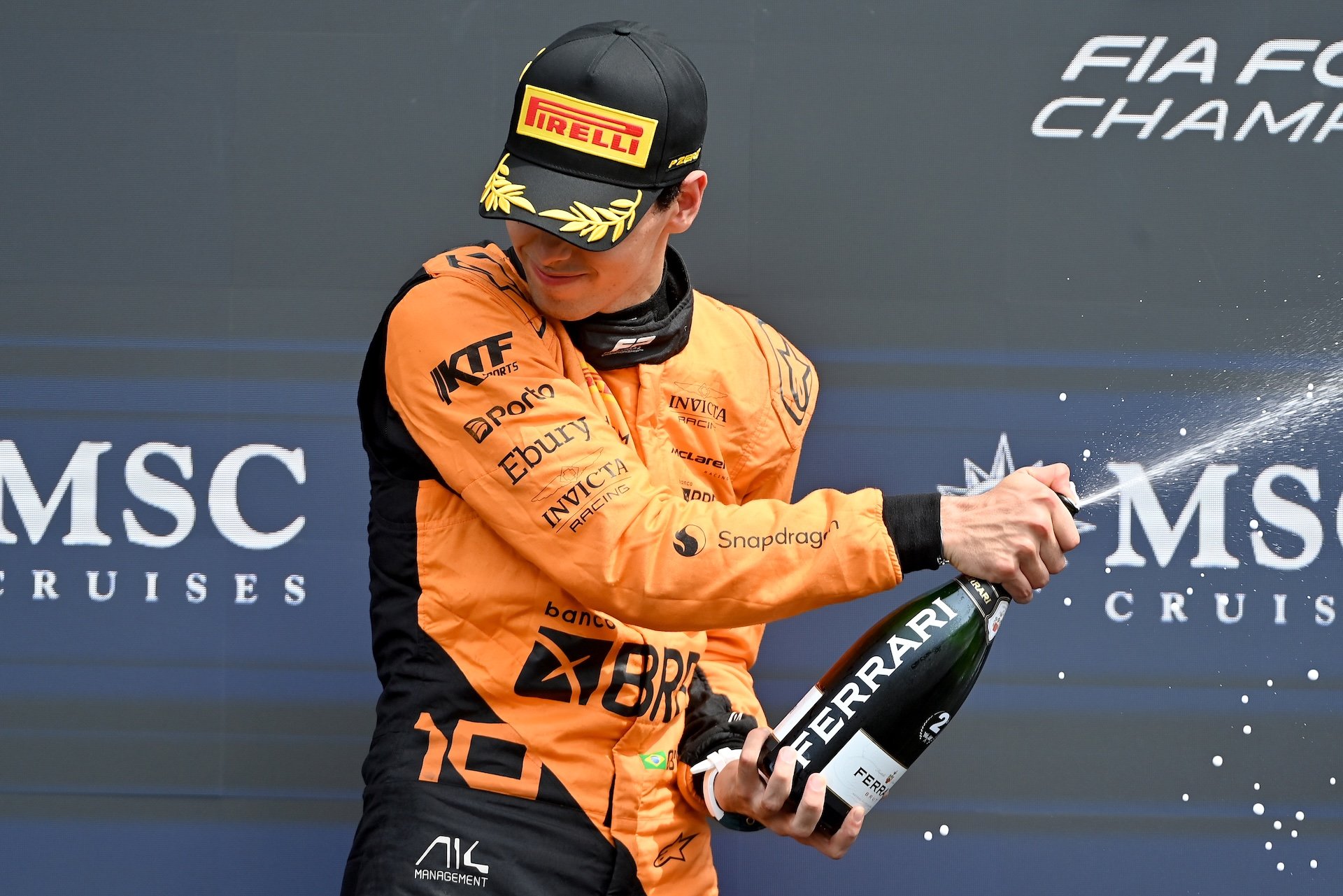
I think it was the off-season going into 2021: we chose a team that wasn’t very good, the owner had a few problems, and the team wasn’t doing well. Then we had to change teams at the last second; there were not really many options. I ended up on a good team after all, but in the sense that we were okay—not a top-3 team—though we did get a few podiums that season and a few points. It [ended up being] a great season for me.
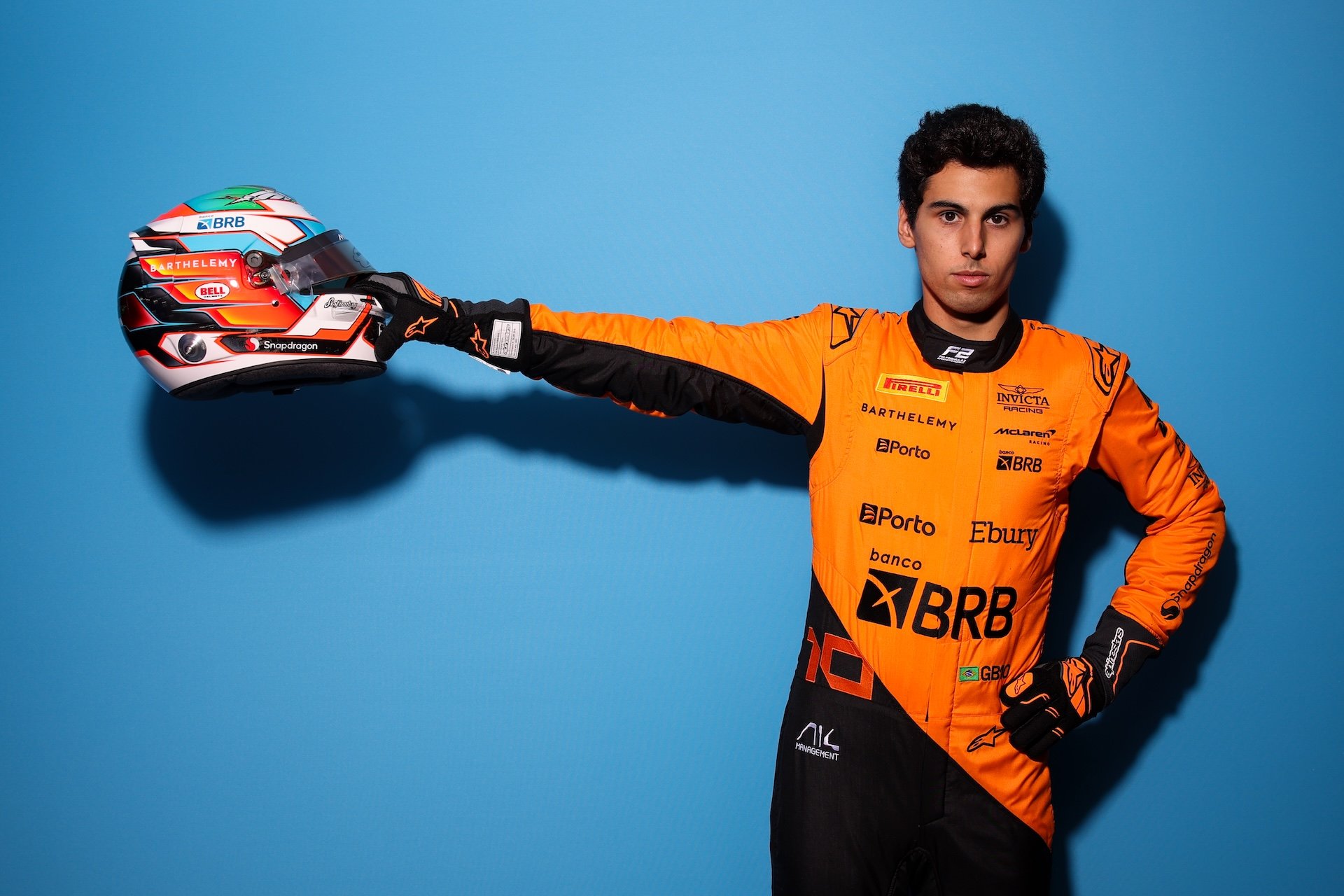
There had to be a time when you maybe thought your career had come to an end and said, “Maybe this is where I don’t reach the next step?”
I don’t think there was ever this moment. I must be honest, I’m a big believer, you know. I’m also realistic, but I was always a big believer, so for me, there was never this moment. I think the only moment that probably came close was after F3, going into F2. Everything was going alright; I was leading the championship, but I didn’t have a spot in F1 yet, so I didn’t know what was happening to my career after that. I didn’t know what series I was going to. I wanted to be in F1, and I didn’t even know if I would keep racing [in general] if I didn’t make it there. So yeah, it was just a moment when I didn’t know what was next, what the next step was, and that was interesting for me because it was the first time that happened in my life. I ended up getting the F1 seat, and happy days—we are here living a big dream.
You have gone through this journey at a very young age—I mean, you’re still very young! Do you think this prepares you early on for the harsh reality of F1?
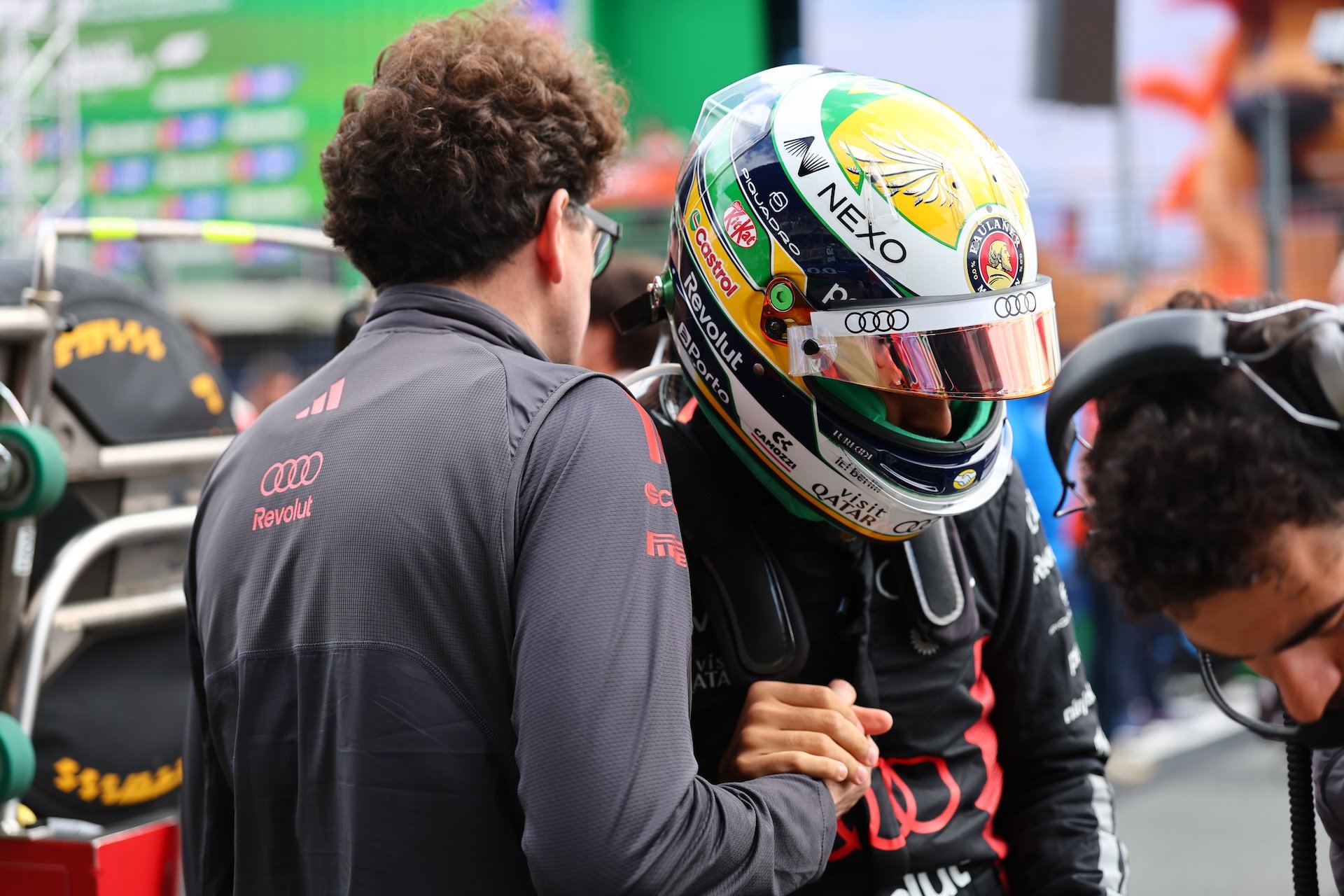
I think so because it makes you stronger, you know? There is no perfect life in the sense that you don’t go through good moments and [more] good moments. This has never existed with any driver. So I think this is important for shaping you as a person and for when you actually deal with very tough moments in F1, because they are going to happen. You need to be able to go through them with friends, [have] mental strength, and just be strong and leave them behind, you know? You need to understand what you need to do better to be a better person and a driver. And I think I learned this from a young age.
You just touched on something I had written down in my notes: your mental strength. How do you become mentally strong, especially as a teenager?
That’s a secret question (laughs). I don’t know, I really don’t know. You just live through moments, you know, you live through things, and you prepare. I think it’s who you are, the ambitions you have, how much you are willing to sacrifice in life to achieve your dreams and your goals. If you are willing to sacrifice everything in life to be a world champion one day, nothing is going to stop you, and your mental strength is always going to be the strongest ever, because nothing is going to stop you. If you are not very passionate about it, or you are passionate but not enough to get through the bad moments, then maybe you don’t deserve to achieve greatness at all. That’s my view of it.
How important has your family been through these moments—your parents, your brother, everyone?
Everything—they’re everything to me. They have supported me through every single second of my career and never let me down. They made sure that I kept my ambitions, goals, and dreams alive and never gave up on them. And that made me a better driver and a better, stronger person as well.
Father-son relationships can be complicated. I recently spoke with Mick Schumacher, and he explained that Michael never pushed or forced him to race and was very sort of hands-off. Then there’s Max, who has been very outspoken about how tough Jos was with him as a kid. What was yours like?
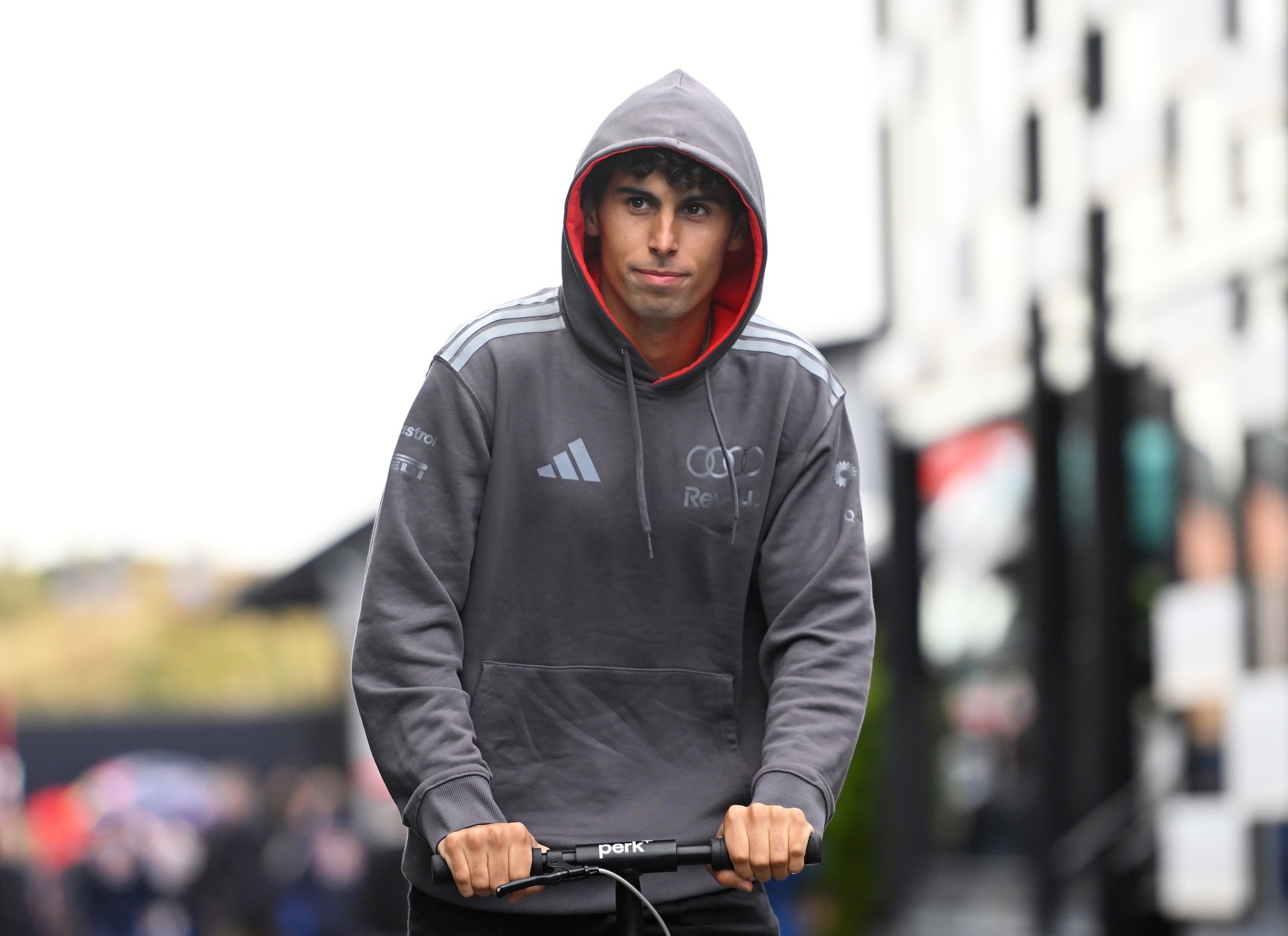
My father was always supportive, but never aggressive in any sense. He was always clear about the sacrifice that my family was making to help me race. It was very clear since I was 10 or 11 years old that [they were like], “Okay, our lives completely shifted because of you [racing].” It was a pressure that was put on me, but in a positive way. My dad never put any negative pressure on me, but made it clear to me that “we’re all in on you,” he and his company. He’s a successful guy, but, like, all the work my brother sacrificed to stop racing because of me. My dad always wanted to see me work hard. If I was lazy, he would come and give me shit for it, you know? He would say things to my face, but I never gave him many opportunities to do that, if I’m being very honest with you. I always had it very clear what I had to do and the hard work I had to put in. I think the only time he gave me shit was at the beginning of my career, when I didn’t really like simulators because I was not the best at them. He said, “You are too lazy, and you’re not good enough in the sim; that’s why you don’t like it. You say you don’t like it because you’re not good at it. But if you practice, get good at it, and get strong at it, I’m sure you will like it, so don’t be lazy and get your head up and work.” So I started doing that, and I became a very good sim driver and very competitive—and then I started liking it (laughs). He was right.
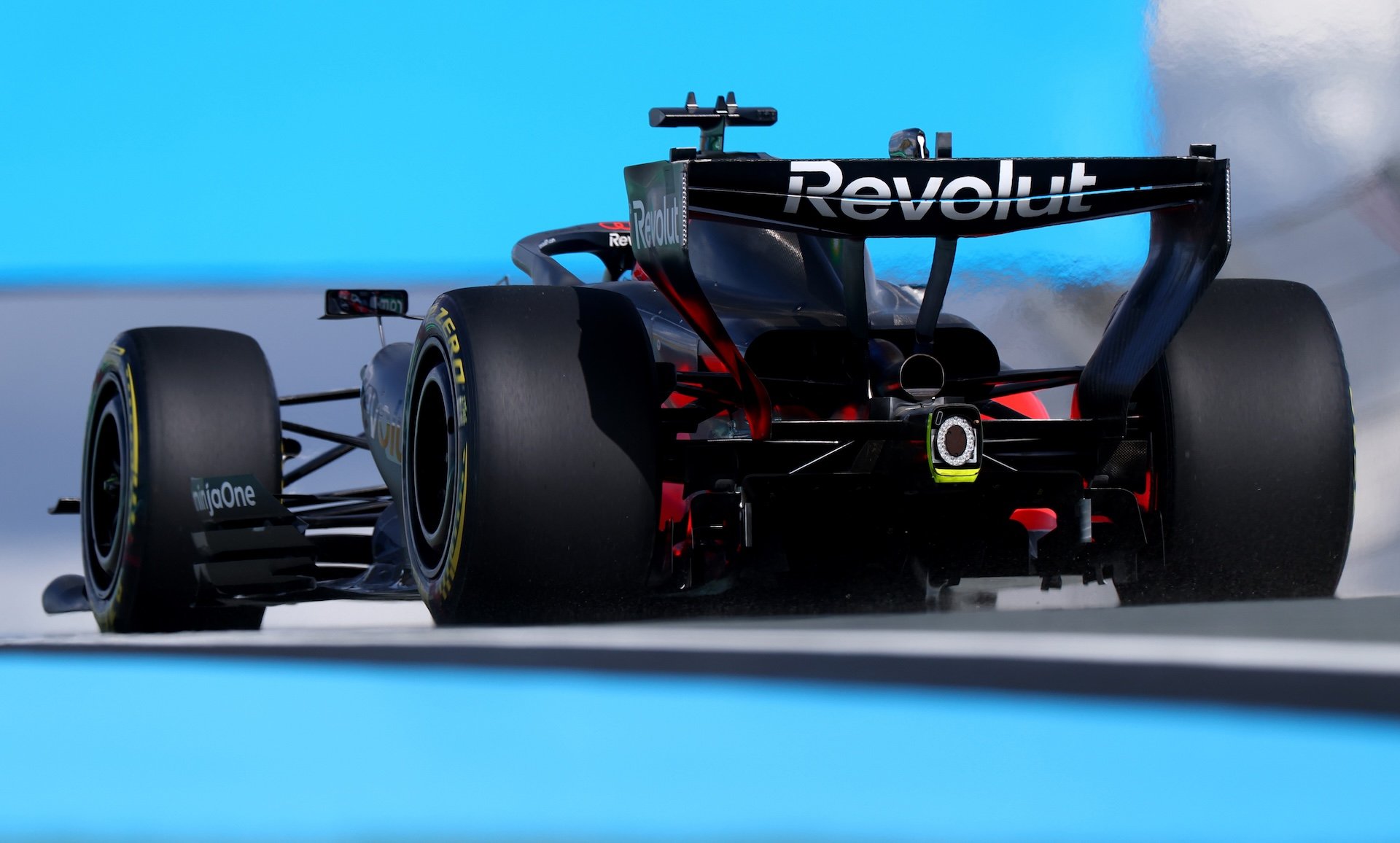
I’ve been told you spend a lot of time in the simulator now, so clearly it worked, whatever he said.
It did, yeah. Big hero.
Lastly, this role with Audi. I would probably call it a once-in-a-lifetime opportunity to start with what’s essentially a new team. How do you take the most advantage of what you have right now?
The best thing I can do is understand the brand I’m representing and do my best for it. There are a lot of people working hard to put us at the top in F1; they want [to achieve here] everything they have achieved outside of F1. It’s a big responsibility, and I will just give it my all. I will sacrifice everything to bring this team to the top and win with them.
Email the author at jerry@thedrive.com
Loading comments…
Comments couldn’t be loaded. Please refresh the page.