
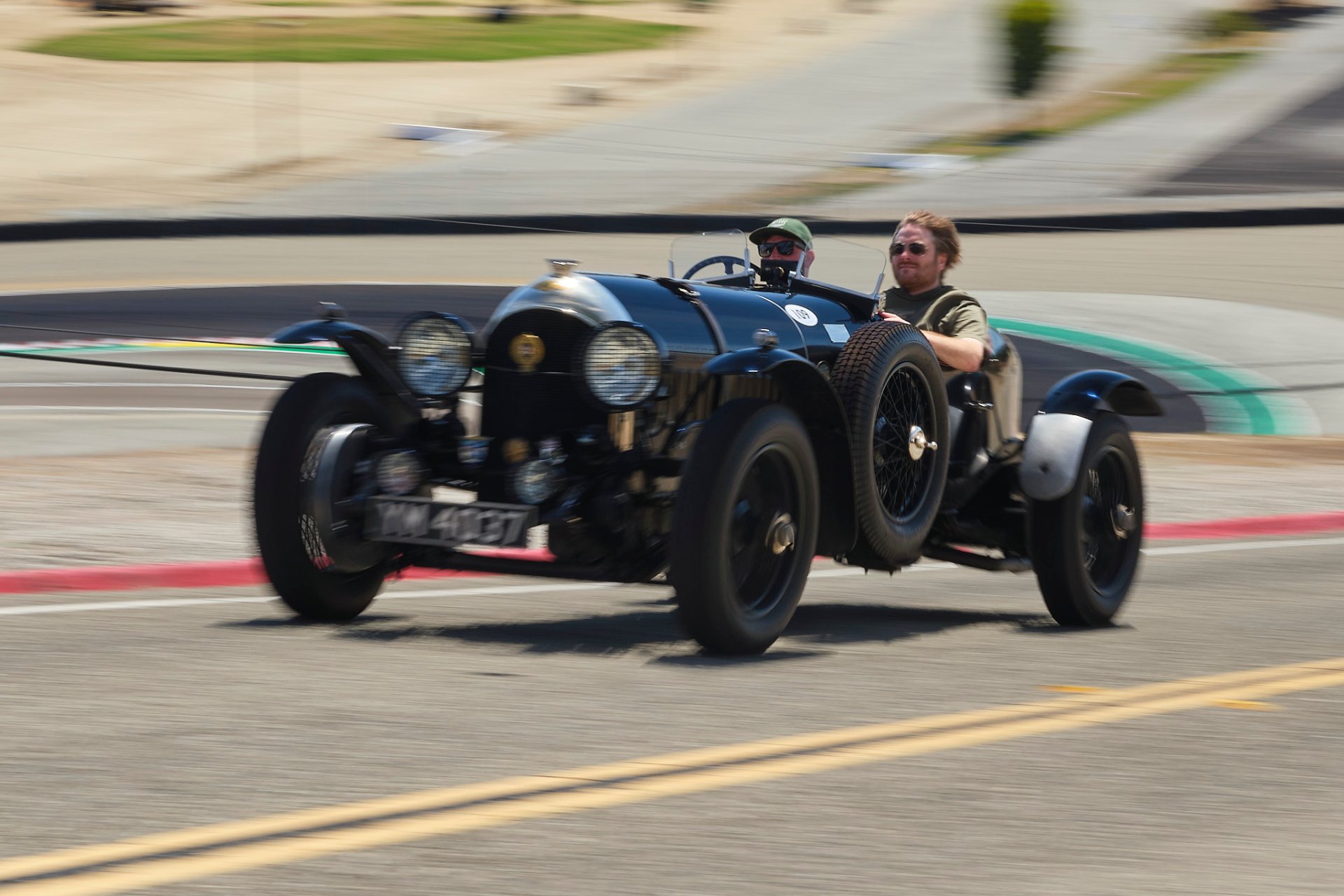
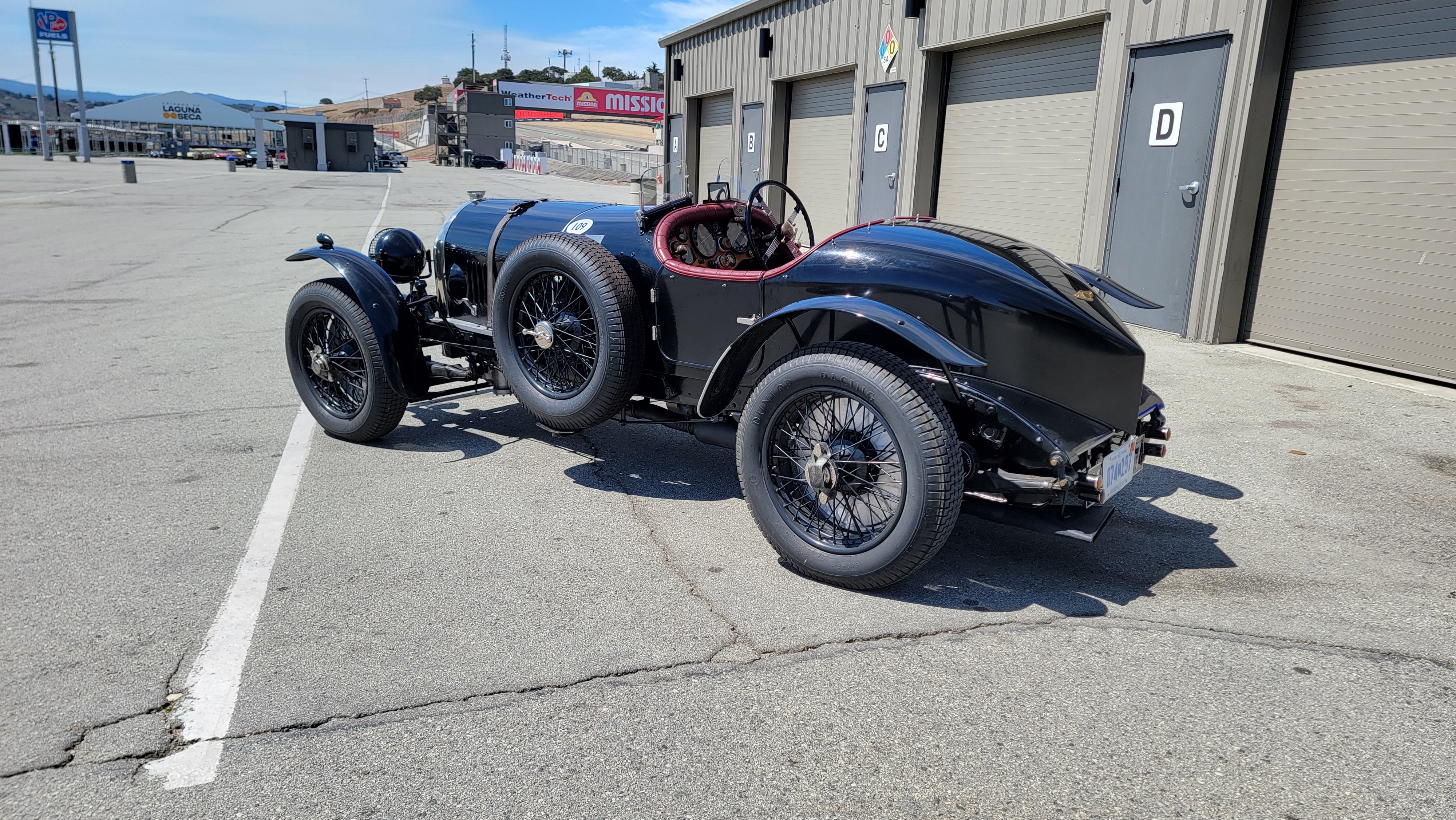
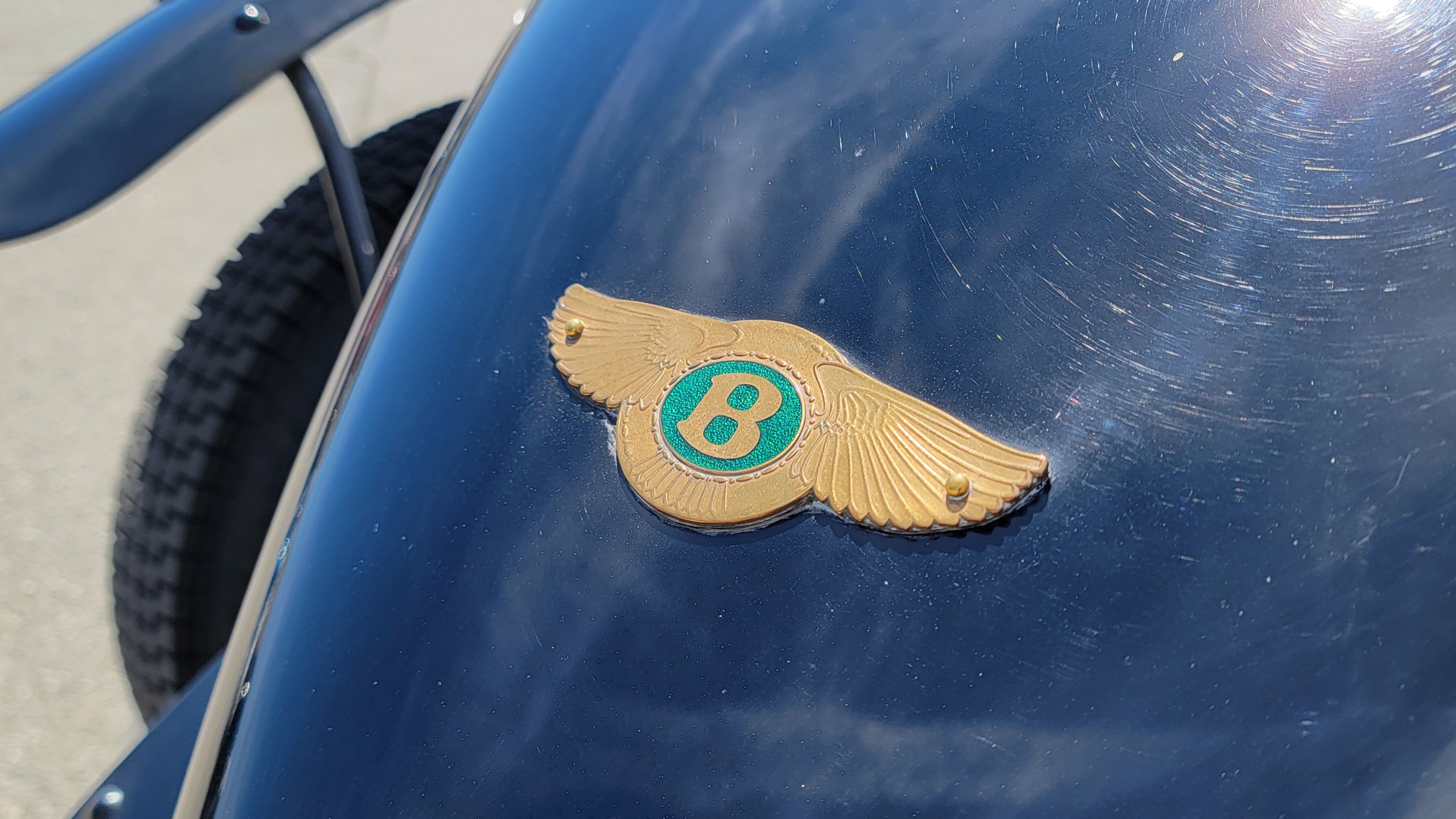
I like machines. You probably do too. There’s lots of crossover between car people, train people, and plane people, not to mention watch people, and bike people. If it whirs, purrs, or putts along, chances are we’re into it. And as we’re further isolated from the nuts and bolts of the mechanical things we interact with on a daily basis, we believe something is being lost—a connection to how things actually work. It was an inescapable sensation a century ago, when this Bentley 3 Litre Supersports first screamed through the English countryside.
It’s called “Smoky,” and while it wouldn’t be unreasonable for that adjective to be quite literal when describing a 100-year-old British grand tourer, in this case, soot isn’t its signature emission. That honor goes to its many, many noises—from the gravely moans of the huge four-cylinder engine to the raw, mechanical shrieking of the straight-cut gears. Smoky’s temporary caretaker tells me there’s probably a bad bearing in the gearbox, which is only making matters worse.
That I can even hear his explanation is a bit of a miracle. Circa 1930, any sane driver would embark only after donning some proper driving equipment, which I don’t have. I didn’t even think to bring along a baseball cap. Even at 5’7″, my head sits well proud of Smoky’s tiny wind screen, which does nothing at all to protect me from the dry California air.

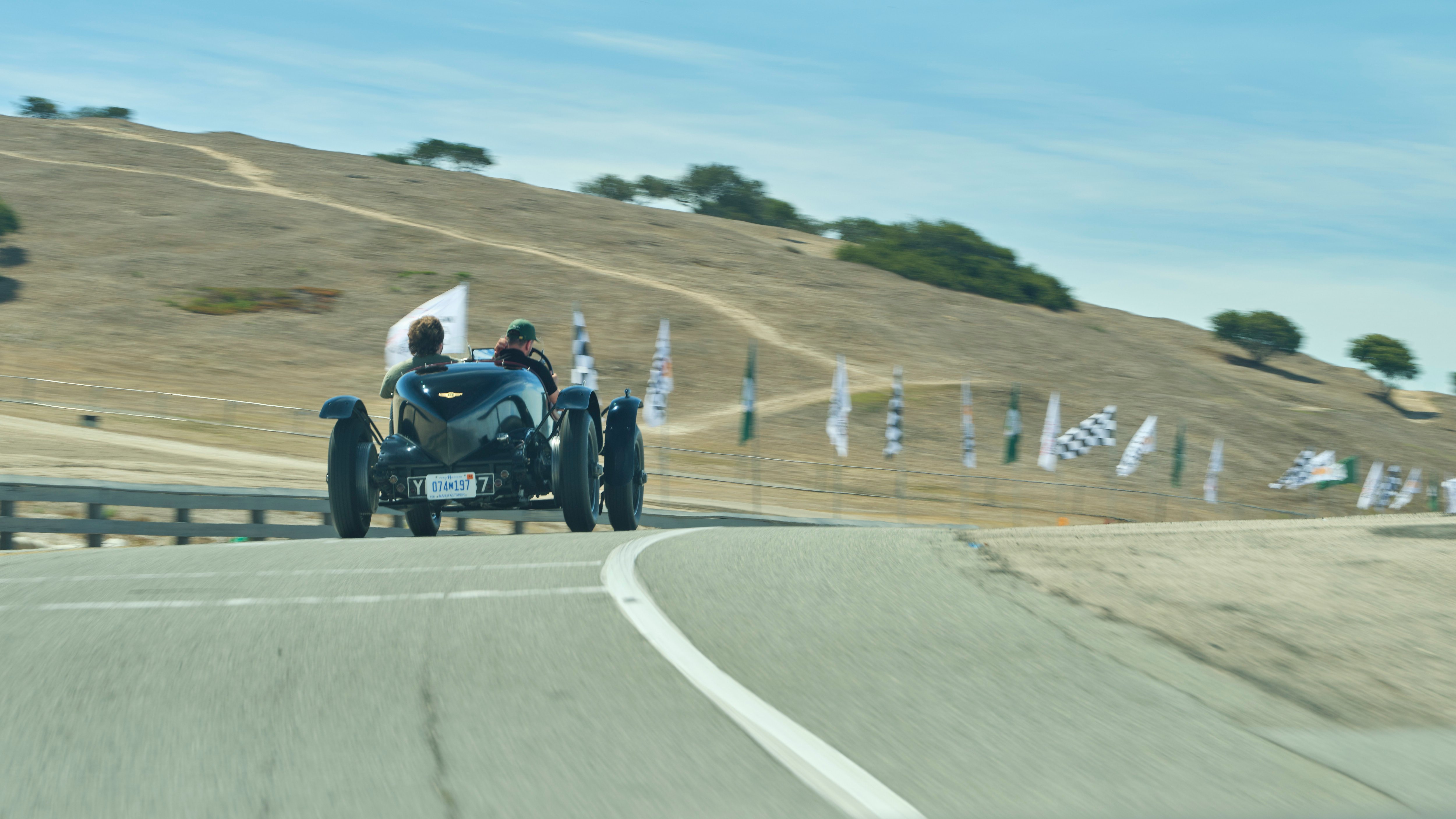
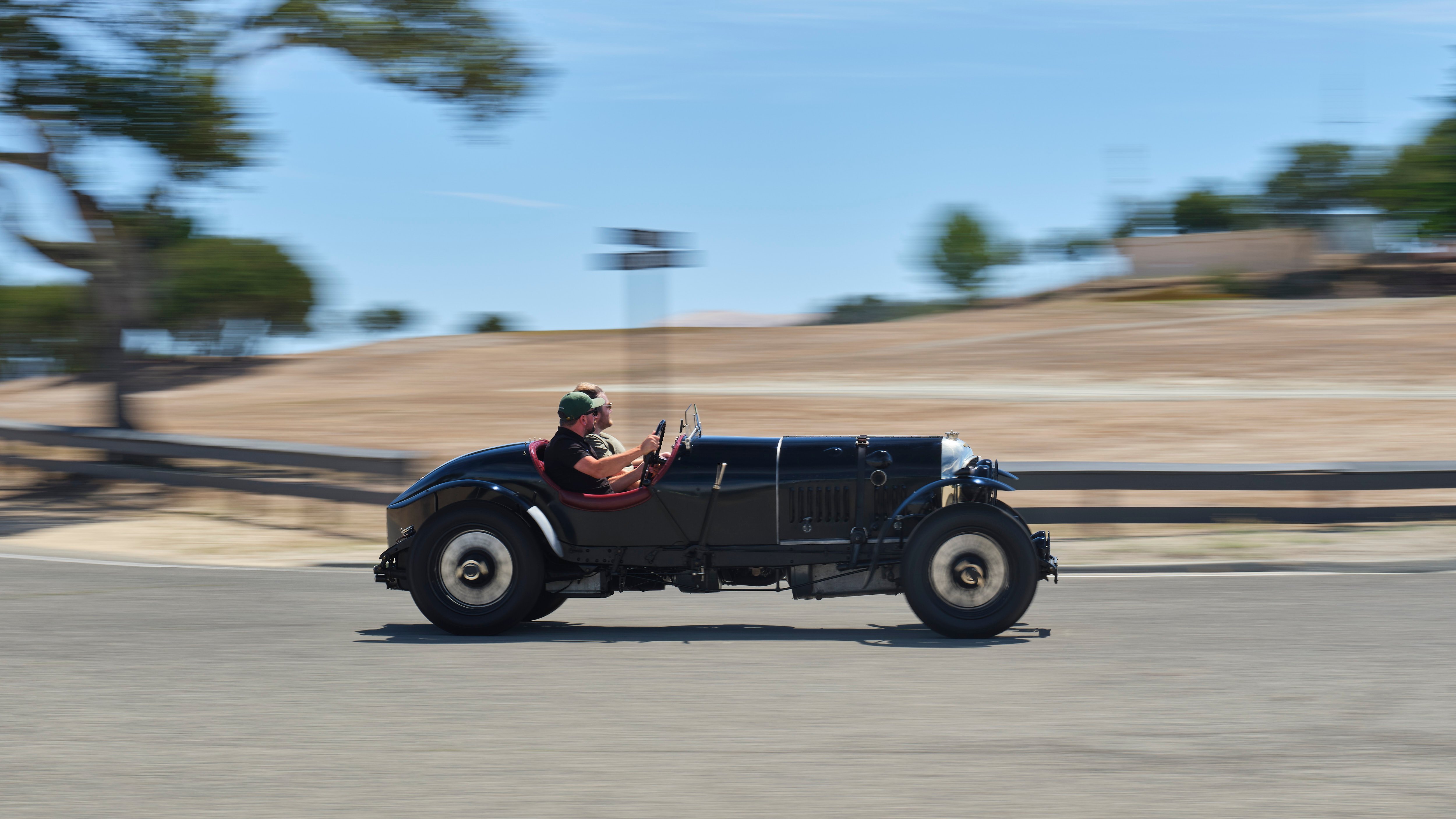
Smoky left the factory with a 3.0-liter engine under the hood, as its name implies. In the mid-1930s, its owner swapped in an engine from the company’s Le Mans racers. Its displacement? 4.5 liters. You know, just a casual 50% bump—no big deal. The 4.5-liter race engines made double the power of the 3.0-liter road cars. The Bentley Blowers, introduced just a few years after the Supersports, doubled that figure yet again. Smoky raced quite a bit during the 1930s, but like all pre-war machines, it was sidelined through much of the ’40s.
This was the first Bentley that could do better than 100 mph, but it’s pure cacophony at just a third of that. Puttering around the asphalt side roads on the Laguna Seca property is an event. It feels like two motorcycles grafted together with a child’s wagon sitting on top. Highway speeds in something like this would be exhilarating, in that “proximity to death makes you feel more alive” sort of way.
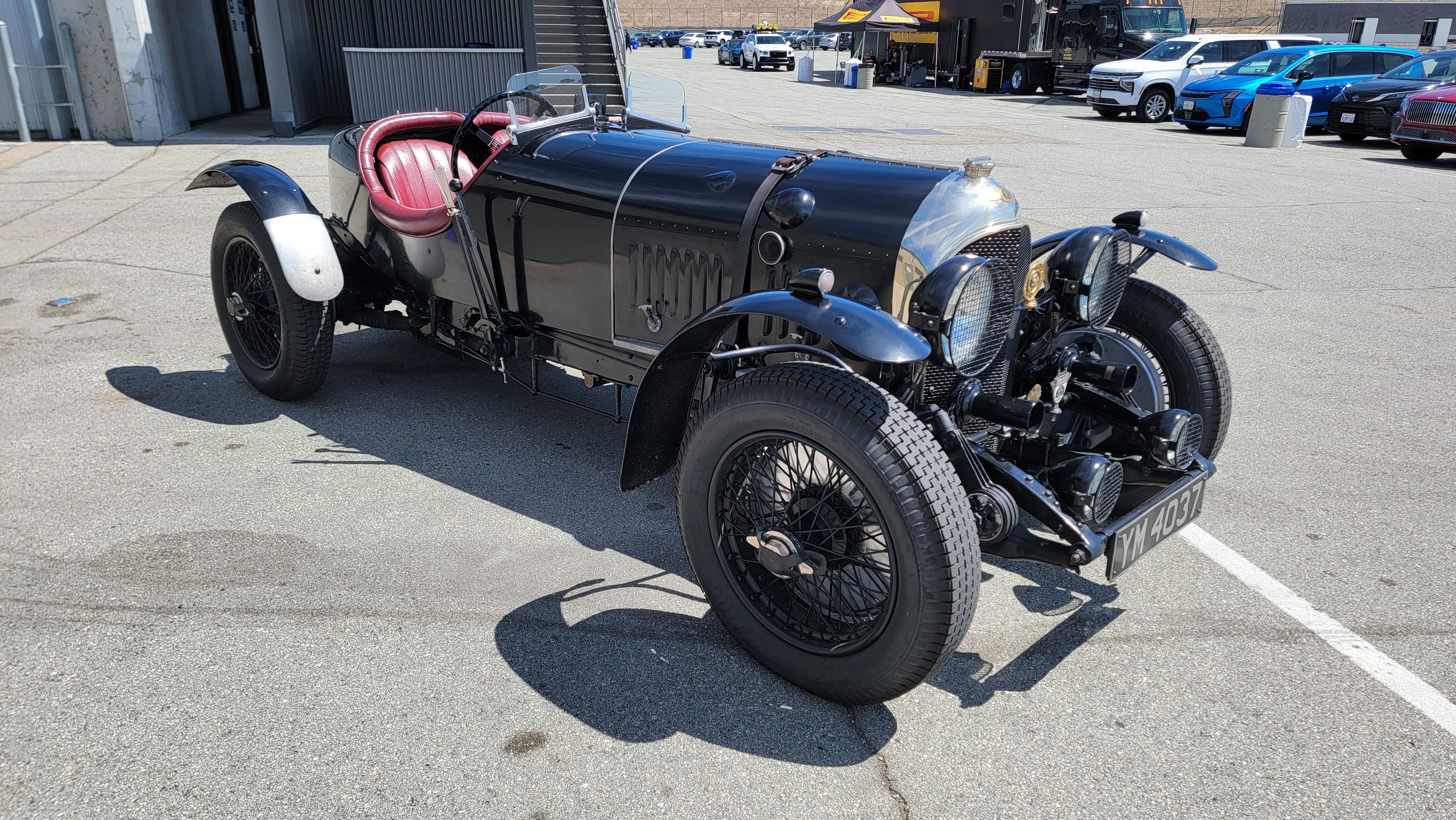
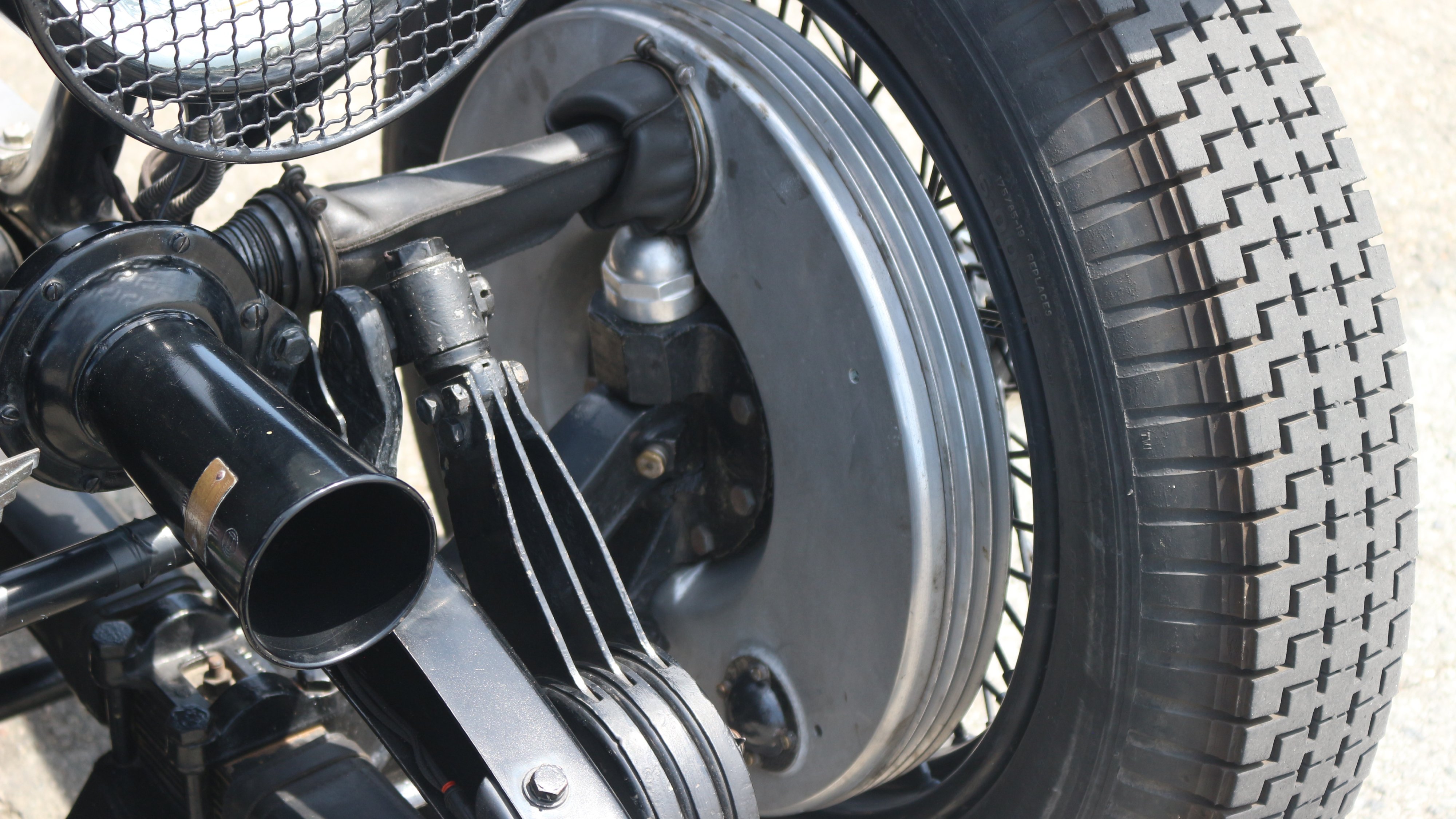
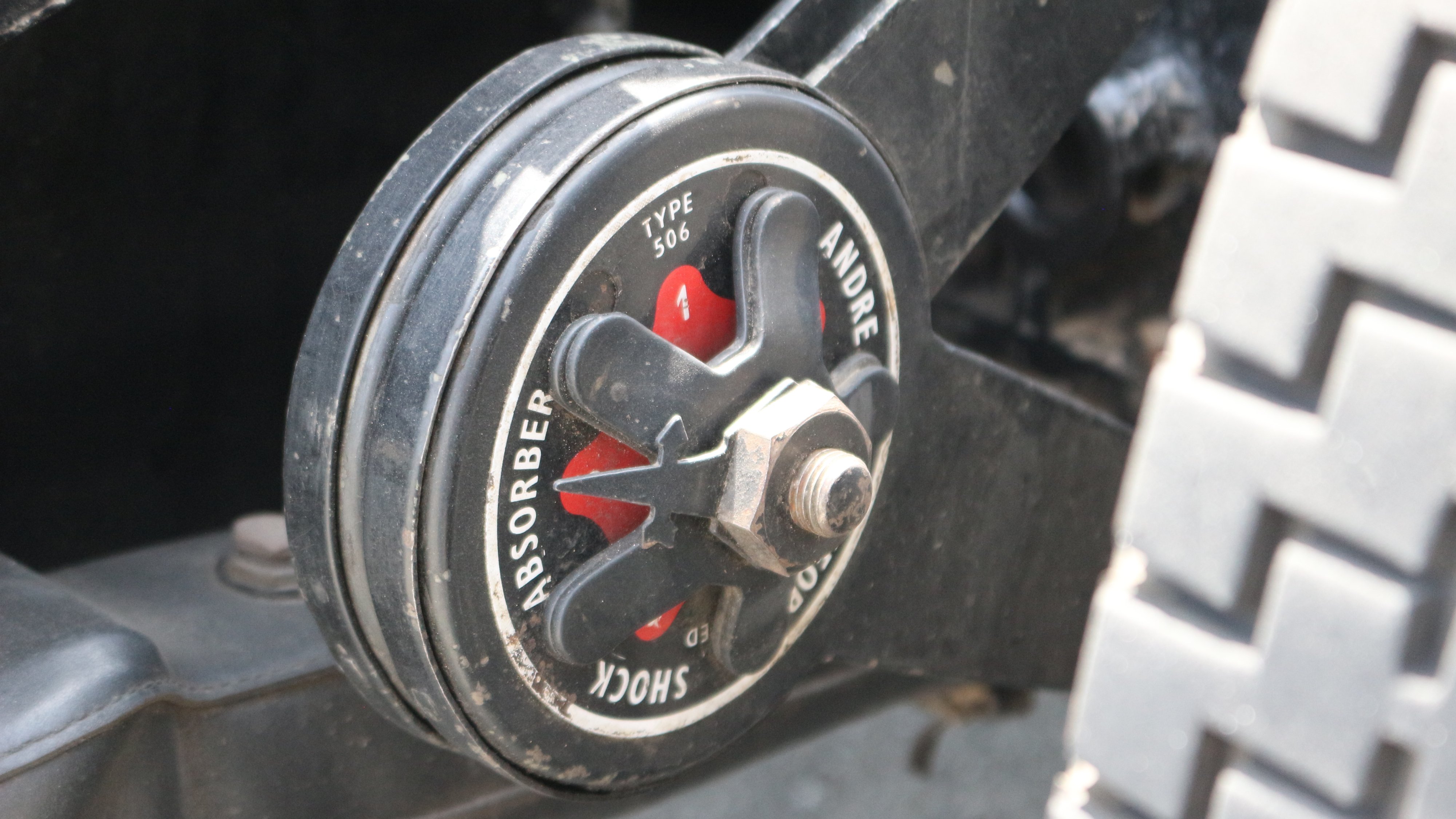
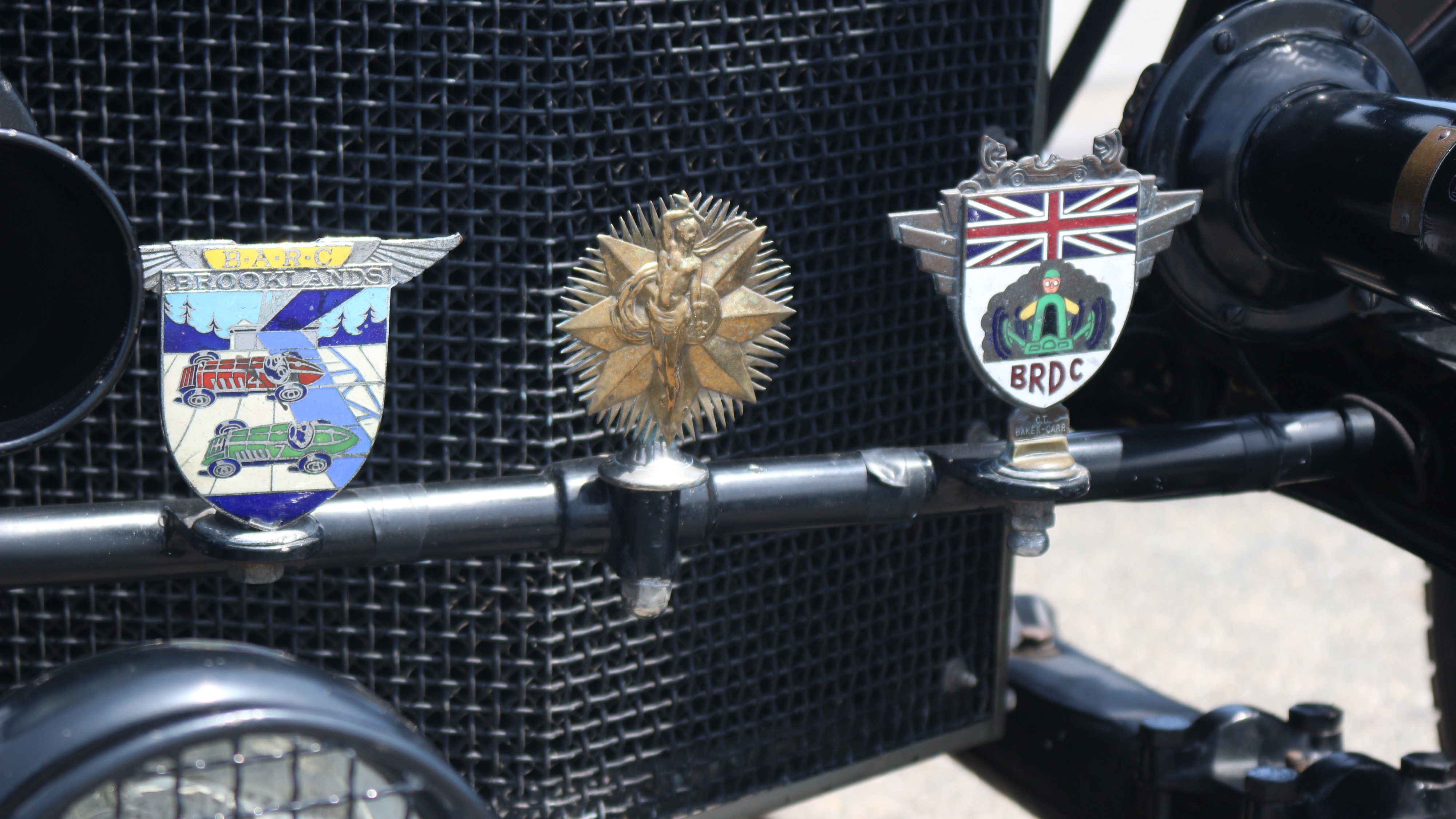
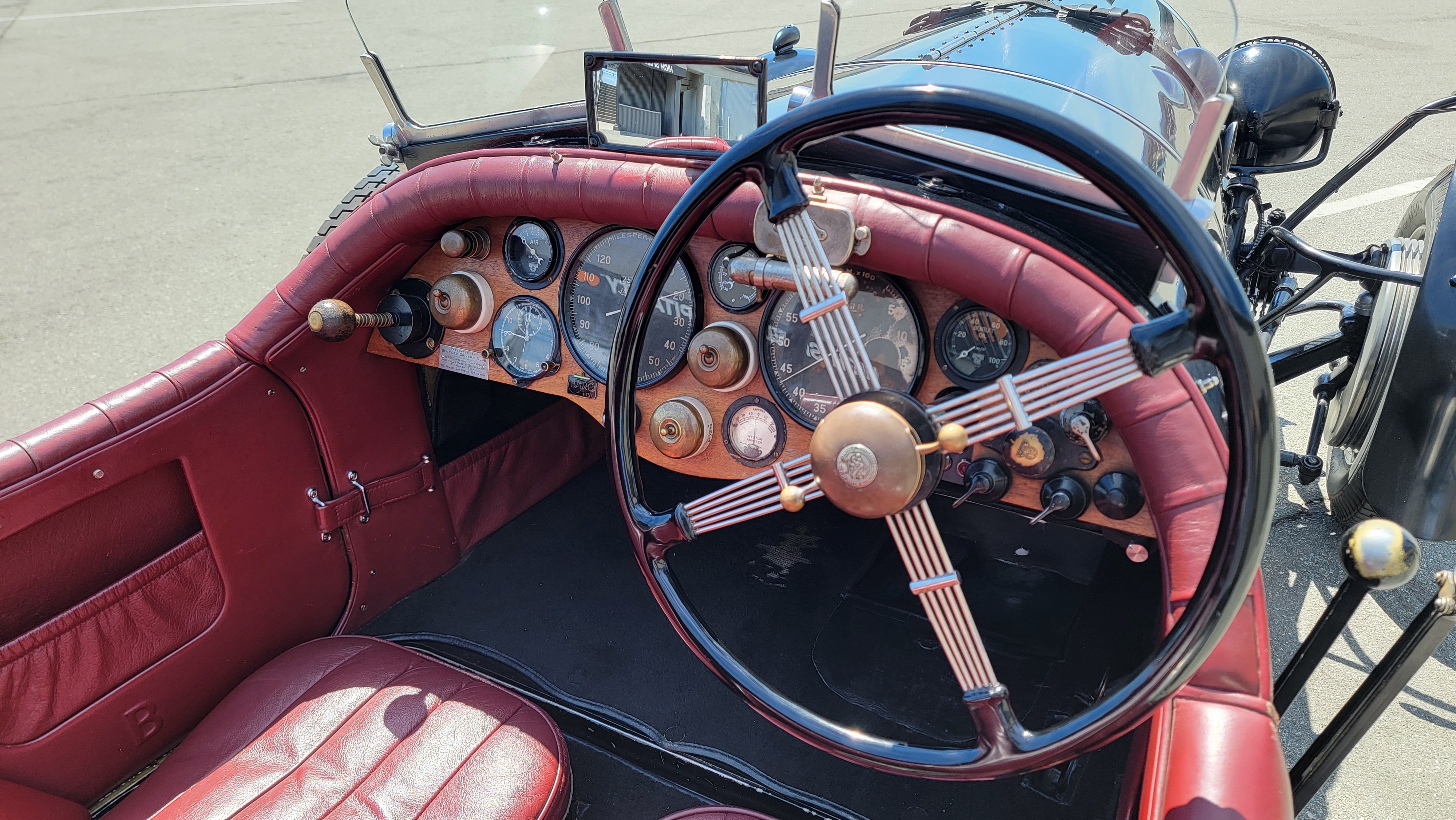
The gearbox is unsynchronized (a “crash box,” which says it all, really) and requires double-clutching and a not-insignificant amount of faith in the durability of its greasy parts in order to operate. Oh, and the clutch pedal is on the right, for some reason. Everything on the car requires a heavy hand, from the switches and knobs to the door handle. There’s just one, on the passenger side, because there’s only one door, and that little latch is the only thing holding your body inside the car as it leans through corners.
The knobs and switches? Mostly unlabeled. This is more like the cockpit of a Cessna than anything resembling front seats as we know them today. Nothing’s standardized and nothing’s intuitive. You either learned how to operate it correctly or you crashed trying. I do my best to brace my knees away from the instrument panel, lest I accidentally disable a fuel pump mid-corner. It’s a quick ride, and over far too soon, but every second is an experience.
Smoky’s heyday marked the end of the sub-two-tonne Bentley sporting car. It took 85 years for Bentley to bring us a new, lightweight Supersports model. The new one’s quite a bit more refined, I must say, and quieter at 130 mph than Smoky is doing a century less. That’s what 85 years of progress looks (and sounds) like, I suppose. But do you know which one feels faster? I’m sure you can guess.
Got a story tip? Let us know at tips@thedrive.com!
Loading comments…
Comments couldn’t be loaded. Please refresh the page.