
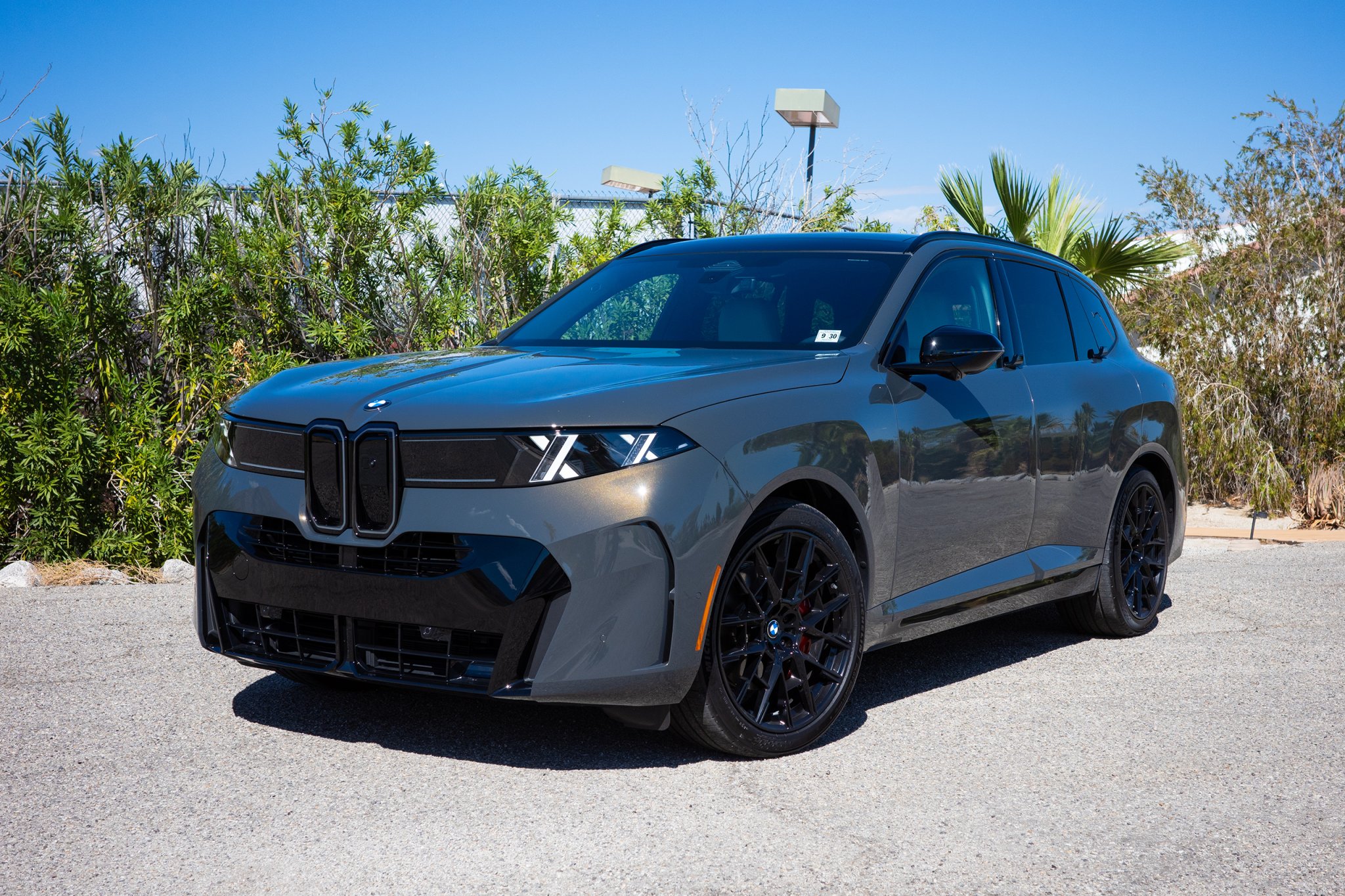
Imagine BMW without the X5? Though such a time did once exist, it’s difficult to recall. Nearly 30 years ago, the X5 opened the floodgates for SUVs (sorry—Sports Activity Vehicles) of all shapes and sizes to roll out of the company’s Spartanburg plant in South Carolina. This new, fifth-gen X5 marks arguably the biggest departure in the nameplate’s lineage, with a design that cleanly breaks from anything before it and a two-pronged powertrain approach that aims to keep purists happy while meeting future wants and needs.
This First Drive will focus on the mild-hybrid, B58-powered 2027 BMW X5 40 xDrive; it starts at $73,550 delivered and is rolling into dealers as you read this. There’s also a rear-wheel-drive version for $2,300 less. The all-electric iX5 60 xDrive is covered in a separate story.
Top-line specs are encouraging. The X5 40’s 3.0-liter inline-six now makes 394 horsepower, up 19 hp thanks to a new turbocharger. Torque also rises, from 383 to 428 lb-ft. It’s stout enough to get even the base X5 to 60 mph from a standstill in 5.1 seconds. That’s not the point of this vehicle, of course, but it’s nice to have nonetheless.
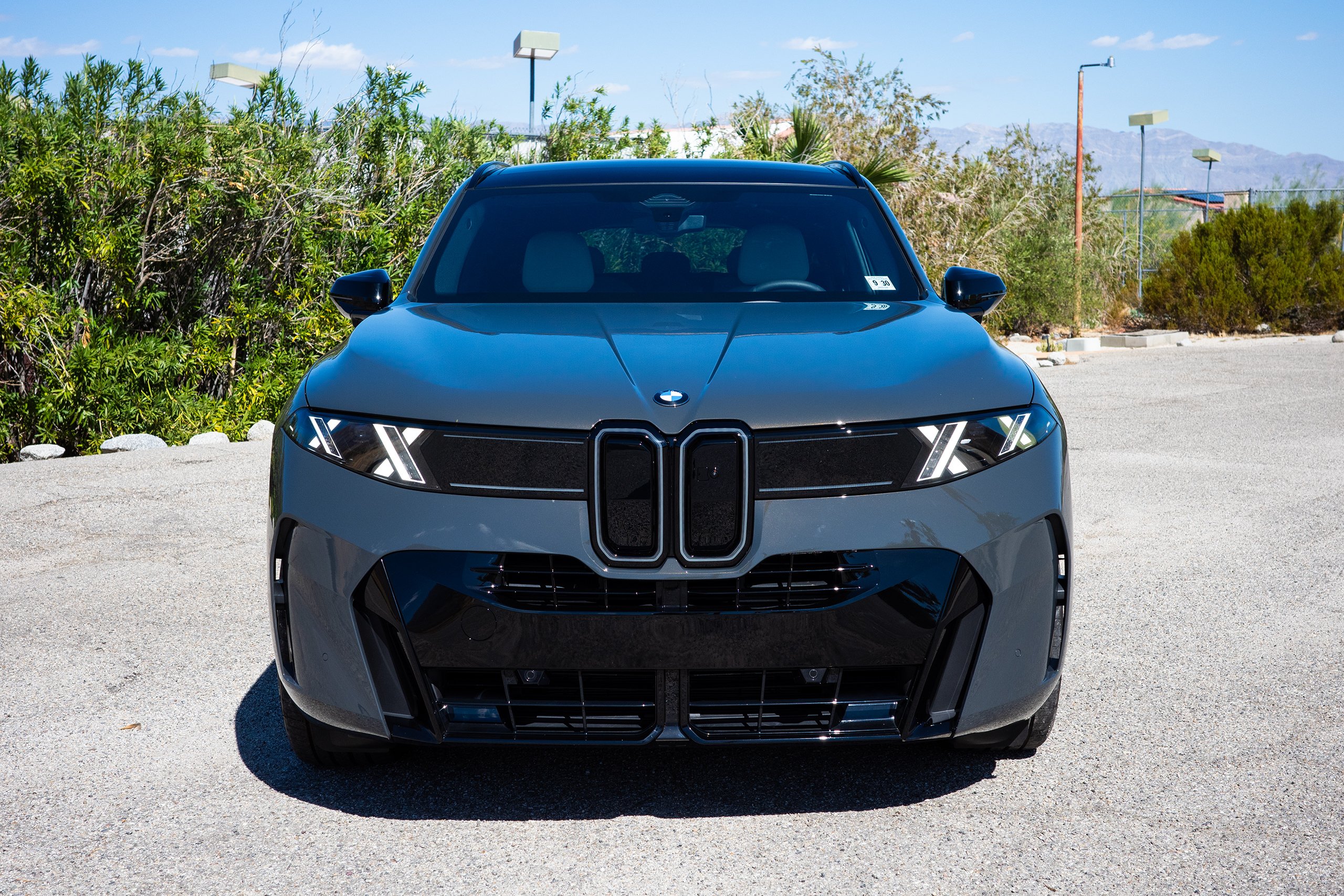
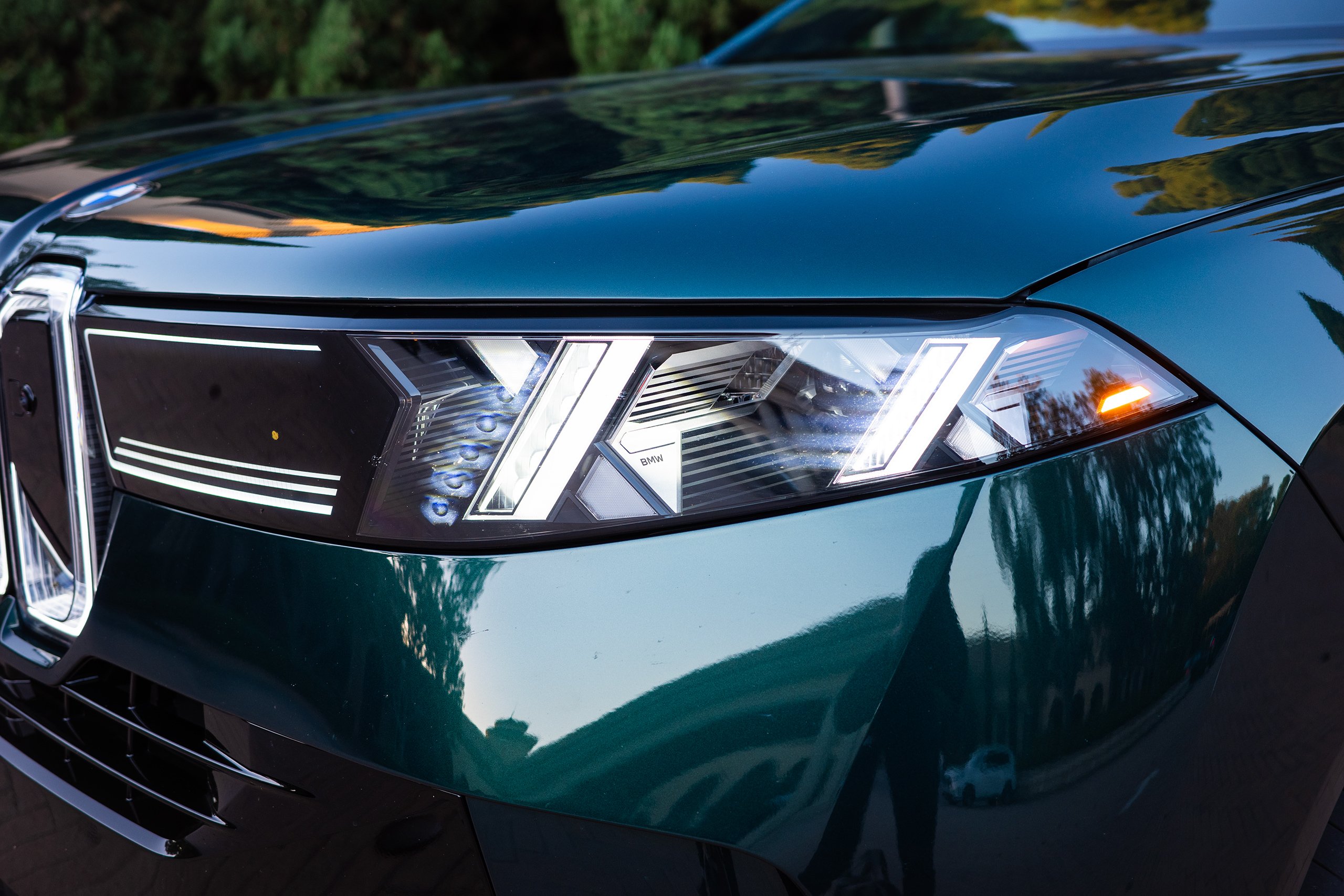
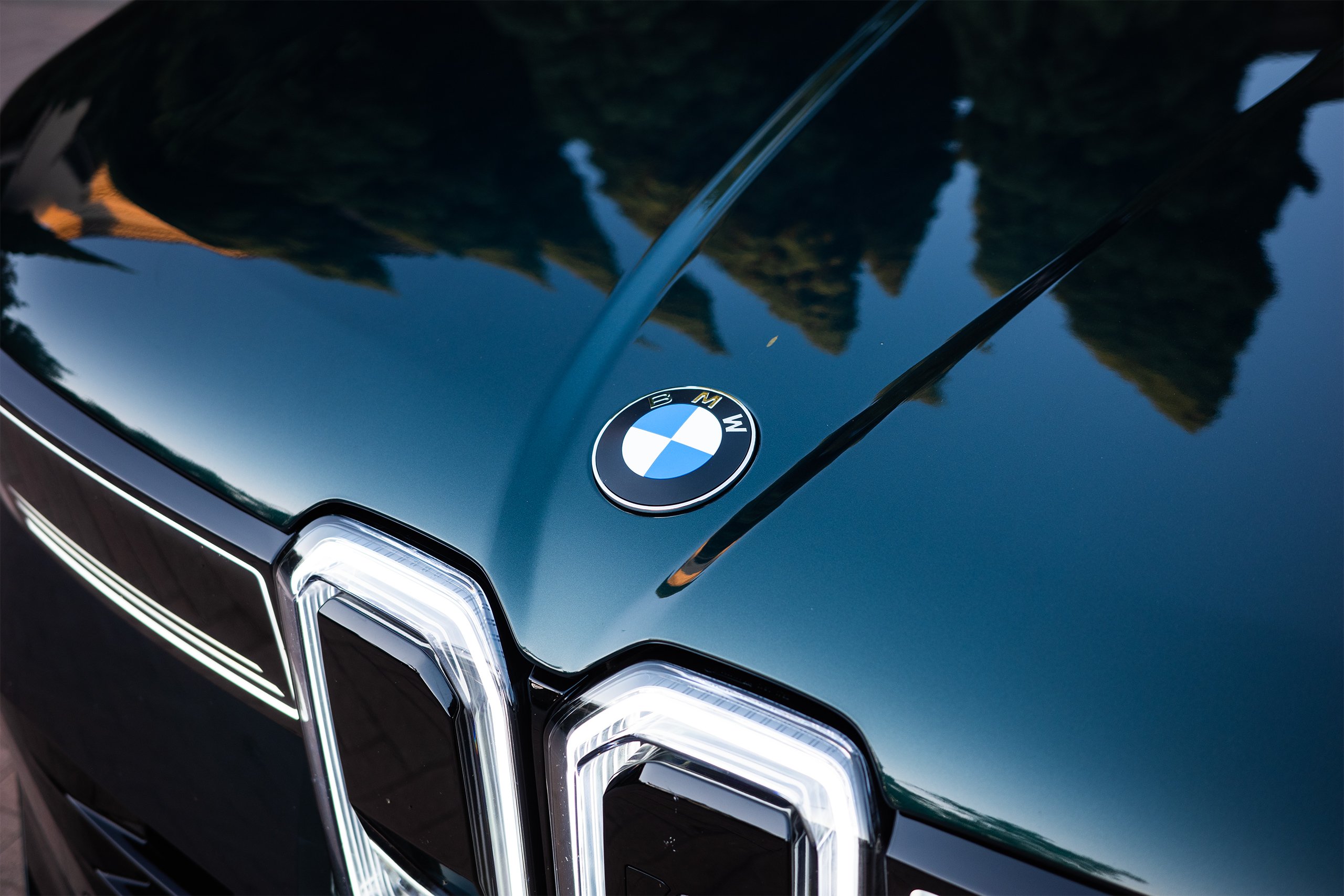
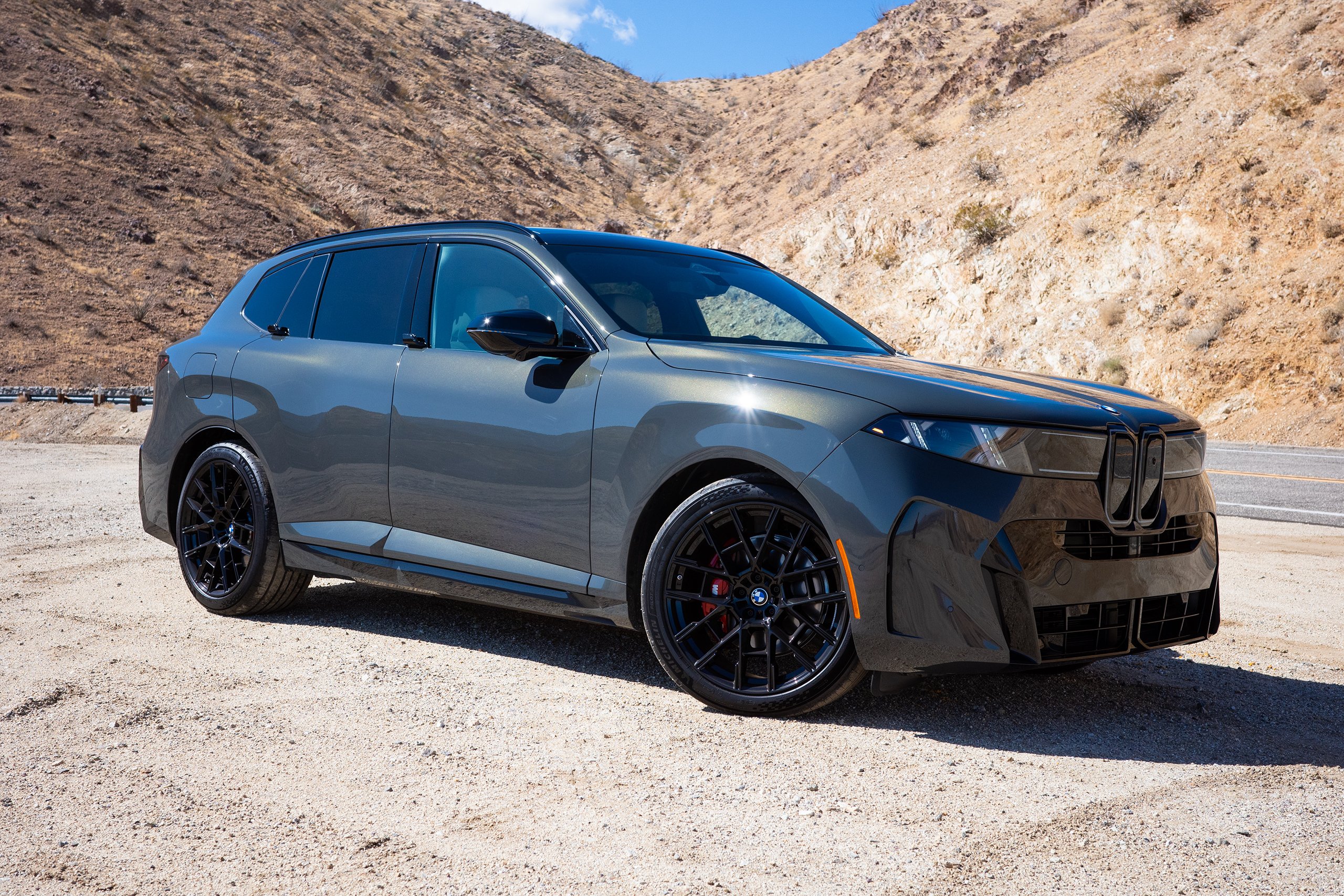
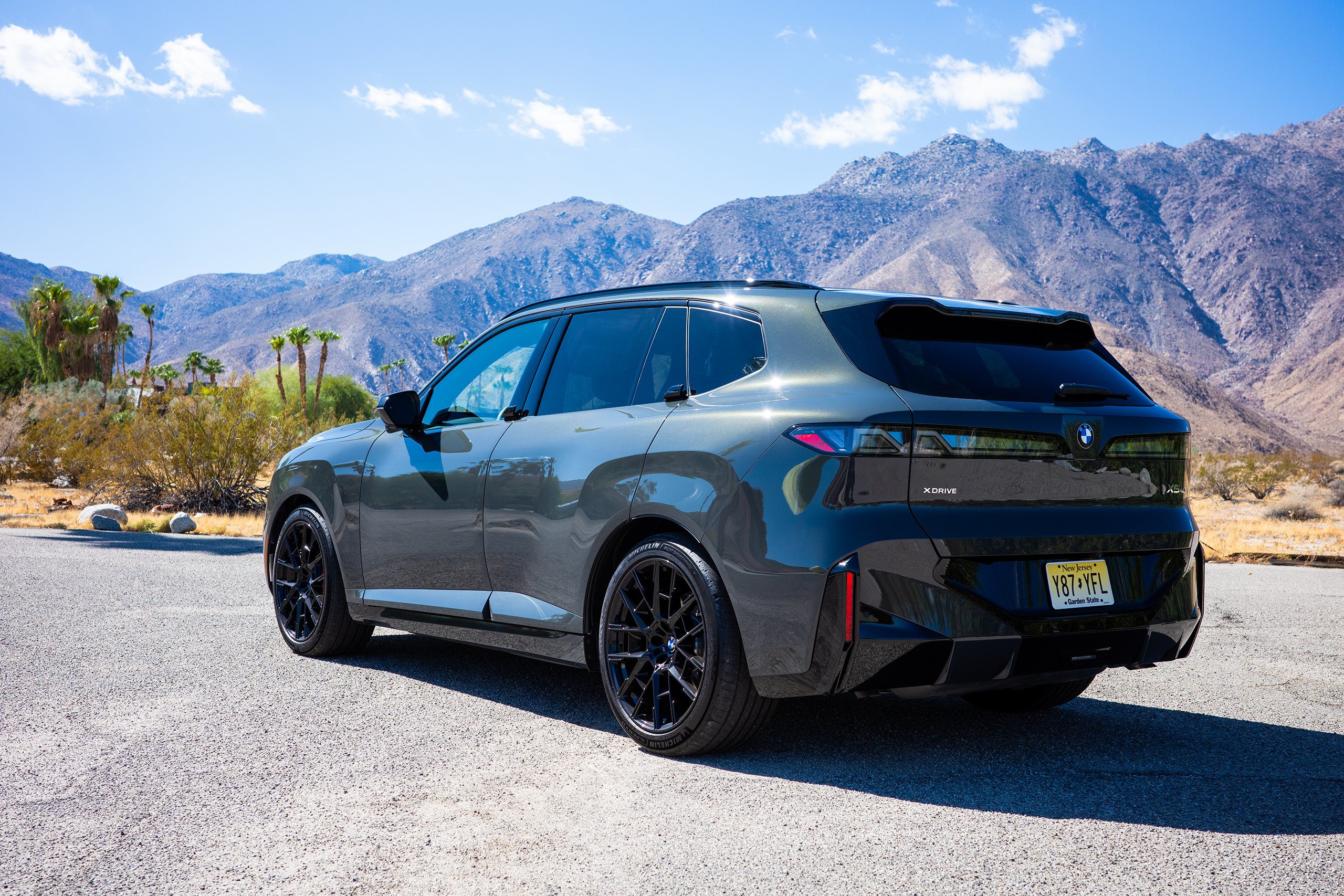
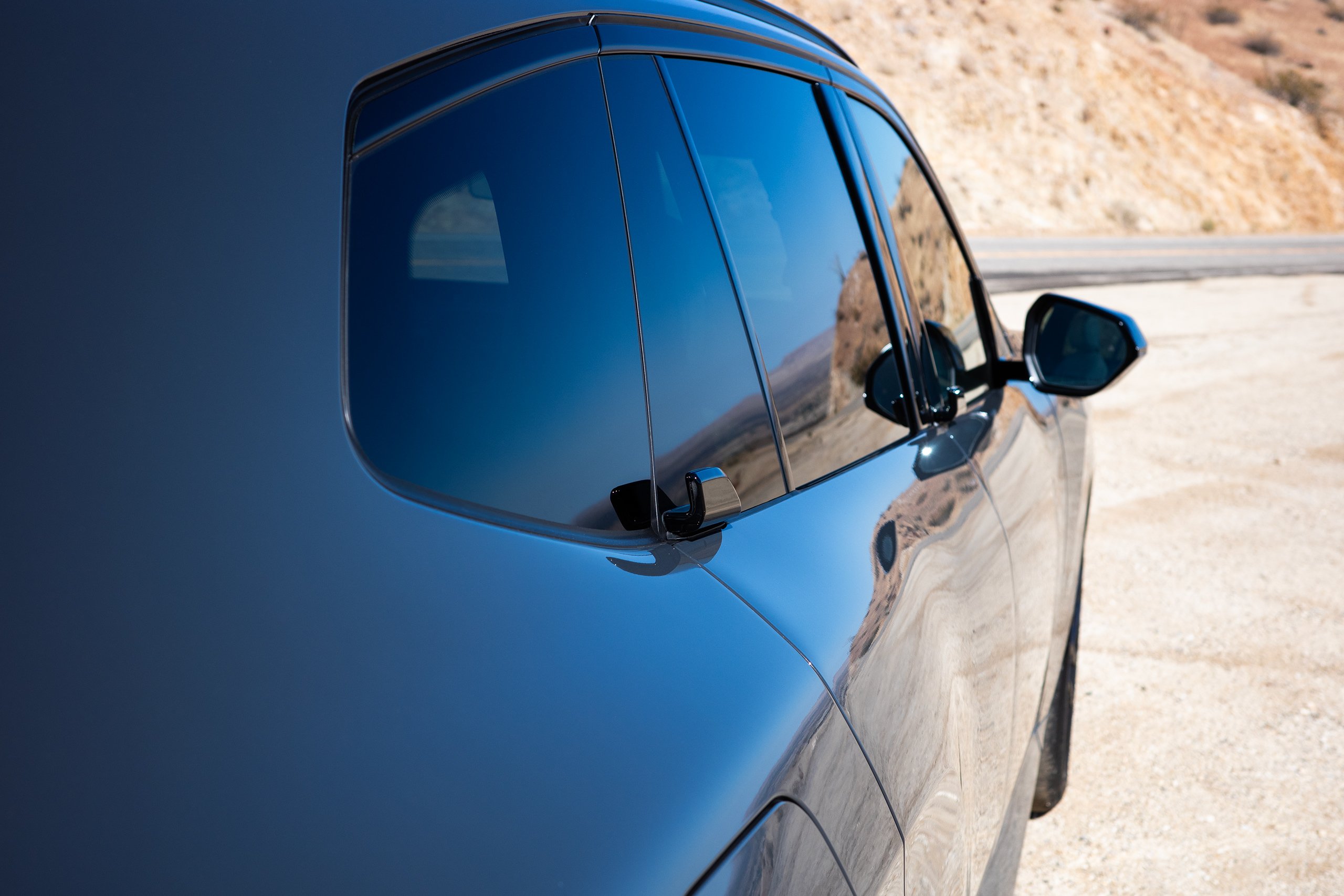
None of that is really the story here, though—the spotlight’s on the design, which thrusts BMW’s core SUV into the Neue Klasse era. There are plenty of strong (read: mostly negative) feelings around the look of these cars, so I’ll just say this: I was a fan of the Neue Klasse X concept from a few years ago, with its low beltline, expansive greenhouse, and simplified front and rear bumpers.
Once again, I think BMW has taken the bones of a good-looking car and made it too brick-like and busy, but that’s just sort of BMW’s identity now, and I don’t totally hate the result, either. Hell, I’ll even excuse the Xs for daytime running lights. Why not? I’ll take it over another lazy lightbar, that’s for sure.
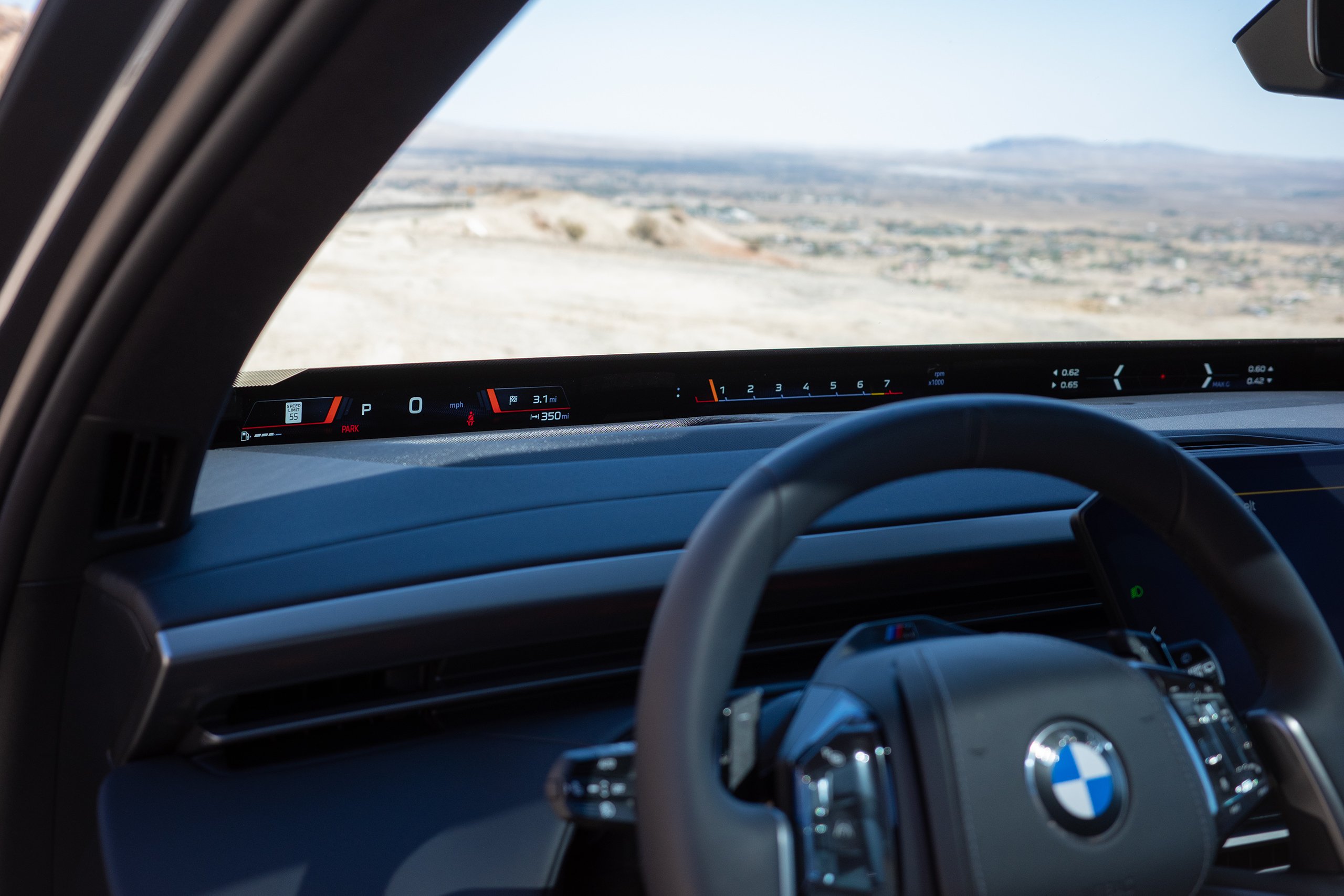
We see a similar level of change in the cabin, but, believe it or not, a lot of this works. Panoramic iDrive—BMW’s name for the strip of readouts that’s actually projected onto the bottom of the windshield—is sleek and not overly distracting. All of the widgets you see from left to right (excusing the speedometer, of course) are programmable and can be rearranged, replaced, or deleted entirely to quiet your visual field.
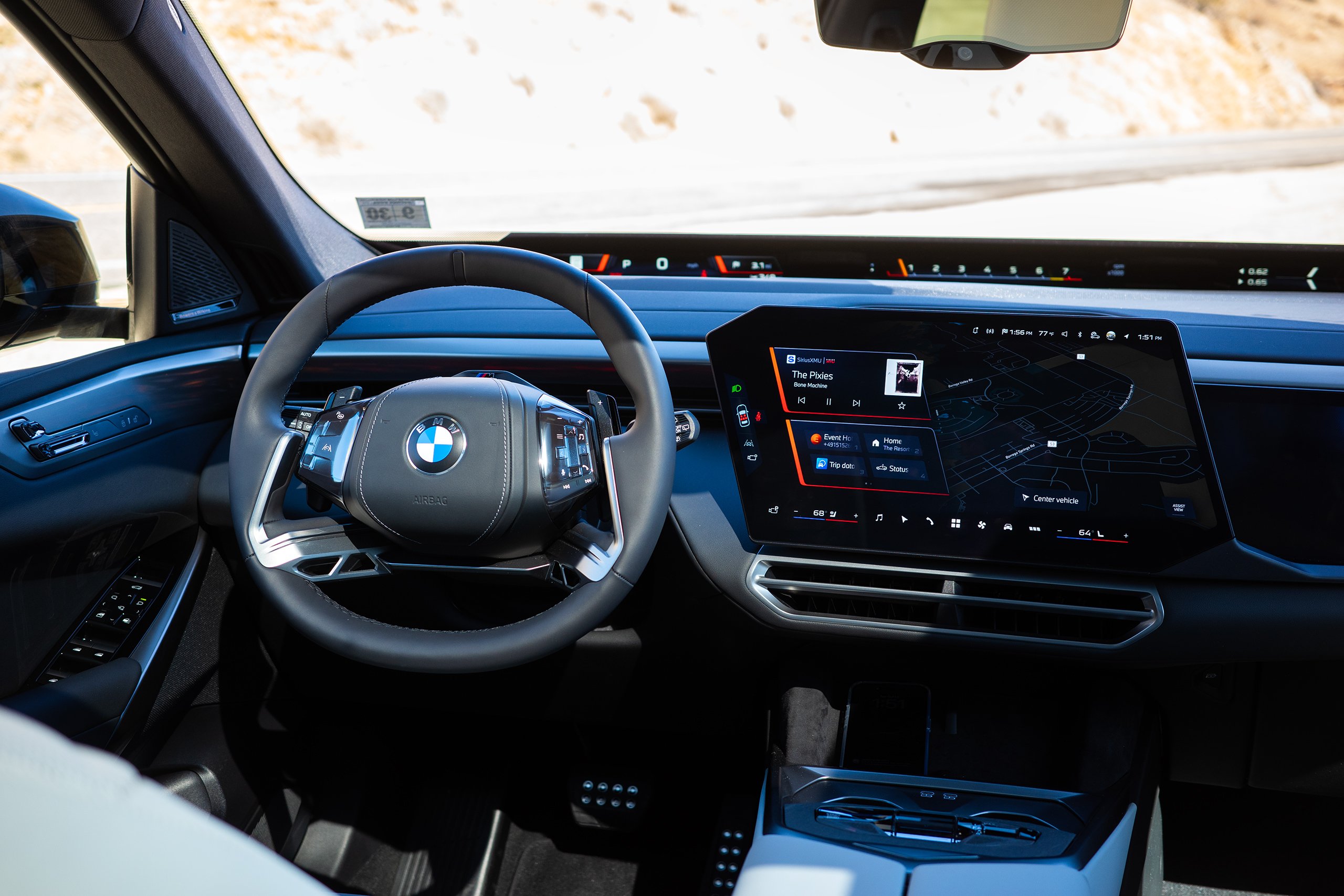
And while that main center screen is huge, it’s fairly easy to navigate, thanks to roomy on-screen buttons and thoughtfully spaced graphics. I couldn’t stand the infotainment UI in the 550e xDrive I drove earlier in the year, and I found this experience far less frustrating.
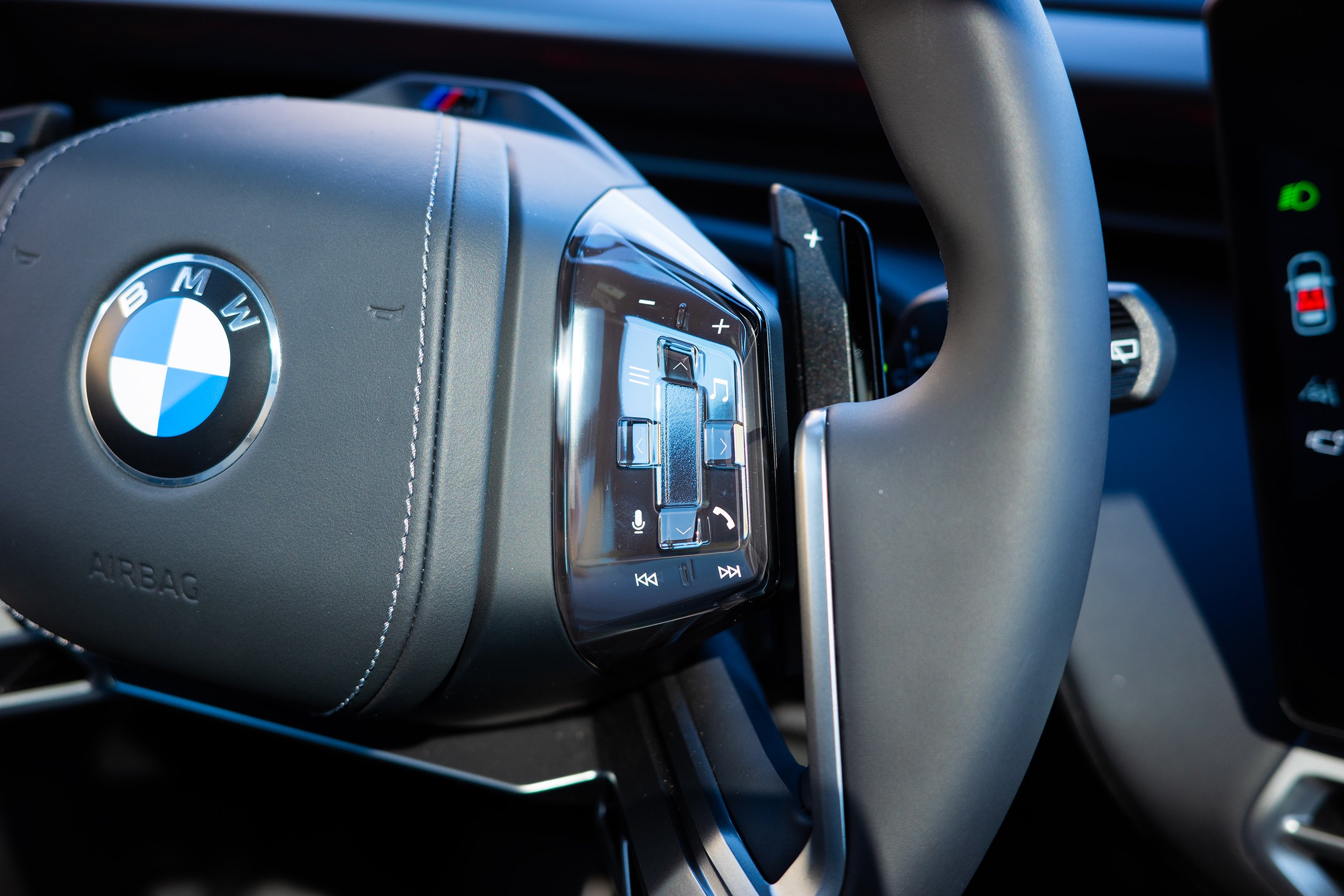
We could use some true climate toggles, for sure. But dedicated buttons for seat and door settings act as handy shortcuts, so you don’t have to scroll through settings to mess with that stuff. And the steering wheel—also controversial, I know—is actually wonderful. Seriously, I found it perfectly sculpted for a 9-and-3 grip, and the controls on either side are backed by clear, responsive haptic feedback.
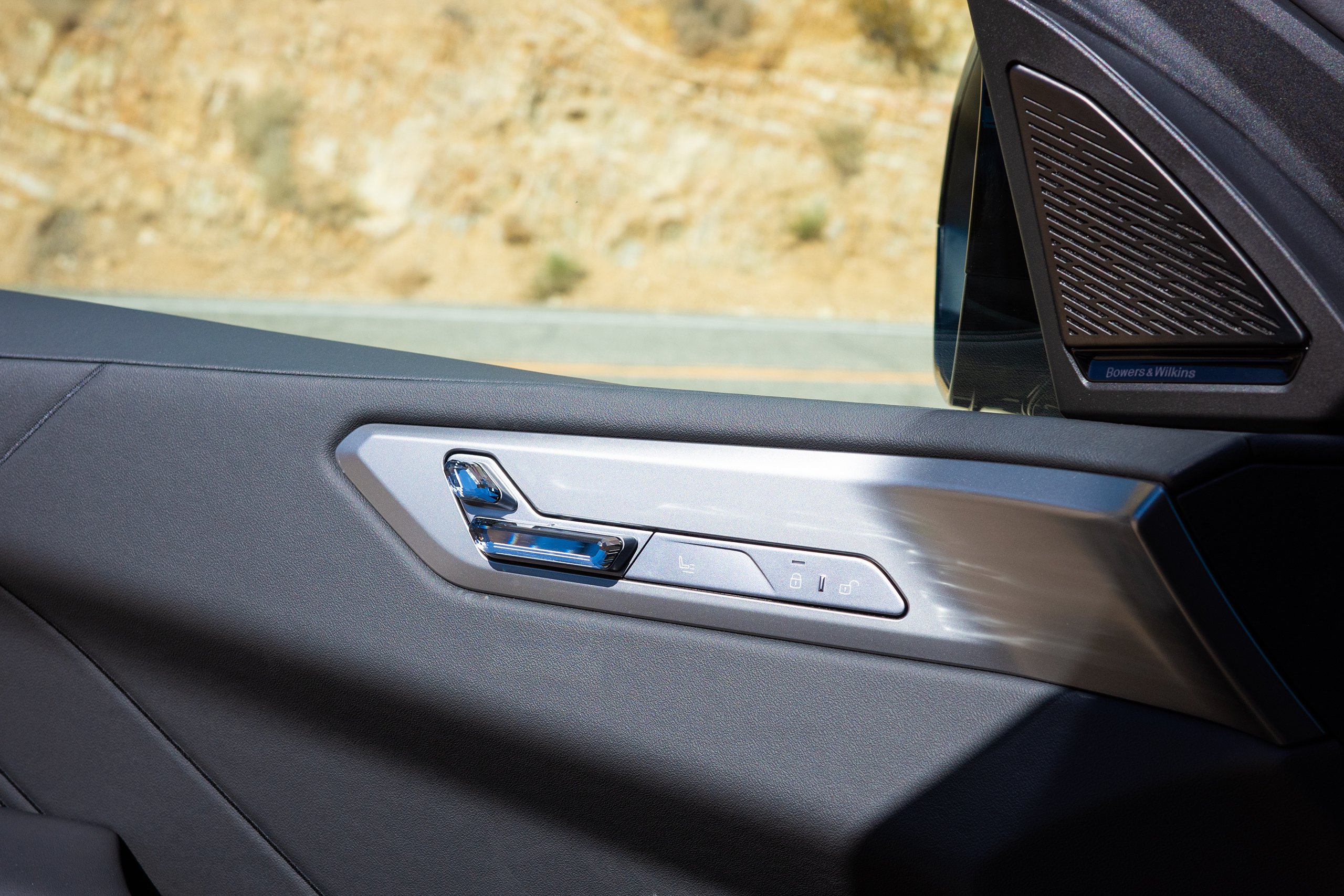
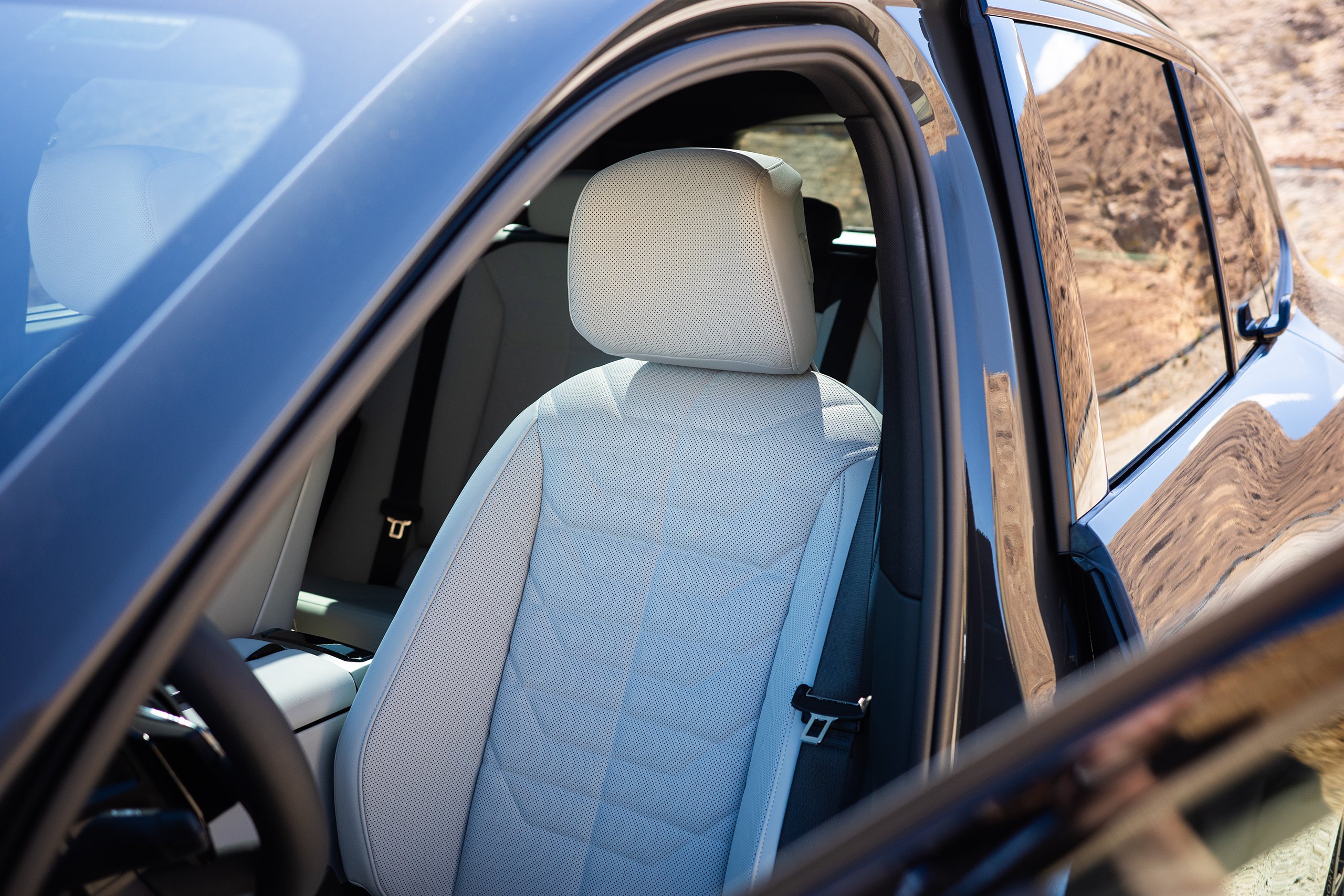
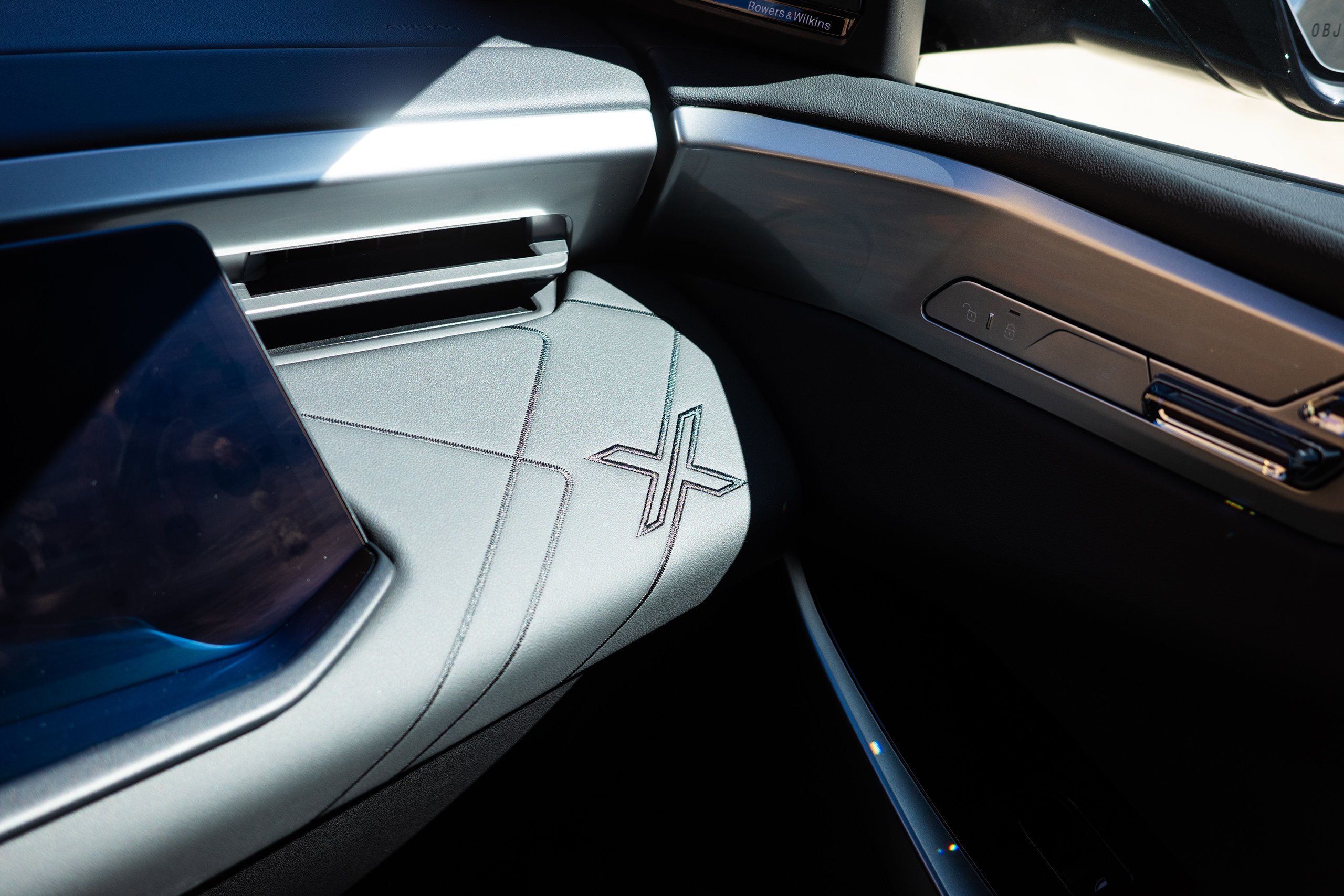
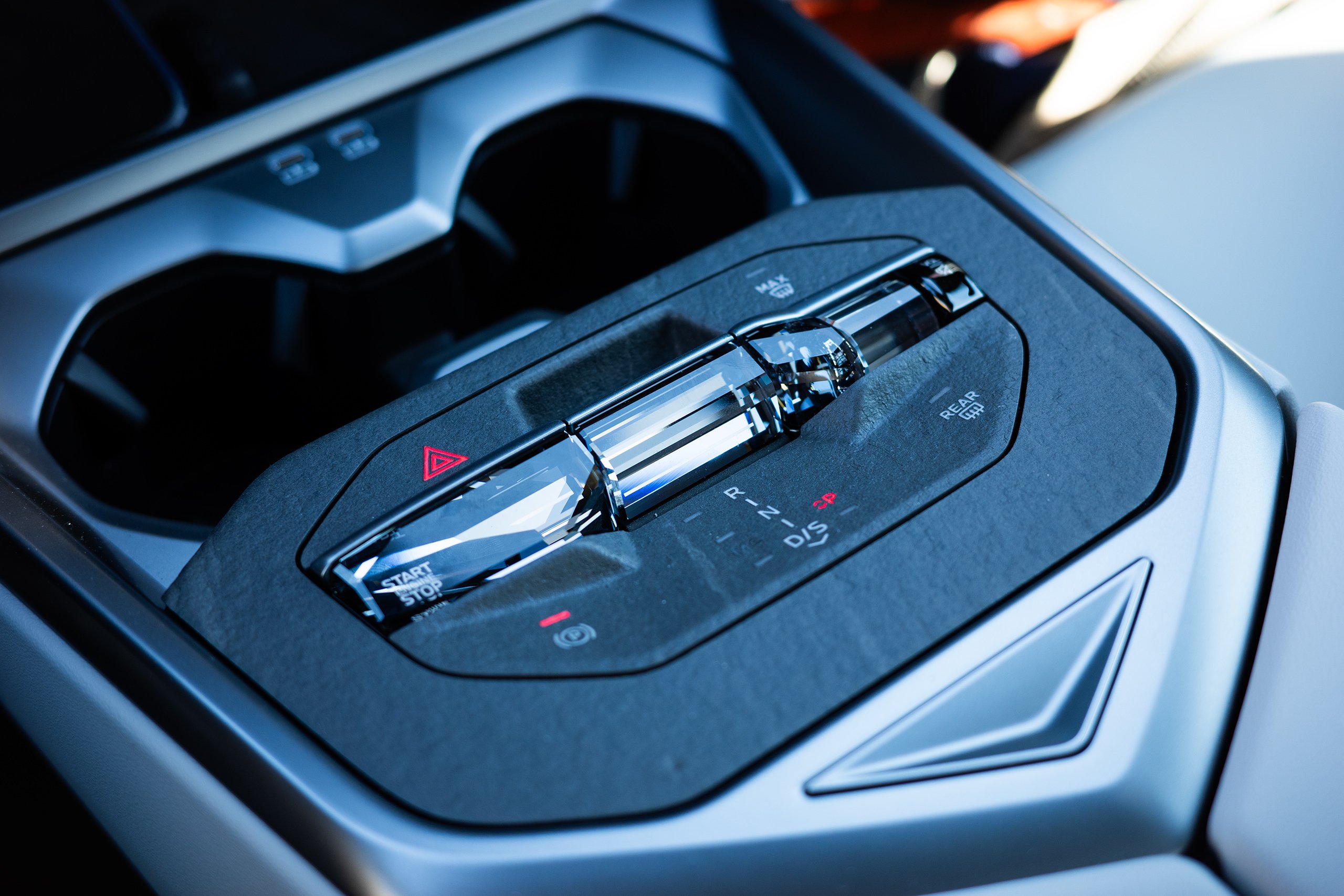
The materials are first-rate, from the suede-lined dash to the faux-aluminum trim, meticulously backlit to create the illusion that the nearby crystalline door controls are filtering and casting light rays onto it. It’s all great, but my favorite part is the slate slab past the center console, where you’ll find the shifter and associated drive controls. BMW says it’s the first application of slate in an automotive interior, and off the top of my head, I can’t argue with that. It looks good and feels nice to the touch.
As for the driving experience, the gas X5 is comfortable and confident as you’d expect, but it doesn’t lend itself well to being hustled. Believe it or not, I found the iX5 a more willing partner in the canyons, even with its added weight; if I had to guess why, I’d chalk it up to the lower center of gravity.
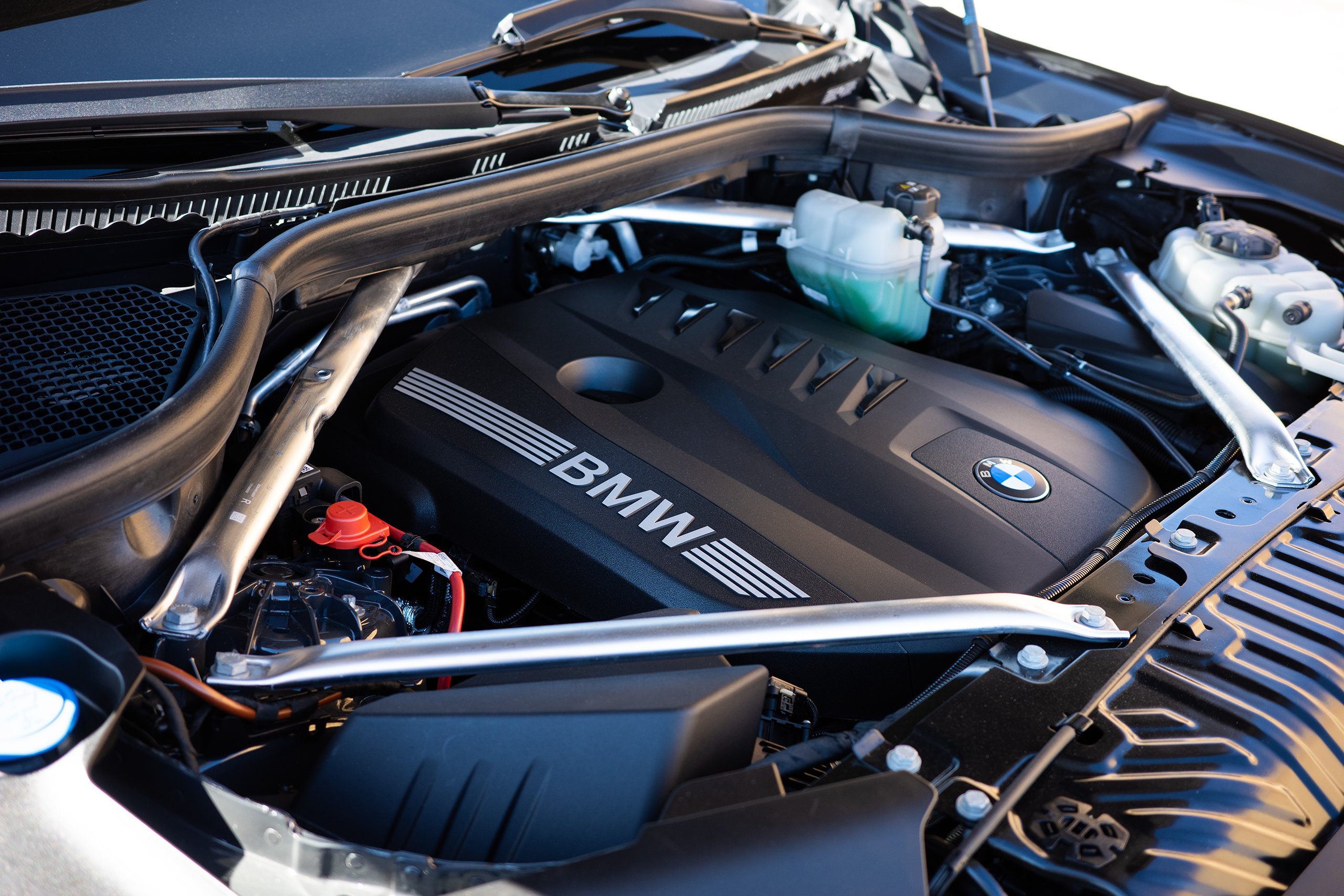
Even the most aggressive Sport mode the X5 40 offers isn’t engineered to significantly firm up the ride and stamp out roll. If that’s what you’re looking for, I’d wait for the inevitable M variant. Sturdy and smooth though the B58 is, it keeps a mild-mannered profile for base X5 duty; even the electric model feels louder at times.
Overall, the story of the fifth-gen X5, at least at launch, is how seamlessly BMW has equated the ICE and electric experiences. These vehicles share the same design, inside and out, with comparable sensations behind the wheel, and an equivalent throughline of tech, whether you welcome it or not. On one hand, I could see the habitual X5 buyer feeling a little threatened by this SUV’s more progressive aspects; on the other, you couldn’t ask for a better shepherd for someone on the fence about going electric, since they match up in pretty much every other way.
BMW provided The Drive with travel and accommodations, along with the use of a vehicle for the purpose of writing this review.
2027 BMW X5 40 xDrive Specs
| Base Price (as tested) | $73,550 ($83,700) |
| Powertrain | 3.0-liter turbocharged inline-six with 48-volt mild hybrid system | 8-speed automatic | all-wheel drive |
| Horsepower | 394 @ 5,200-6,500 rpm |
| Torque | 428 lb-ft @ 1,980-5,000 rpm |
| Seating Capacity | 5 |
| Cargo Volume | 27.3-67.7 cu. ft. |
| Curb Weight | 5,213 pounds |
| 0-60 mph | 5.1 seconds |
| Top Speed | 130 mph (electronically limited) |
| Fuel Economy (preliminary) | 24 mpg city | 28 mpg highway | 26 mpg combined |
| Score | 7.5/10 |

Quick Take
Though not as dynamic as its EV counterpart, the all-new BMW X5 successfully melds a smooth, reliable inline-six with a design that’s futuristic, yet surprisingly thoughtful.
Got a tip? Email us at tips@thedrive.com
Loading comments…
Comments couldn’t be loaded. Please refresh the page.