
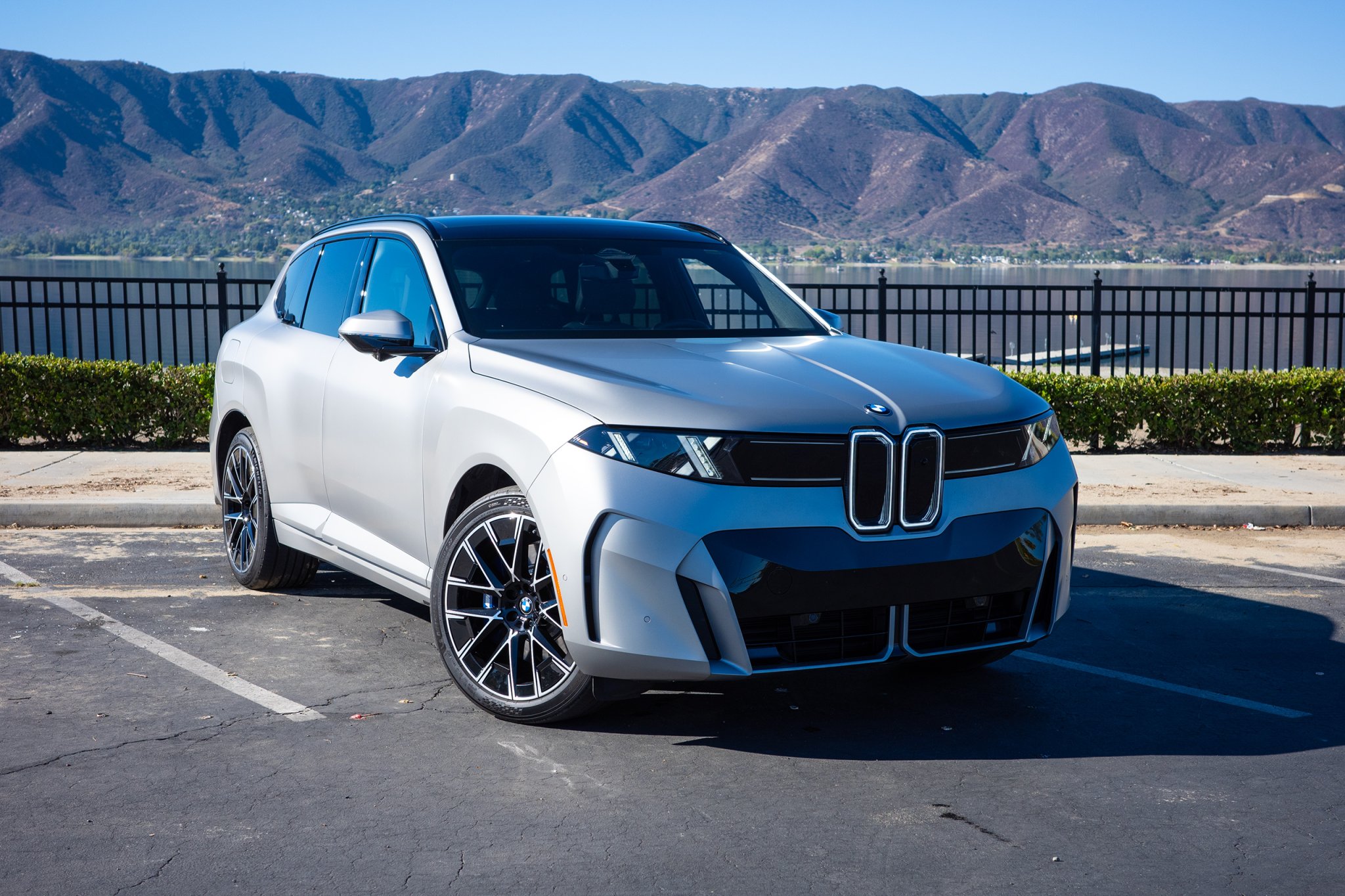
Range anxiety isn’t just about running out of juice in the middle of nowhere in Nevada; it’s about dreading having to stop and wait, even when a charger’s right there. Fortunately, automakers are finally getting close to a point where the latter shouldn’t be a concern, and the 2027 BMW iX5 is evidence of that. With an estimated 435 miles of range on a full charge, according to the company (though BMW says it managed 500 in one real-world test), it’s as stout a long-distance runner as EVs get today. How did they do it?
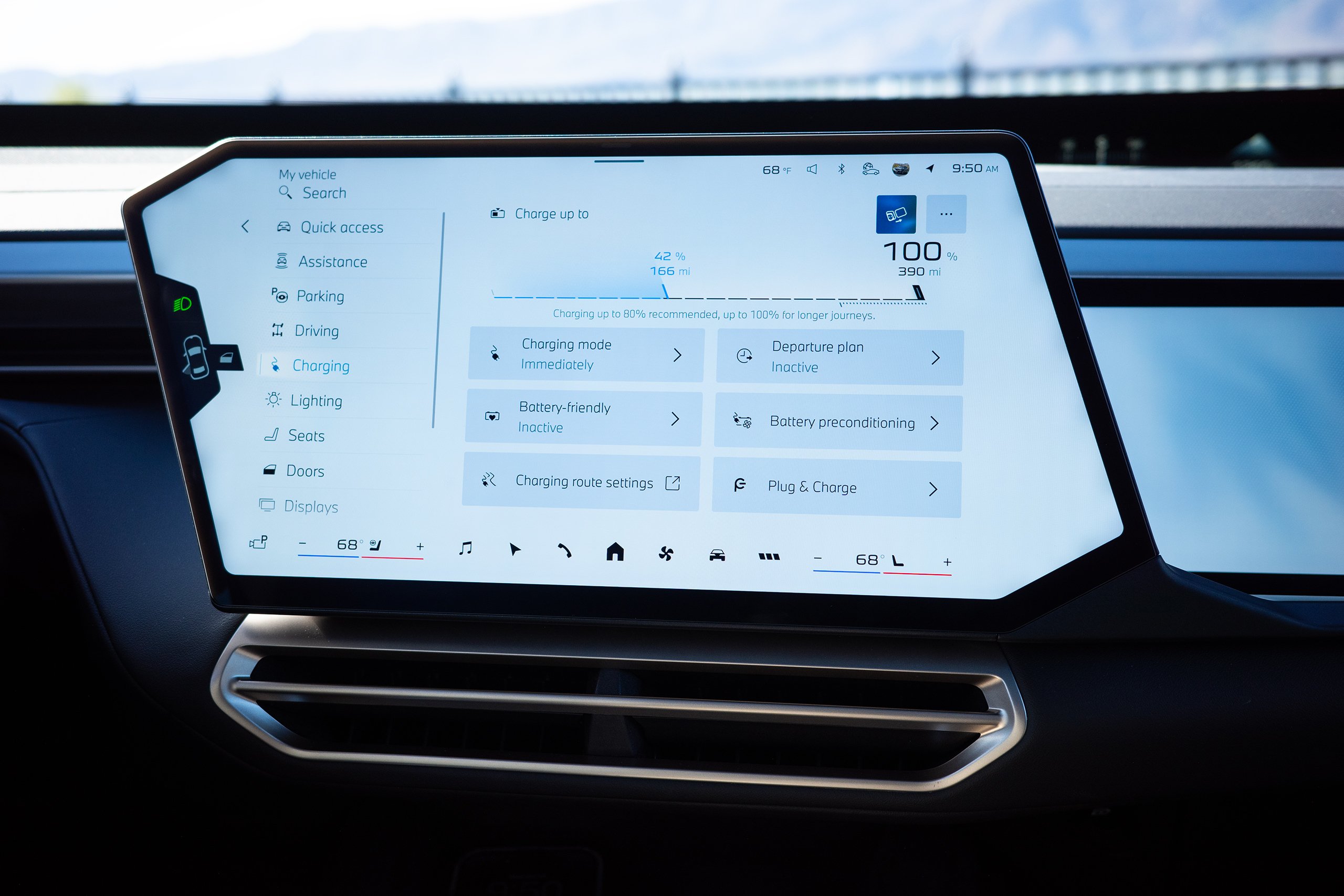
BMW will tell you that the iX5’s Gen6 battery, which packs cells 20% denser than its predecessor, plus the SUV’s slippery drag coefficient of 0.28, show how its engineers optimized this thing to within an inch of its life. The new 800-volt electrical platform allows for up to 460 kW of peak charging throughput—not sustained, though it doesn’t have to be. The battery can jump from 10% to 80% state of charge in just 22 minutes. And 10 minutes of charge time within that window can give you back up to 170 miles. Those are real figures we observed in real time.
That’s all very impressive. But the other reason that the iX5 thwarts charge stops is simple: It has a huge battery. I’m talking really big—like 144-kWh big.
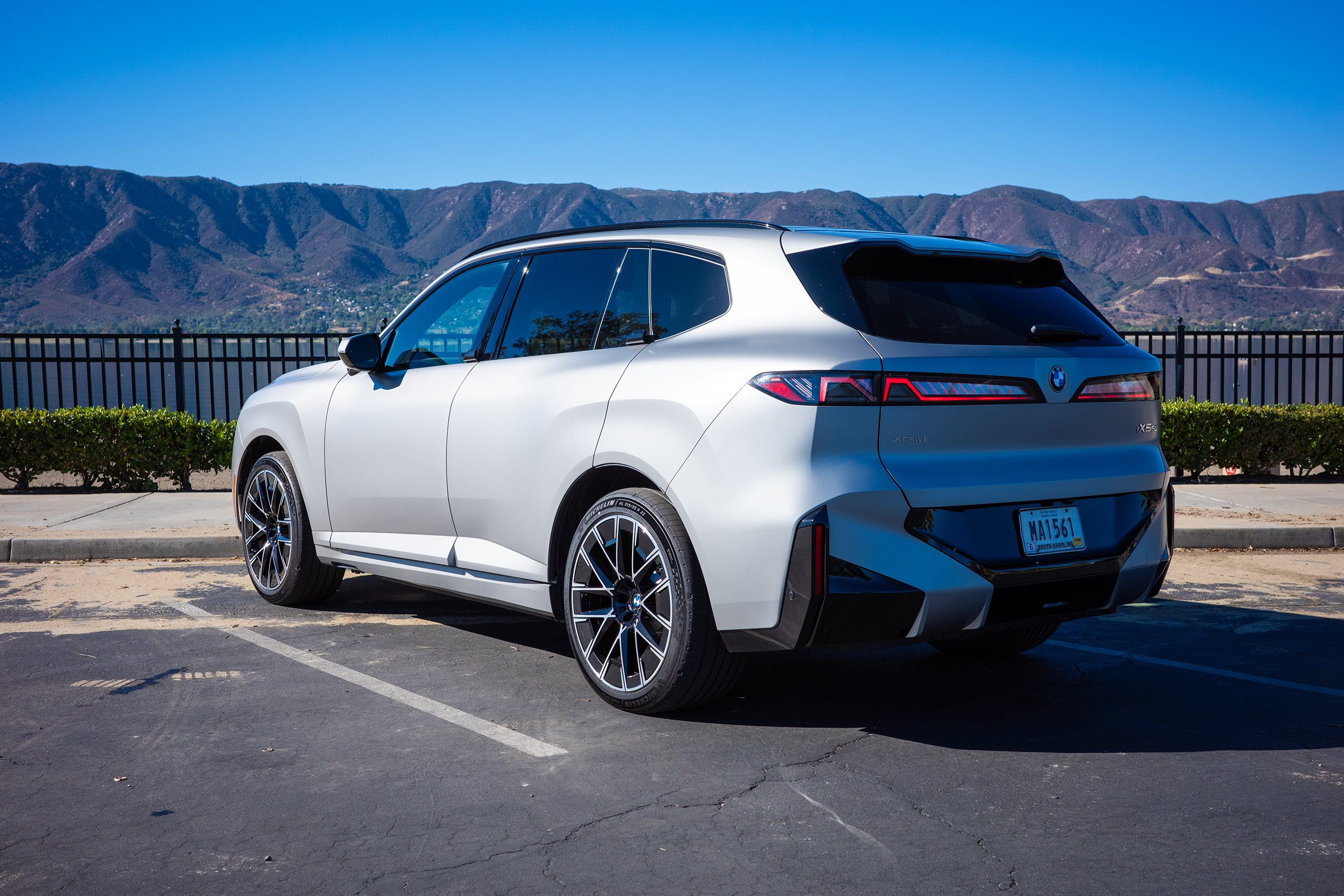
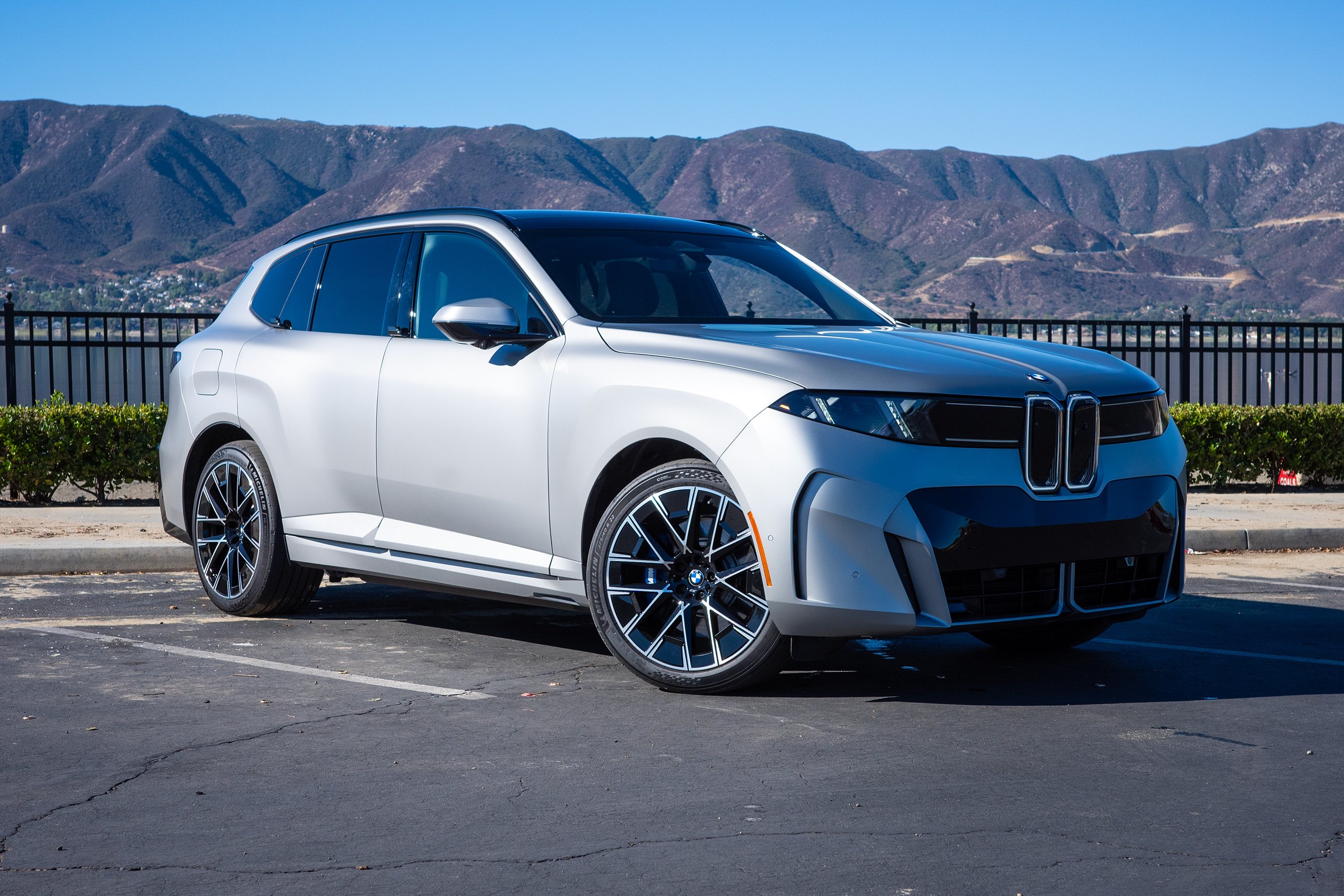
When it launches next year, that will be the only battery on offer; lower capacities may eventually arrive, but BMW is still weighing them out. The first iX5 will be the iX5 60 xDrive, with 579 horsepower across its front and rear axles and 593 lb-ft of torque. Curb weight stands under 6,400 pounds, about 1,200 pounds more than the B58-toting, mild-hybrid X5 40 xDrive. The all-electric model will cost $81,250 delivered, $7,700 more than the equivalent all-wheel-drive, gas-burning version.
So, yes—this is a big vehicle in every dimension. If you want to know how it stacks up against that gas model, lucky for you, I drove that one as well out in Los Angeles. Believe it or not, though, while I support the B58 in any context, the electric X5 might actually be the better option this time around.
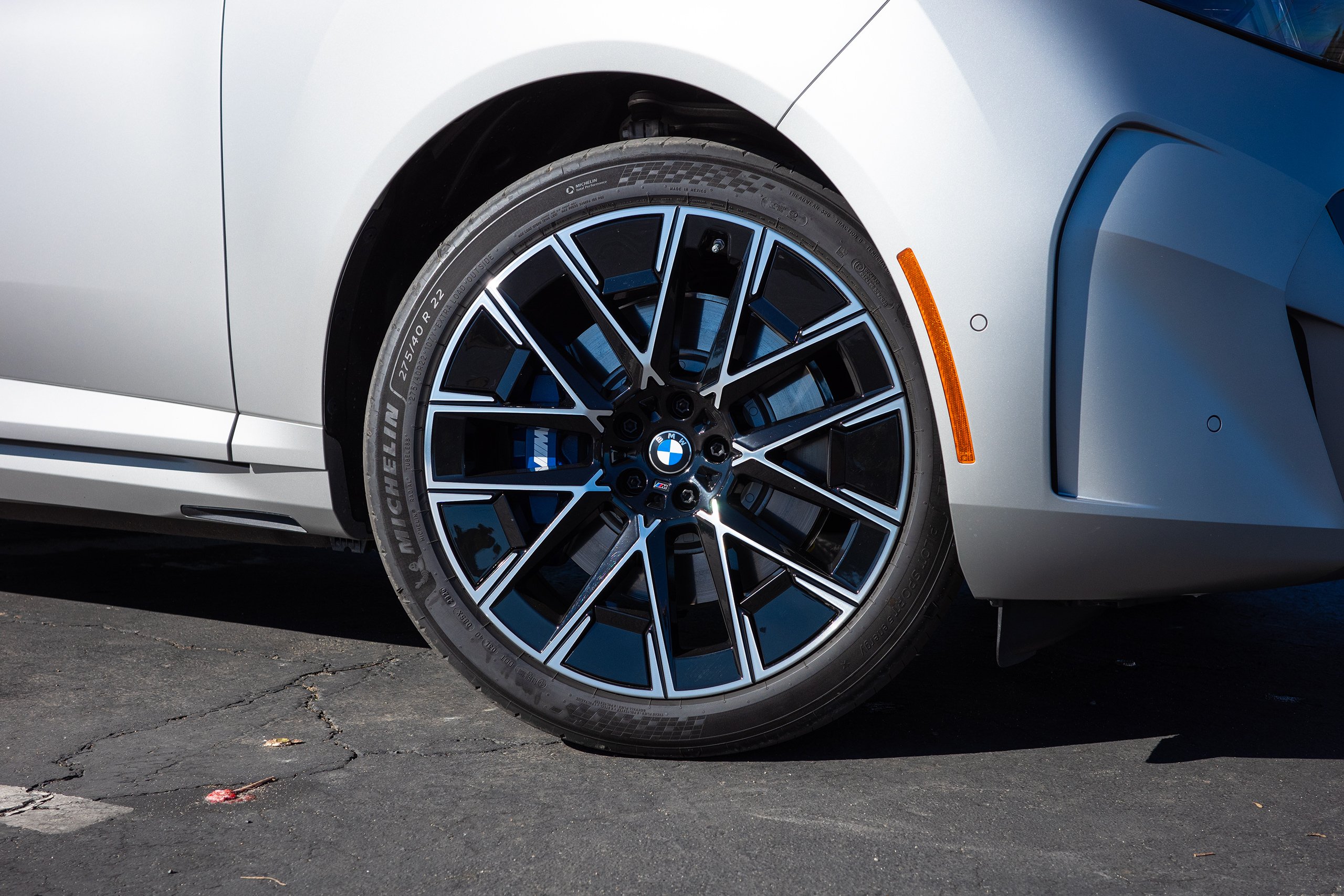
From a driving perspective, it’s more performant in normal situations—i.e., low-speed acceleration, owing to all that electric torque. And that deep center of gravity, coupled with the damping adjustments BMW made to accommodate it, actually helps the SUV ride a little softer and flatter and feel less out of its depth in the corners.
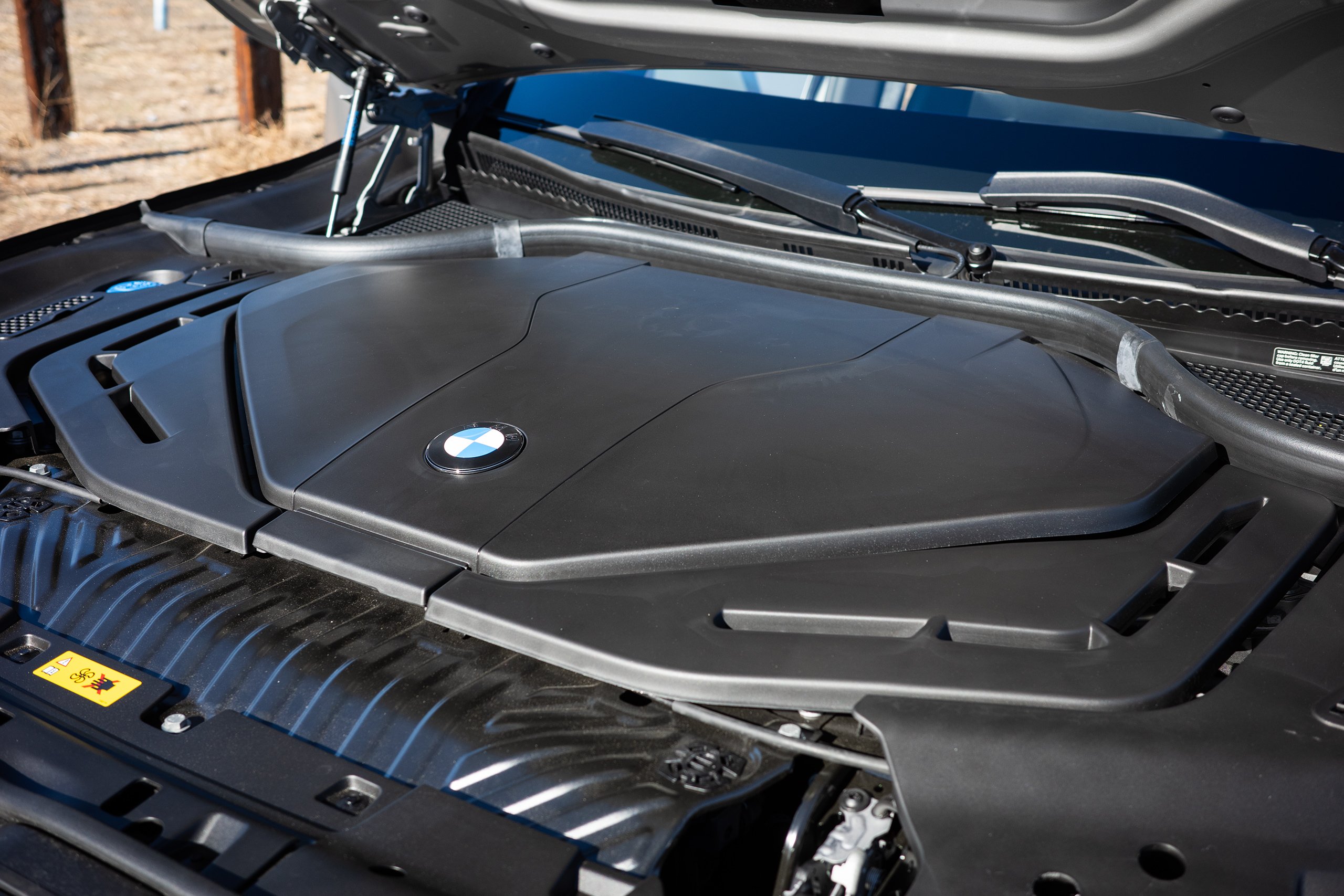
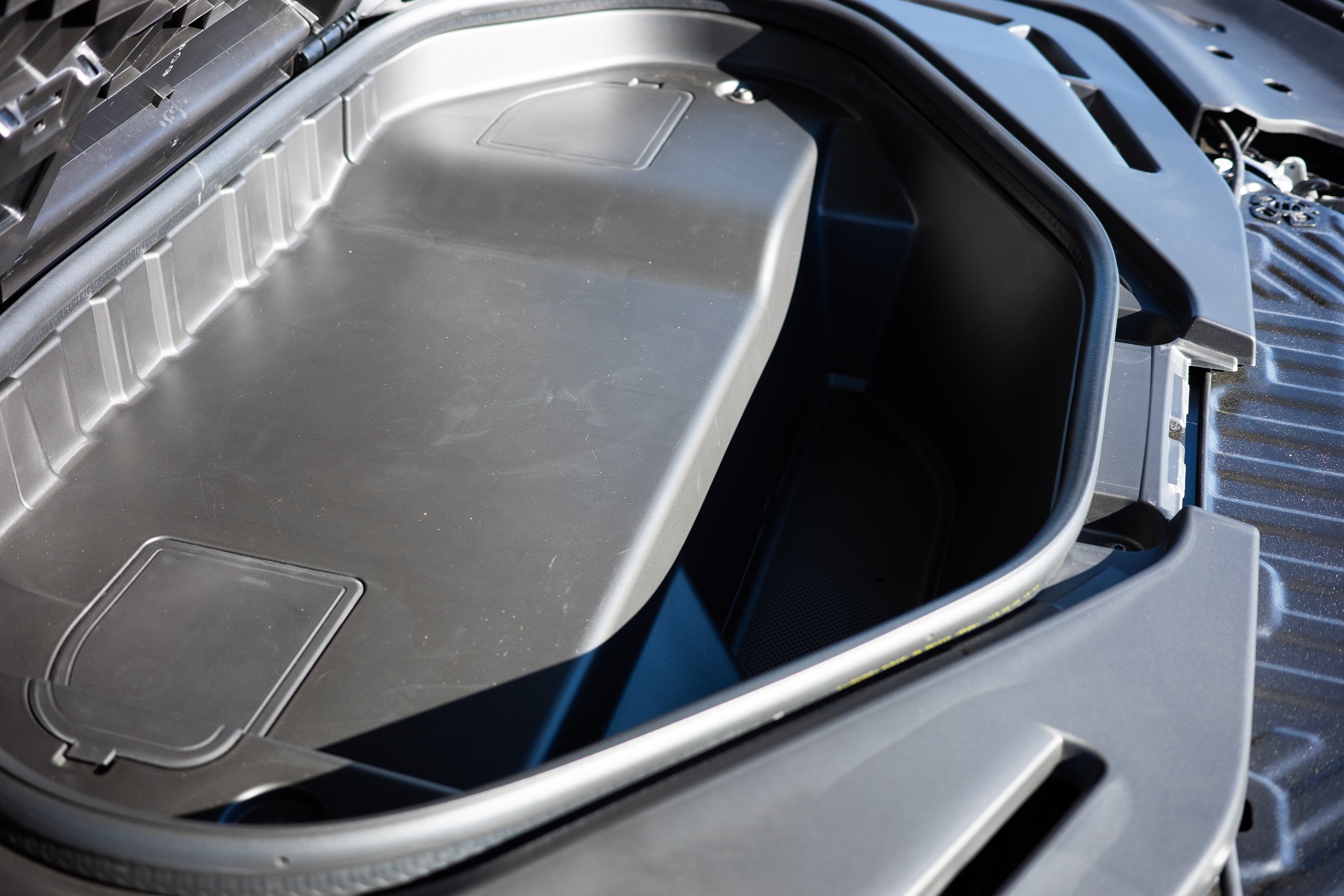
Make of this what you will, but this fifth-gen X5 feels most comfortable in its own skin as an EV. Chief Engineer Michael Ahlers even made sure that it retained a frunk, which is impressive, considering that most multi-energy vehicles (and even some rather disappointing battery-only ones) skip that convenience. Ahlers told me this was non-negotiable; he was adamant the iX5 needed a frunk from the start of development, and his team made it happen. It’s not a very big one, but then, frunks don’t have to be cavernous to be useful.
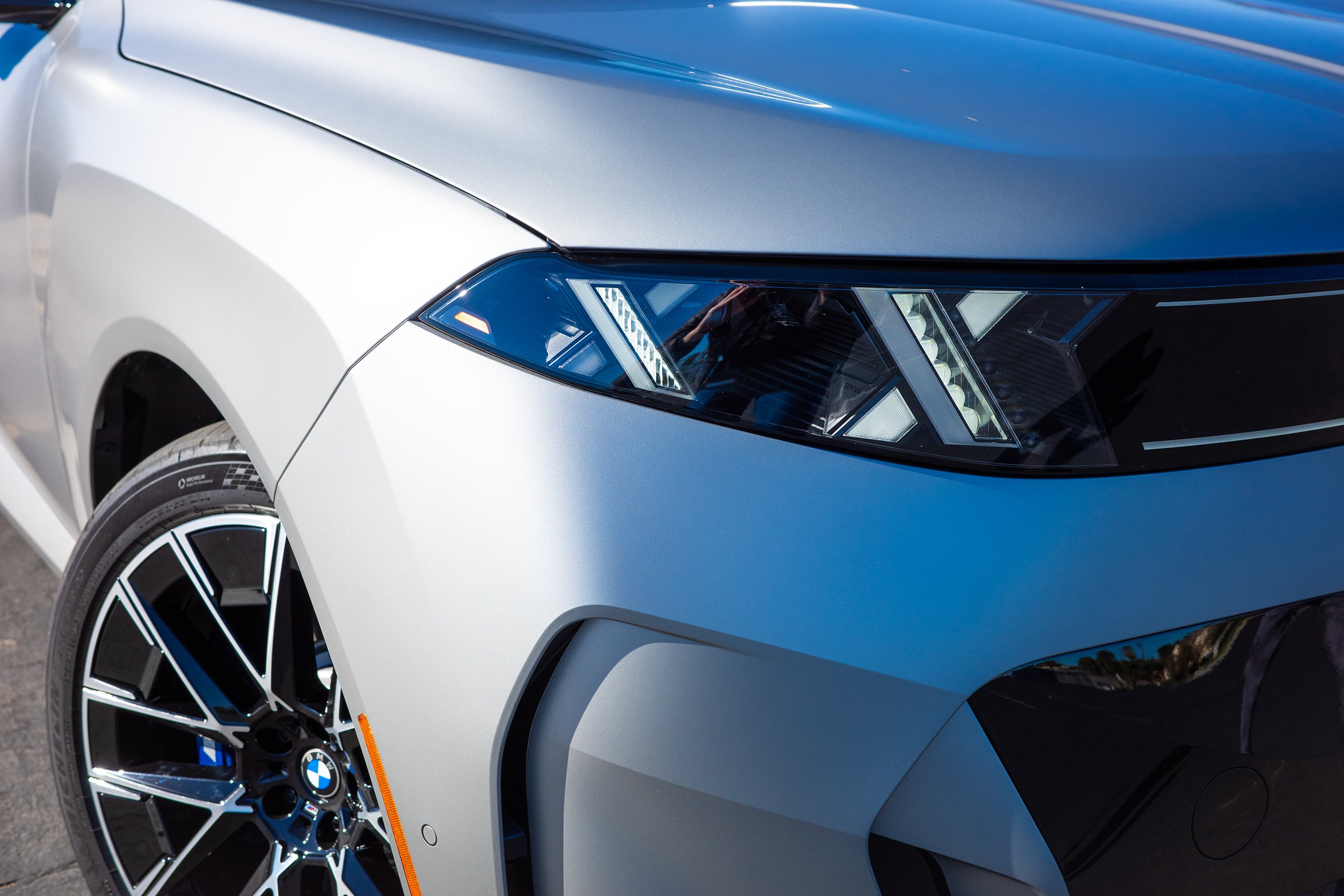
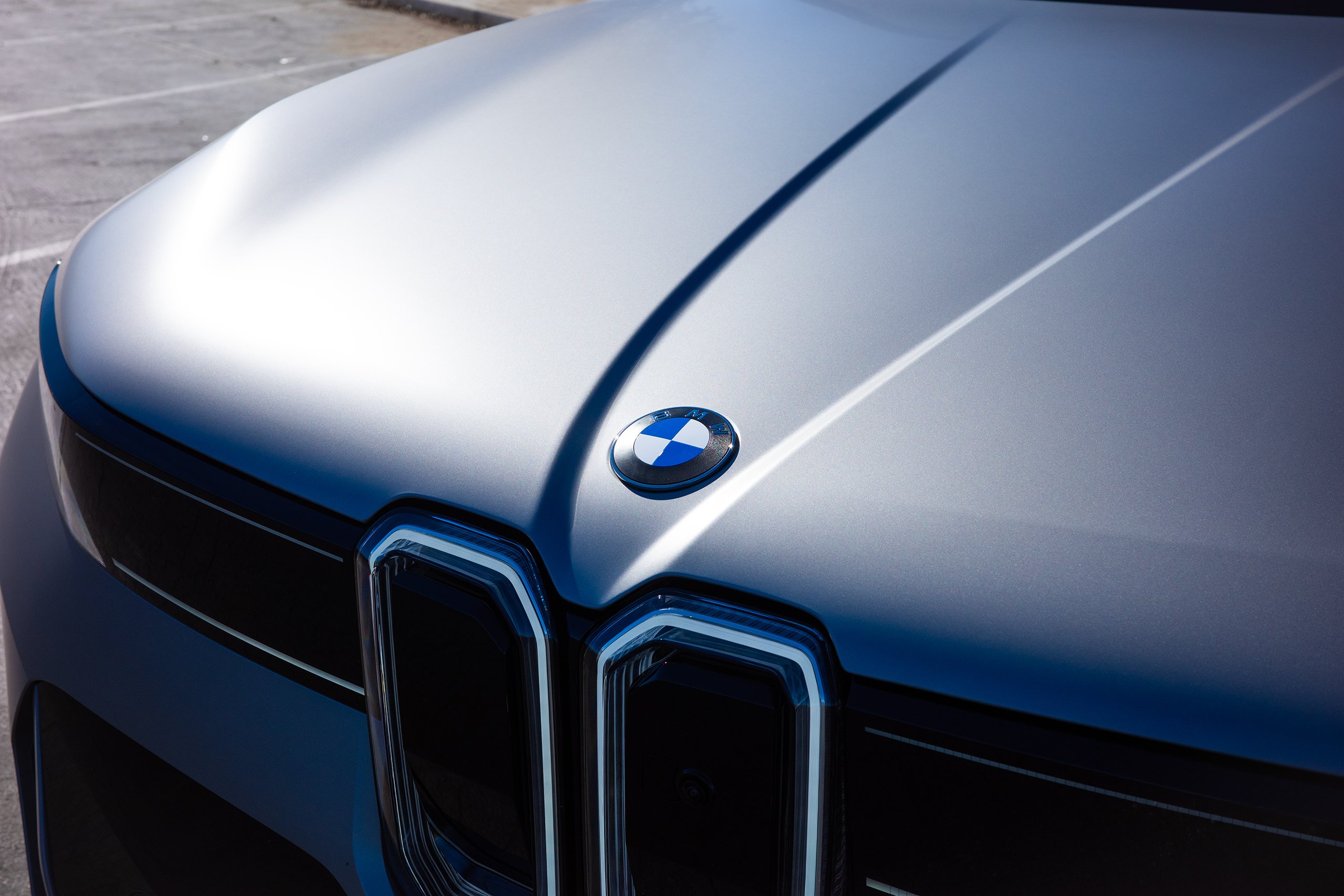
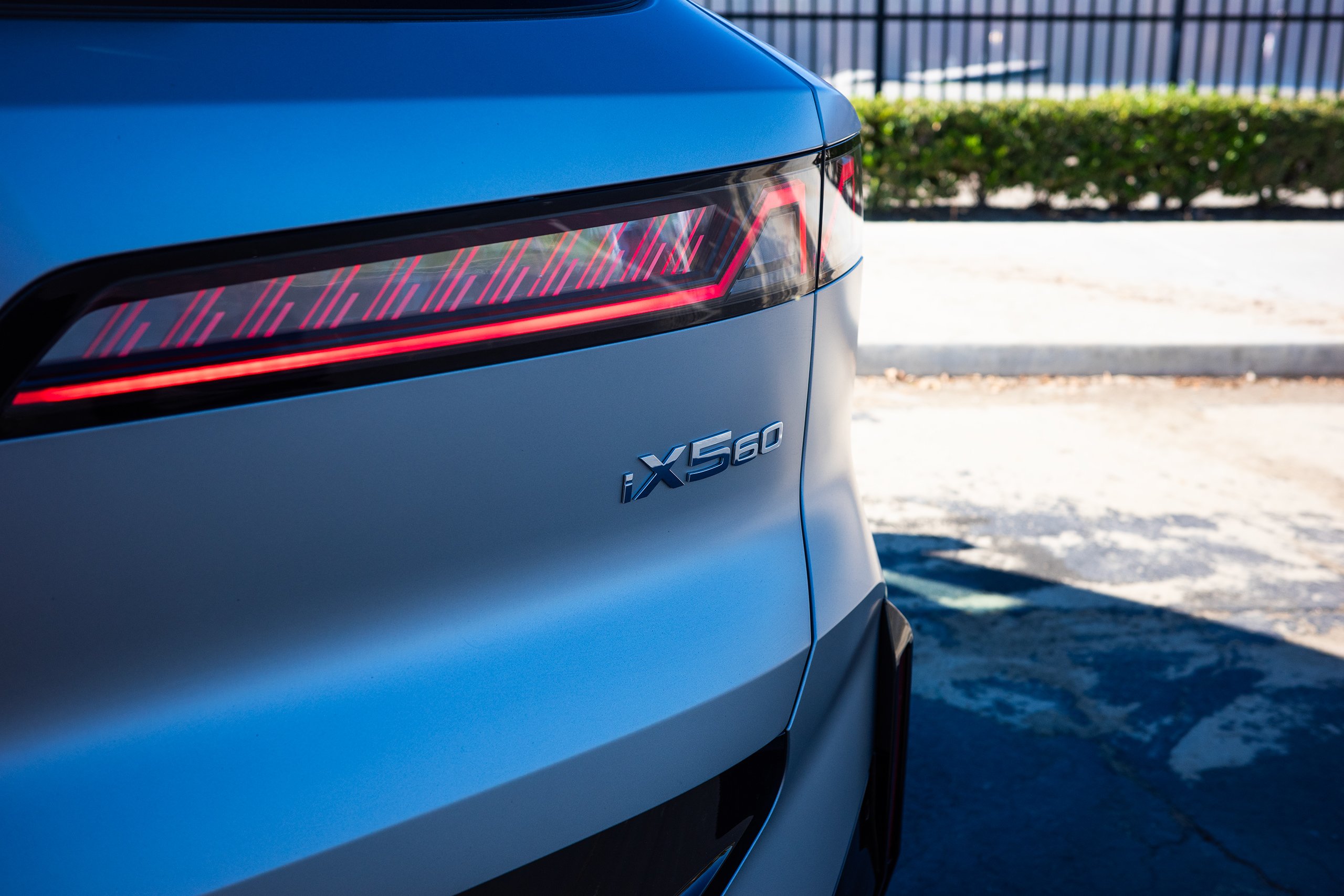
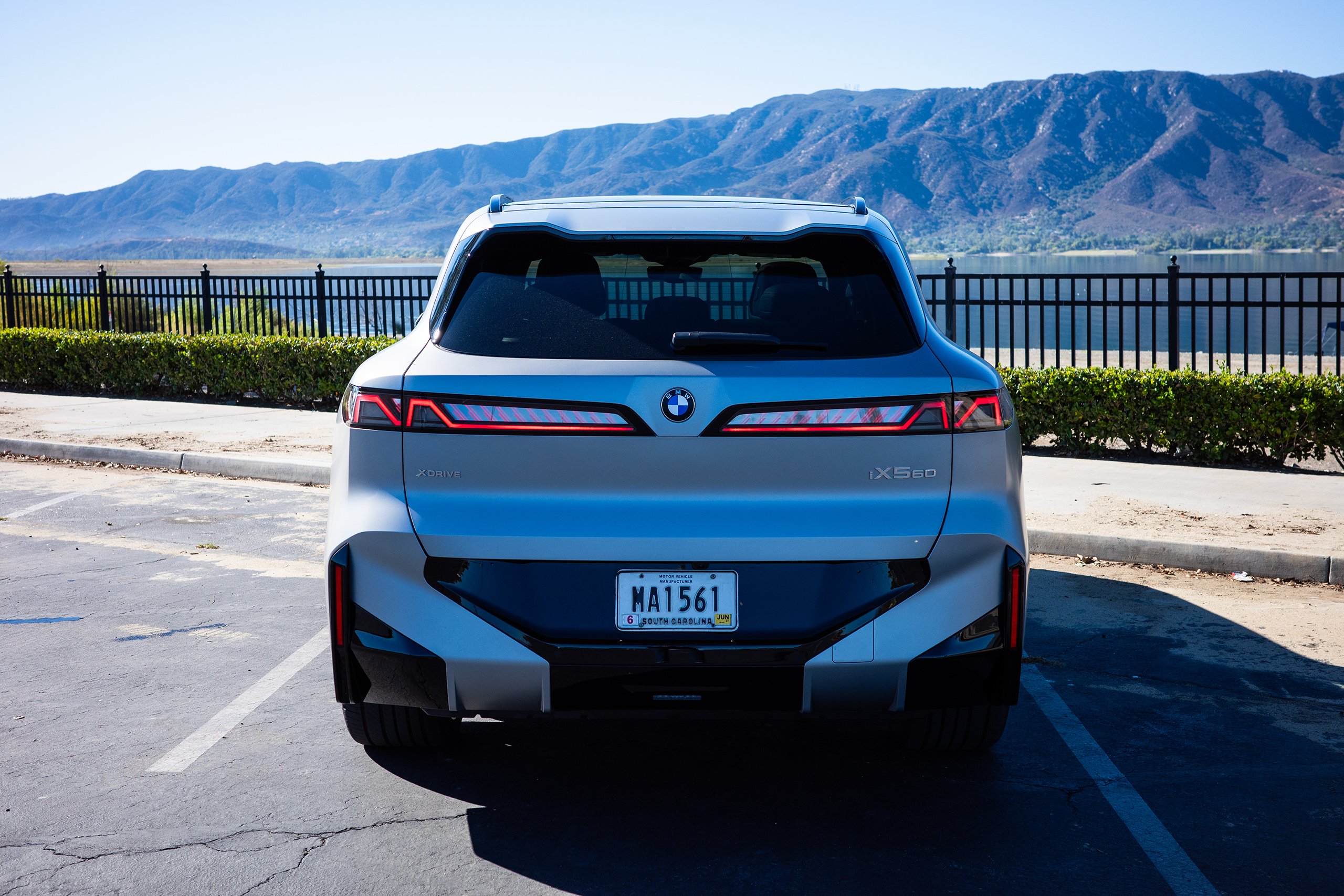
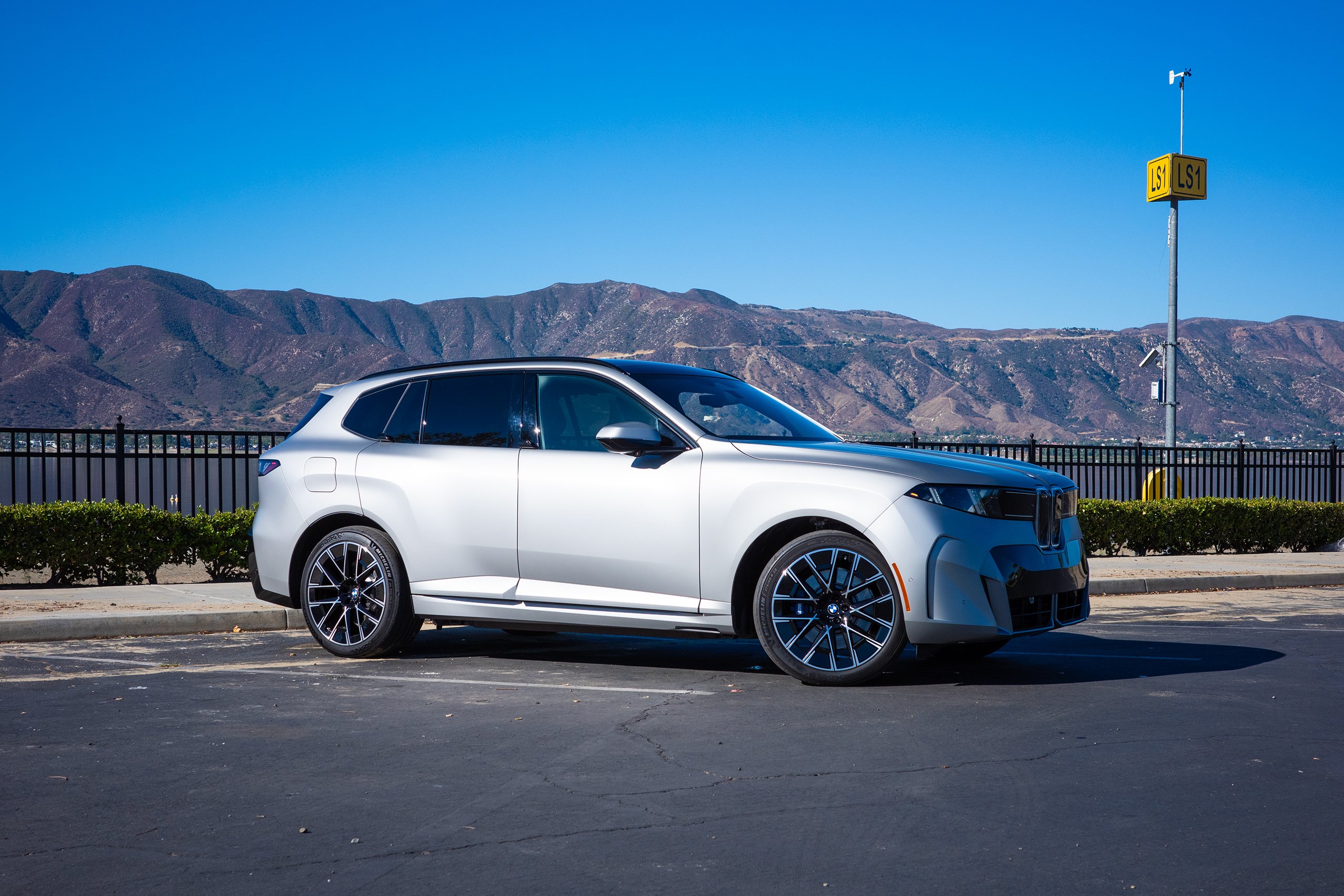
Beyond the powertrain, the iX5 obviously brings BMW’s Neue Klasse design language to its midsize SUV. It does this moderately well, while still retaining the monolithic, slab-sided volume you’d expect from a modern BMW. In person, it doesn’t come off as much of a departure as it might seem—it kinda just feels like a new face on an old brick, stylistically—but it is a step away from the ridiculous maws of the brand’s recent history.
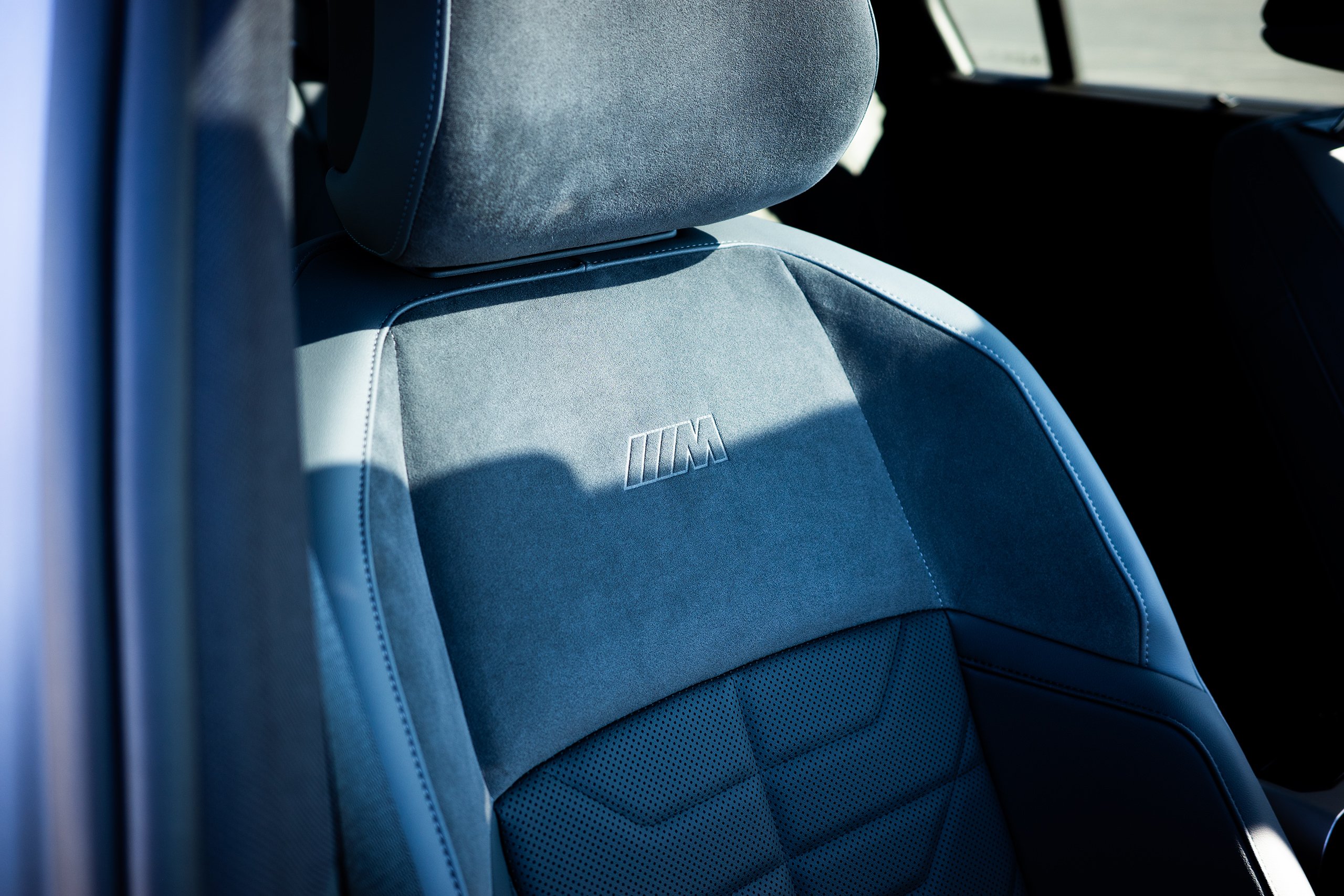
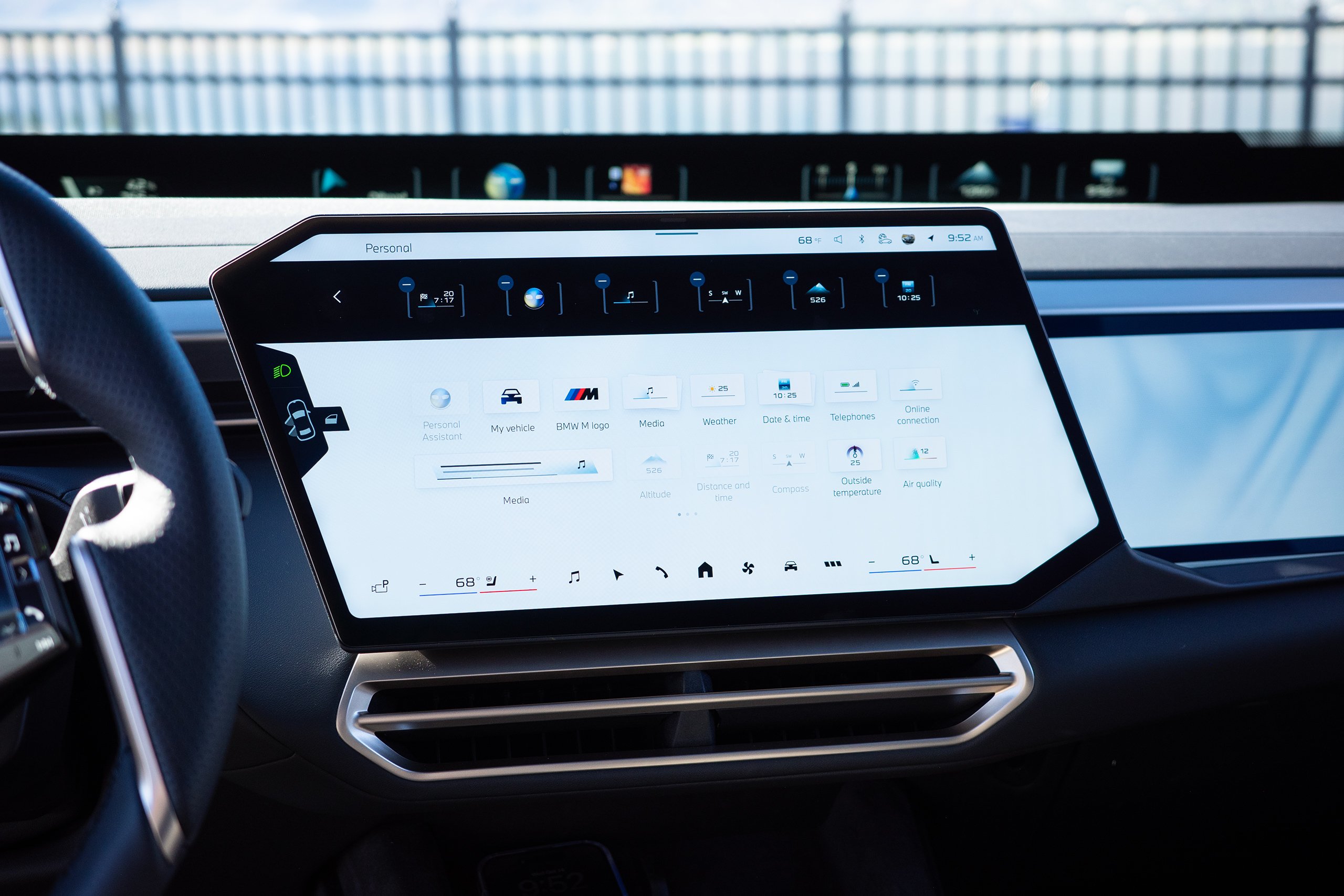
Inside, the iX5 and its fuel-swilling counterpart are pretty much identical, save for the presence of an engine start button on the latter. I know it looks spartan and threatening with its almost total lack of physical buttons, but the center screen UI is easy to get around, and there still are real inputs for some critical functions, like seat and door controls, as well as haptics on the steering wheel that provide that much-needed kick of physical feedback.
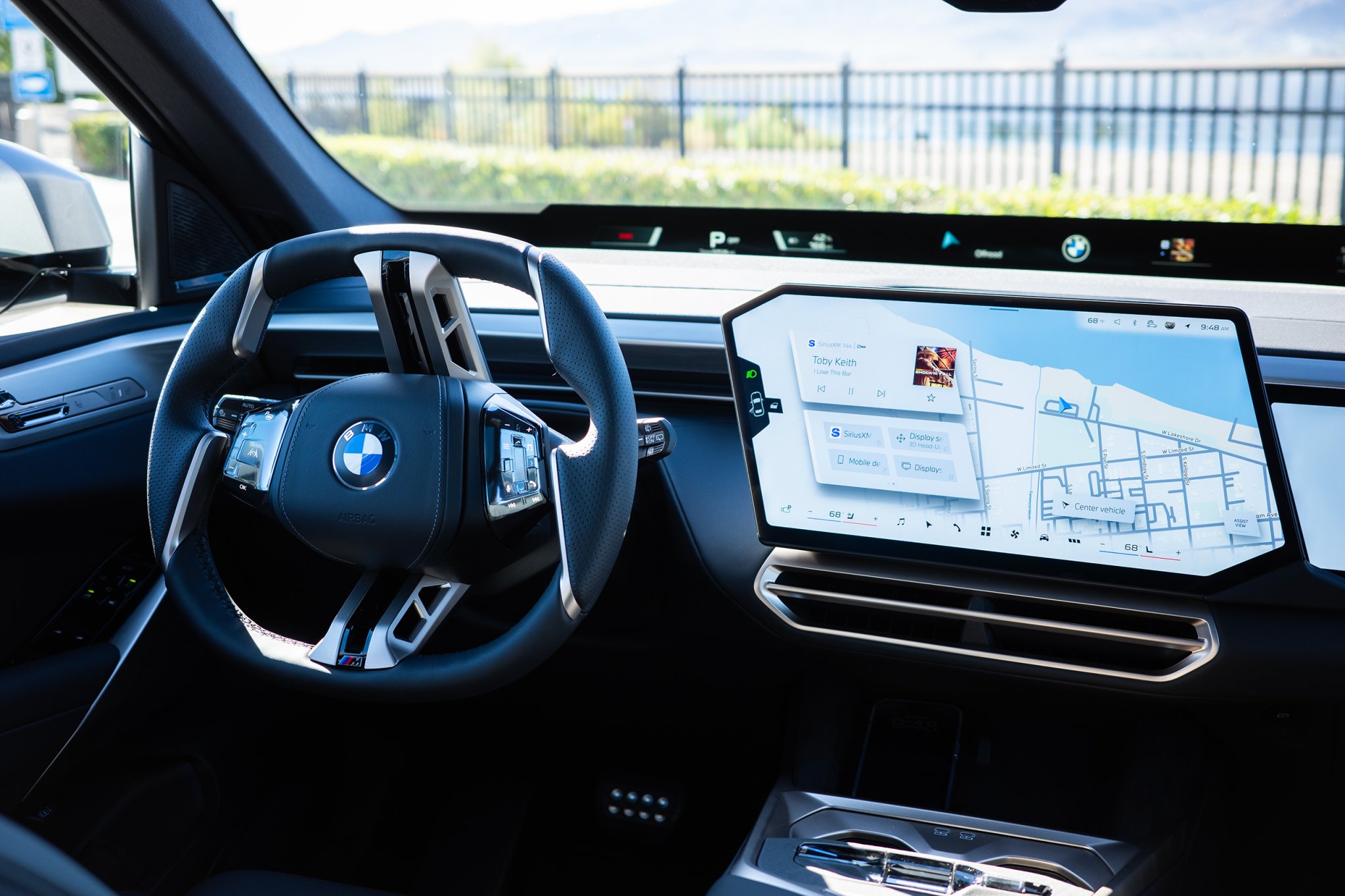
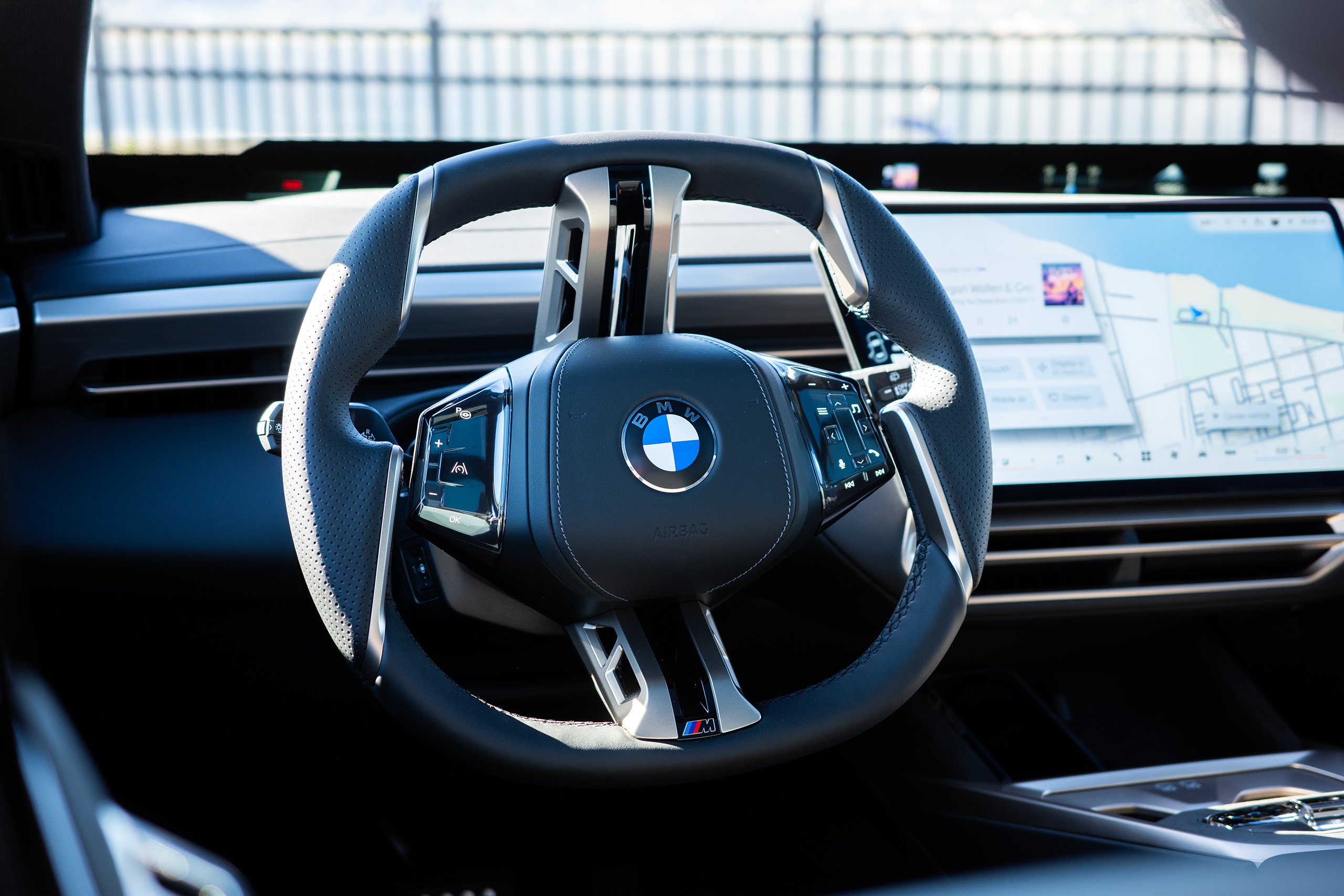
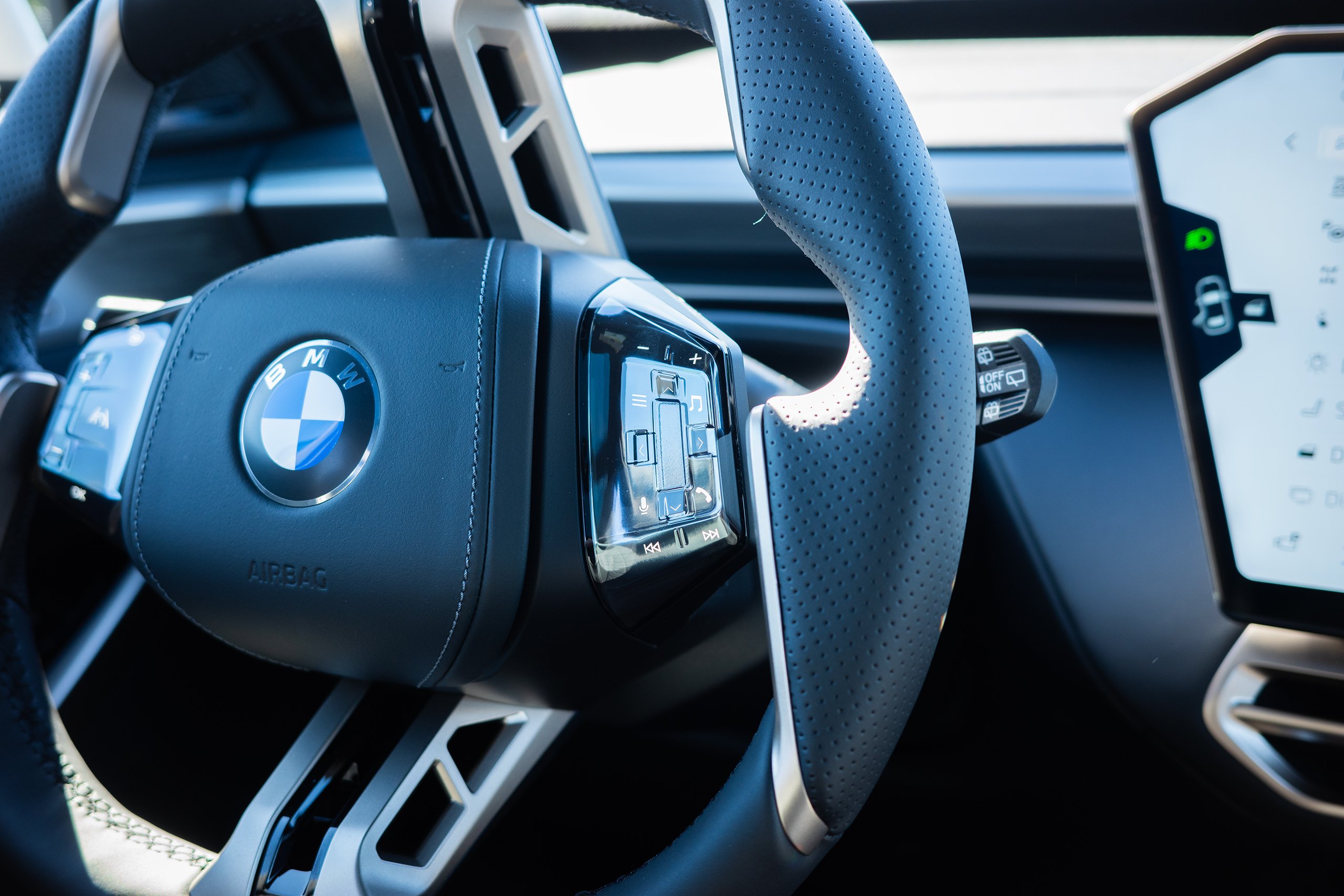
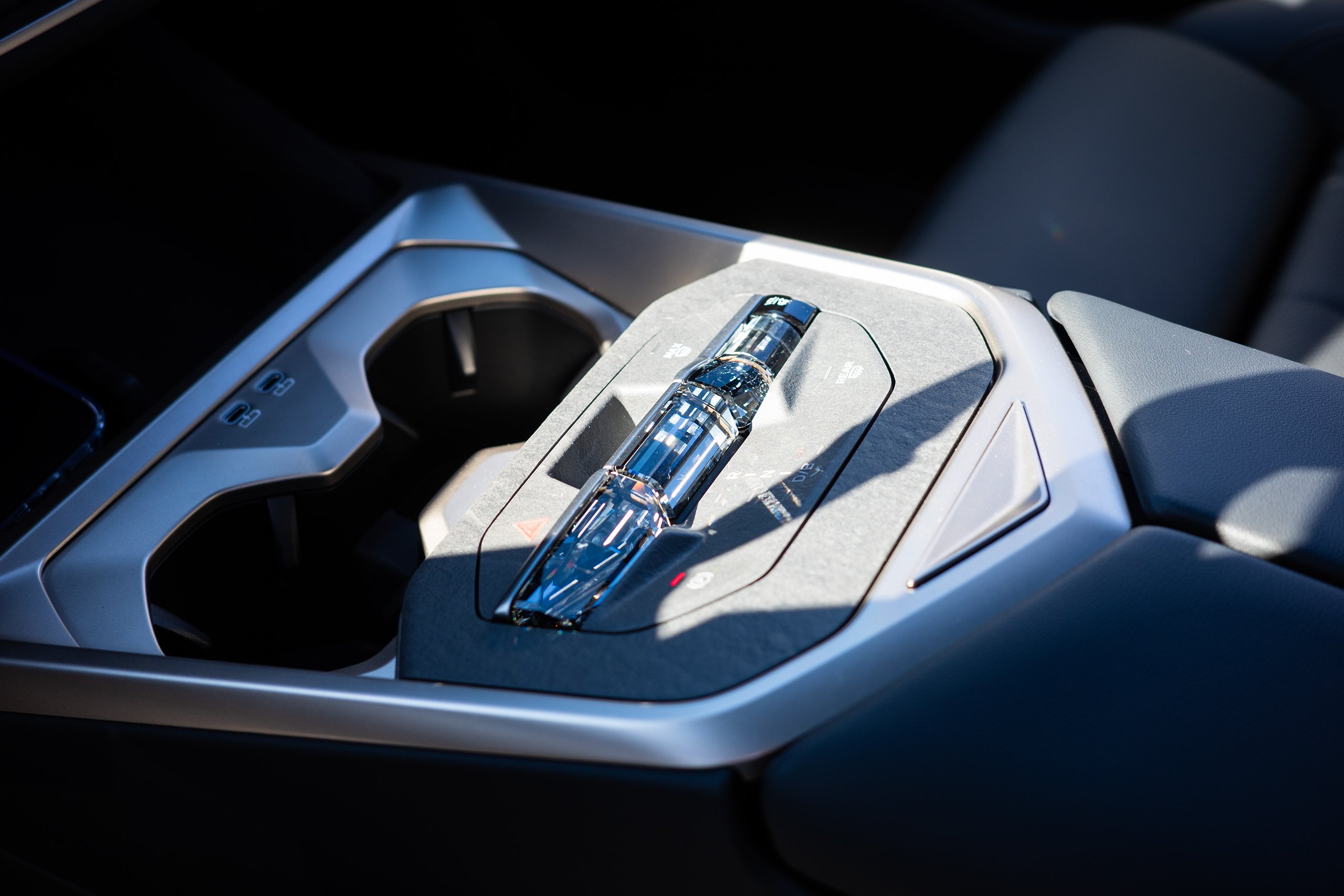
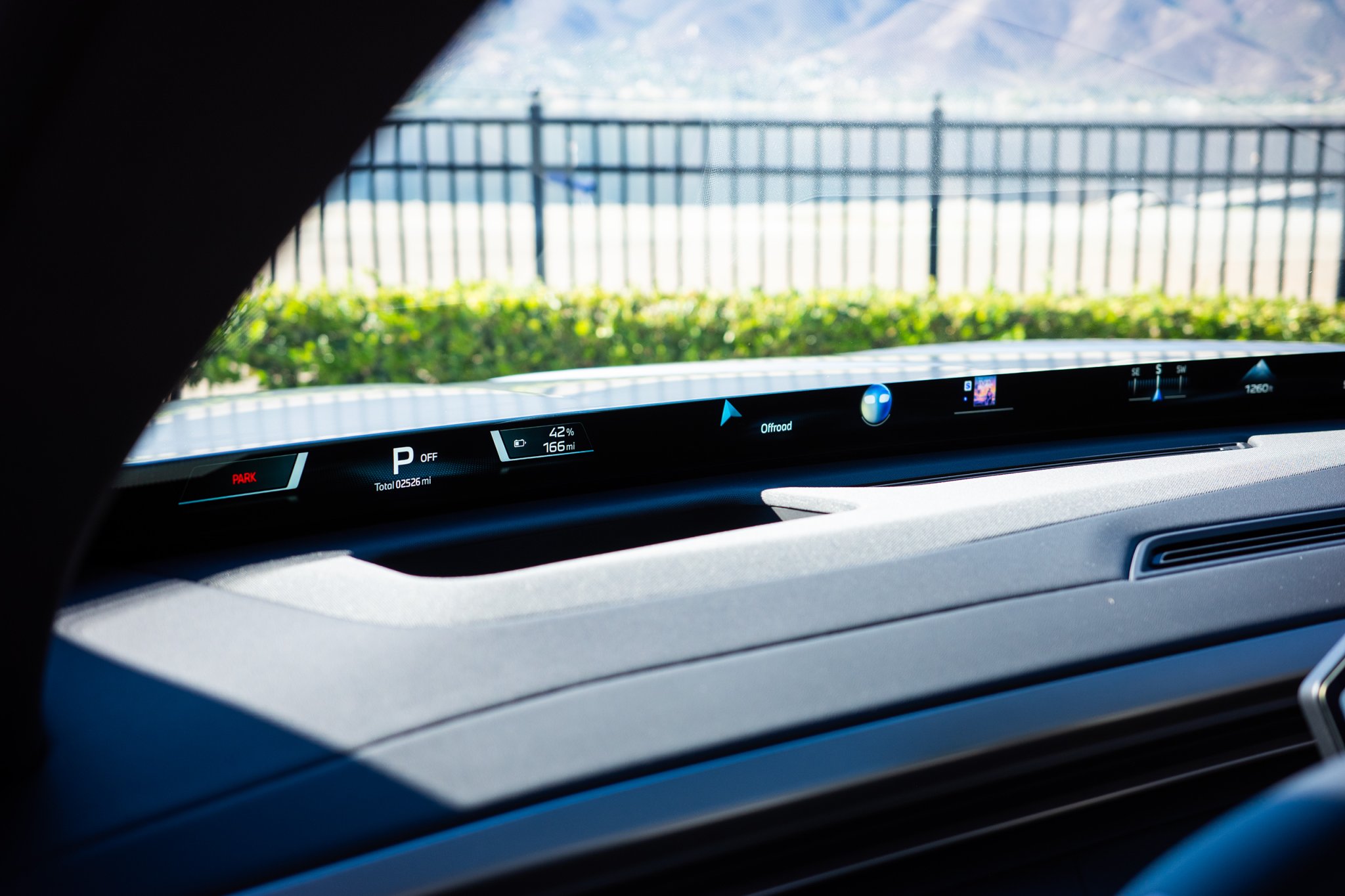
I especially like that BMW’s Level 2 highway driving assistance system, which allows hands-off autonomy, can be triggered with a single button press on the left side of the wheel; you don’t have to pull 14 figurative levers to arm self-driving in this thing. Meanwhile, the car’s smart enough to light icons only for ADAS functions available at the moment.
At over $80,000, the iX5 isn’t cheap, but its incredible longevity could present room for a less-expensive version with a smaller battery pack that charges even faster, if BMW sees the market for it. That’s the key, and while many Americans will surely swing for the B58 and call it a day—and I can’t blame them, honestly—don’t count out the all-electric flavor. By building very similar vehicles with two very different powertrains, BMW deliberately or accidentally made a compelling argument that some cars might be better served without an engine.
BMW provided The Drive with travel and accommodations, along with the use of a vehicle for the purpose of writing this review.
2027 BMW iX5 60 xDrive Specs
| Base Price | $81,250 |
| Powertrain | Dual-motor all-wheel drive | two-stage single-speed transmission | 144-kWh lithium-ion battery with 800-volt architecture |
| Horsepower | 579 |
| Torque | 593 lb-ft |
| Seating Capacity | 5 |
| Cargo Volume | 23.1-65.3 cu. ft. | 1.87 cu. ft. in front trunk |
| Curb Weight | 6,347 pounds |
| 0-60 mph | 4.6 seconds |
| Top Speed | 130 mph (electronically limited) |
| Max Range (preliminary) | 435 miles |
| Max Charging Speed | 460 kW peak DC fast-charging | 10%-80% in 22 minutes (ideal) |
| Score | 8/10 |

Quick Take
The BMW iX5’s game-changing range and charging speed headline an electric SUV with strong dynamics, a refreshing design, and a thoughtful—if somewhat alien—interior.
Got a tip? Email us at tips@thedrive.com
Loading comments…
Comments couldn’t be loaded. Please refresh the page.