
Key Takeaways
- Jeep Recon: Trail Rated EV. First ‘ordinary’ electric Jeep with 670 hp, priced at $66,995.
- Delayed launch and platform issues. Announced in 2022, finally going on sale in 2026.
- Off-road capabilities highlighted. Features include armored underbody, waterproofing, and electronic locking differential.
- Mixed on-road performance. Quick acceleration but lacks stability and refinement.
Bottom line: The 2026 Jeep Recon offers the off-road features you come to expect from a Trail-Rated badge, but struggles with on-road performance and value for its price.
AI assisted, editor reviewed
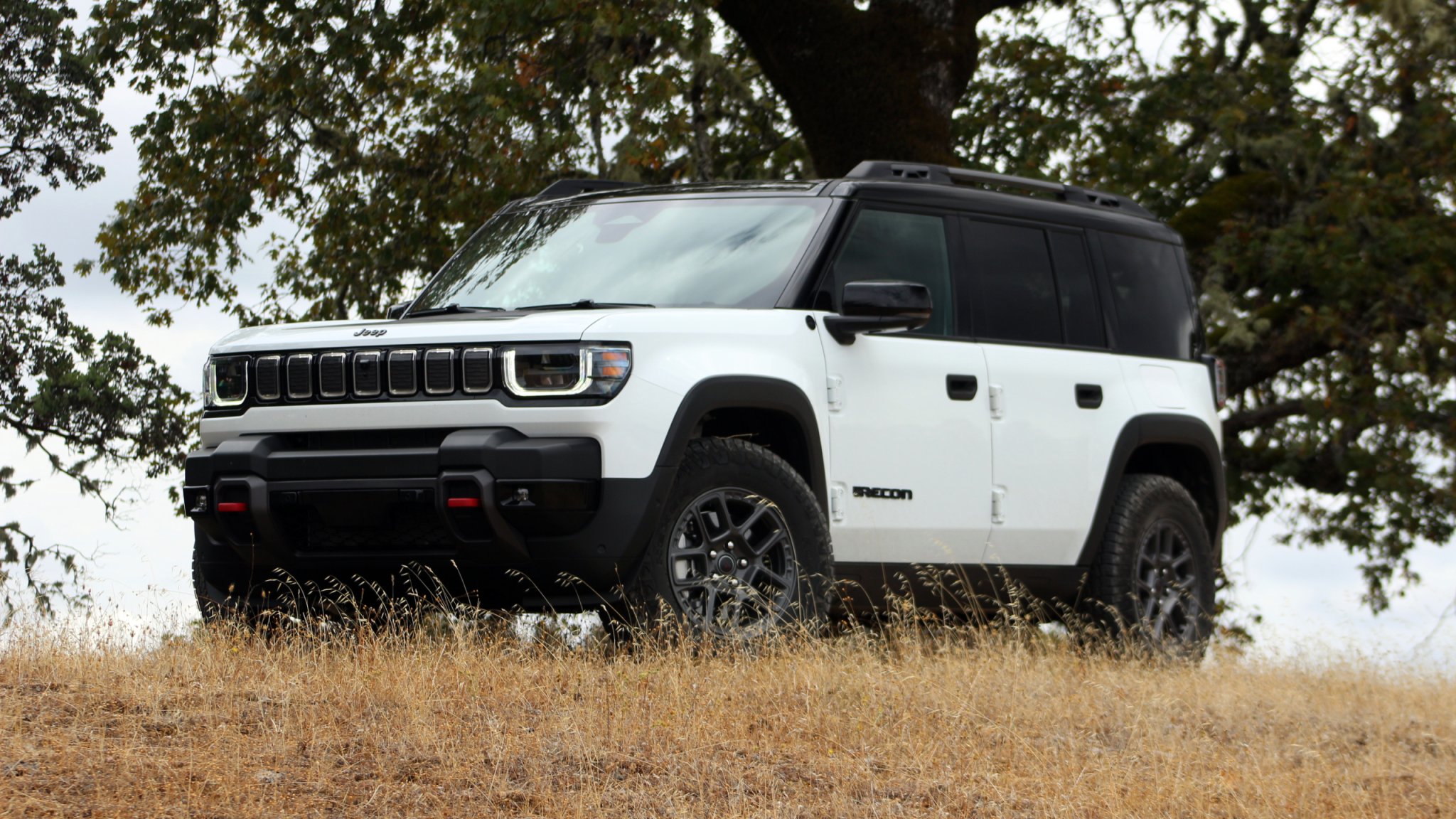
The 2026 Jeep Recon isn’t Jeep’s first EV, but it is the first to be “Trail Rated.” Jeep doesn’t offer the luxury-oriented Wagoneer S EV in an off-road trim, and the same is true of the gas-powered Grand Wagoneer. So, by default, that makes Recon the first “ordinary” electric Jeep. And with its $66,995 price tag (including destination) and 670 horsepower, it’s anything but ordinary, especially by Jeep standards. But is it good?
First, some important context: the Recon is two years late. It was announced in 2022 as a 2024 model and was subsequently punted at least twice. Jeep started teasing us with feature highlights the better part of a year ago, and here we are in 2026 with production just now getting underway.
Like its more-luxurious Wagoneer-badged electric sibling, the Recon rides on the STLA Large—soon to become STLA One, as in, “We only have one freakin’ platform, so please stop calling it large.” From a glance at the Recon’s proportions, that probably won’t surprise you. Like everything else built on this chassis, it’s got dumps like a proverbial truck. But don’t worry, those looks are deceptive; the Recon only weighs 6,112 pounds.
Did I lose you there?
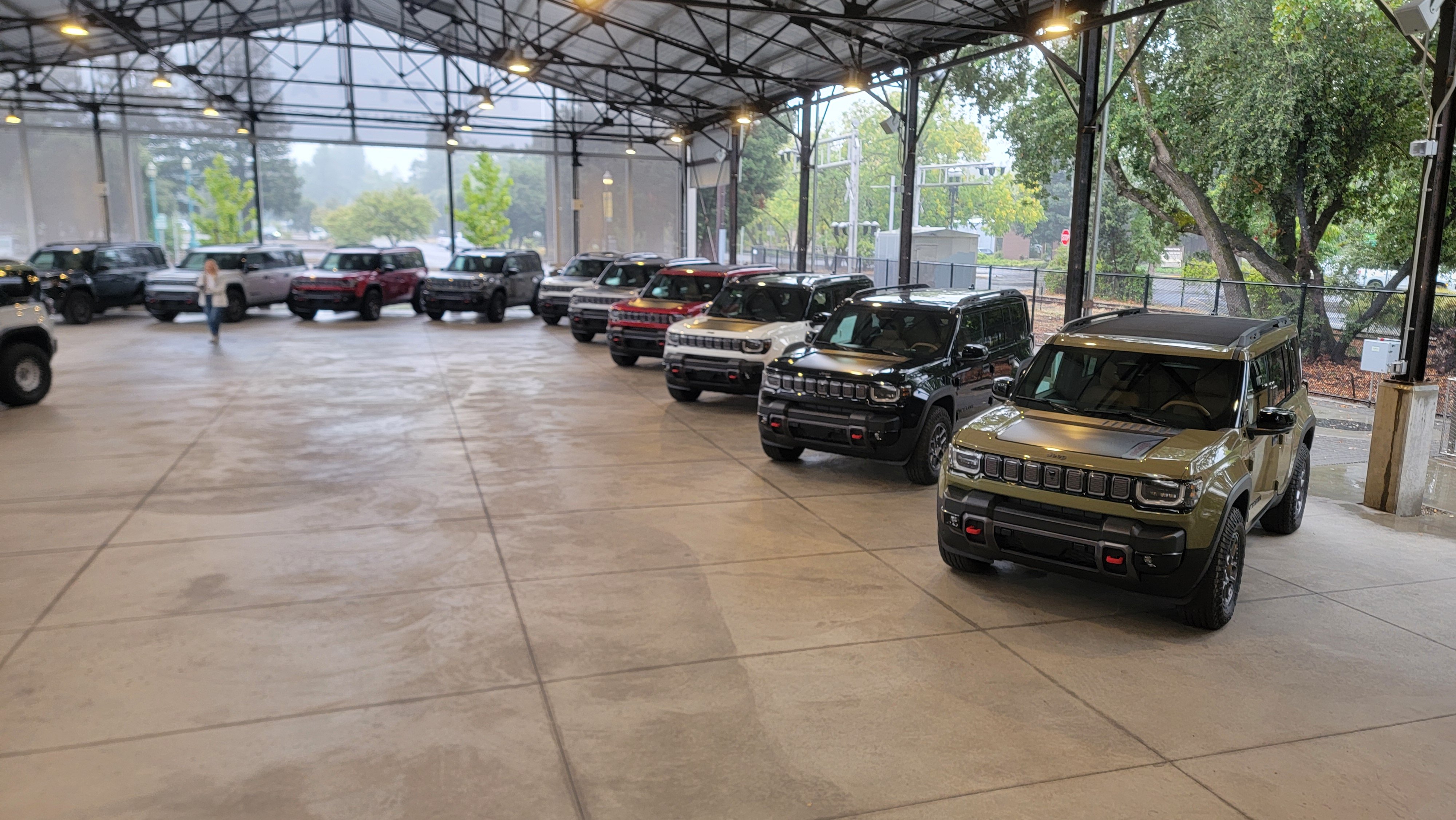
For all that, you get the aforementioned power output (via dual 250 kW motors) along with 620 pound-feet of torque. The 100.5-kWh (lithium-ion, nickel-manganese-cobalt) battery pack runs on a 400-volt architecture and offers 222 miles of range in the Recon’s launch model, which is the Moab. The forthcoming Overland model is rated at 240 miles thanks to its aero- and weight-friendly wheel-and-tire setup.
Jeep says it takes as little as 28 minutes to charge the Recon’s battery from 5 to 80% at a fast charger, or approximately 6.8 hours using the built-in level 2 charger. The Recon has an integrated dual charging module, so it can gain 100 miles of range at a DC fast charger in just five minutes if you’re really pressed—and hopefully near a charger with the necessary performance available.
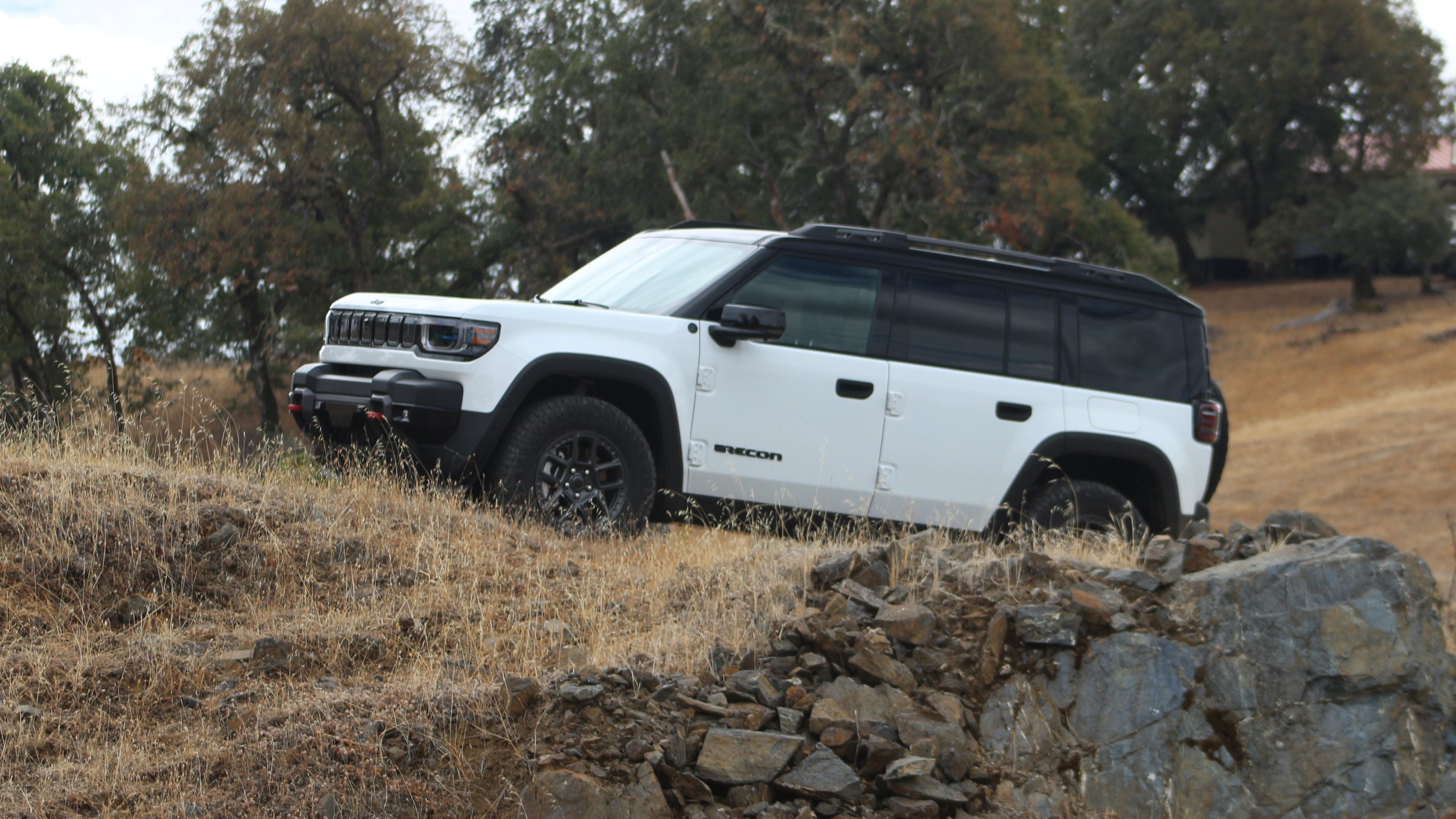
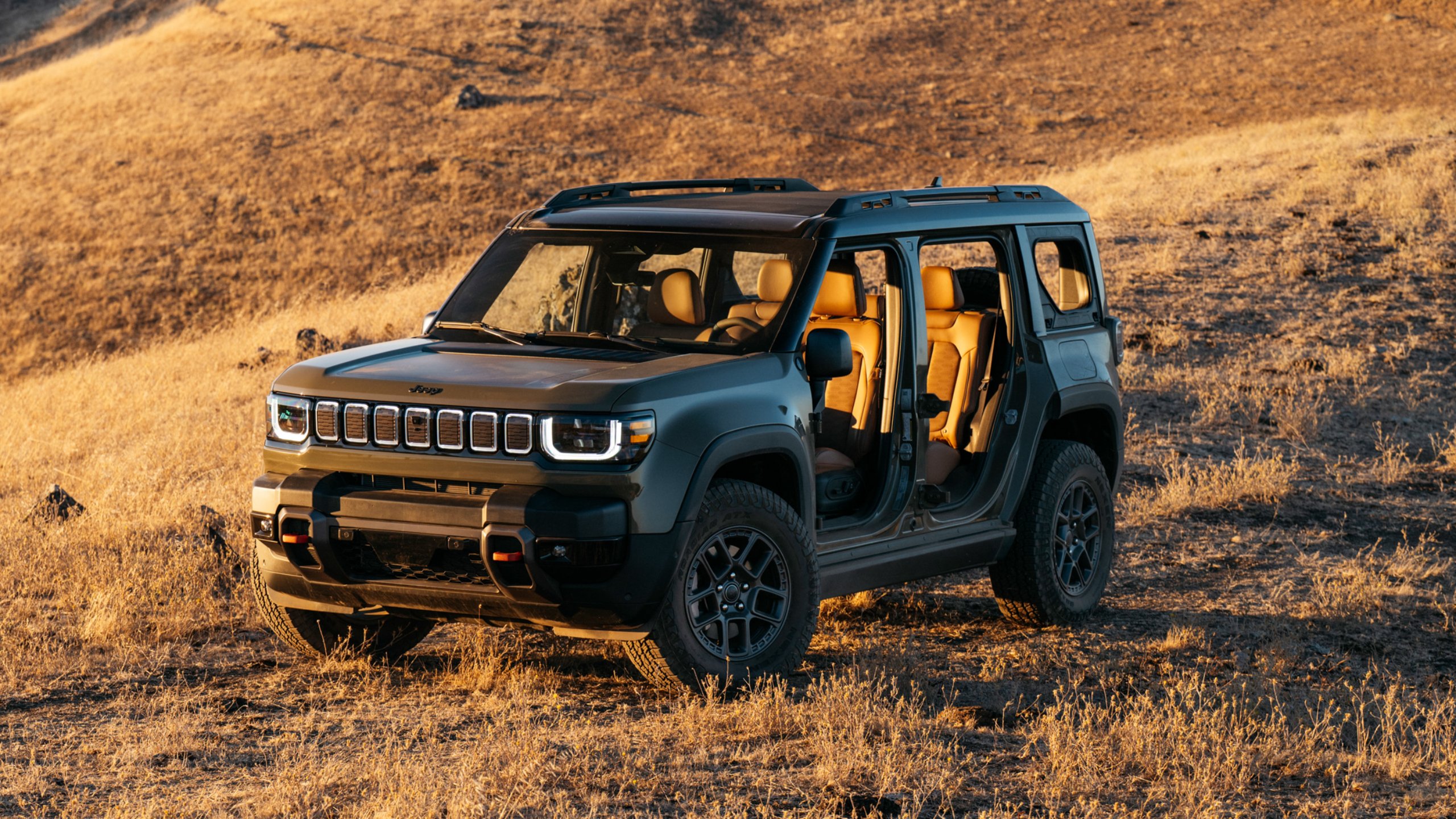
The Recon’s Moab trim badge may not convey the same status as “Rubicon,” but it does elevate expectations a bit. The Wrangler/Gladiator Moab are meant to indulge your inner desert rat. Like them, the Recon Moab has some specialized hardware to help elevate its game. Virtually the entire underbody is armored, the battery and electrical system were waterproofed to allow a fording depth of two feet, and Jeep incorporated a push-button electronic locking differential into the Recon’s rear axle.
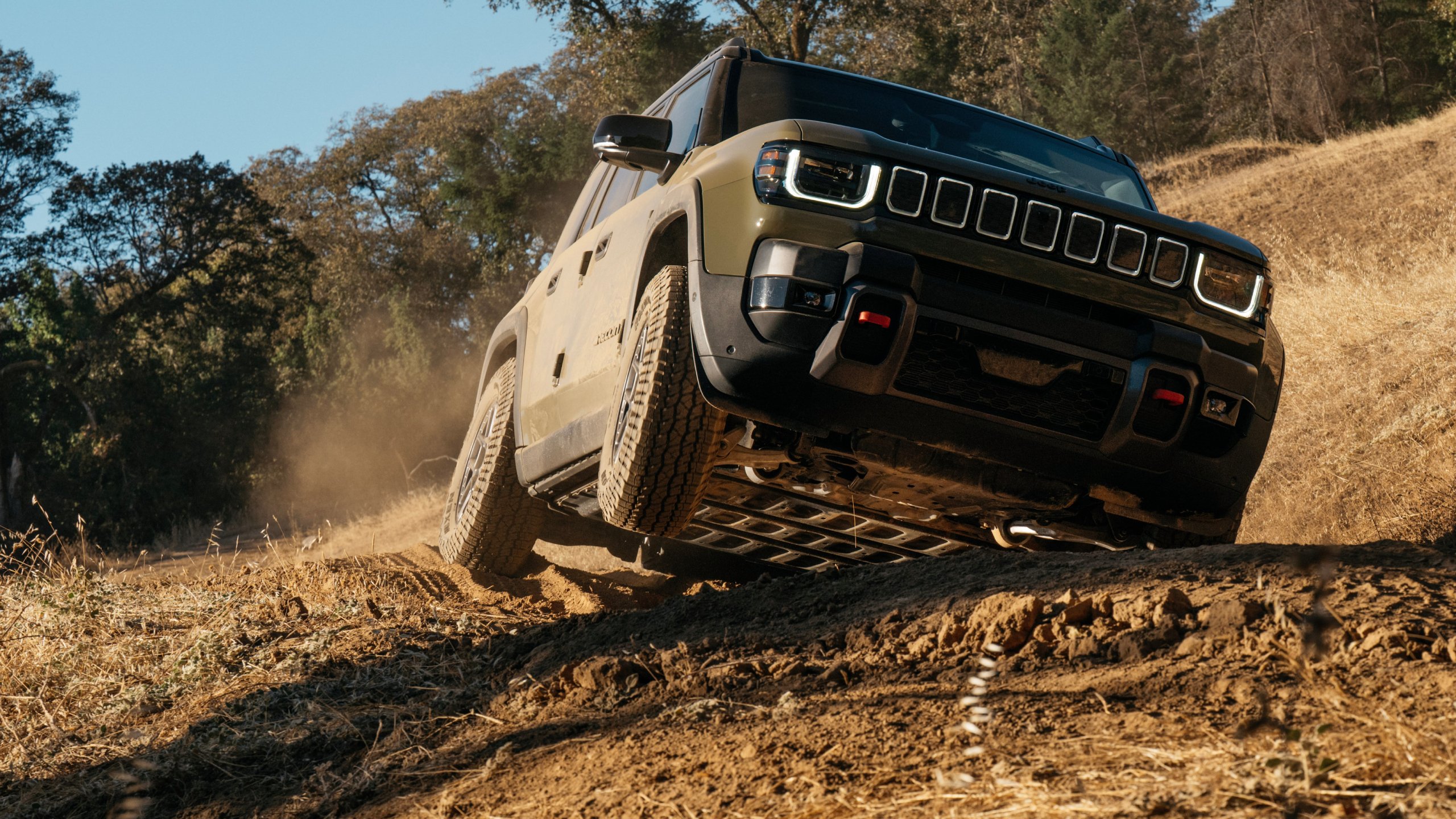
With the Moab’s 33-inch all-terrains, Jeep says it achieves a 33.8-degree approach angle, a 23.3-degree breakover angle, and a 33.1-degree departure angle. If you’re used to modified off-roaders (or even Rubicon spec sheets), that may not sound too impressive, but it’s more capable than the brand’s other unibody offerings. Even the Grand Cherokee Trailhawk relies on a limited-slip rear differential and strategically mounted skid plates.
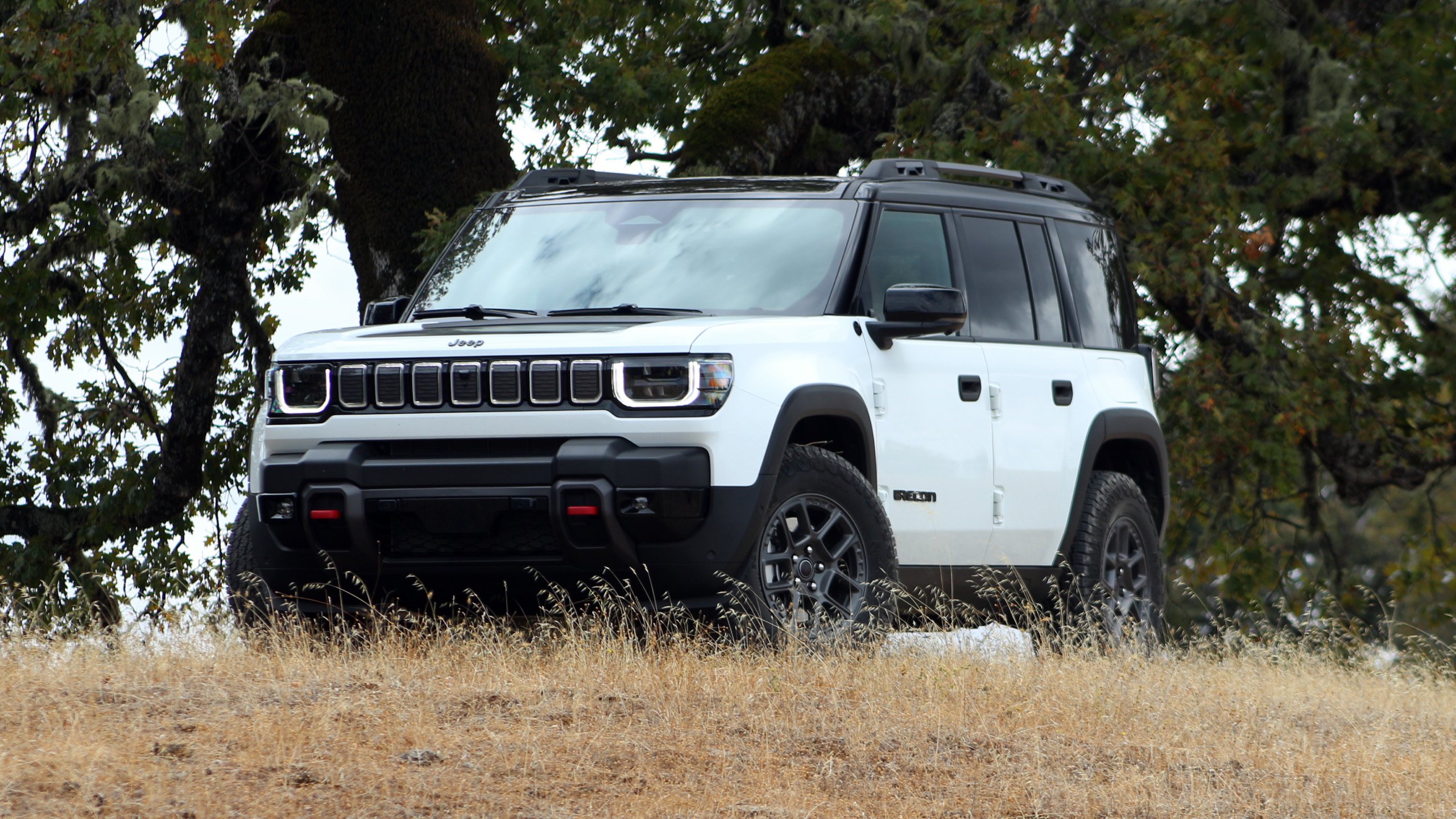
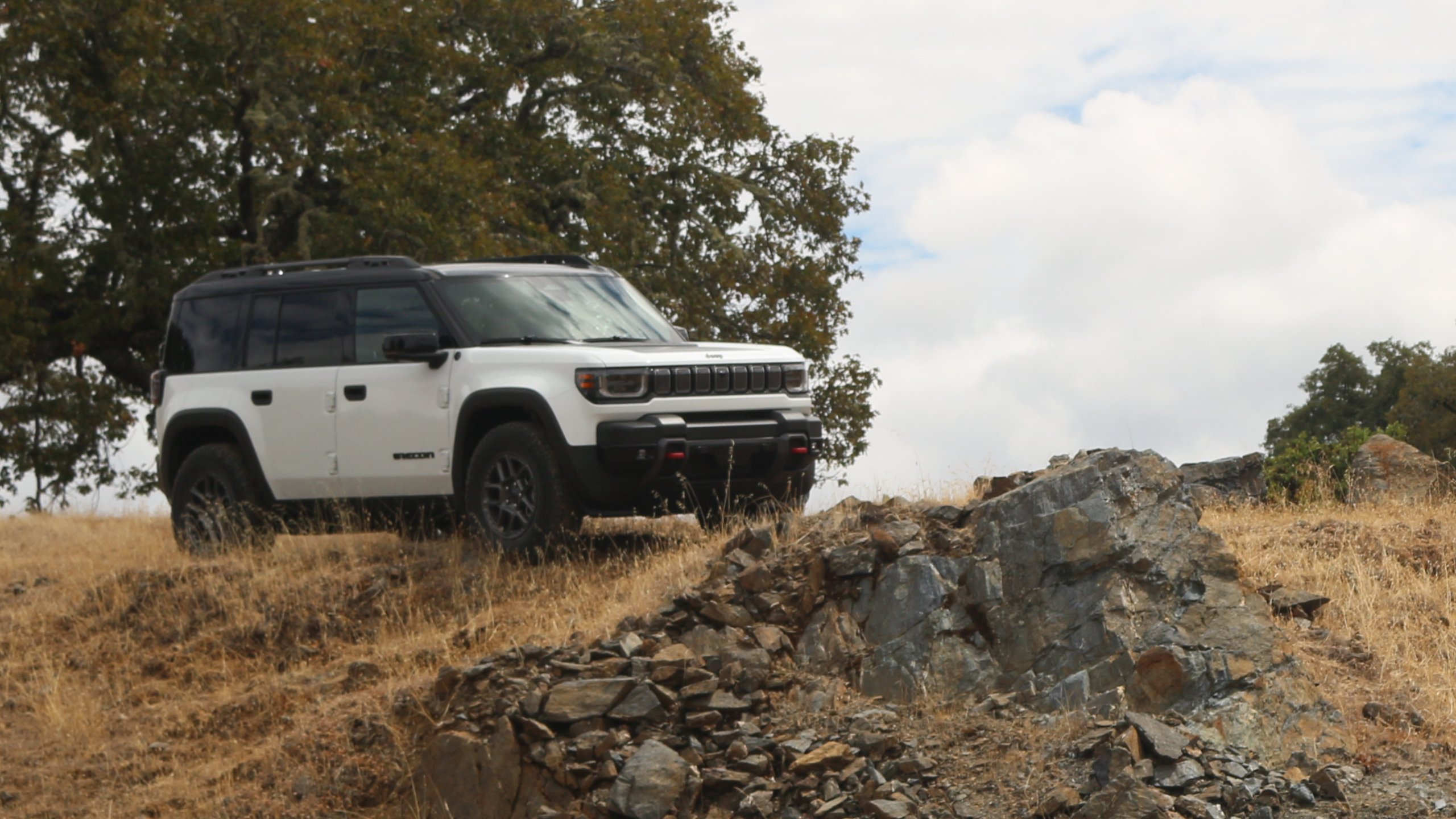
On the road, the Recon is silly quick—at least on a straight line. Jeep says it’ll do 0-60 mph in 3.6 seconds in Sport mode (3.8 in Auto). The relatively knobby tires add a hint of drama to the affair, especially if you’re trying to turn out into traffic from a stop, but a little tire skitter is all you’ll hear unless you really go nuts on a poor surface. Once you get up to speed, the Recon gets a bit floaty and vague, lacking the Wagoneer S’s more buttoned-down feel.
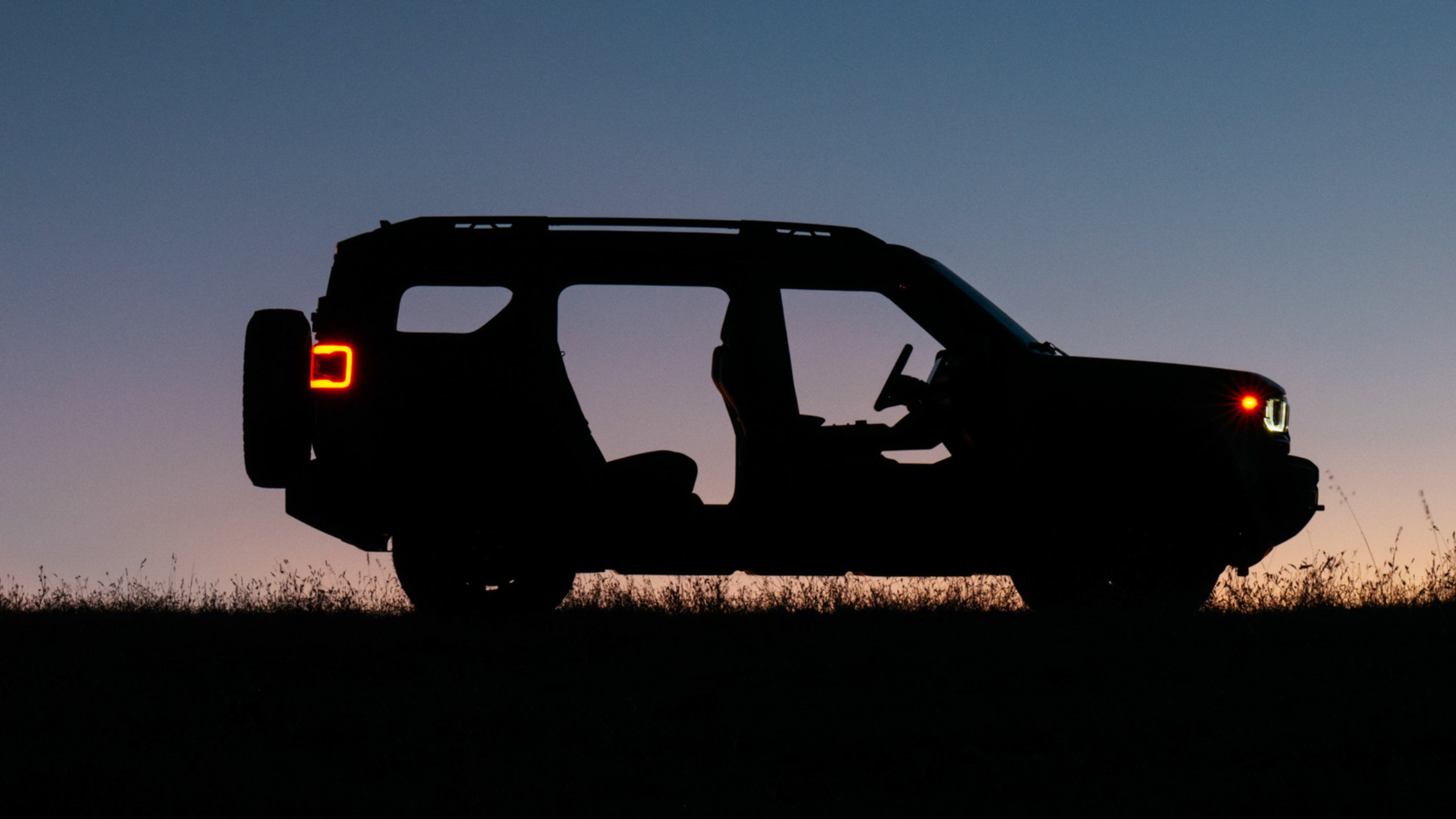
Blame here goes to the tires; that’s the nature of all-terrains. Pleasantly, they’re not that loud, especially since the Recon shares another key feature with the Wrangler and Gladiator: You can remove its doors and rear windows. I opted not to with the on-again, off-again rain showers I experienced driving around Healdsburg, California.
With all that power, it’s also easy to work up a head of steam that the Recon can’t comfortably sustain in the twisty bits, which provide a good opportunity to use the Recon’s max-regen mode, letting you effectively one-pedal it through all but the tightest corners. It’s far more engaging than the usual right-pedal/left-pedal shuffle, especially once you get a feel for the way the Recon accelerates and decelerates.
This also revealed some awkward powertrain tuning in the prototype vehicles I drove. The transition from pedal braking to regen braking (i.e., trailing off the brakes into a corner) and back to throttle occasionally invited awkward bucking from the driveline—akin to the kick one might feel after downshifting a manual car without an adequate throttle blip.
But this is a Moab, so let’s focus on what matters: off-roading.
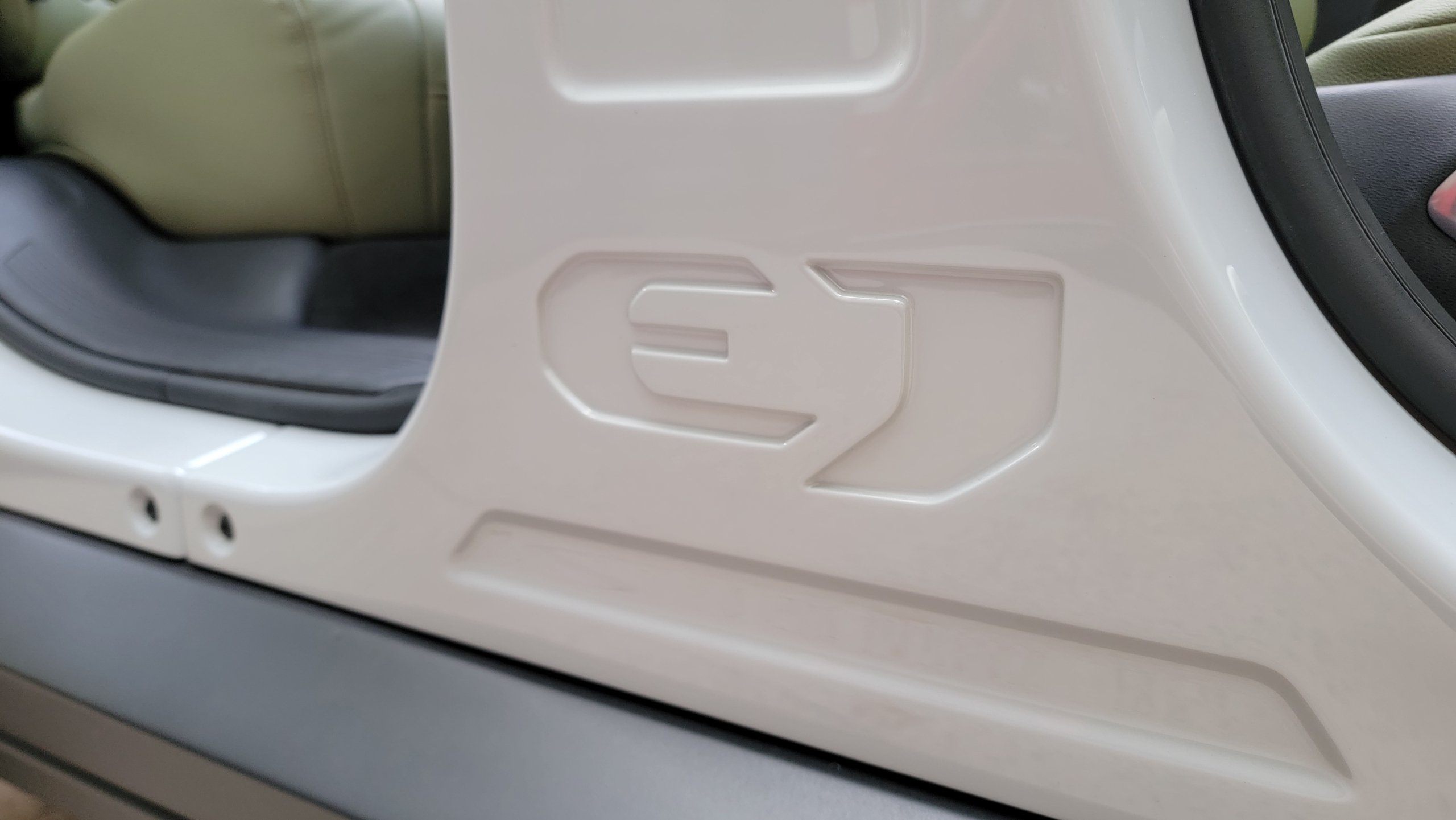
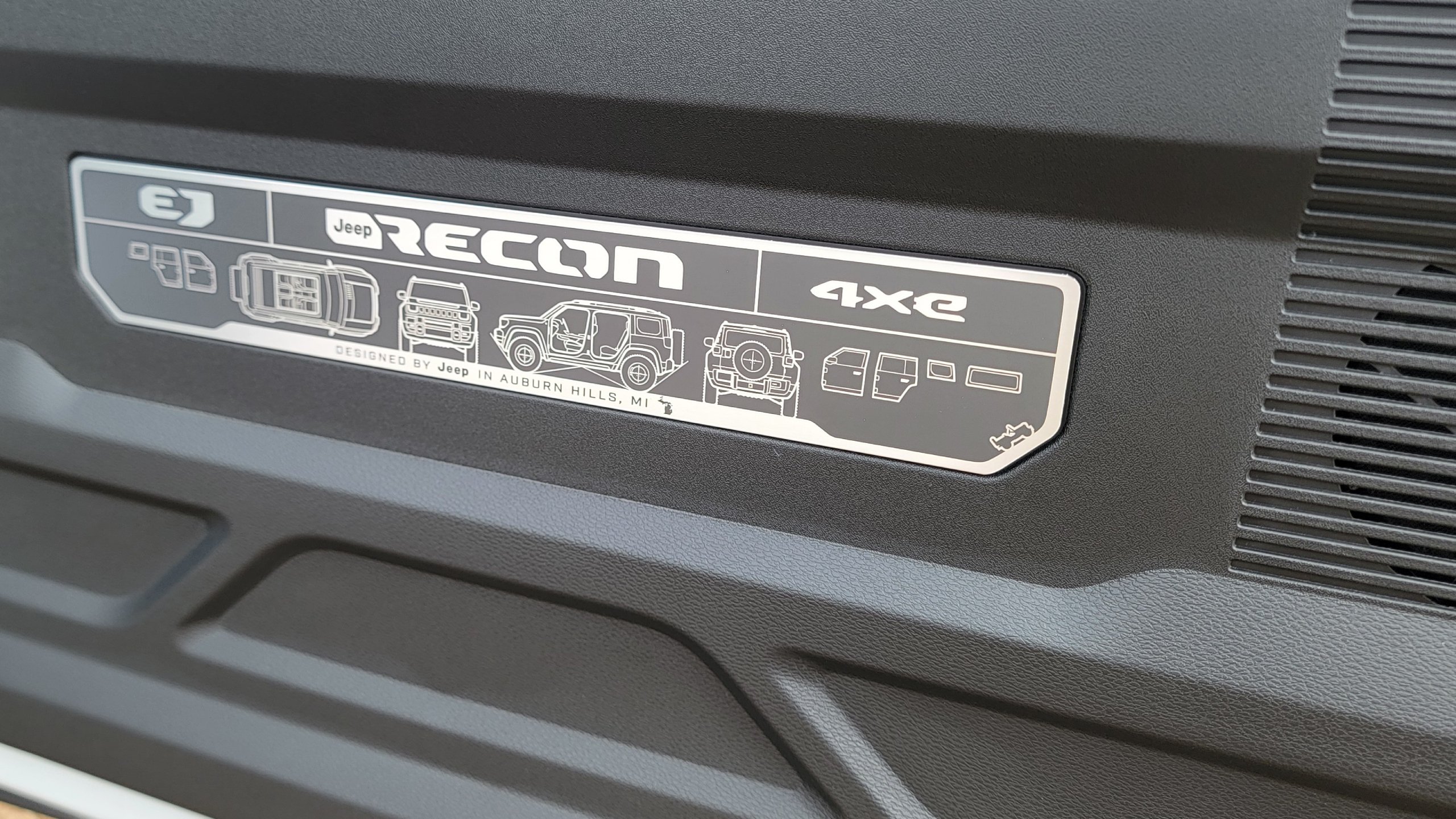
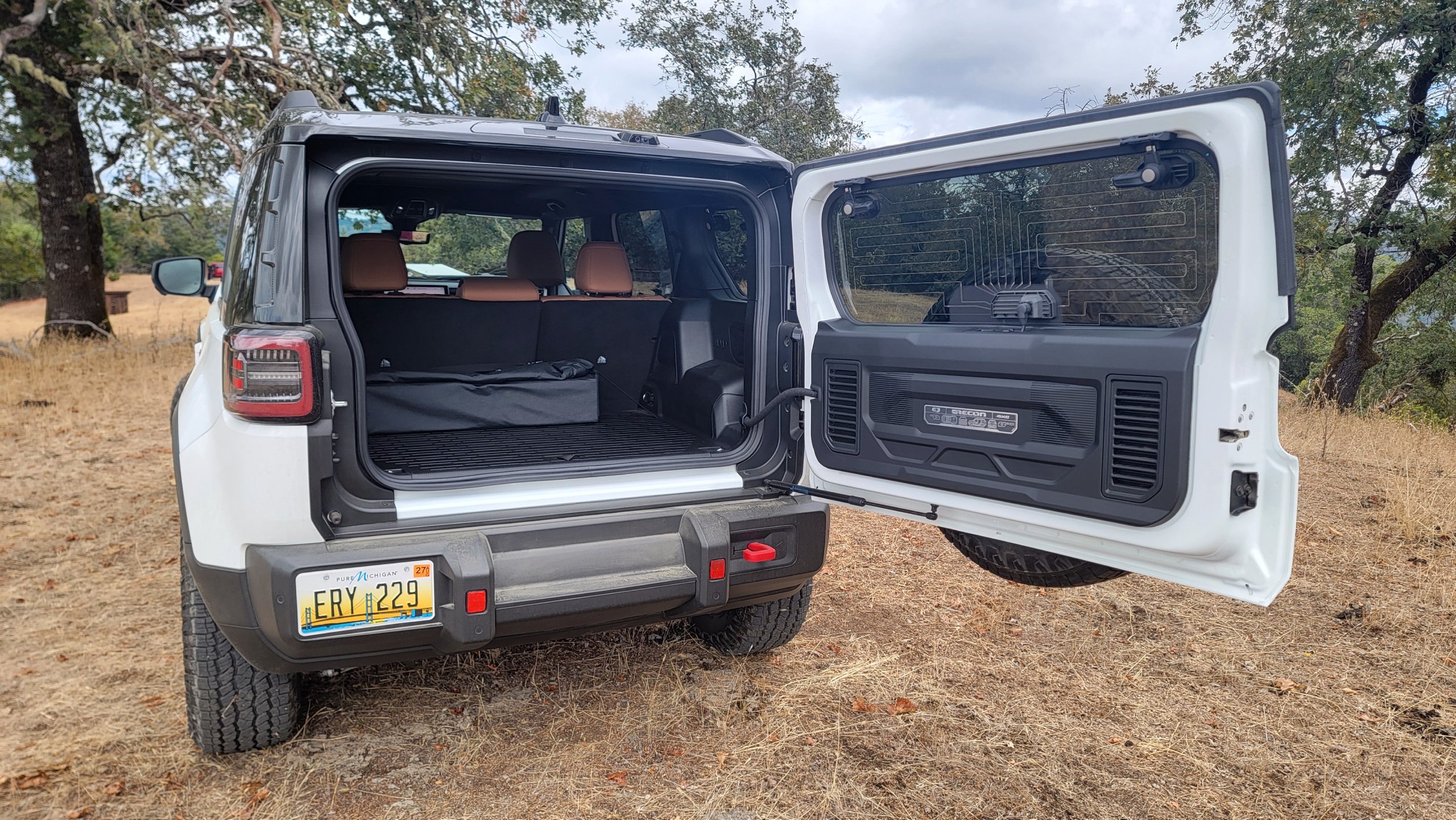
Rather than simply throwing us onto an existing California ORV trail, Jeep laid out its own course so I could feel the Recon’s capabilities. I spent most of the time ascending and descending wooded hillsides, where I found the Recon’s camera system virtually indispensable. Tight corners, protruding rocks, and snags were easy to spot and dodge.
Jeep interspersed the route with a handful of custom obstacles. The first was a ditch cut wide and long enough to show off how the Recon’s low center of gravity (battery ftw!) resists tipping. I managed to nudge up against 30 degrees of yaw without any drama; you’ll run out of courage long before the Recon runs afoul of a rollover.
The next obstacle was a water ford; the purpose was obvious, but it also demonstrated (albeit hidden by mud) the Recon’s approach and departure angles. The sudden drop into the bath invited a “clunk,” but the big SUV made no further complaint. This was a doors-on/windows-up situation even though the trough had dropped well below the target water level; by the time I’d made the third or fourth pass, the water line was juuuust over the center caps—somewhere around 17 or 18 inches off the ground.
After that, it was time for some light bouldering. The Moab trim gets a Rock mode not offered on the Overland, and it’s actually somewhat clever. It enables both left-foot braking and a hill-holder function. Combined with lots of motor regen, this almost replicates the feel of a crawler gear. And if you’re on wet rocks, I highly recommend using it; even in Sand/Mud mode, the Recon is almost eager to run away from you, especially if you’re not utilizing regenerative braking.
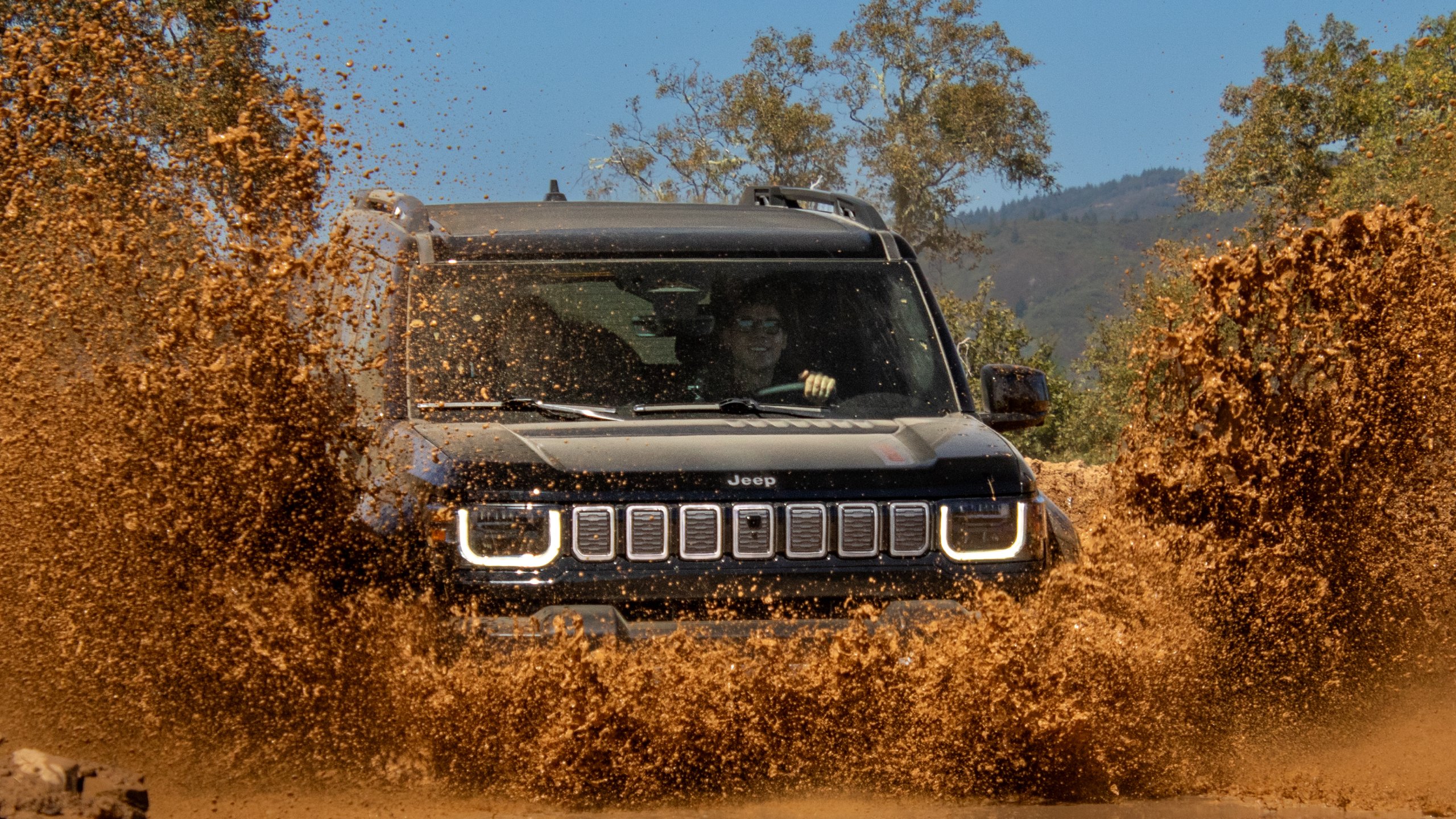
None of the obstacles proved particularly challenging, and I didn’t find most of the gizmos necessary. On my second pass, I opted not to use Rock mode or enable the rear locker when either was suggested. It took some finesse with the throttle, but I still managed with no trouble.
Jeep kept the on- and off-road vehicles separate to ensure I wouldn’t run ourselves out of range before finishing the drive. Good thing, too. When I began the loop in the morning, my test vehicle showed 88% charge and 180 miles remaining. When I set off from the off-road venue, I had just 63 miles remaining. With the brake regen maxed, I managed to bank several miles of range just winding down the dusty two-track to the highway. By the time I finished for the day, I had 38 miles left, or 17% charge.
The Recon is a lot of car, both physically and metaphorically. For $66,000, it ought to be, but I’m not sold on the value proposition here. Yeah, 670 hp is a lot, and being able to pass virtually anybody at any time is a valuable superpower. But in an off-road SUV? The Wrangler managed to go 30-plus years without a V8—and not because Jeep couldn’t source one.
At this stage in the electrification game, there are really only two lanes. In one, you have the genuinely good EVs—think Chevy Equinox EV, Hyundai Ioniq 5, or the Rivians. They offer plenty of range, charge relatively quickly and cheaply, and focus on efficiency.
That’s all great, but none of it sounds like enthusiast material. Ask Jeep’s own customers: Enthusiasts will gleefully endure an objectively awful form of transportation if there’s something—literally anything—special about it.
I didn’t have high hopes for Recon as an EV, but I was holding on to the hope that Jeep would use its two-year delay to find ways to make the Recon a good car. The trick rear differential and the electrified twists on Jeep’s traditional drive modes are both great examples of what the Recon could be, if Jeep were keen to approach it with the same vigor as the elephant in the room.
But hey, there’s always room for a Rubicon, right?
Jeep provided The Drive with travel and accommodations, along with the use of a vehicle for the purpose of writing this review.
2026 Jeep Recon Moab Specs
| MSRP | $66,995 |
| Powertrain | Dual electric motors, 100.5-kWh | all-wheel drive |
| Horsepower | 670 @ 6,000 rpm |
| Torque | 620 lb-ft @ 3,000 rpm |
| Seating Capacity | 5 |
| Ground Clearance | 9.1 inches |
| Off-Road Angles | 33.8 approach | 23.3 breakover | 33.1 departure |
| Curb Weight | 6,112 pounds |
| Total Range | 222 miles est. |
| Score | 5/10 |

Quick Take
Two years late and still half-baked.
Loading comments…
Comments couldn’t be loaded. Please refresh the page.